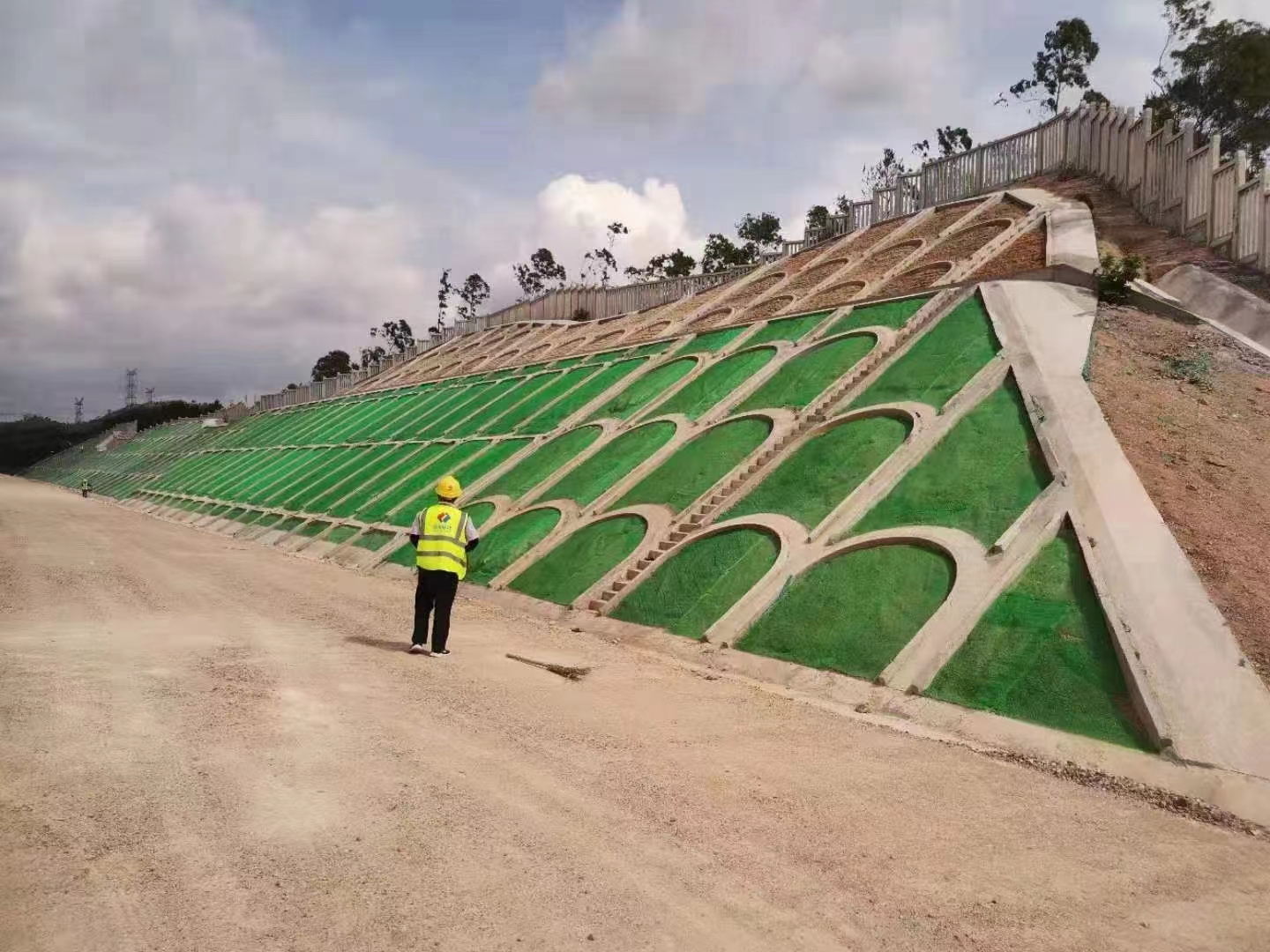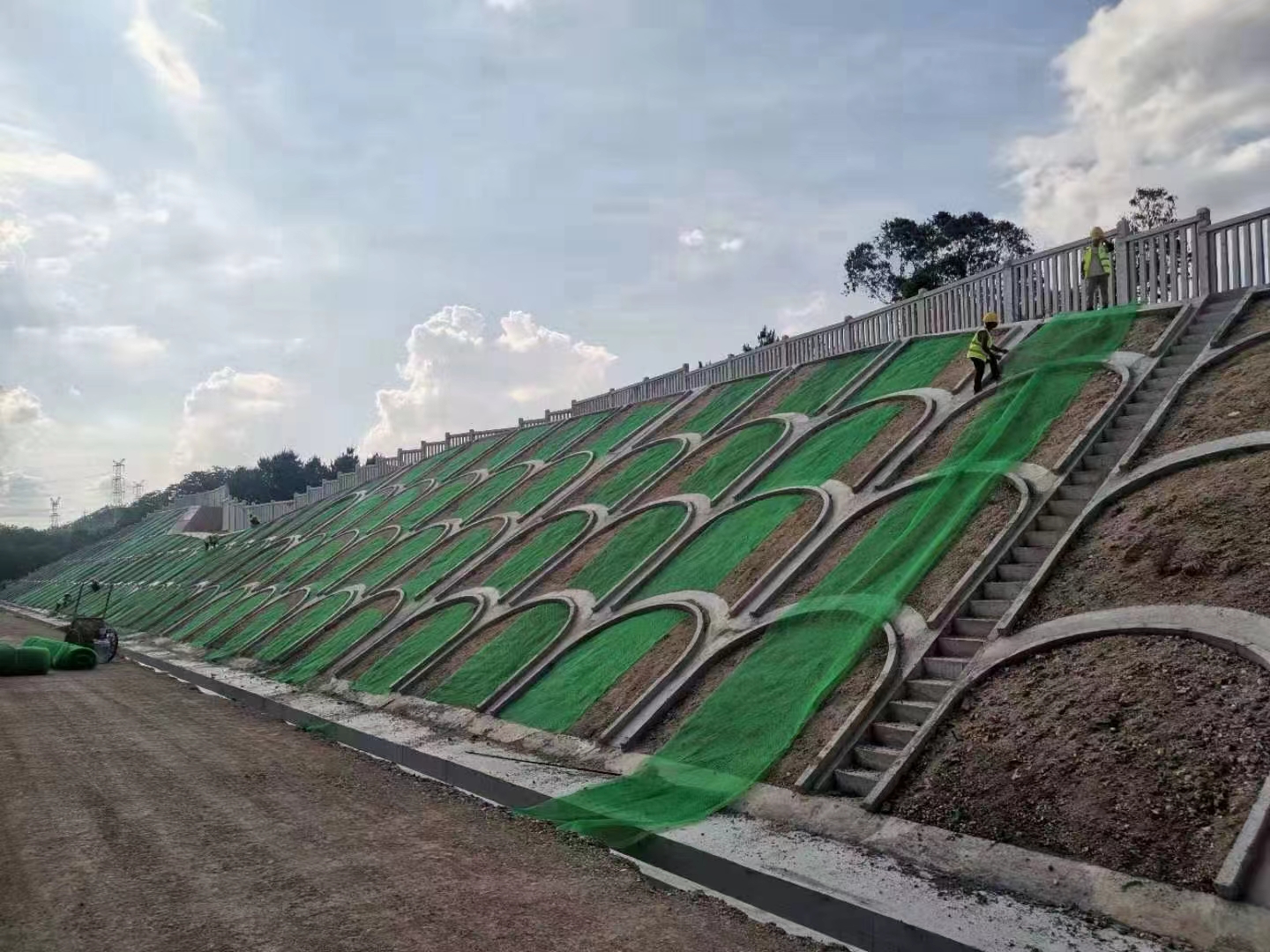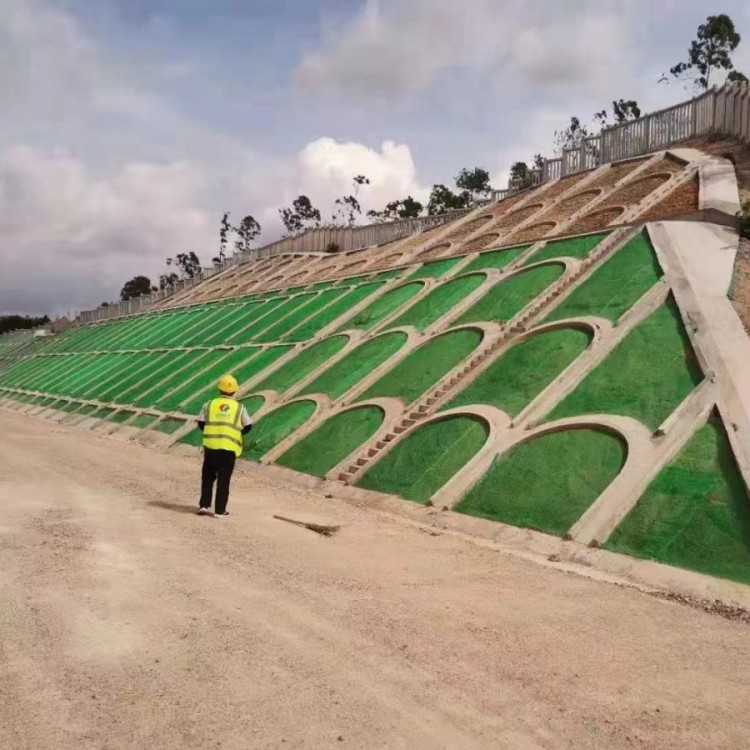
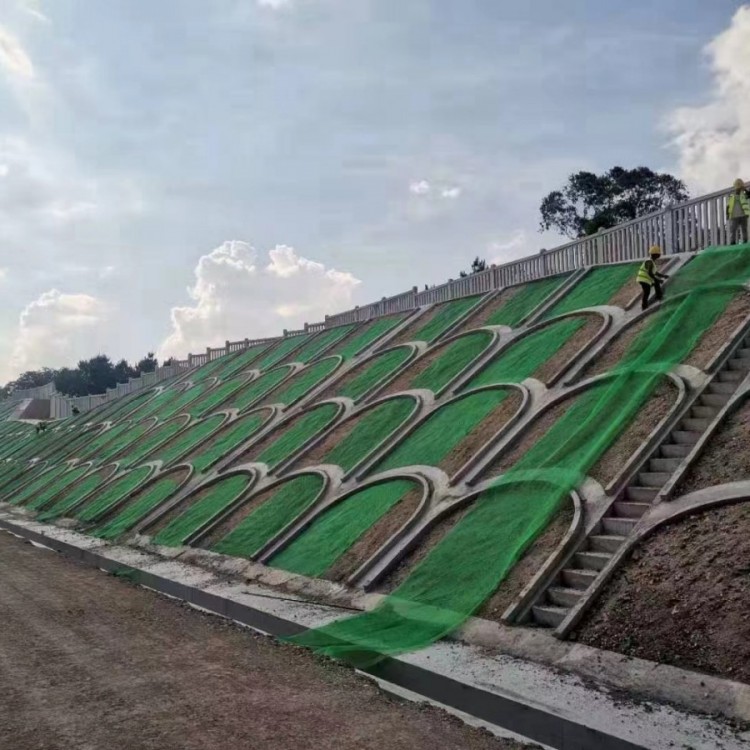
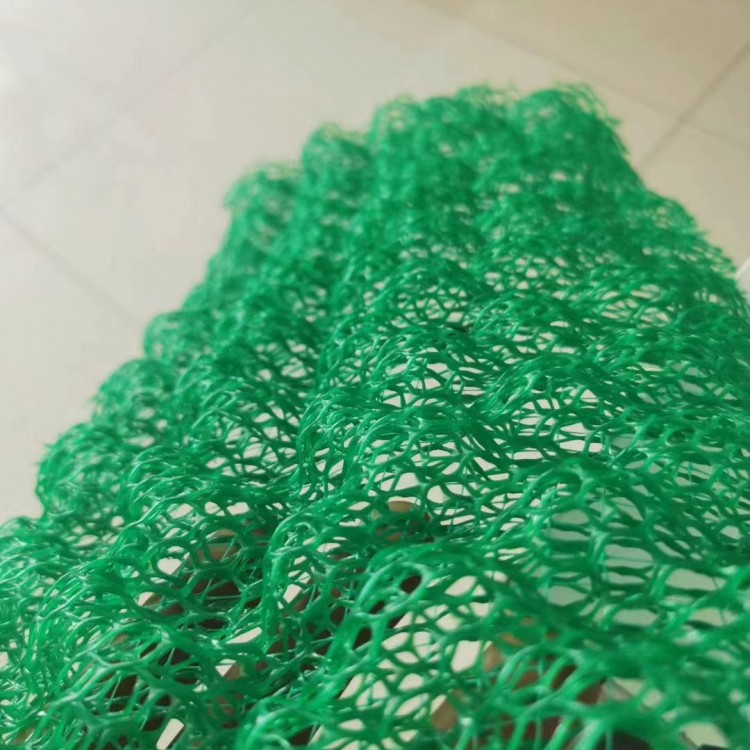









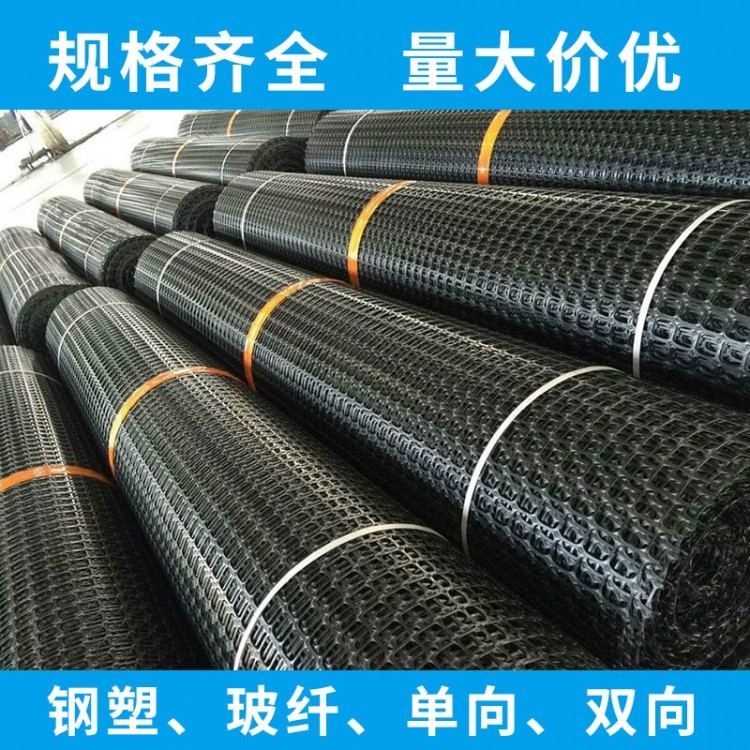

Three-dimensional Vegetation Net Slope Protection and Grass Planting is usually done through direct sowing. Common slope protection grasses include St. Augustine grass, Kentucky bluegrass, and White clover, among others. It is easy to plant and maintain, and it also helps to conserve soil and water, making it effective for slope protection.
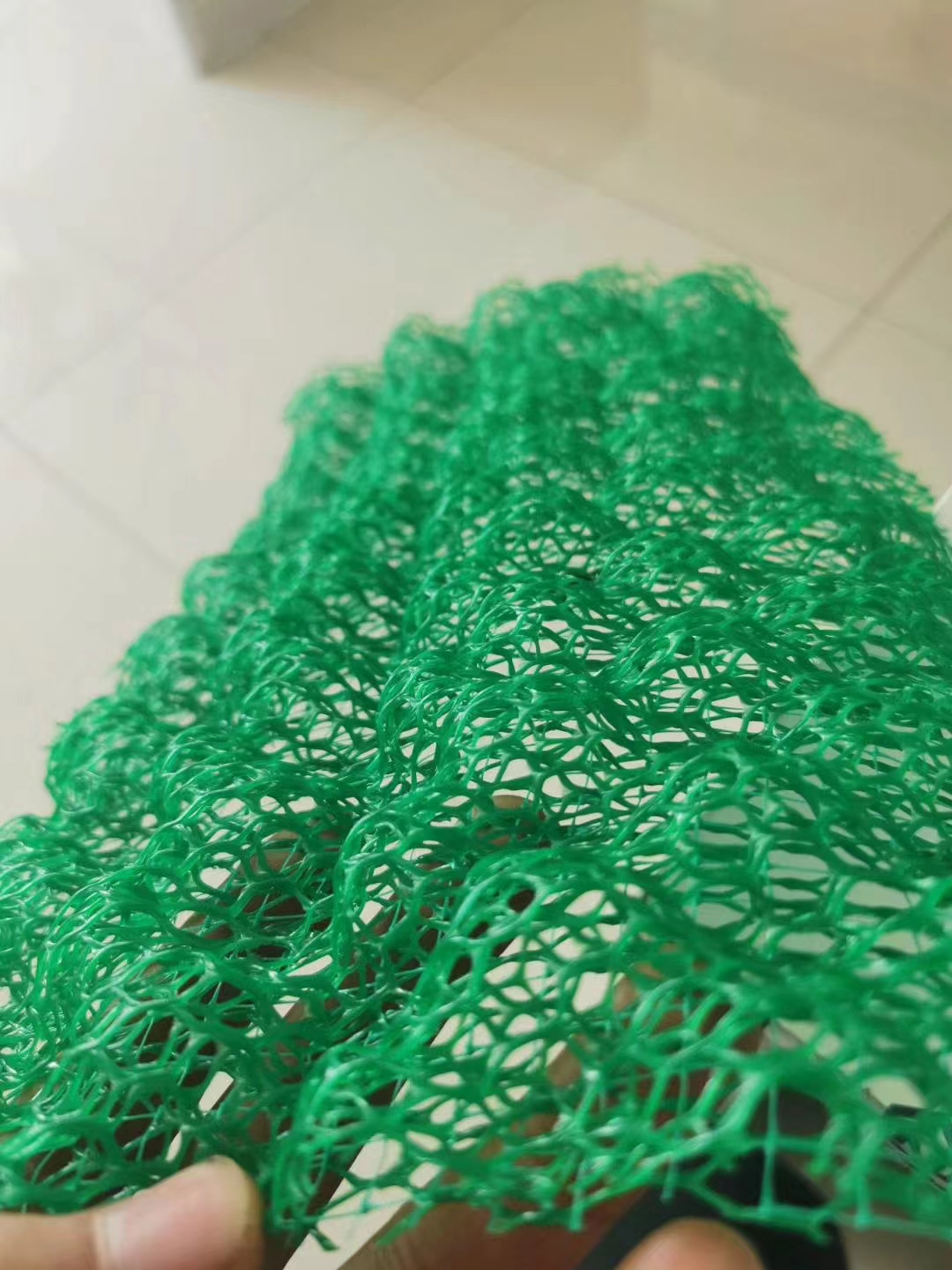
Three-dimensional vegetation nets are widely used in agriculture, horticulture, urban greening, and natural ecological restoration. They can be employed to repair desertified areas, deserts, and mountainous regions, improve soil quality, increase vegetation coverage, and reduce the risks of soil erosion and water and soil loss, offering significant environmental protection and ecological benefits.
This material can be freely cut and pieced together, and can be filled with various substances such as plants, soil, and fertilizers.
When it comes to three-dimensional vegetation nets, you might be a bit unfamiliar with them. However, you've definitely seen lush vegetation covering steep slopes. These green landscapes are thanks to the efforts of three-dimensional vegetation nets. They are a special type of net that effectively stabilizes soil and prevents erosion, while also promoting vegetation growth. In the mountainous regions of Yunnan, these nets act as silent guardians, protecting the mountains and our homes.