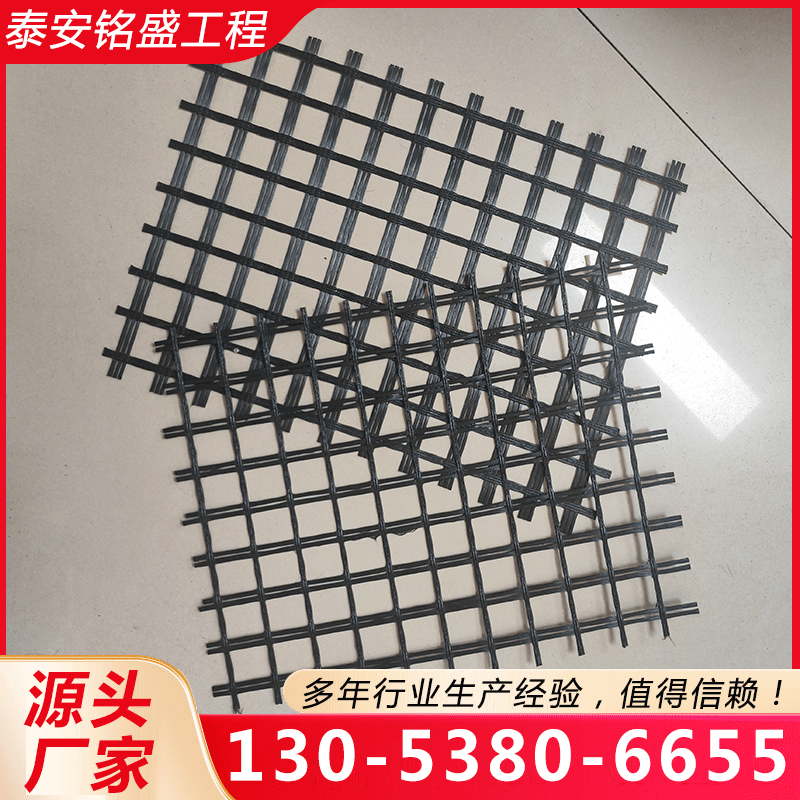







Yuncheng asphalt glass fiber grid specifications, models, prices, road-use glass fiber grid, glass fiber grid prices, glass fiber grid quotations
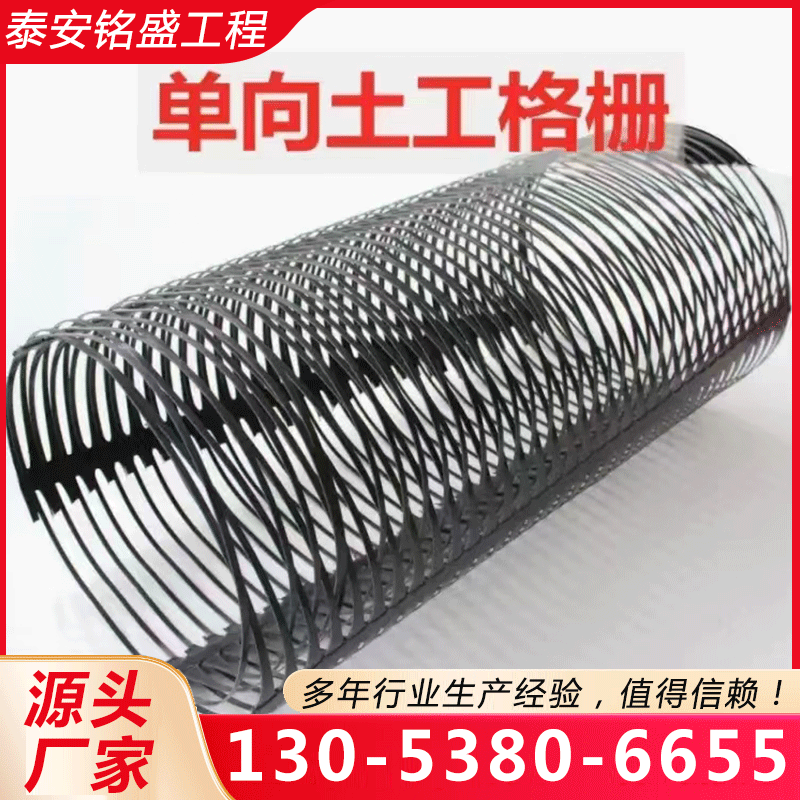
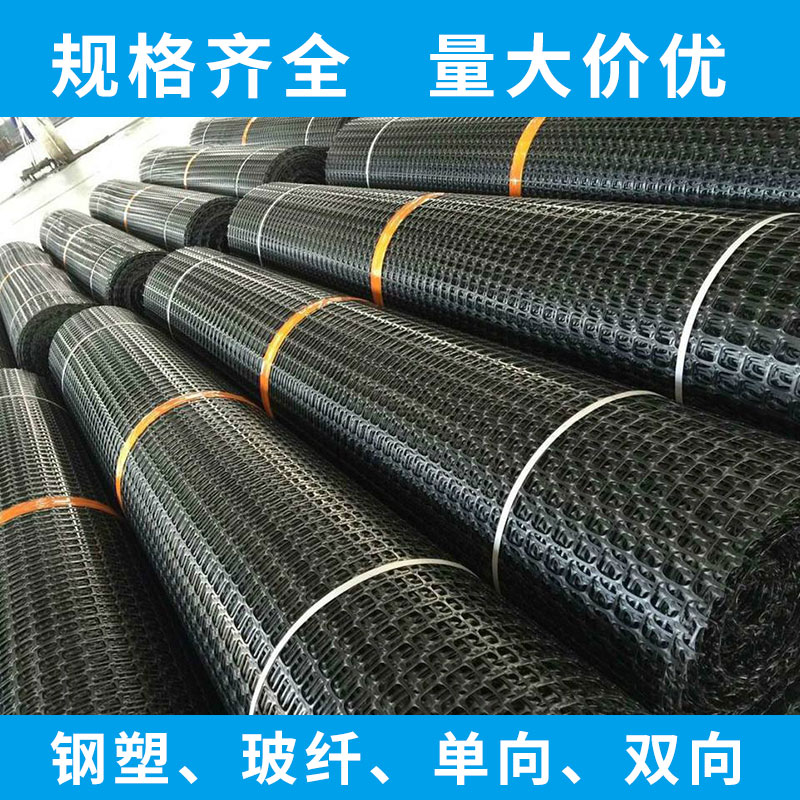
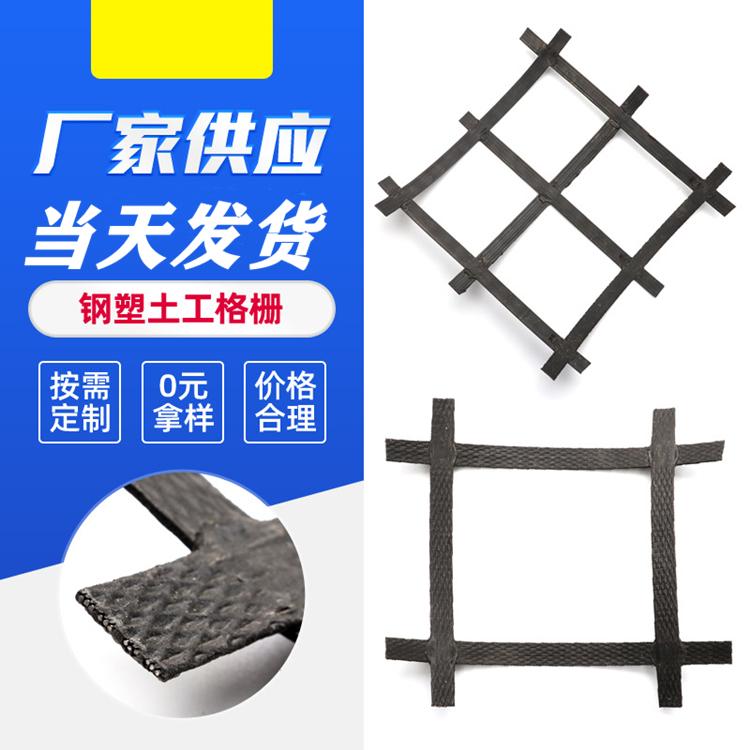
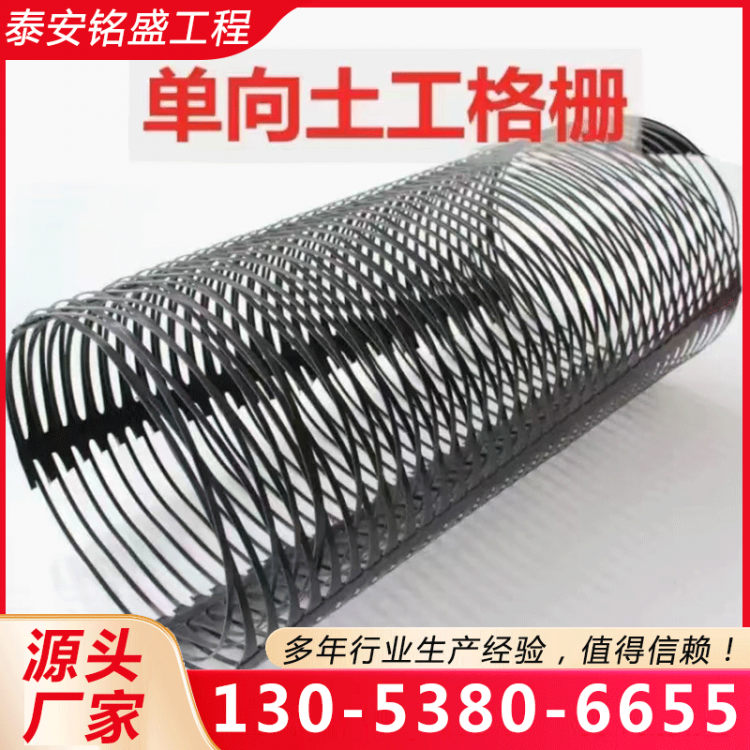
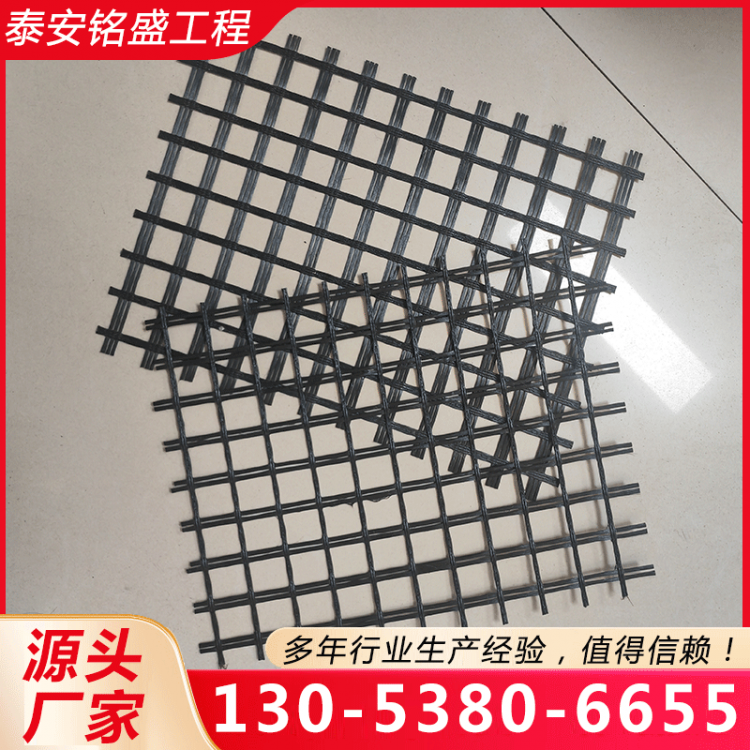
If carbon black and other anti-aging materials are added to geogrids, they can be made to possess excellent durability against acids, alkalis, corrosion, and aging. Unidirectional stretched geogrid is a product made primarily from high molecular polymer materials, with certain UV-protection and anti-aging additives added. Through unidirectional stretching, the originally randomly distributed chain-shaped molecules are reoriented and arranged in a linear state.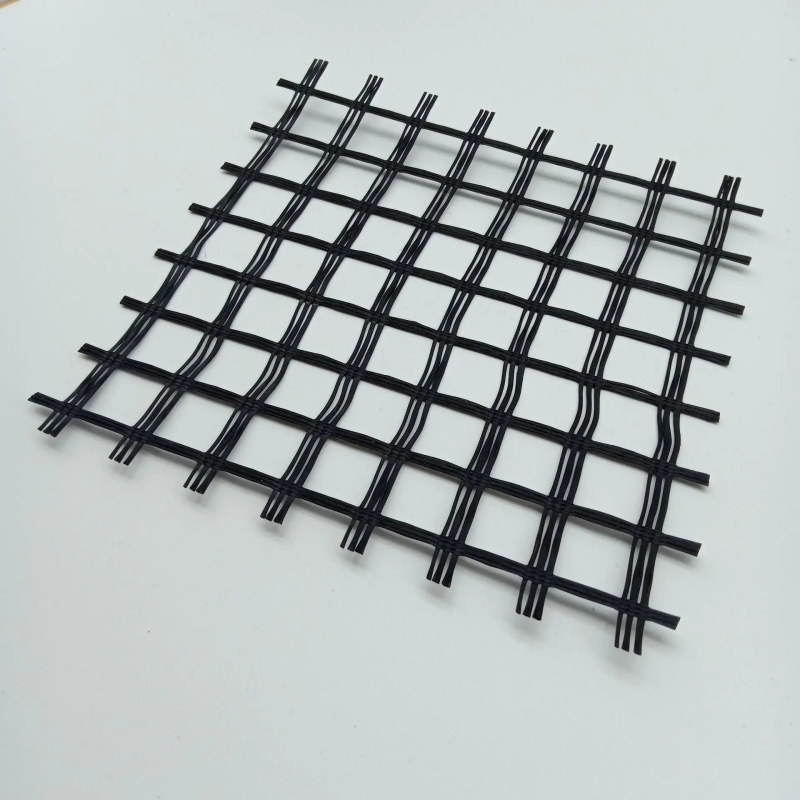 High-strength geosynthetic material, produced by extrusion into thin sheets, punching regular perforated meshes, and then stretching longitudinally. It involves punching holes in polymer sheets (typically made of polypropylene or high-density polyethylene) after extrusion, followed by directional stretching under heating conditions. This structure boasts high tensile strength and modulus, with tensile strength reaching 100-300 KN/m, comparable to low-carbon steel, significantly superior to traditional or existing reinforcing materials. Particularly, this company's products in this category exhibit ultra-high early tensile properties, surpassing international standards.
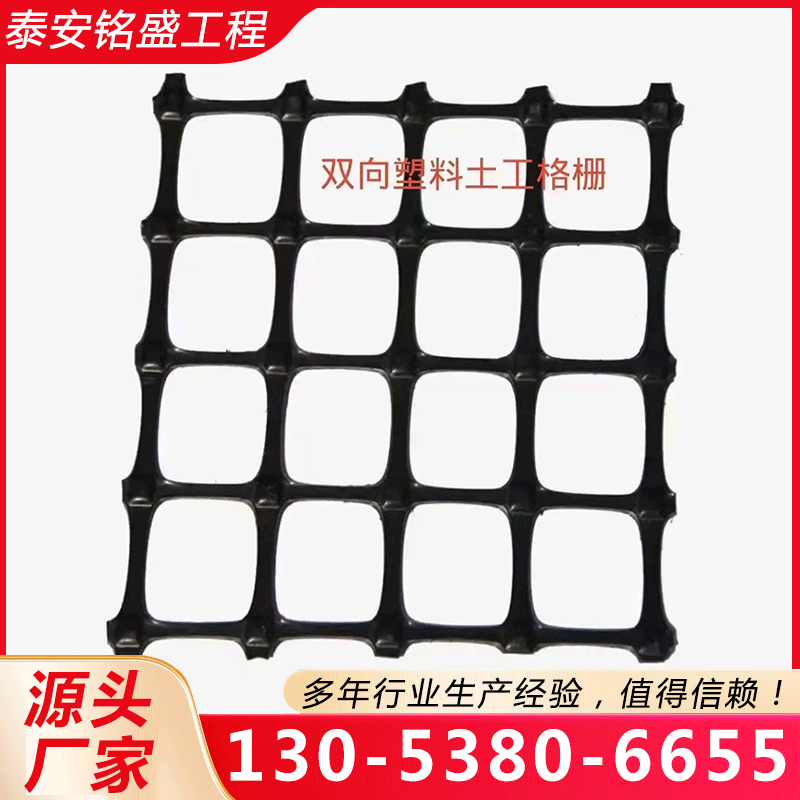
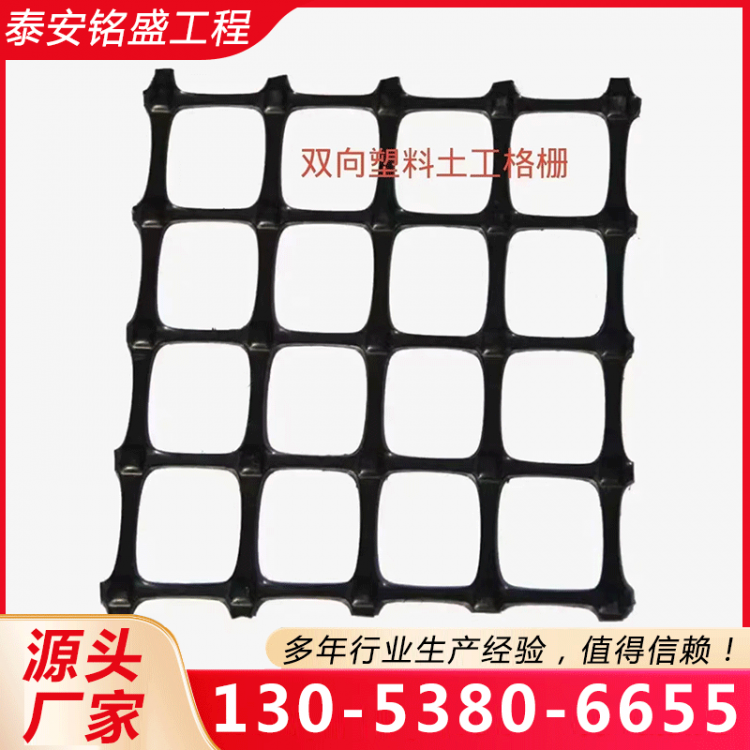
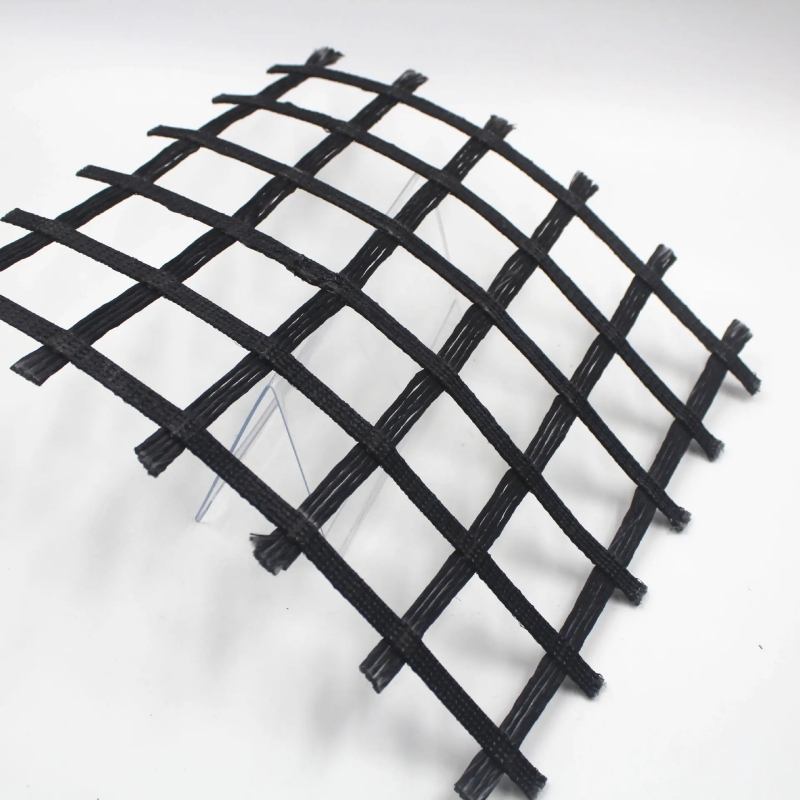 Stretch modulus between 2% and 5%. Provides an ideal force-bearing and diffusing连锁 system for soil. The product has high tensile strength (>150Mpa) and is suitable for various soil types. The polymer mesh formed by stretching can be either unidirectional or bidirectional, depending on the stretching direction during manufacturing. Unidirectional stretched mesh is produced by stretching only along the length of the board; bidirectional stretched mesh is made by further stretching the unidirectional mesh perpendicular to its length.
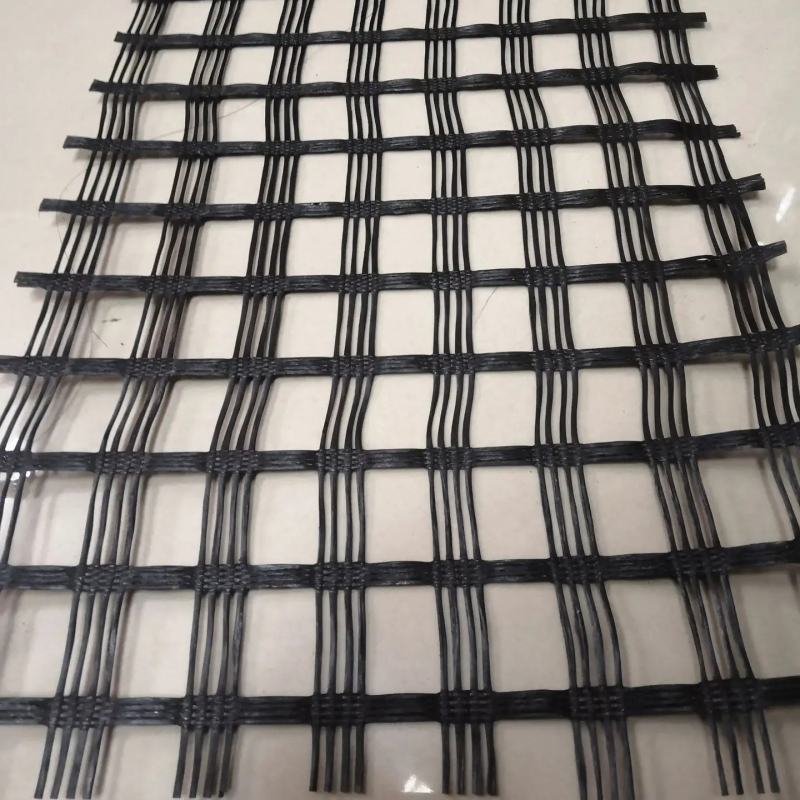 Due to the polymer's high molecular reorientation during the heating and extension process in the production of plastic geogrids, the intermolecular bonding strength is enhanced, thereby increasing its strength. The elongation rate is only 10% to 15% of the original sheet material. This process results in the high molecular forming a directional linear state and creating a long, elliptical, uniform network structure with high node strength.