






Baoding Glass Fiber Grid Manufacturer Price Asphalt Glass Fiber Grid, Glass Fiber Grid Manufacturer, Glass Fiber Grid Price
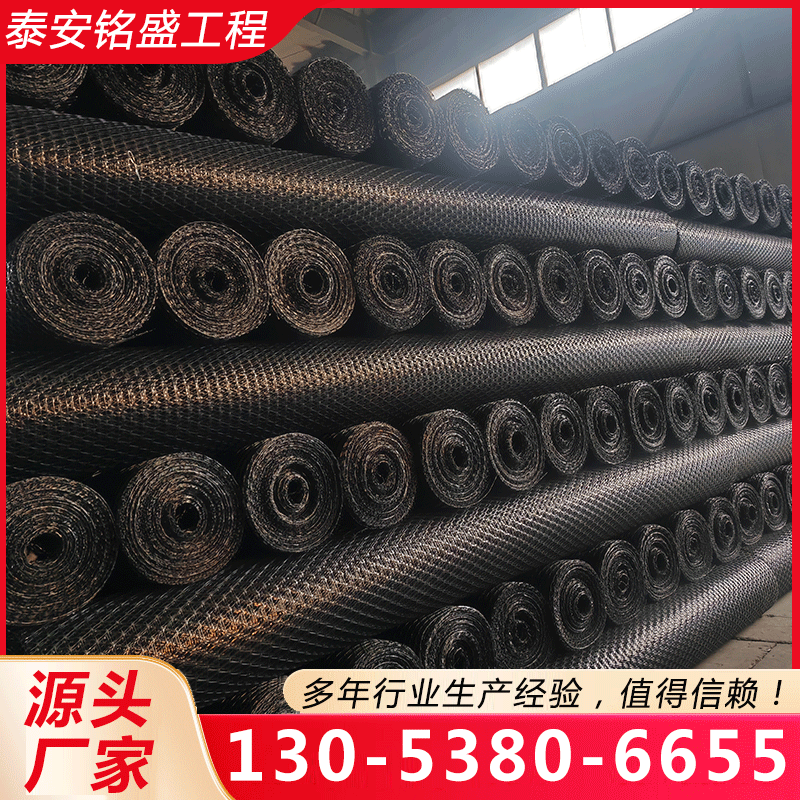
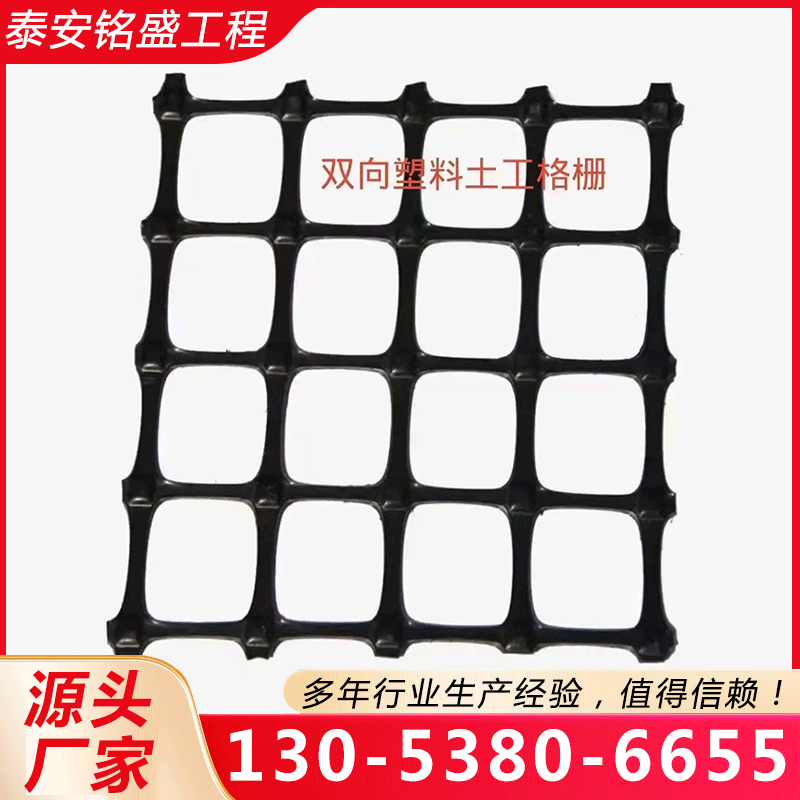
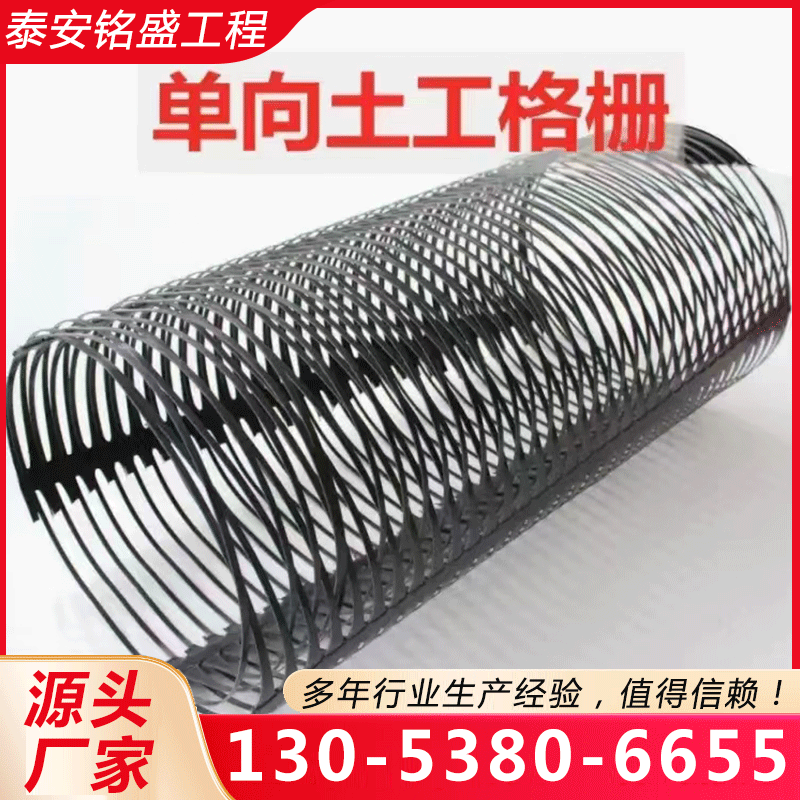
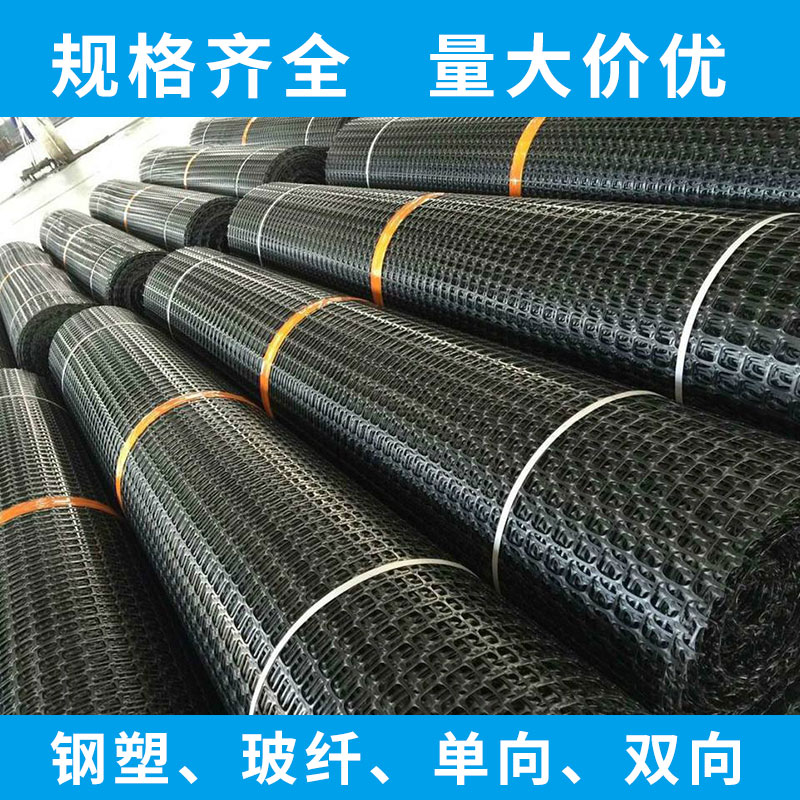
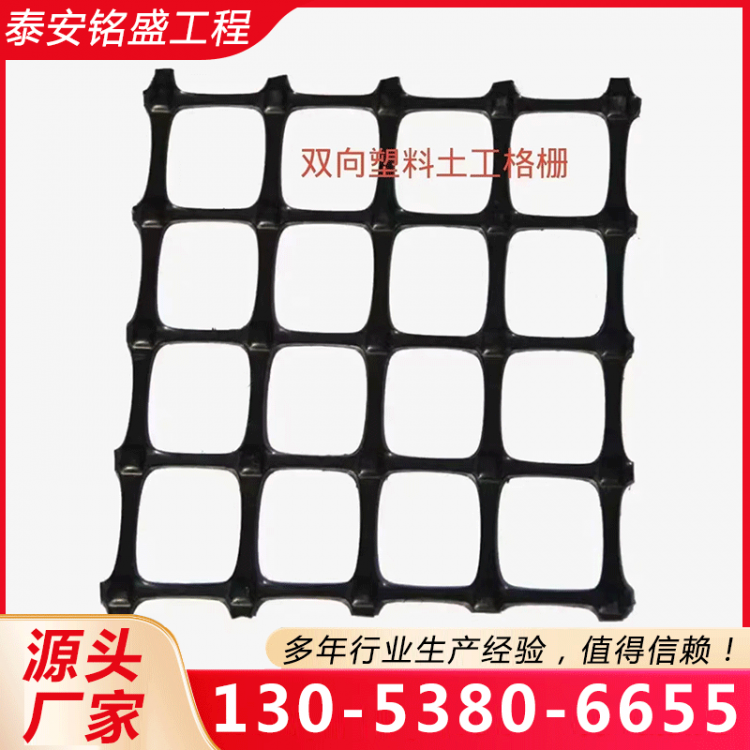
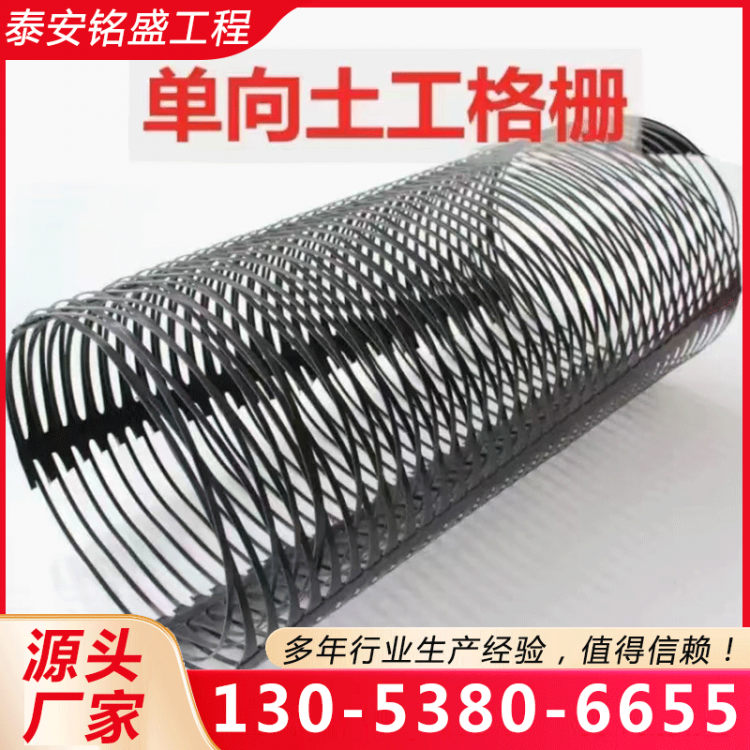
It involves punching holes into polymer sheets (usually made of polypropylene or high-density polypropylene) that have been compressed and then stretched in a directional manner under heat. Unidirectional stretched grid is produced by stretching only along the length of the sheet; bidirectional stretched grid is made by further stretching the unidirectional grid perpendicular to its length. Due to the polymer's high molecular reorientation during the heating and extension process in the manufacturing of plastic geogrids, the intermolecular bond strength is enhanced, thereby increasing its strength. The elongation rate is only 10% to 15% of the original sheet material. By adding anti-aging materials like carbon black to the geogrid, it can achieve better acid, alkali, corrosion, and anti-aging resistance. Mining geogrids, also known as double-stretched plastic net false ceiling for underground coal mines, are abbreviated as false ceiling net. These geogrids are specifically designed and manufactured for false ceiling support and gangway support in underground coal mine recovery operations.
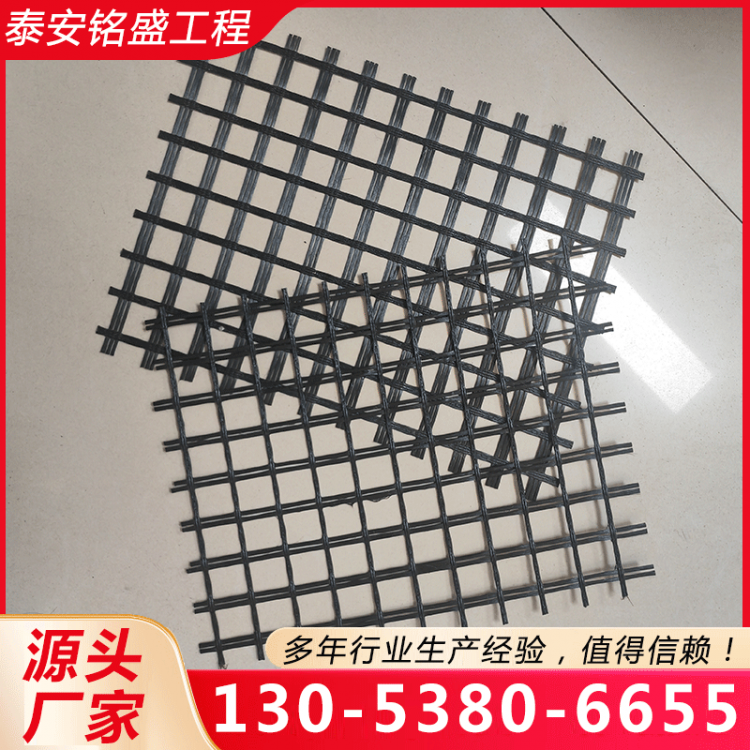
 Manufactured by blending several high polymer resins and adding other modifiers, followed by heating, extrusion, shaping, punching, stretching, forming, and winding processes. The polymer mesh with square or rectangular shapes, formed through stretching, can be either unidirectional or bidirectional, depending on the stretching direction during production. Compared to traditional mining geogrids, metal woven meshes, and plastic woven meshes, it features light weight, high strength, isotropy, antistatic properties, corrosion resistance, and flame retardancy. It is a new type of mesh material for underground coal mine support engineering and civil engineering projects.
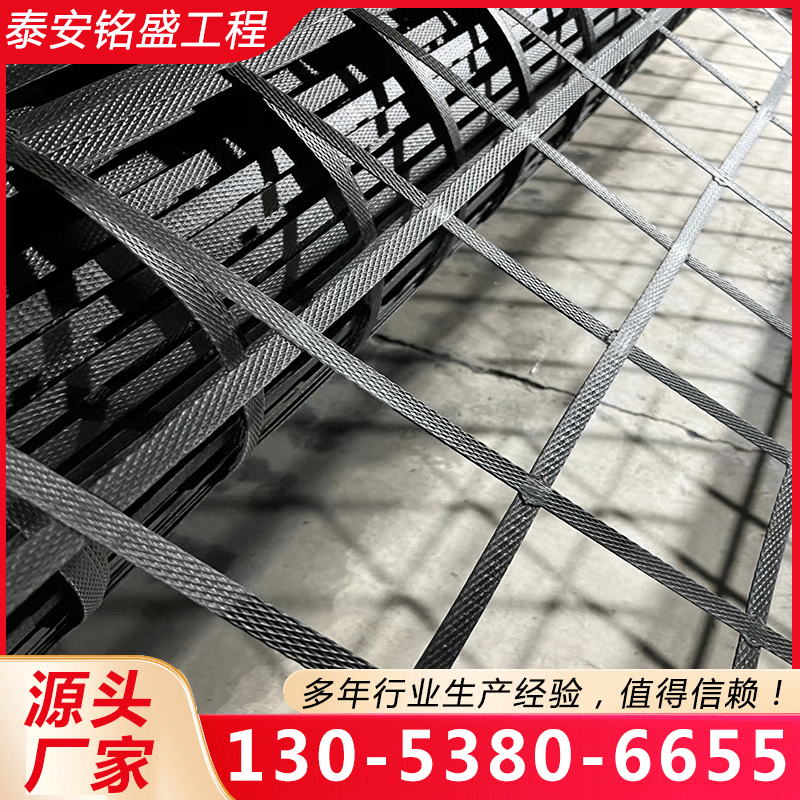
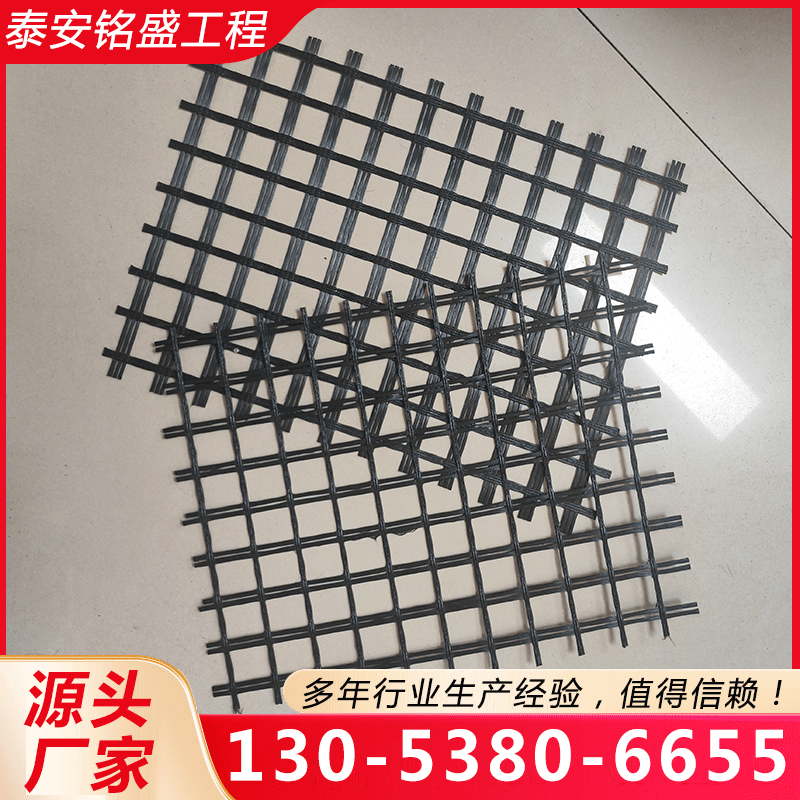
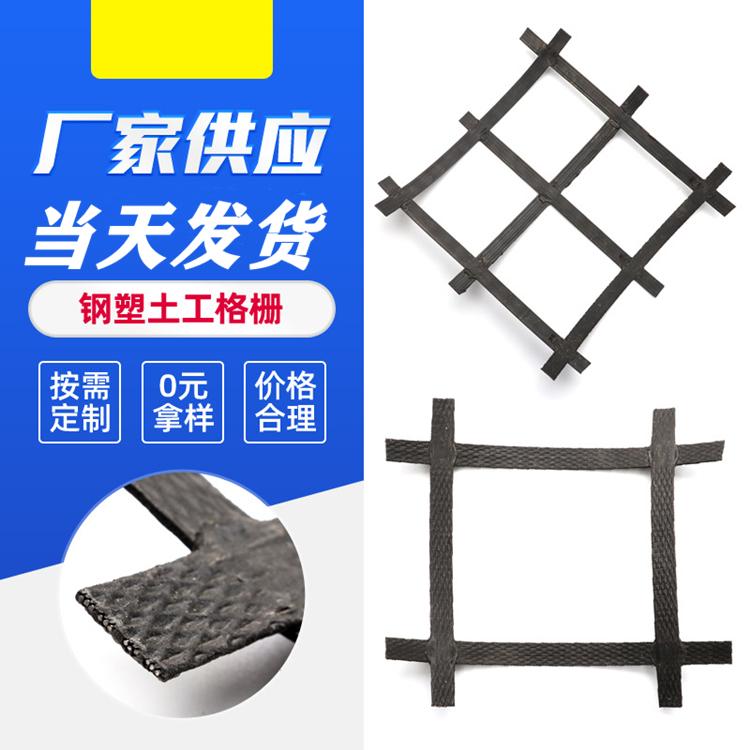
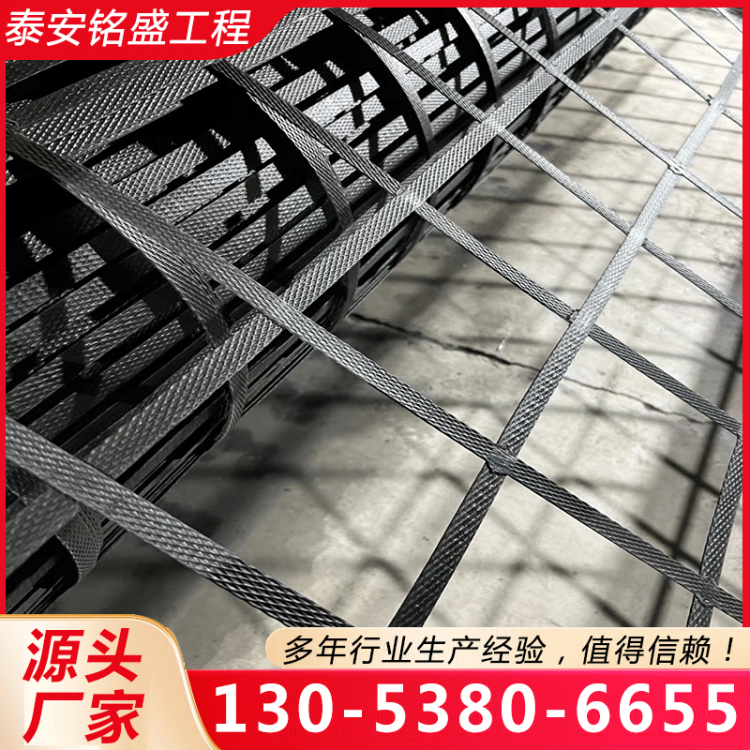
 Steel-plastic geogrid, made from high-strength steel wire (or other fibers) treated specially, compounded with polyethylene (PE), and with other additives, extruded into a composite high-tensile tensile tape with a rough embossed surface, is known as a high-strength reinforced geotextile tape. From this single tape, woven or laid in longitudinal and transverse orientations at certain intervals, and formed by welding the junction points using a special reinforced adhesive welding technique, it becomes a reinforced geogrid.