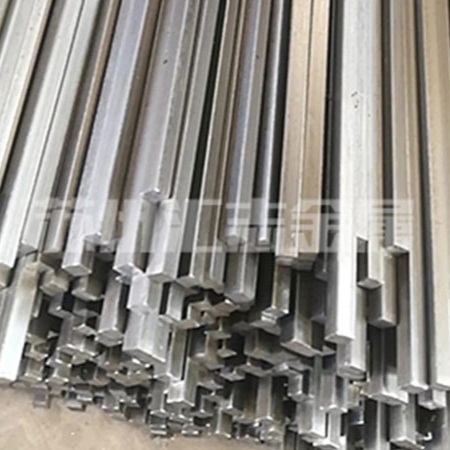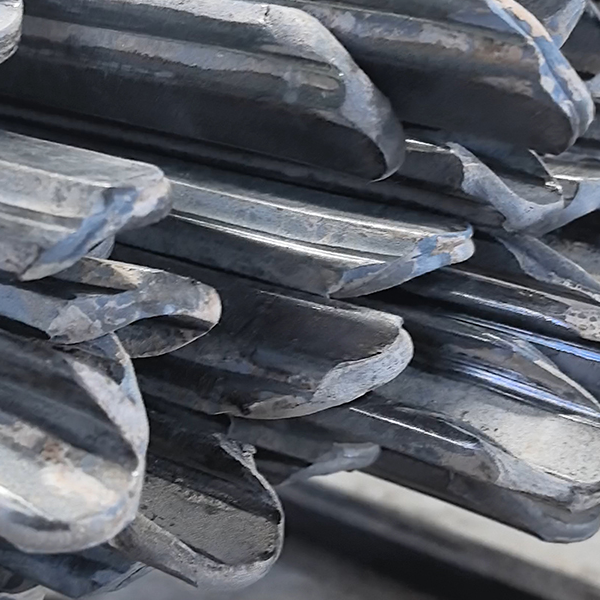
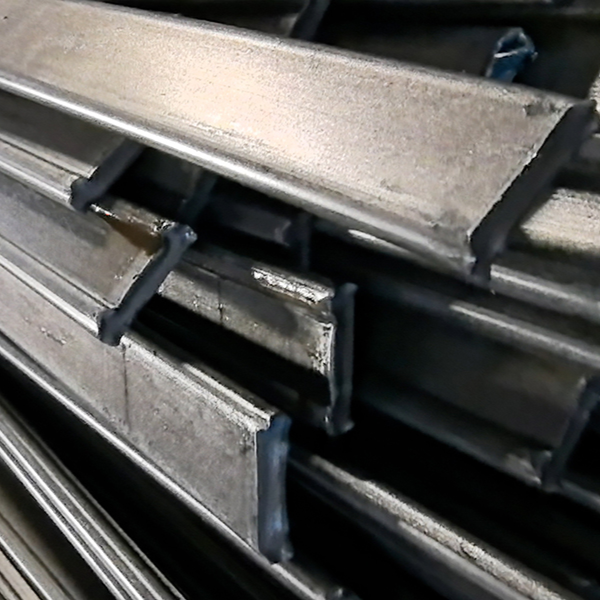
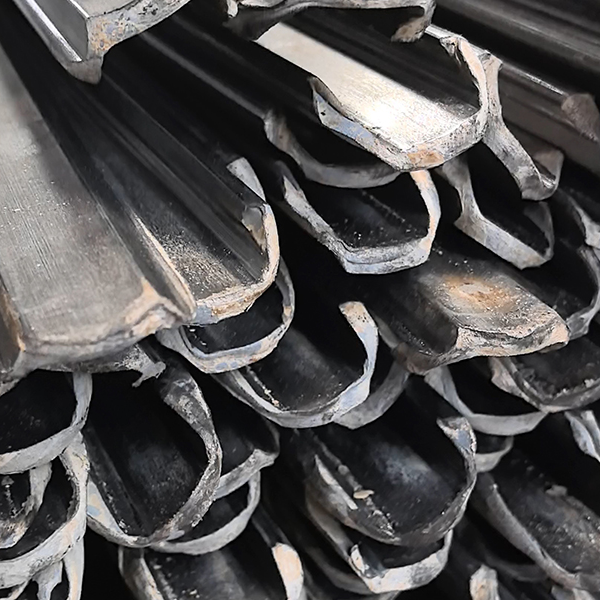







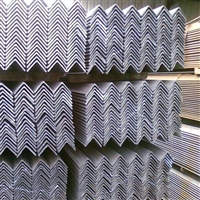
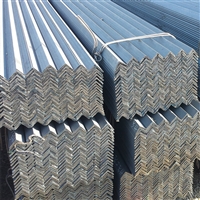
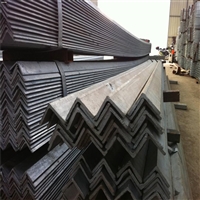
Angle iron, also known as angle steel, is a long strip of steel with two sides that form a right angle to each other. It is divided into equal leg angle and unequal leg angle steel. The two sides of the equal leg angle steel are of equal width. The specifications are indicated by the width x width x thickness in millimeters. For example, "∟30×30×3" indicates an equal leg angle steel with a width of 30 millimeters and a thickness of 3 millimeters. They can also be represented by models, where the model number is the width in centimeters, such as ∟3#. The model number does not indicate the thickness of different sides within the same model, so it is necessary to fill in the width and thickness dimensions of the angle steel on contracts and other documents to avoid using the model number alone. The specifications for hot-rolled equal leg angle steel range from 2# to 20#.
Angle steel's chemical composition belongs to the general structural rolled steel series, with the main inspection indicators being C, Mn, P, and S. Depending on the grade, the content varies, with a general range of C < 0.22%, Mn: 0.30-0.65%, P < 0.060%, S < 0.060%.
The allowable range of geometric shape deviation for angle steel is also specified in the standard. Generally, it includes bending, edge width, edge thickness, apex angle, and theoretical weight, and stipulates that the angle steel must not have significant twisting.
Orders for import/export angle steel are typically based on the specifications required for use, with the steel grade corresponding to the carbon structural steel grade. Angle steel does not have a specific composition or performance series outside of the specification number.