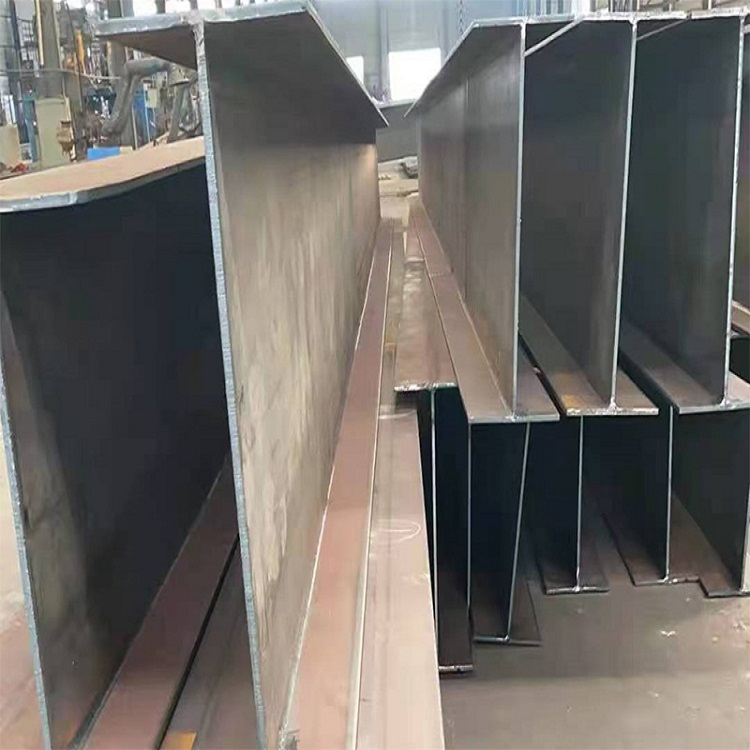
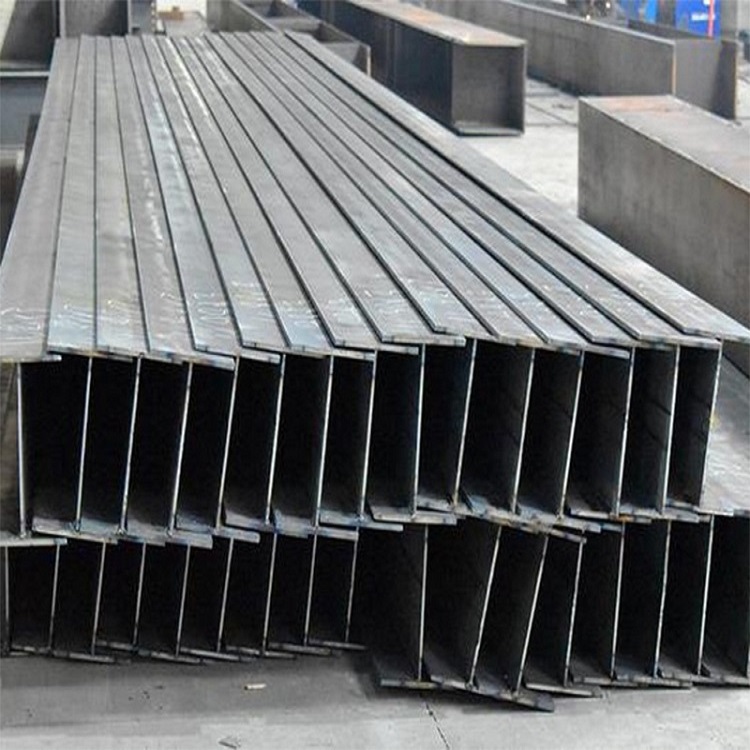
Common materials for welded pipes include: Q235A, Q235C, Q235B, 16Mn, 20#, Q345, L245, L290, X42, X46, X60, X80, 0Cr13, 1Cr17, 00Cr19Ni11, 1Cr18Ni9, 0Cr18Ni11Nb, etc.
Welded steel pipes are made from steel plates or strips, and are categorized into furnace-welded pipes, electric-welded (resistance-welded) pipes, and automatic arc-welded pipes due to their different welding processes. They are further divided into straight seam welded pipes and spiral seam welded pipes based on their welding forms. Additionally, they are classified into round welded pipes and special-shaped (square, flat, etc.) welded pipes according to their end shapes. Welded pipes are categorized into various types based on their materials and applications:
GB/T3091-2008 (Welded Steel Pipe for Low Pressure Fluid Transmission): Primarily used for conveying water, coal gas, air, oil, heating hot water, or steam, among other low-pressure fluids and for various other piping applications. The representative material is Q235A级 steel.
GB/T14291-2006 (Mine Fluid Conveyance Welded Steel Pipe): Primarily used for mine compressed air, drainage, and shaft gas venting straight seam welded steel pipes. The representative materials include Q235A and B-grade steel.
Oxygen Blowing Welded Pipe: Used for steelmaking oxygen blowing, typically made of small-diameter welded steel pipes, available in eight sizes ranging from 3/8 inch to 2 inches. Made from steel strips of grades 08, 10, 15, 20, or Q195-Q235. Some are treated with aluminum alloying to prevent corrosion.
Stainless steel welded pipes are commonly used in heat exchange units due to their unique material properties, making them suitable for heat exchange welding. These pipes are made from stainless steel material, fabricated into tube form through various welding techniques.

Galvanized Steel Pipes: To enhance the corrosion resistance of steel pipes, galvanizing is applied to ordinary steel pipes (black pipes). There are two types of galvanized steel pipes: hot-dip galvanized and electro-galvanized. Hot-dip galvanized pipes have thicker zinc coating, while electro-galvanized pipes are more cost-effective.