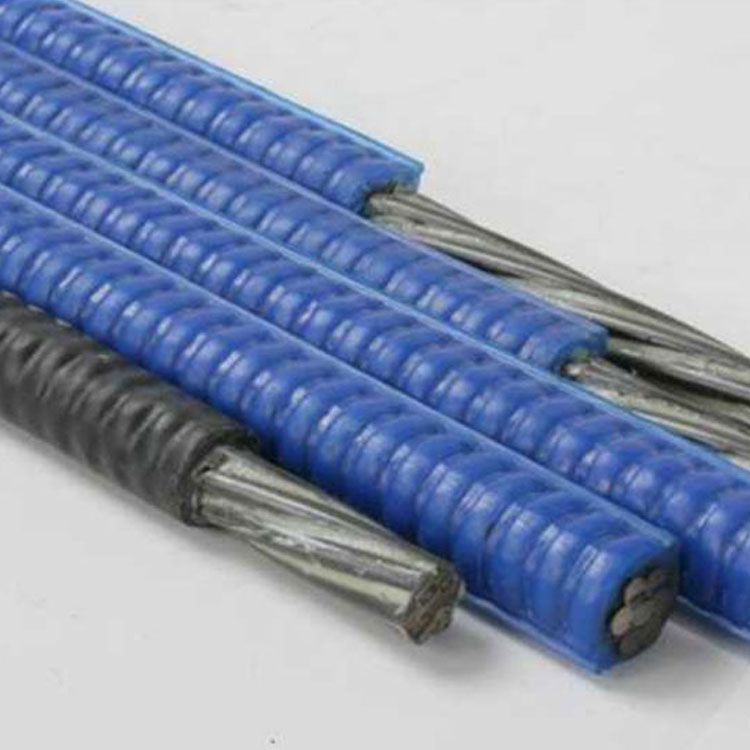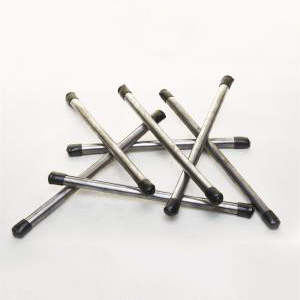









Pre-stressed steel wire strand polymer mortar reinforcement, as an active reinforcement technique, effectively inhibits concrete cracking and addresses issues such as delayed steel strand stress. It outlines the basic characteristics of the current reinforcement technique, the polymer mortar pre-stressed mesh steel, and extensively discusses its applications. It also introduces the current research status of key processes and the issues that must be solved in the construction of reinforcement techniques.
Through performance testing, numerical simulation analysis, and empirical formula calculations for two types of very high-resistance concrete piles—prestressed steel strand and composite yarn prestressed steel strand—we investigated the ultimate axial support capacity, ultimate axial compression deformation, and failure characteristics of the pipe piles. The results indicate that all pipe pile samples were under pressure, with concrete fracturing first, causing the longitudinal reinforcement to bend outward and damage the stirrups. Therefore, attention should be paid to these issues during use.
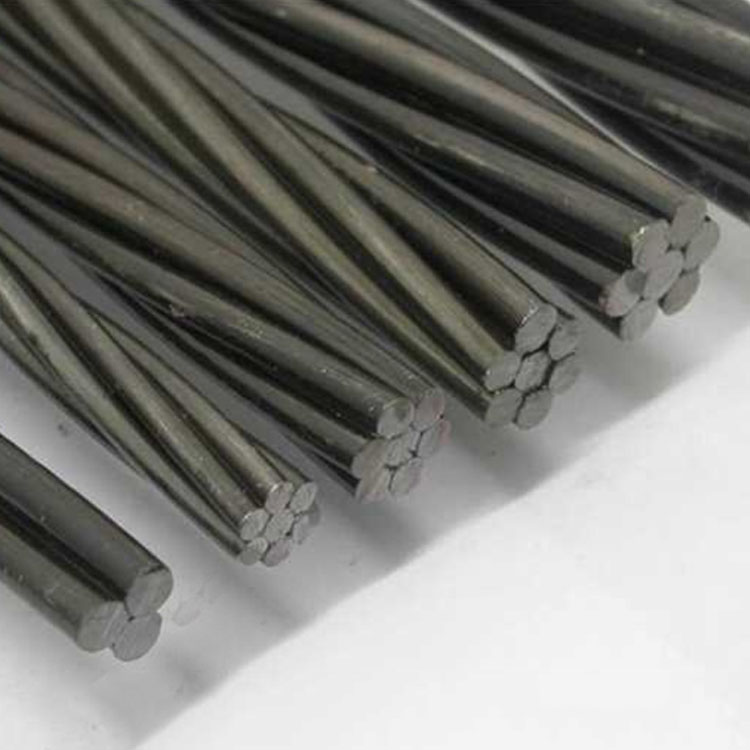
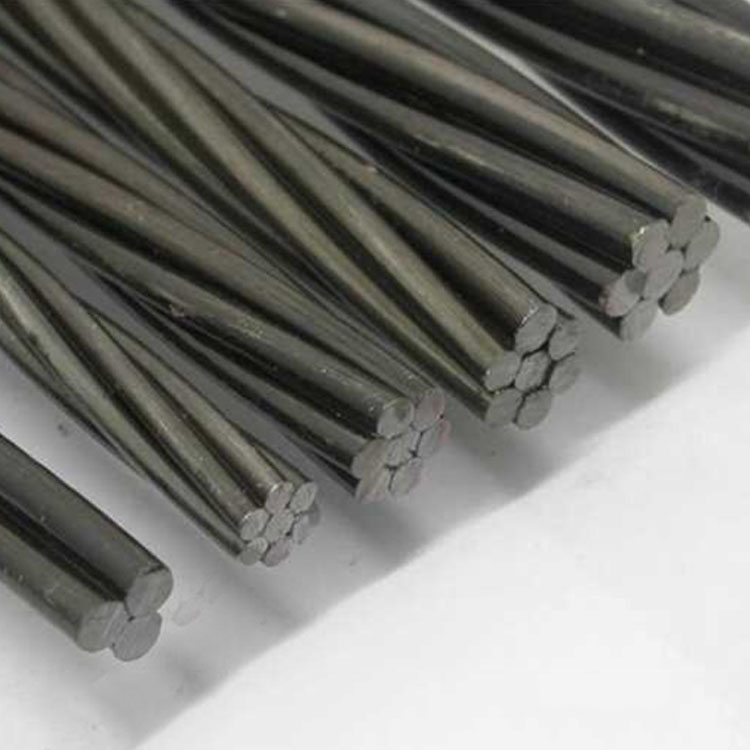
Friends often hear about prestressed steel stranded wire, but they're not aware of its uses or how it's made. Below, we'll clear up any confusion and give you a clearer understanding of what this product is. Typically, such products refer to stranded wires made by twisting钢丝 together.
Due to its construction with钢丝, it is more robust and durable, and performs better in all aspects. In recent years, it has been increasingly adopted by manufacturers. To enhance its effectiveness, the manufacturing process of prestressed steel strand has continuously improved, leading to a richer variety. Choosing based on specific requirements will offer a superior user experience.
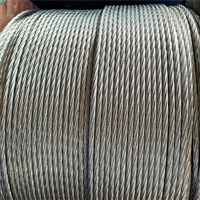
More and more buildings are utilizing pre-stressed steel strand products during construction. We all fear the collapse or instability of high-rise buildings, and this product plays a crucial role in stabilizing structures. Its manufacturing process is unique and has been continuously improving in recent years. Now, many manufacturers' products have been exported overseas, so its usage rate will increase. How can we make it more durable?
It's common knowledge that once prestressed steel strand is in place, maintenance or replacement can be quite a hassle. Therefore, before purchasing, it's crucial to thoroughly understand the product's quality and its corrosion resistance. Only after undergoing proper corrosion protection treatment can the strand be guaranteed against rust and corrosion in the short term. Friends can also clarify this with the manufacturer during the purchase process.
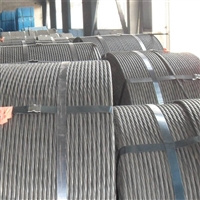
Steel strand classification
1. Categorized by use
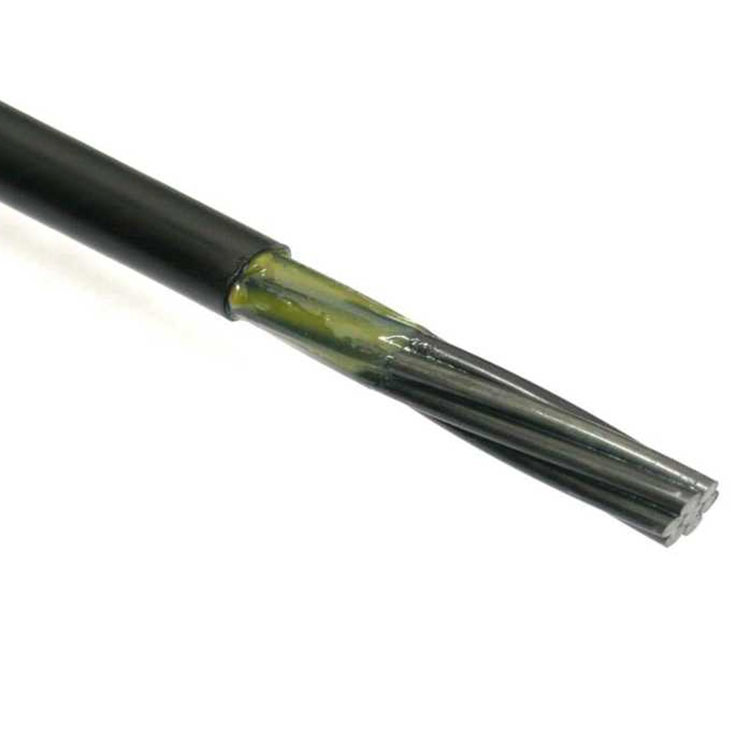
Pre-stressed steel strand, galvanized steel strand for electrical use, and stainless steel strand, among which pre-stressed steel strand coated with anti-corrosion grease or paraffin and then wrapped with HDPE is referred to as unbonded pre-stressed steel strand.Pre-stressed steel strand, also known as nded steel strand, is available in galvanized or galvanized aluminum alloy steel wire.
2. Categorized by material characteristics
Steel wire rope, aluminum-clad steel wire rope, and stainless steel wire rope.
3. By structural classification
Pre-stressed steel strand can be categorized into 7-wire, 2-wire, 3-wire, and 19-wire types, with the 7-wire structure being commonly used.
Galvanized steel stranded wire and aluminum-clad steel stranded wire for electrical use are categorized by the number of wires, such as 2, 3, 7, 19, and 37 structures, with the 7-wire structure being commonly used.
4. By Surface Coating Classification
They can be categorized as (smooth) steel strand, galvanized steel strand, epoxy-coated steel strand, aluminum-clad steel strand, copper-plated steel strand, and sheathed steel strand, etc.