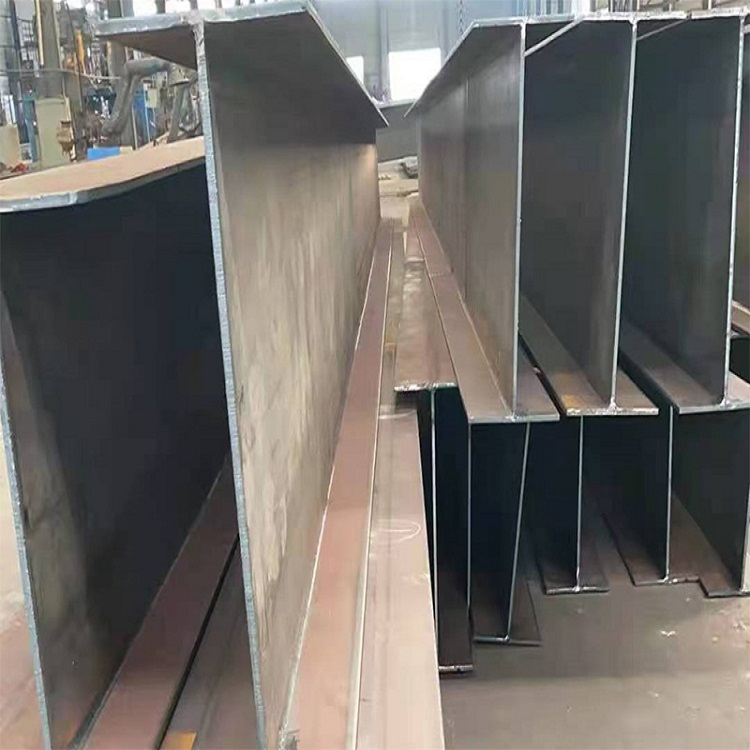
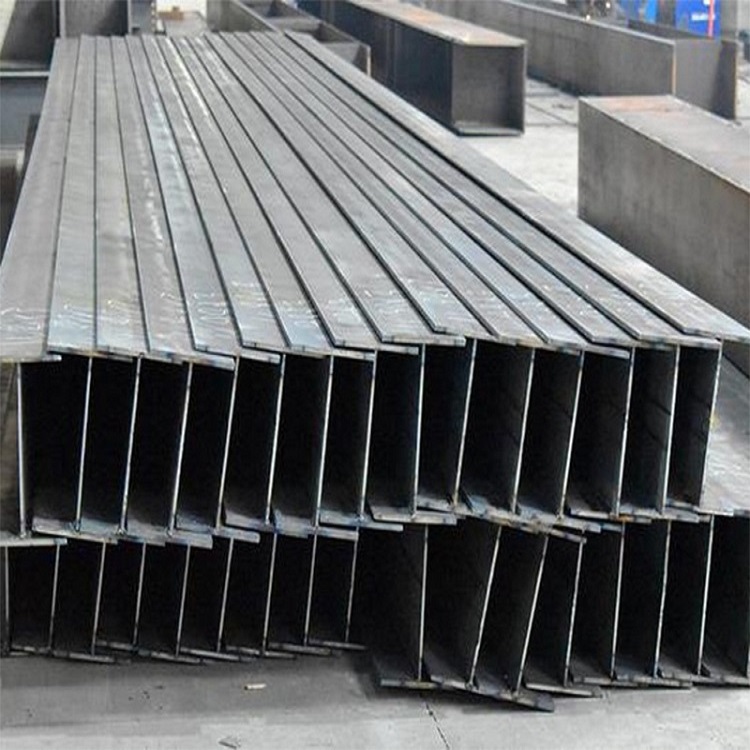
Square tubes are an indispensable material in construction decoration, machinery manufacturing, steel structure projects, and glass curtain walls. They are also commonly used in daily life, such as in security windows and railings. Proper use can yield unexpected effects, particularly in the selection of square tube specifications and sizes, which is a crucial step. This is because it involves safety hazards, such as cases of workers' injuries or deaths due to the failure of protective railings in construction. Therefore, one cannot afford to be casual when choosing square tube specifications and sizes.

Square tubes are an indispensable method of steel usage, commonly employed in steel structures, structural facades, machinery manufacturing, construction materials, shipbuilding, airports, and liquid transportation. Square tubes are categorized into seamless and welded joints, with seamless tubes formed by extruding a无缝 round tube. They are suitable for liquid transmission. Welded square tubes are typically made by welding steel plates and are usually used in steel structures, etc. Malleability refers to the ability of metal materials to resist plastic deformation (deformation) under load without breaking. Hardness is the ability of metal materials to combine hardness and softness; too hard and it becomes brittle, too soft and it lacks malleability. In current square tube testing, the commonly used method is the indentation hardness test, which measures the degree of indentation formed by compressing the square tube. Now, cold-rolled square tubes have reached or even exceeded the level of welded square tubes in terms of corner dimensions, edge angles, and straightness for steel structure projects.

Square Tube Categories:
Galvanized square tubes are categorized into hot-dip galvanized and cold-dip galvanized based on their production processes. It is precisely due to the different processing methods of these two types of galvanized square tubes that they possess many distinct physical and chemical properties. In summary, they differ significantly in terms of strength, toughness, and mechanical properties.
Hot-Dip Galvanized Square Pipe: These are square pipes that are焊接 from steel plates or steel strip coiled and formed, and then placed in a hot-dip galvanizing bath where they undergo a series of chemical reactions to form a new type of square pipe. The production process for hot-dip galvanized square pipes is relatively simple, with high production efficiency, a wide variety of specifications, and requires minimal equipment and capital, making them suitable for small-scale galvanized square pipe manufacturers. However, in terms of strength, these pipes are significantly weaker than seamless square pipes.
Square tubes are hollow, square cross-section, lightweight, thin-walled steel pipes, also known as cold-formed steel shapes. The common material is Q235, which includes grades like BCD. Welded square tubes are based on Q235 hot-rolled or cold-rolled strips or coils, then formed by high-frequency welding. This method is suitable for general square tube requirements. Square tubes with better performance and stronger sealing are usually made from seamless round tubes, cold-rolled. Compared to cold-rolled, there are hot-rolled square tubes, with hot-rolled extra-thick-walled square tubes known for their increased wall thickness. The hardness value is measured according to the degree of hardness testing. Common methods include Brinell hardness (HB), Rockwell hardness (HRA, HRB, HRC), and Vickers hardness (HV). It is well known that metals have fatigue properties, such as repeatedly bending a piece of wire, which can break. Square tubes exhibit this characteristic. The fatigue resistance discussed in terms of strength, ductility, and hardness are indicators of the metal's mechanical properties under static loads. In reality, solar power generation supports, steel structure projects, and many machine parts operate under cyclic loads. After a certain period of use, they are inspected, and in this case, parts may fatigue. Therefore, regular safety checks are still necessary.