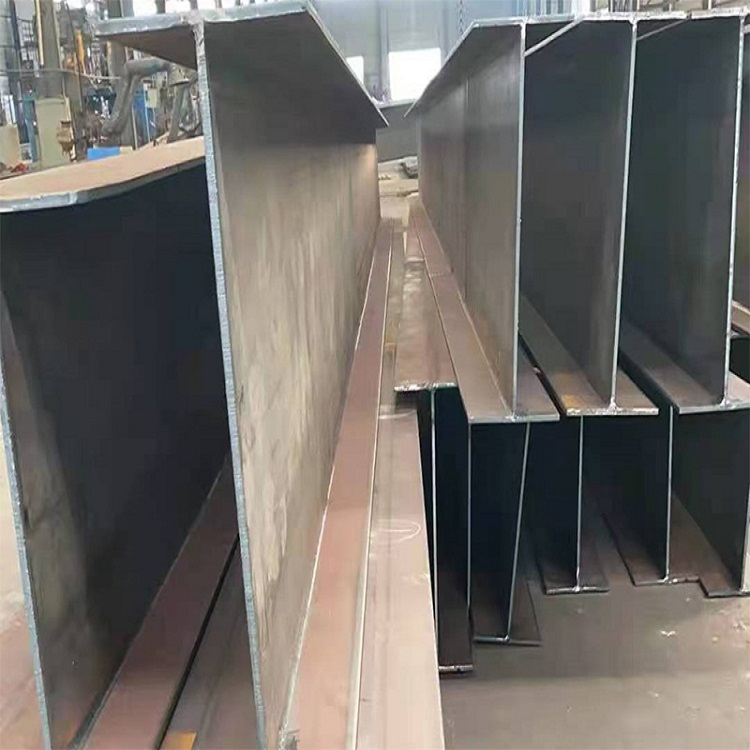
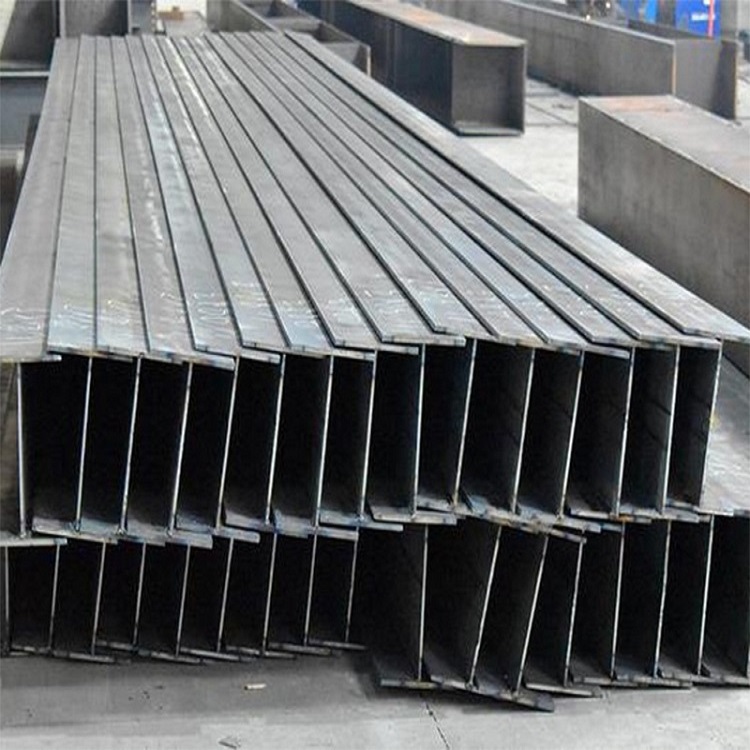
As the area of greenhouse cultivation in our country expands, it implies an increase in the number of greenhouses. To ensure a long lifespan for the greenhouse, the quality of the main material, the greenhouse steel pipes, must be top-notch.
1. Welded Pipe: Made from steel plates or strips, it undergoes rolling and shaping before being welded together. Its main advantages include:
The production process is relatively simple, with high efficiency and a variety of specifications. However, it does not match the lifespan of galvanized pipes.
2. Hot-Dip Galvanized Steel Pipe: The hot galvanizing process takes place in a hot dip galvanizing tank, resulting in an even coating and strong adhesion, which ensures long-term use. Additionally, it boasts excellent corrosion resistance.
3. Galvanized Steel Strip Pipe: It is derived from the previous type with adjustments, priced lower than hot-dipped galvanized steel pipe, but with inferior corrosion resistance.
The differences between hot-dip galvanized steel pipes and galvanized strip steel pipes are as follows:
Difference One: Their colors, lifespan, performance, and prices are entirely different; do not confuse them.
Difference two: Hot-dip galvanized steel pipes may have some surface defects, such as snowflake patterns or zinc at the ends, while galvanized strip steel pipes do not.

With the advancement of the times and the development of technology, we all know that the application of greenhouse pipes has become increasingly widespread. The fields where greenhouse pipes are used are also quite diverse. When using deep loosening machinery on the plots, combining autumn ridging operations with deep loosening at the base of the ridges yields even better results. Repeating the deep loosening at the base of the ridges on plots that have already been deeply loosened can help to loosen the subsoil layer due to seasonal reasons, which is beneficial for the development of plant root systems and allows them to fully absorb nutrients and moisture from the subsoil.
Due to the flat turning and deep loosening of greenhouse pipes, the soil becomes fine, the ridges are high, the light coverage area is large, and the ground temperature rises quickly, which allows for early sowing at an appropriate time, creating favorable conditions for uniform, even, and robust seedling growth.
Inspected parts must be kept clean, and assembly should ideally be done indoors. Do not use a hammer to directly strike the surface of the parts during assembly. Use steel bars or hard wood bars to support large pipe sections.
During the assembly of pump tubes in greenhouses, check as you install; the pump shaft should rotate smoothly without any sticking. When installing the impeller, pay attention to securing the lock washers on the shaft end; the impeller should rotate with the shaft smoothly without any sticking or rubbing noises. Apply lubricating grease to the bearings and install dust caps; place a paper gasket of appropriate thickness between the two connecting parts, ensuring even bolt tightening; fill the packing into the oil-soaked grommet or asbestos rope, without over-tightening; the amount should be determined based on usage; during operation, a dripping rate of 30 to 50 drops per minute at the filling point is allowed. Additionally, match the belt pulley according to the pump label's specified speed and the speed of the driving mechanical equipment; do not arbitrarily increase the pump speed.
Galvanized greenhouse pipe has a vast market scope, particularly with a significant demand in the construction industry. Over the past decade, the real estate construction and development has been at its peak, leading to robust growth for pipe manufacturing companies. As the competition in the pipe market intensifies, domestic pipe manufacturers can no longer rely solely on the price and specification advantages of welded steel pipes to achieve success. Observing the sales of welded square pipes, the current market for pipes is highly dynamic. Let's take a comprehensive look at the overall analysis of the development of the pipe market.
Firstly, the market demand for pipe materials is trending towards a more sophisticated direction, with customers' requirements for pipe products increasing, necessitating high-quality materials. For pipe material companies, it is crucial to continuously improve the quality of their products to meet market demands and satisfy customer needs. In comparison to issues related to the names and uses of steel pipes, the fundamental focus for pipe material companies is to enhance product quality and conquer customers through excellence. Strengthening in areas such as raw material selection, production technology advancement, and process optimization is essential. Approaching quality improvement from multiple angles will help win a broader market.
Secondly, the factors affecting market competition are diversified, not just price-related impacts, but also issues like environmental requirements affecting galvanized steel pipe prices. Market development is diverse, posing more challenges to businesses. To thrive in the market, one must adapt to market conditions, identify weaknesses, and then work on improvements. For instance, environmental requirements impose certain standards on production, so manufacturers must inspect their processes for environmental pollution and address it promptly to win over customers. The market is dynamic and ever-evolving; with the continuous update of people's ideas and thoughts, there will be more new requirements in the future. For pipe material companies, the ability to cope with such situations and adapt to market development is crucial to gain a favorable position in the market.
Following that, the diversified development of the market requires enterprises to enhance their adaptability, such as promptly identifying factors affecting the price fluctuations of welding steel pipes and finding corresponding countermeasures. For pipe material companies, market changes often have certain signs. By analyzing the overall market development and its patterns, companies can make informed judgments and decisions, ensuring their development remains unbeatable. With the intense market competition today, any delay in response may lead to missed opportunities for growth, hence the need to improve adaptability.
The greenhouse pipe market has seen a slight decrease in the bottom-end transaction prices.
Currently, the demand for downstream greenhouse pipes remains low, with end-users showing little enthusiasm for purchasing. They typically buy as needed without stockpiling. Intermediaries are more inclined to inquire about prices than to make actual purchases, often leading to repeated price comparisons for a single purchase. However, the market has a limited supply of new resources, with most merchants having low inventory. Some merchants with a more abundant supply due to a full range of specifications find it slightly easier to sell. As for the future market, merchants are mostly cautious and observing, with market prices temporarily stable. It is predicted that the price trend of medium and thick plates in key cities across the country will continue to be in a state of consolidation and observation in the near term.