








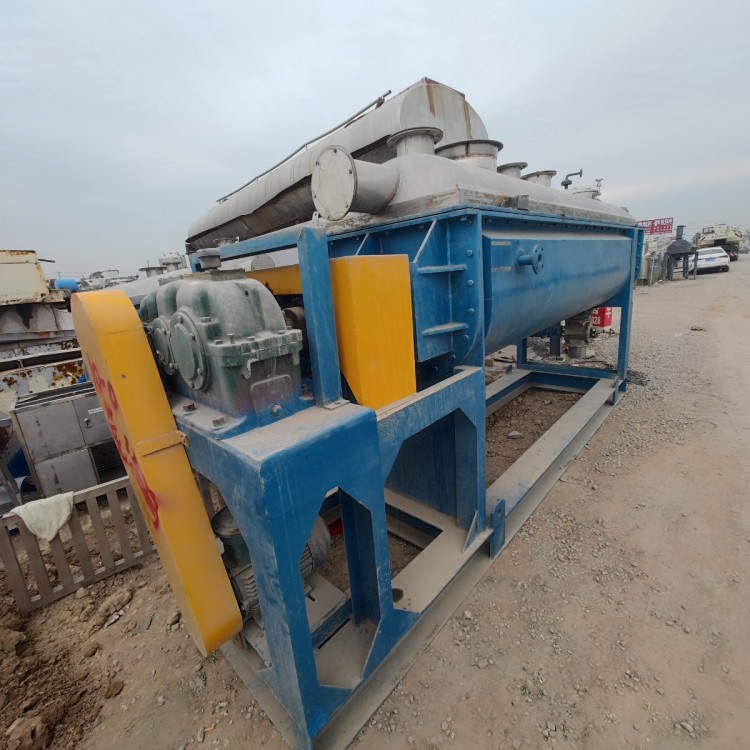
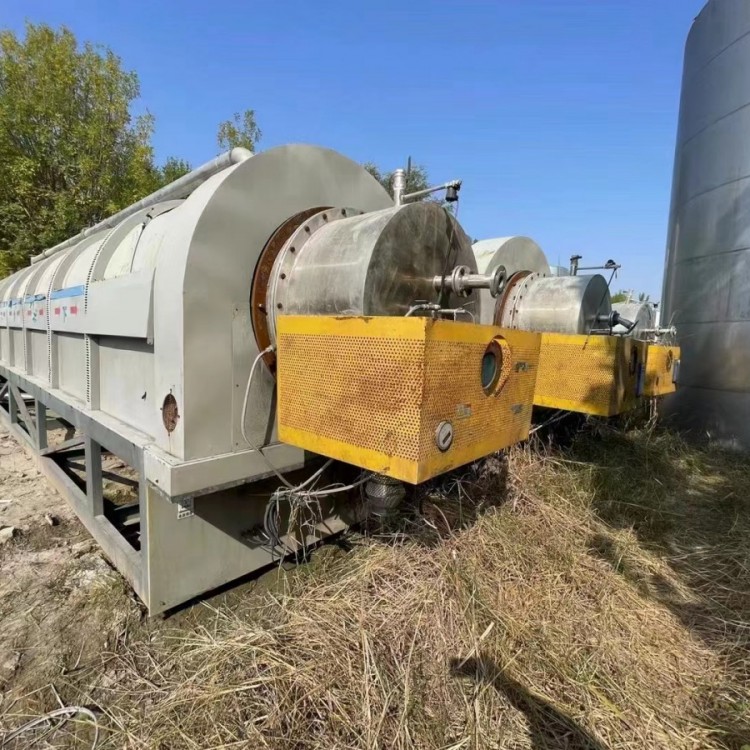
Rotary Kiln Working Principle and Features
Equipment Features
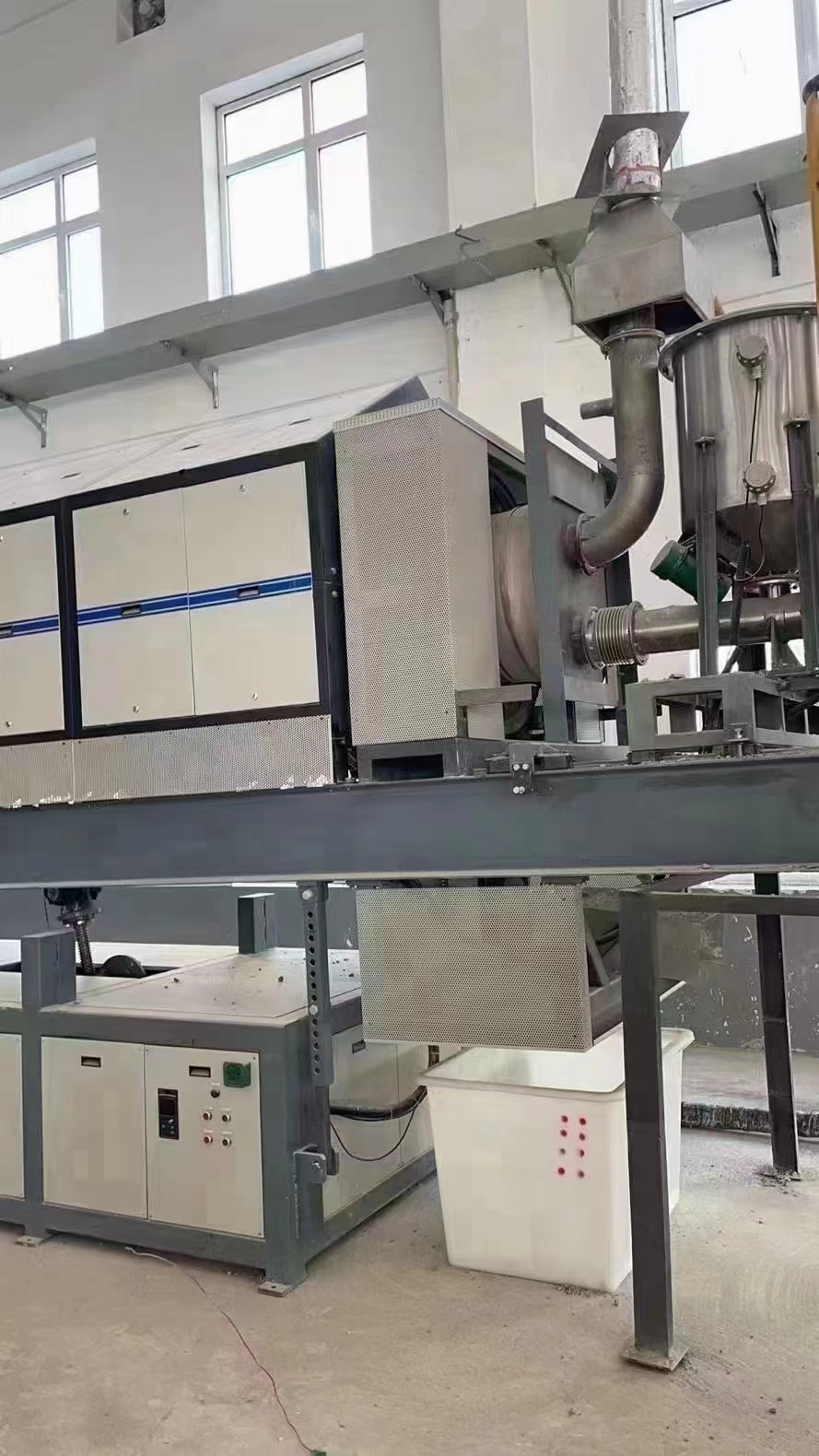
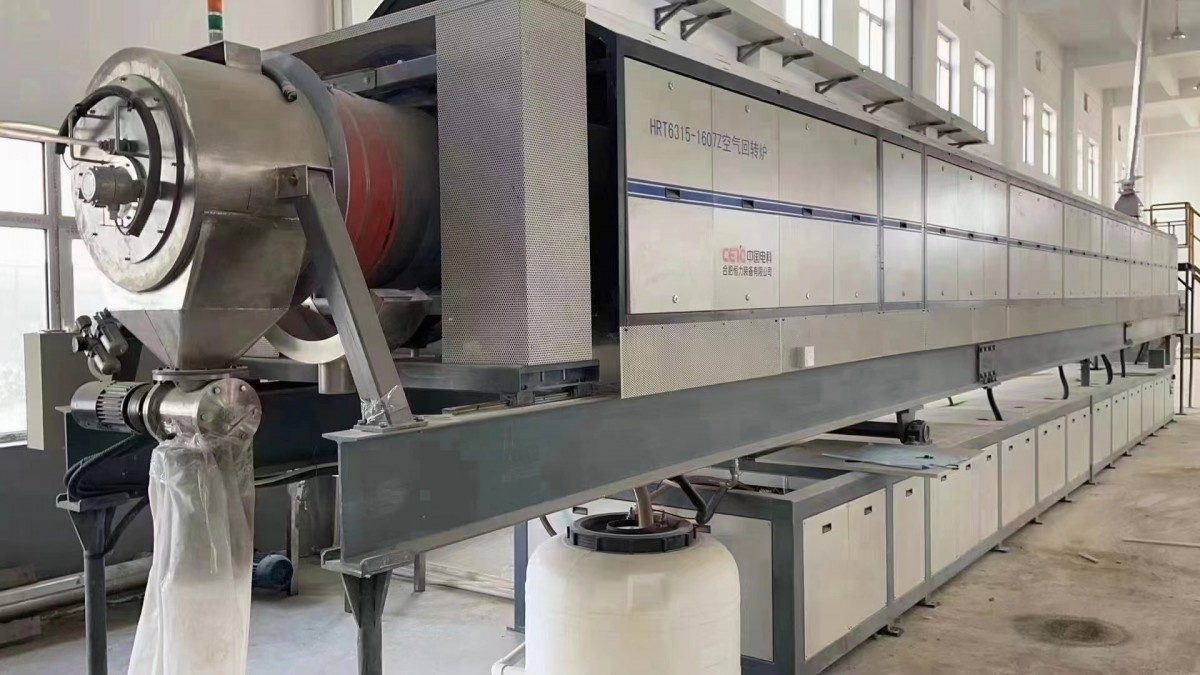
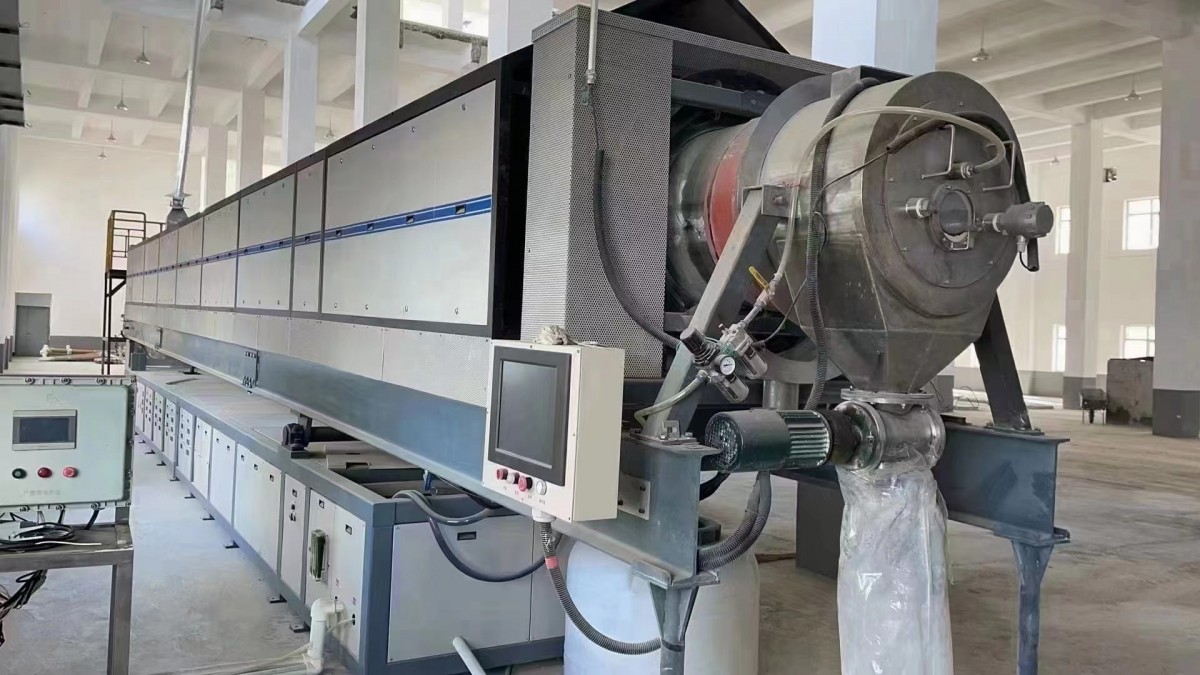
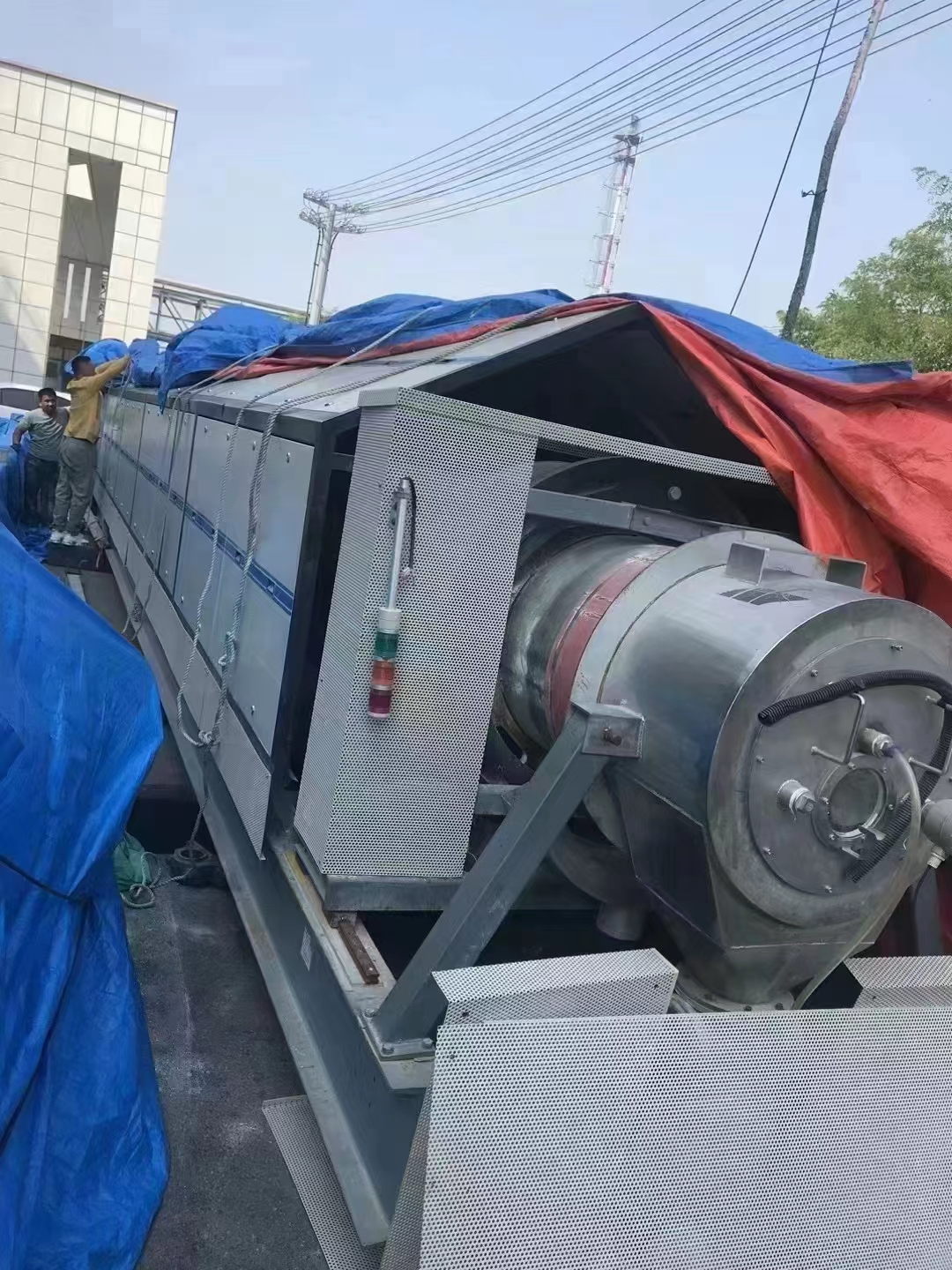
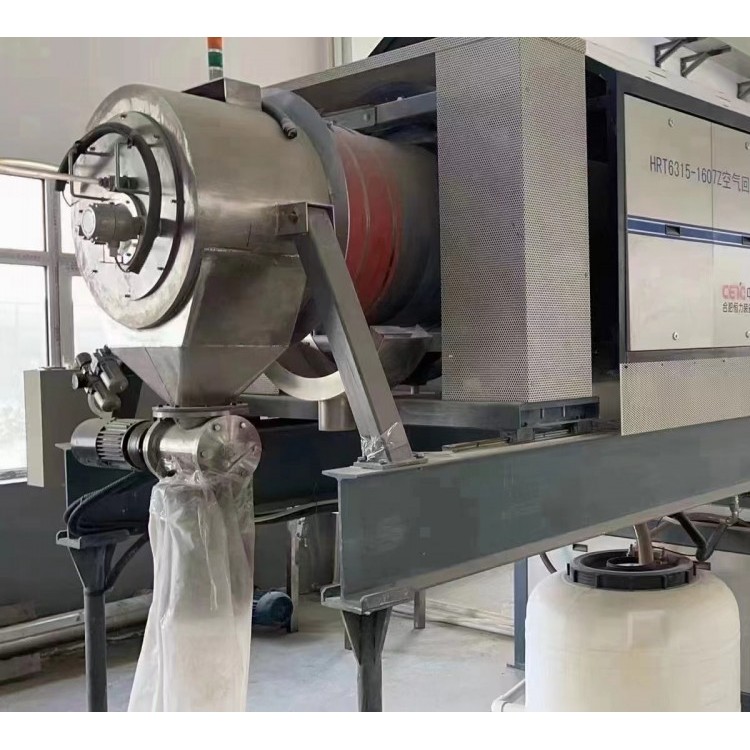
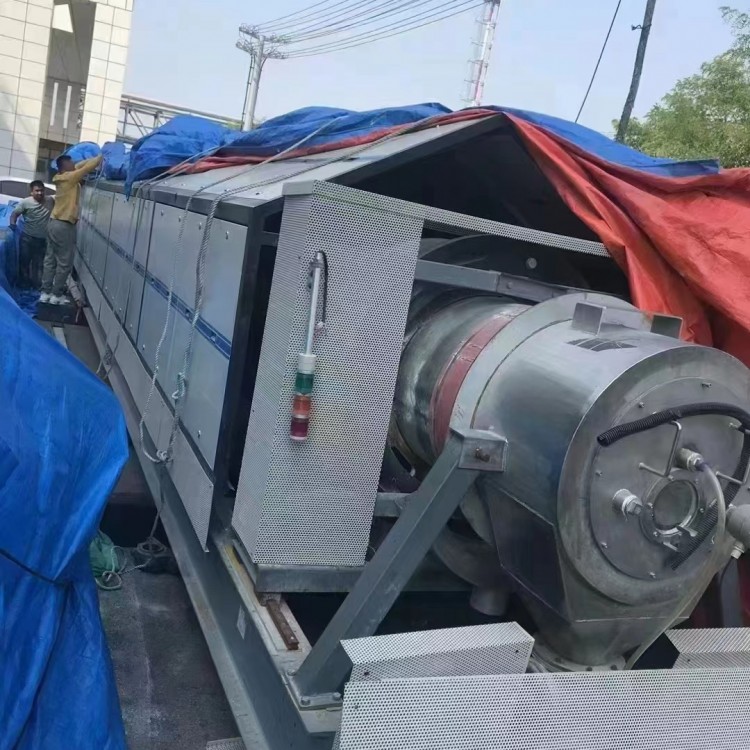
1. The equipment features certain sealing capabilities, enabling the control of the furnace atmosphere within a specific range without allowing smoke, dust, or steam to disperse into the workshop. 2. All refractory and insulating materials are selected from alumina silicate cast fiber vacuum infusion modules and lightweight alumina silicate fiber blankets, offering high thermal efficiency, lightweight, thinness, energy saving, and easy construction. This results in the furnace's power consumption being significantly lower than that of other similar products, greatly reducing production costs. 3. The furnace's rotating tube is made of Tisco 310S stainless steel material, which comes into contact with the material, significantly reducing the degree of magnetic contamination. The tube does not fall off or degrade. 4. Materials move in a spiral line within the isothermal zone at 600-650°C, avoiding the issues of material sequence being too long or too short that are typically found in conventional converters. The cooling zone uses a rotating scraper structure for fast heat dissipation and thorough cooling. 5. A custom-designed, fully humanized design with equipment exterior powder coating, complemented by safety protection housing with造型 design, features humanized indicator labels and warning instructions, ensuring the entire processing and manufacturing precision as well as the exterior finish of the equipment meet or exceed the level of imported equipment.
Operating Principle
Materials requiring combustion treatment are evenly fed into the kiln drum from the kiln head hopper through a feeding mechanism. Driven by the transmission device, the materials advance along the drum's axial direction as the drum rotates, with the scraper flipping the materials to ensure even calcination. A heating chamber is located on the outer side of the drum. The heat generated from calcination is transferred to the materials through the drum, causing them to decompose, dry, calcine, and roast at high temperatures. The calcined materials are discharged through a discharge valve and then cooled and packaged for use.