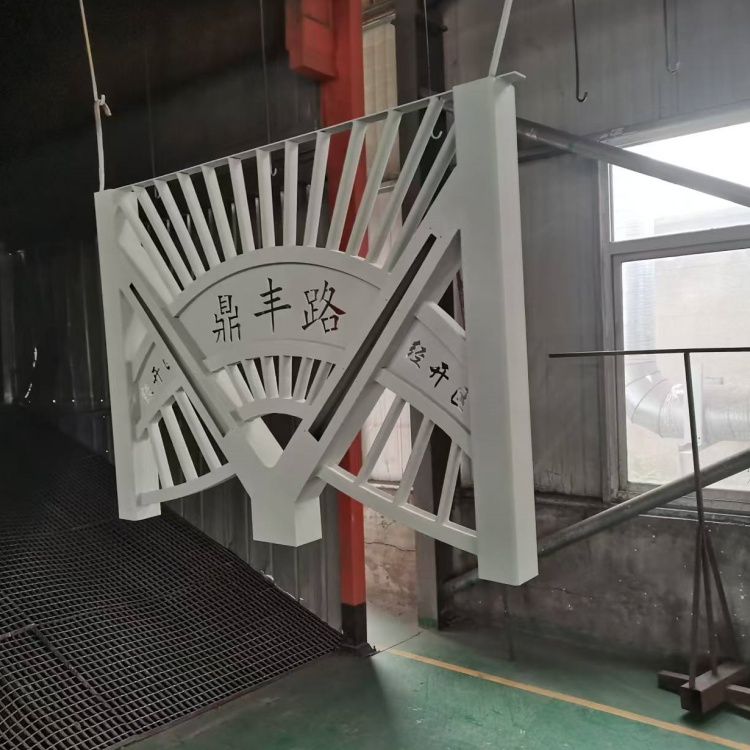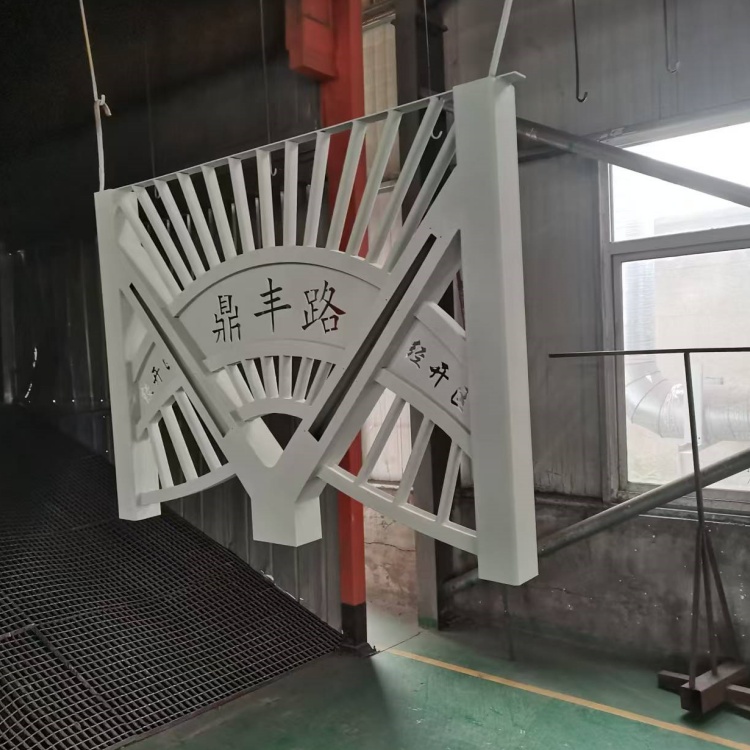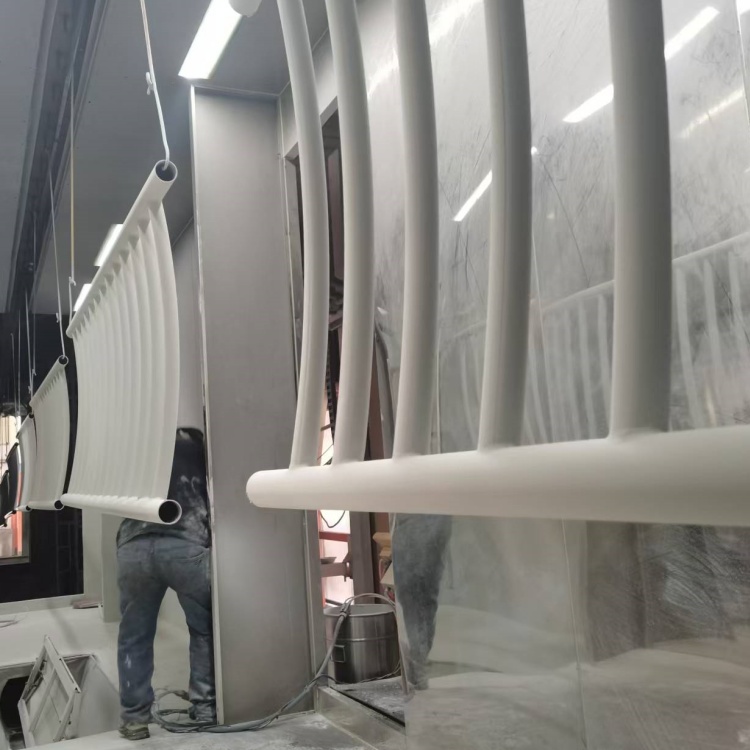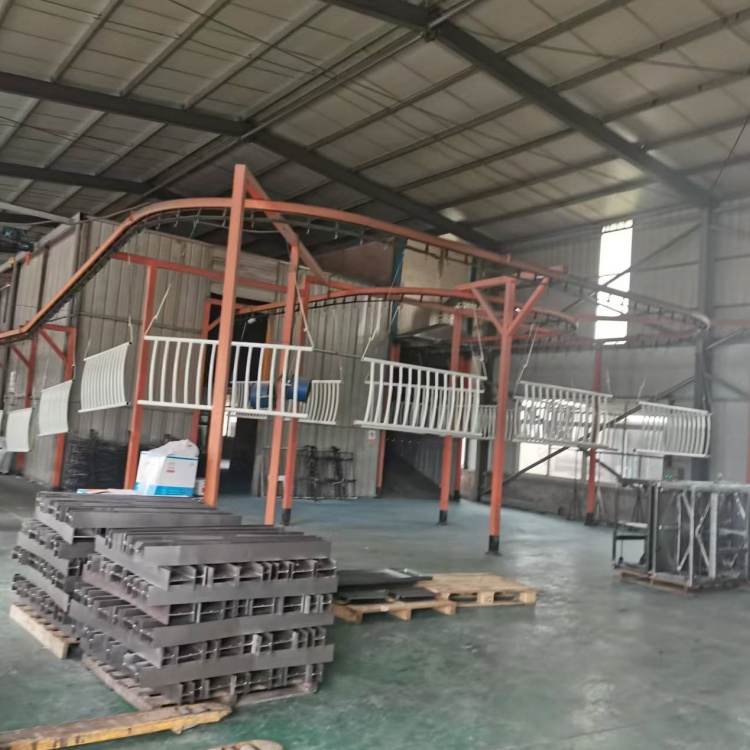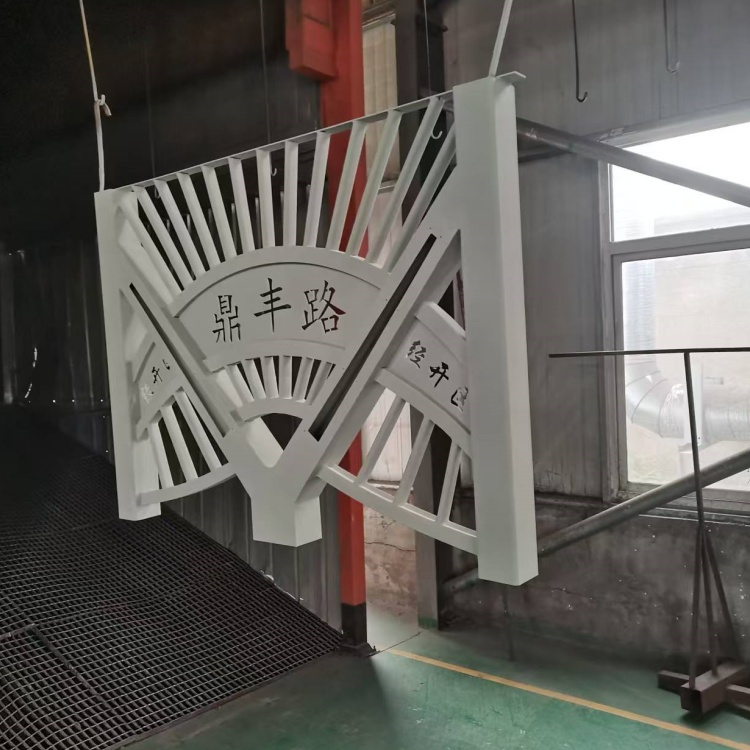
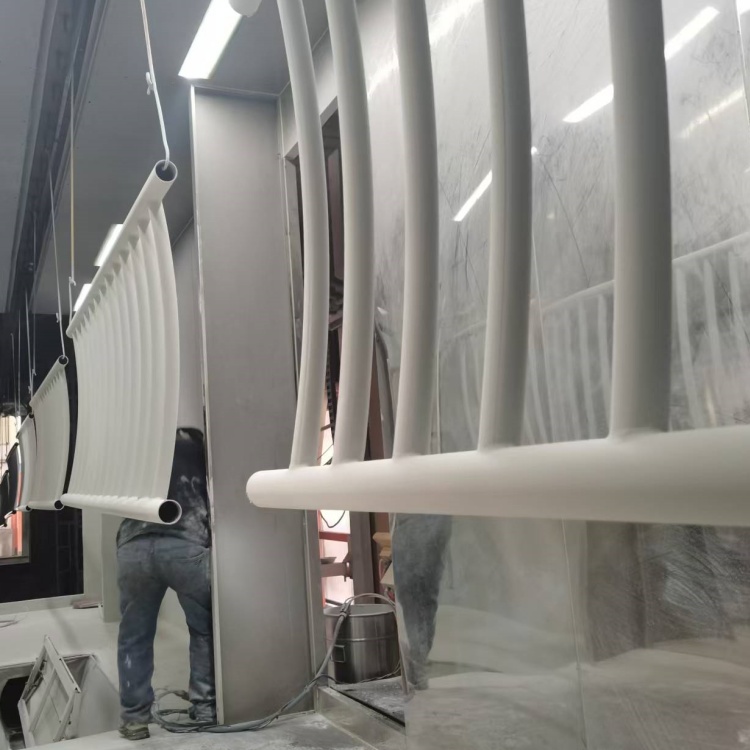
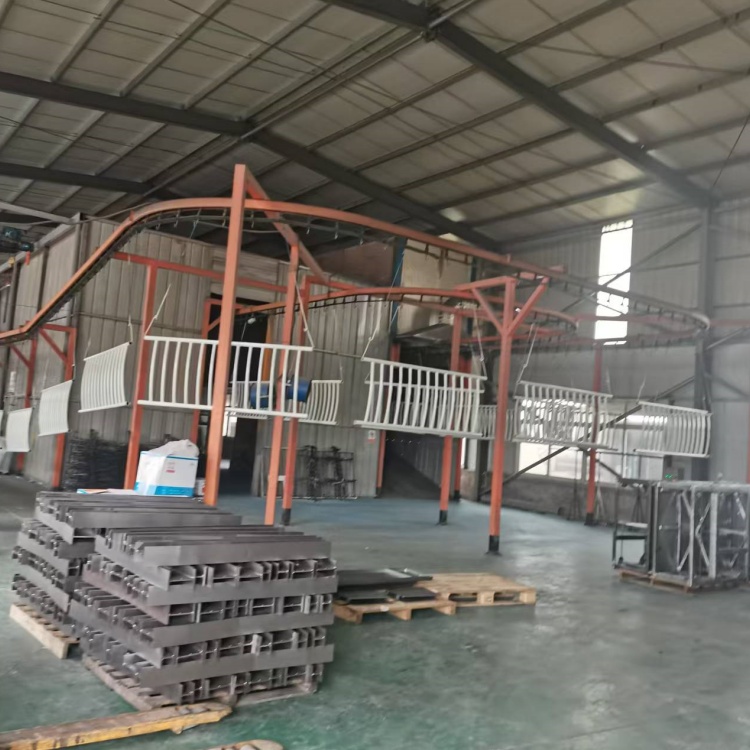











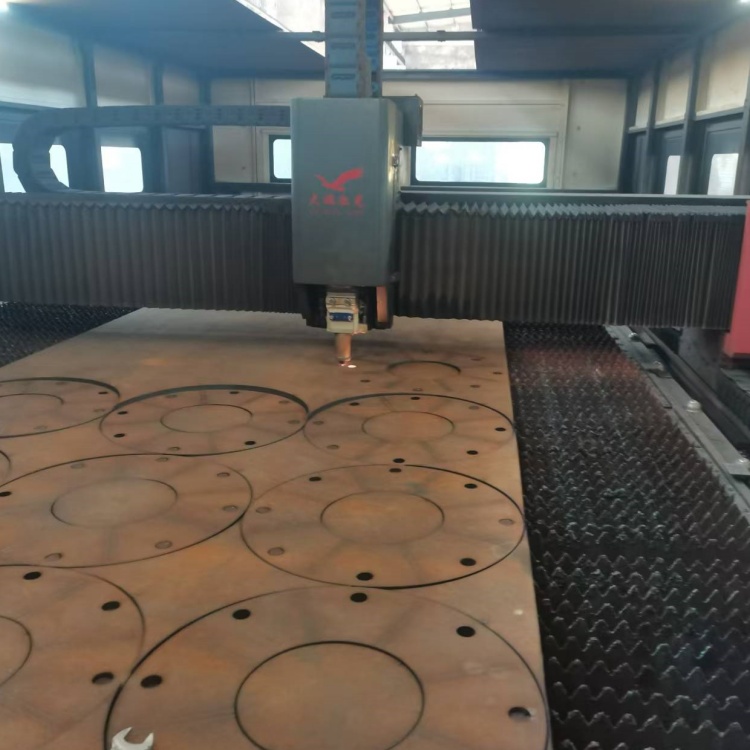
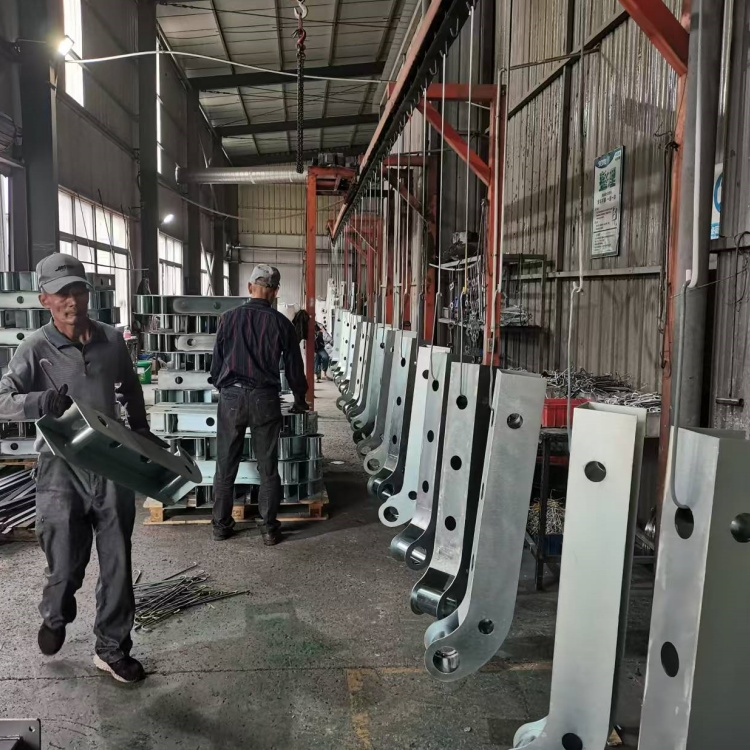
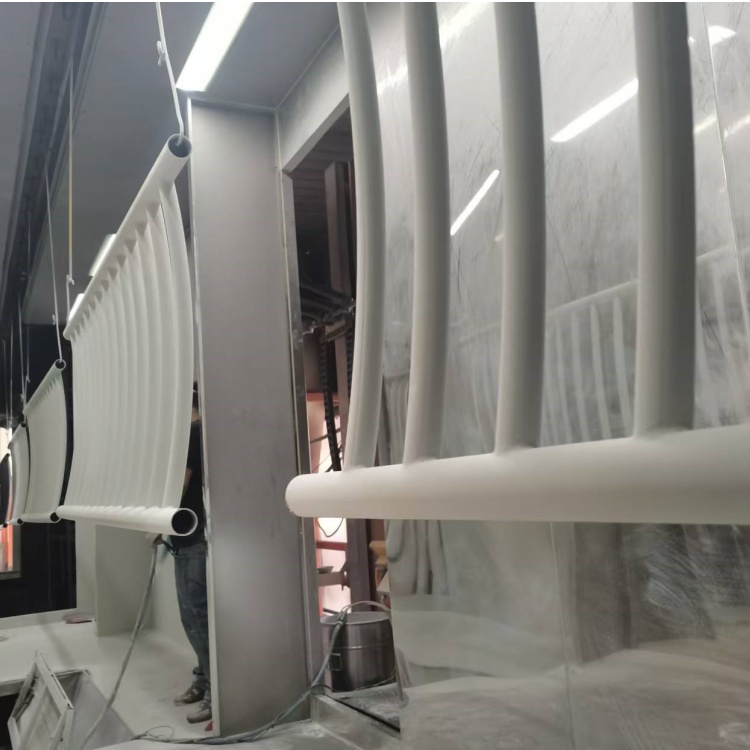
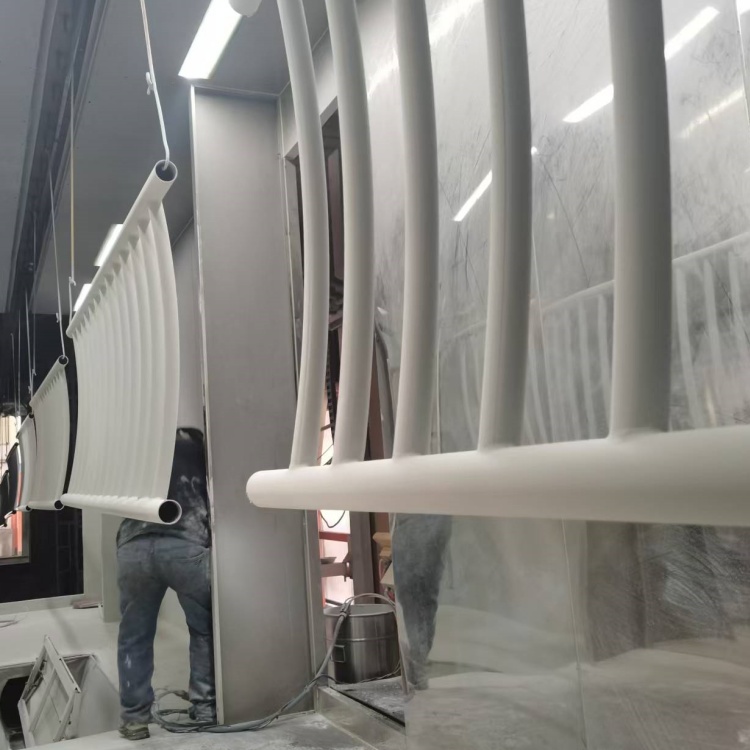
Sheet metal painting, a common surface treatment process, is mainly used to enhance the aesthetics and protective properties of sheet metal products. Here is a detailed analysis of sheet metal painting:
Section 1: Definition of Sheet Metal Coating
Sheet metal painting is, in short, the process of evenly applying paint to the surface of sheet metal products for purposes such as beautification, corrosion resistance, and wear resistance. It is widely used in various fields including automotive, home appliances, construction, and machinery.
Section II: Sheet Metal Painting Process
The process of metal spraying typically includes the following steps:
Surface PreparationFirstly, a thorough cleaning of the sheet metal products is required to remove surface oils, rust, old paint, and other impurities to ensure that the coating can adhere firmly to the sheet metal surface. This step often involves the use of sandpaper, sandblasting machines, or chemical cleaning agents, among other tools and methods.
Primer coatingOnce the surface preparation is complete, priming is required. The primary function of the primer is to provide excellent adhesion and corrosion protection, laying a solid foundation for subsequent coatings. The choice of primer should be based on specific requirements and the coating system to ensure compatibility with the sheet metal material and the topcoat.
Sandblasting treatmentAfter the undercoat dries, sanding is required. This step smooths the surface, removes unevenness, bubbles, and blemishes, resulting in a more even and glossy finish.
Spray PaintAfter sanding is completed, the surface paint can be applied. The surface paint is the coating that determines the appearance and color, and it needs to be evenly sprayed onto the sheet metal surface. Multi-layer spraying can be done as required, with adequate drying time between each layer.
Dry and cureAfter painting, the sheet metal products should be placed in a well-ventilated dry room or oven to allow the paint film to dry and cure. The drying and curing time and temperature should be determined based on the type of paint used and the manufacturer's recommendations.
Polishing and trimmingAfter drying and curing, polishing and trimming are usually required. This step further enhances the smoothness and luster of the surface, making the sheet metal products more aesthetically pleasing.
Section 3: Applications of Sheet Metal Coating
The application of metal spraying is very extensive, covering the following aspects mainly:
Automotive IndustryIn automotive manufacturing, sheet metal painting is widely used for surface treatment on components like the body, door panels, and hood. By applying paint in different colors, it enhances the car's appearance and improves its overall corrosion resistance.
Appliance IndustryIn household appliances such as refrigerators, washing machines, and air conditioners, sheet metal painting is widely used. By applying paints of various colors or coatings with special effects, appliances can be made more fashionable and aesthetically pleasing.
Construction IndustryIn the construction industry, metal sheet coating is used for the surface treatment of materials like metal doors, windows, and curtain walls. Applying anti-corrosion or decorative coatings can enhance the materials' corrosion resistance and aesthetics.
Machinery manufacturingIn the mechanical manufacturing industry, sheet metal painting is used for surface treatment of various mechanical equipment. By applying wear-resistant and corrosion-resistant coatings, the lifespan of mechanical equipment can be extended, and maintenance costs reduced.
Section 4: Precautions for Sheet Metal Coating
When performing metal spraying, pay attention to the following aspects:
Choose the right paintSelect appropriate coatings based on the material, application, and finishing requirements of sheet metal products. Different coatings have varying performance characteristics and application ranges, so a careful selection is necessary.
Control Coating EnvironmentThe painting environment significantly affects the quality of sheet metal coating. It is essential to ensure the painting environment is clean, well-ventilated, and maintains appropriate temperature and humidity conditions.
Master the proper spraying techniquesSpray techniques greatly affect the quality of sheet metal painting. It's essential to master the correct spray angle, speed, and distance, ensuring the paint is evenly applied to the sheet metal surface.
Note safety and environmental protectionWhen performing metal sheet painting, safety and environmental protection issues must be addressed. Protective gear, such as masks and gloves, should be worn to minimize harm to the body. Additionally, compliance with environmental regulations is required, ensuring proper disposal of pollutants like waste gases and wastewater.
In summary, metal sheet painting, as an important surface treatment process, is widely used in various fields. By mastering the correct painting process and precautions, it ensures that metal sheet products have an excellent appearance and performance.