











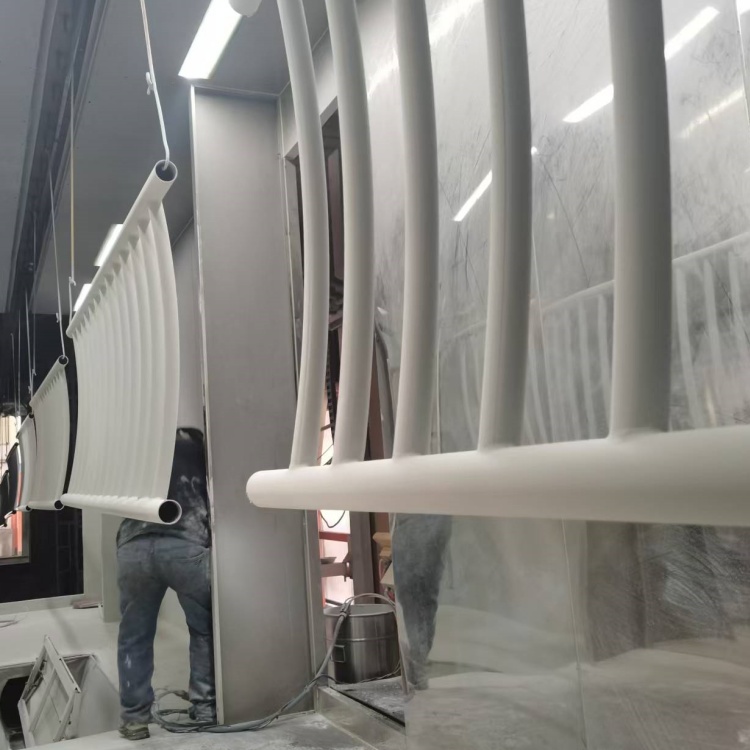
Sheet metal processing is a technique for manufacturing and treating metal sheets, widely used in various fields such as construction, automotive, electronics, and furniture. Below is a detailed explanation of sheet metal processing:
I. Definition and Overview
Sheet metal processing involves a series of operations such as cutting, bending, stamping, and welding on metal sheets to create metal products with specific shapes, dimensions, and performance requirements. During this process, technicians must master various process parameters and equipment operation methods to ensure precision and product quality.Section II: Main Process
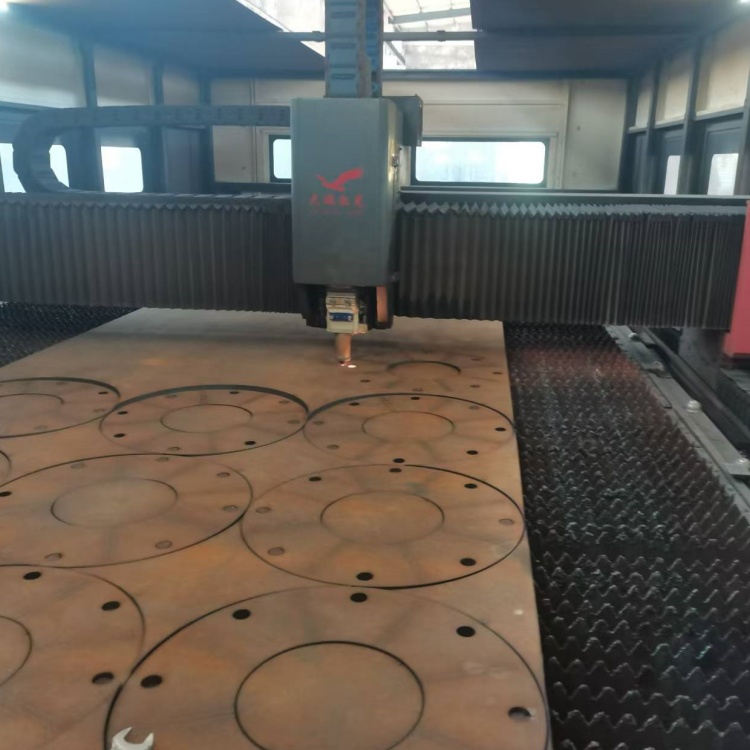
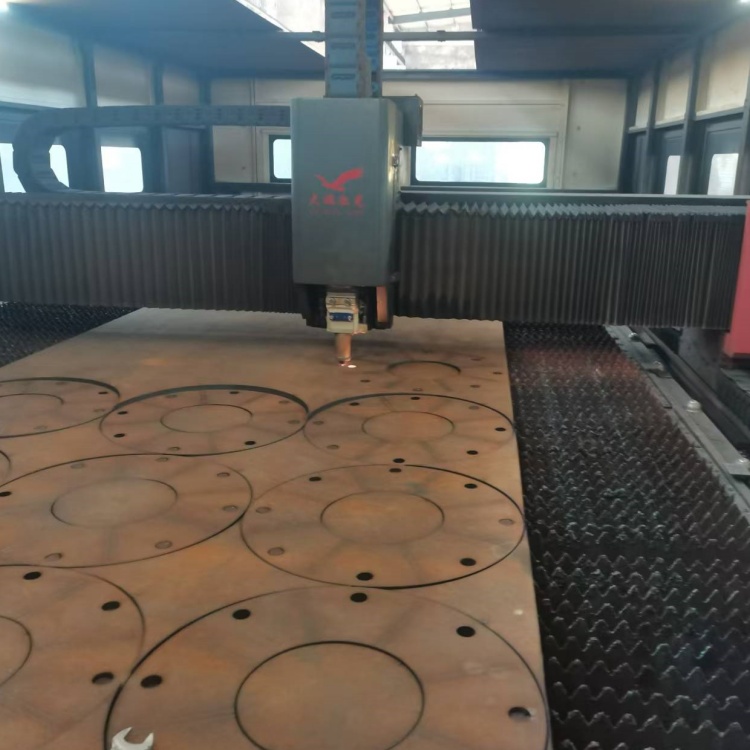
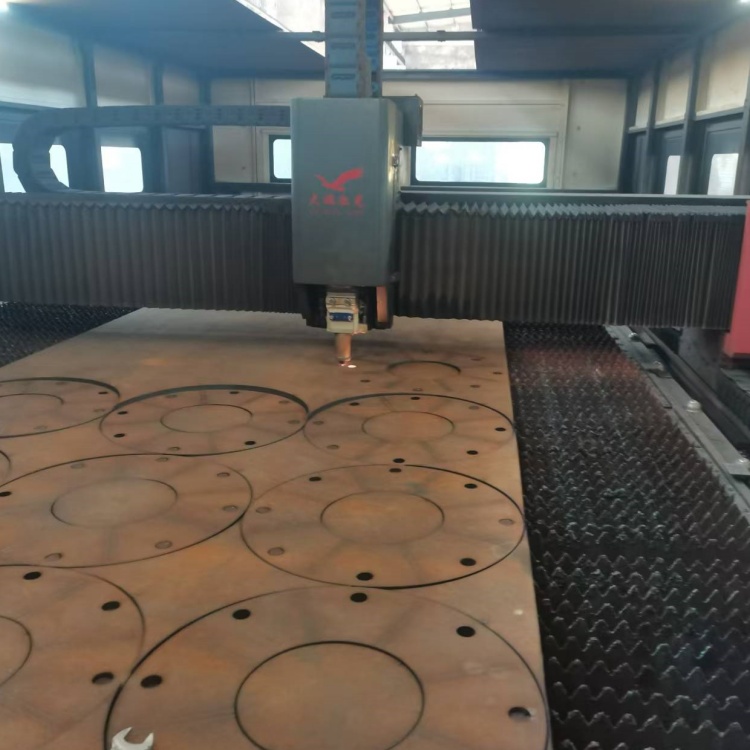
Cutting TechniqueCut raw materials into the required shapes and sizes, including mechanical shearing, laser shearing, and plasma shearing, among various methods.
Stamping processUsing stamping machines and molds to form raw materials into the required shapes and sizes. The stamping process offers advantages such as high production efficiency, low costs, and high material utilization rates.
Bending ProcessBend sheet metal materials to predetermined angles and shapes to form the required product structure. The bending process can be achieved through various methods, such as mechanical bending and hydraulic bending.
Welding TechnologyWeld two or more metal parts by melting their contacting surfaces and then cooling and solidifying them into a single unit. Welding techniques are commonly used in sheet metal fabrication to join multiple sheet metal pieces to form a complete product.
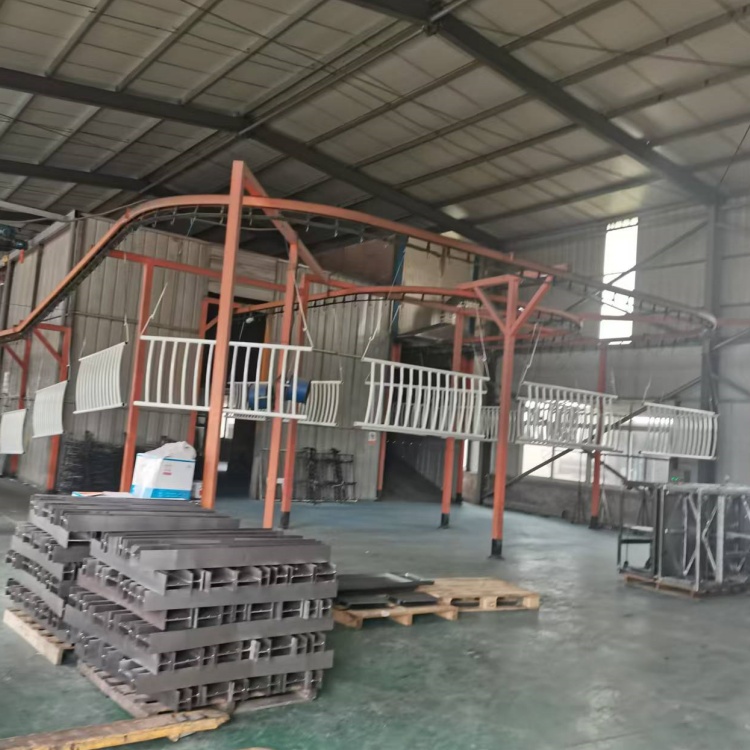
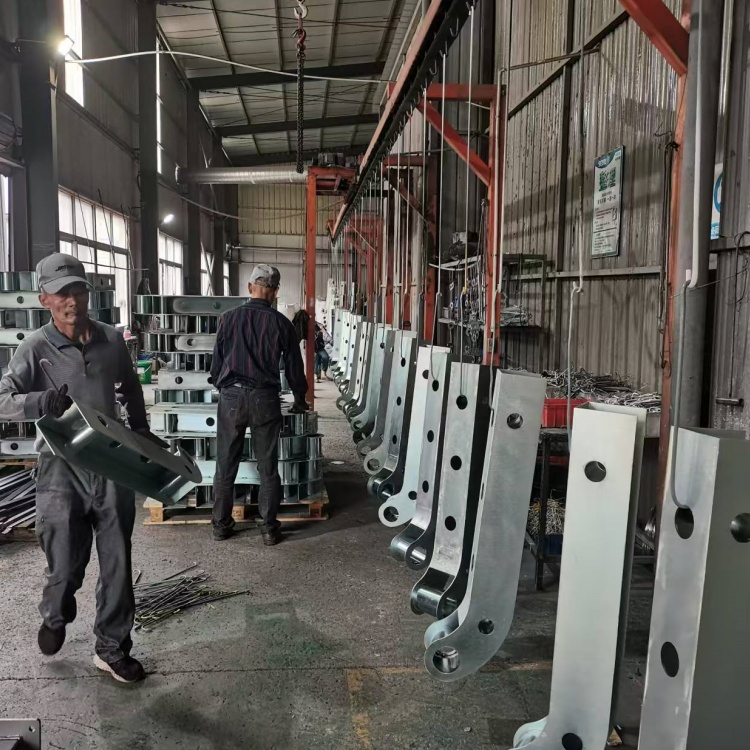
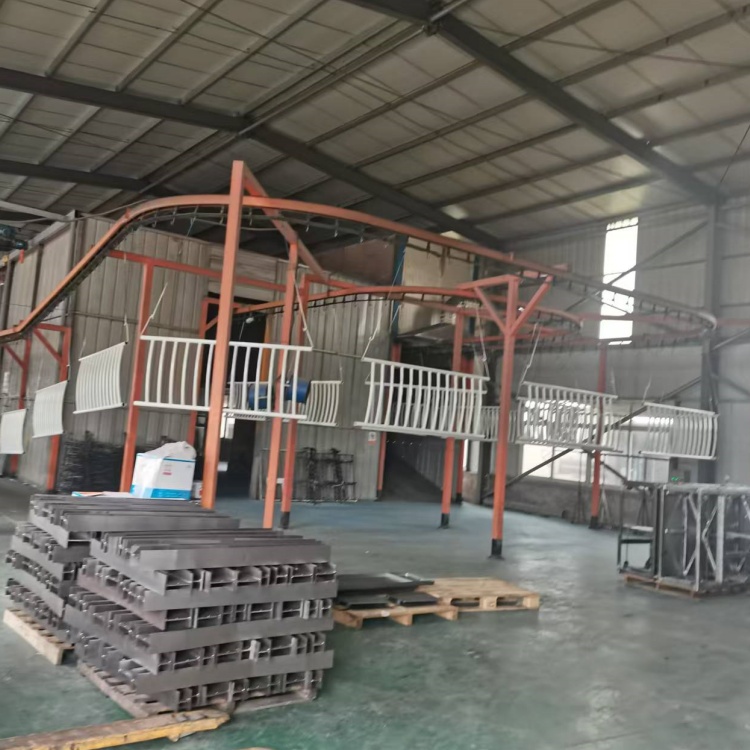
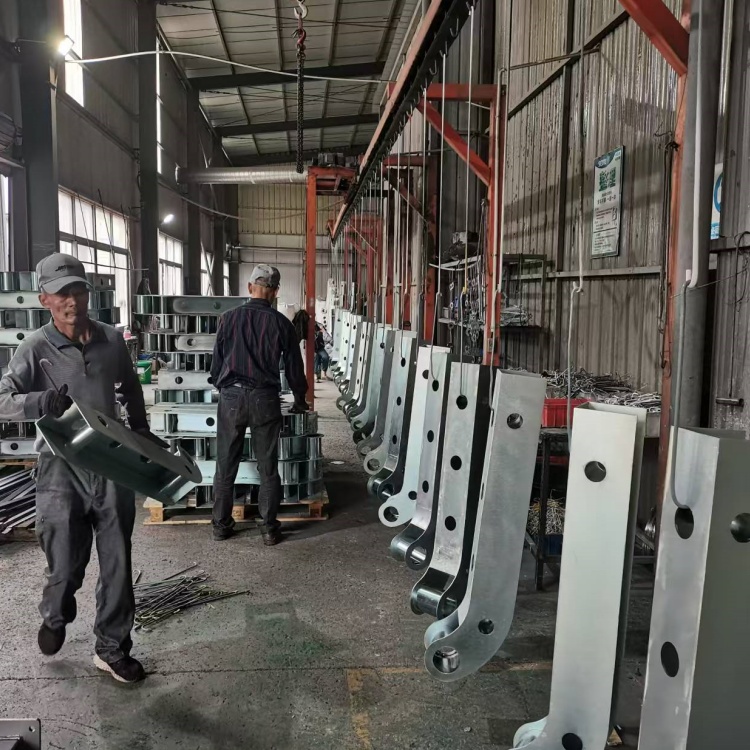
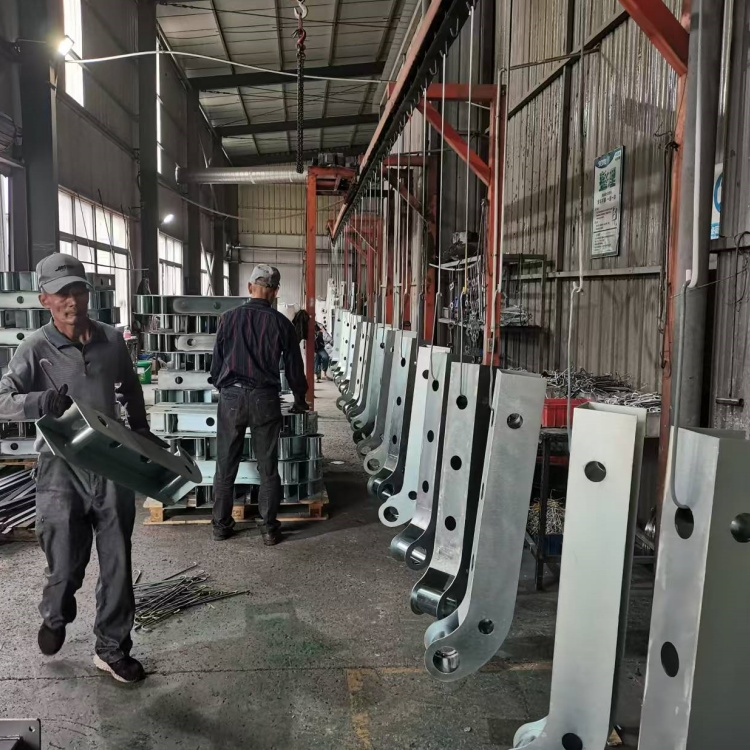
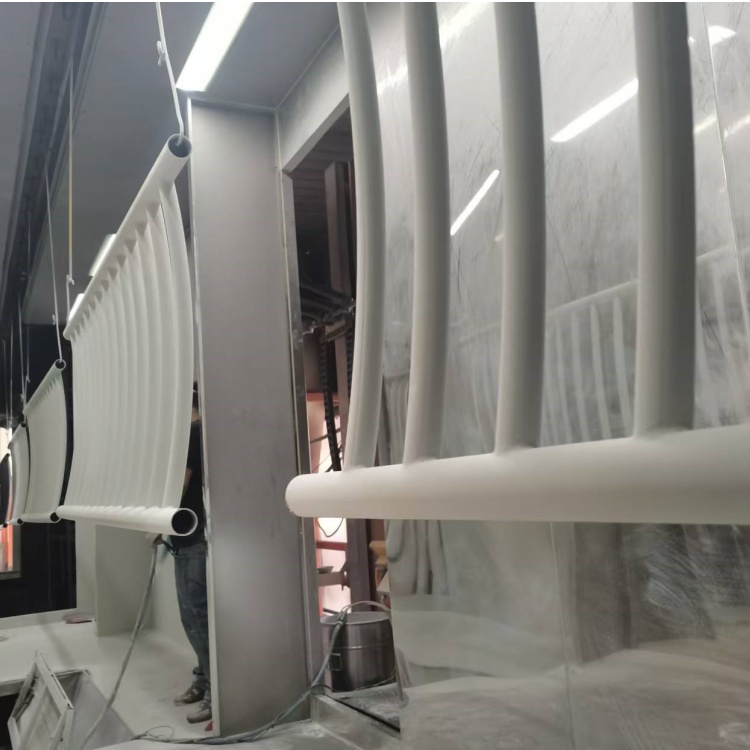
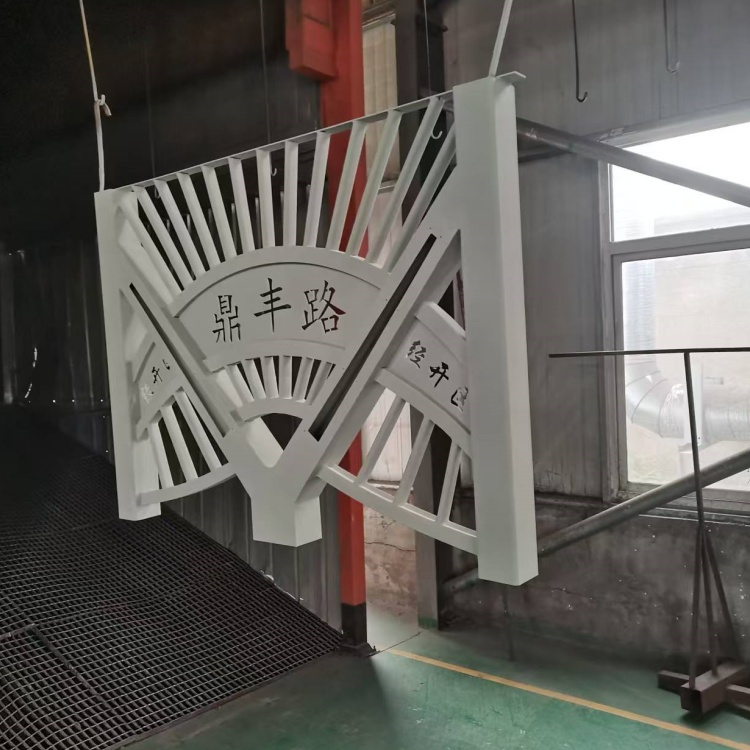
Surface Treatment ProcessSurface finishing for sheet metal products to enhance corrosion resistance, aesthetics, and functionality. Common surface treatment processes include painting, electroplating, anodizing, etc.
Assembly ProcessThe process of assembling multiple sheet metal parts and other components according to design specifications, including various methods such as threaded connections, riveting, and welding.
Section 3: Common Materials
Common materials used in sheet metal processing include cold-rolled steel (SPCC), hot-rolled steel (SHCC), galvanized steel, pure copper, copper alloys, aluminum sheets (e.g., 6061 hard aluminum), aluminum profiles, and various types of stainless steel (e.g., mirror finish, brushed, frosted). The selection of these materials is primarily based on the specific functions and requirements of the product, such as corrosion resistance, strength, and aesthetics.
IV. Standard Equipment
Shearing machineMachine tool for cutting metal sheets to the desired length.
Press machineA stamping machine for metal sheet forming, capable of producing various shapes and sizes of parts.
Bending MachineBending machine for metal sheets, featuring high precision and automation.
Laser Cutting MachineEquipment that cuts metal sheets using laser beams, featuring high precision, high speed, and high flexibility.
Plasma Cutting MachineEquipment for cutting metal sheets using high-temperature plasma arc, capable of cutting metal sheets of various thicknesses.
V. Application Fields
Sheet metal processing is widely used in various fields, such as in the construction industry for ventilation pipes, ceilings, and wall panels; in the automotive industry for body structures and chassis parts; in the electronics industry for enclosures and cabinets; and in the furniture industry for metal frames and decorative elements.
In summary, sheet metal processing is a highly technical and widely applied metalworking technique. With the continuous advancement of technology and the rapid development of industry, the sheet metal processing technique will continue to innovate and improve, providing a wider range of quality metal products for various industries.