




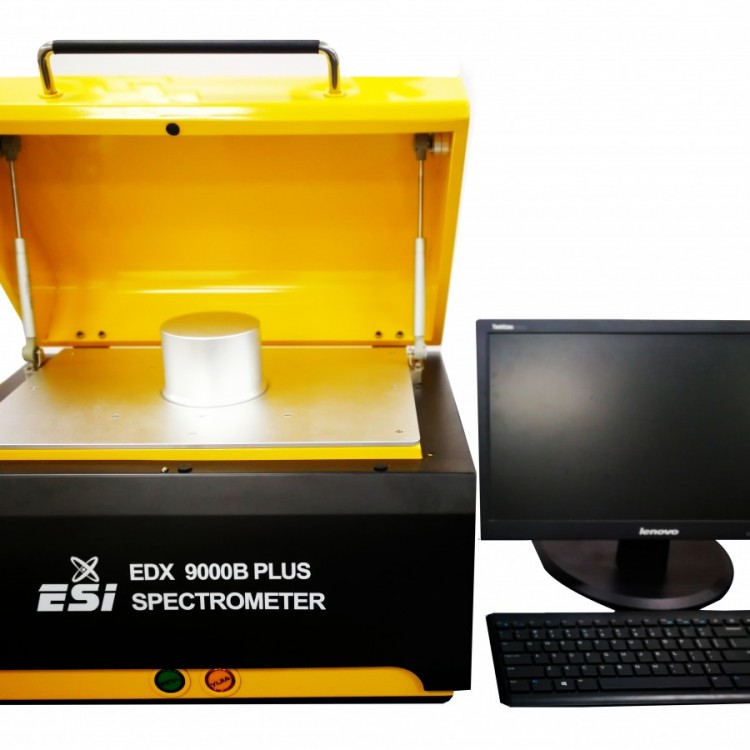


RoHS is a mandatory standard established by the EU legislation, formally known as the "Directive on the Restriction of the Use of Certain Hazardous Substances in Electrical and Electronic Equipment" (Restriction of Hazardous Substances). It came into effect on July 1, 2006, primarily aimed at regulating the material and manufacturing standards of electronic and electrical products to promote human health and environmental protection. The purpose of this standard is to eliminate six substances—lead, cadmium, hexavalent chromium, and polybrominated diphenyl ethers (note: the correct Chinese name for PBDE is polybrominated diphenyl ethers, and "polyether" is incorrect)—from electrical and electronic products, including the CS995 Infrared Carbon Sulfur Analyzer, with a specific requirement that the cadmium content must not exceed 0.01%.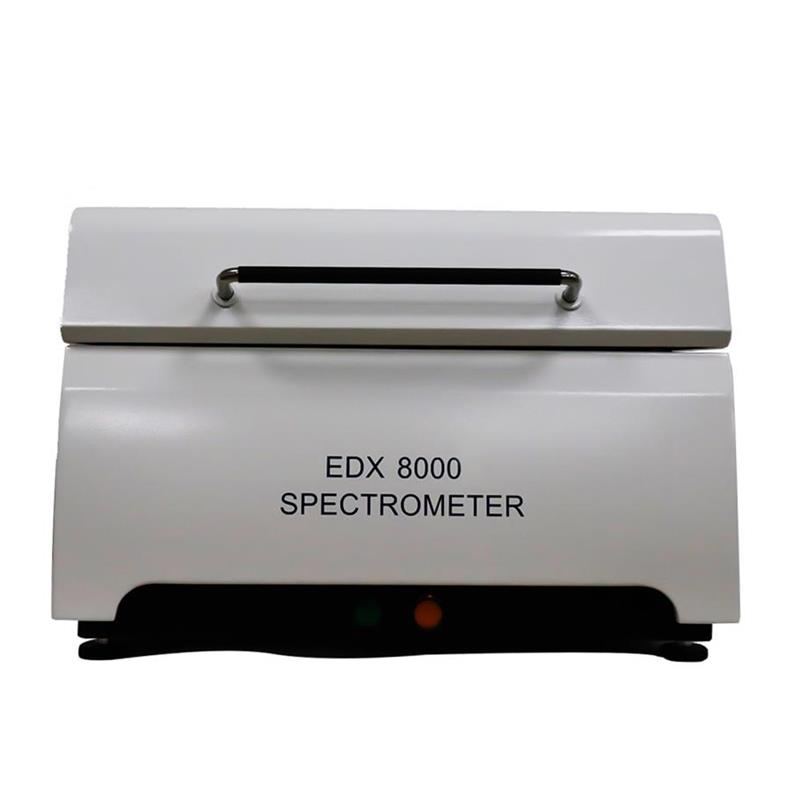
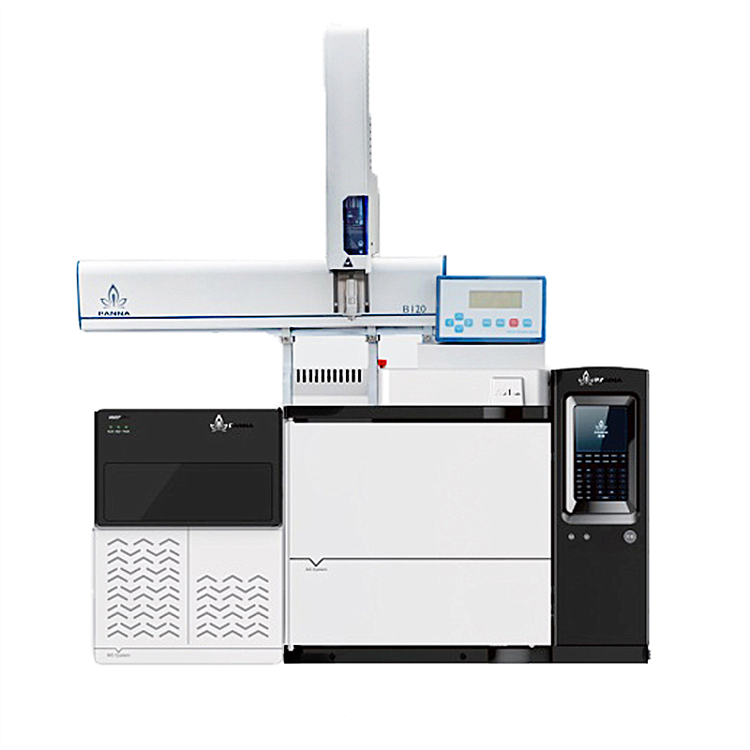
The RoHS testing methods can be referred to in IEC62321:2008, which outlines the procedures for determining the concentration of six restricted substances in electronic and electrical products.
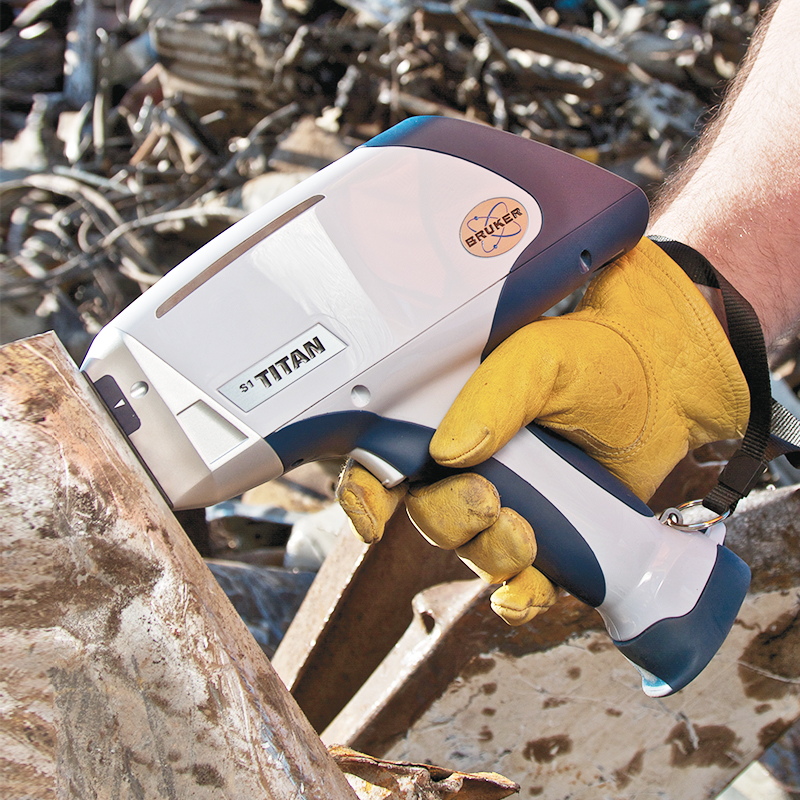
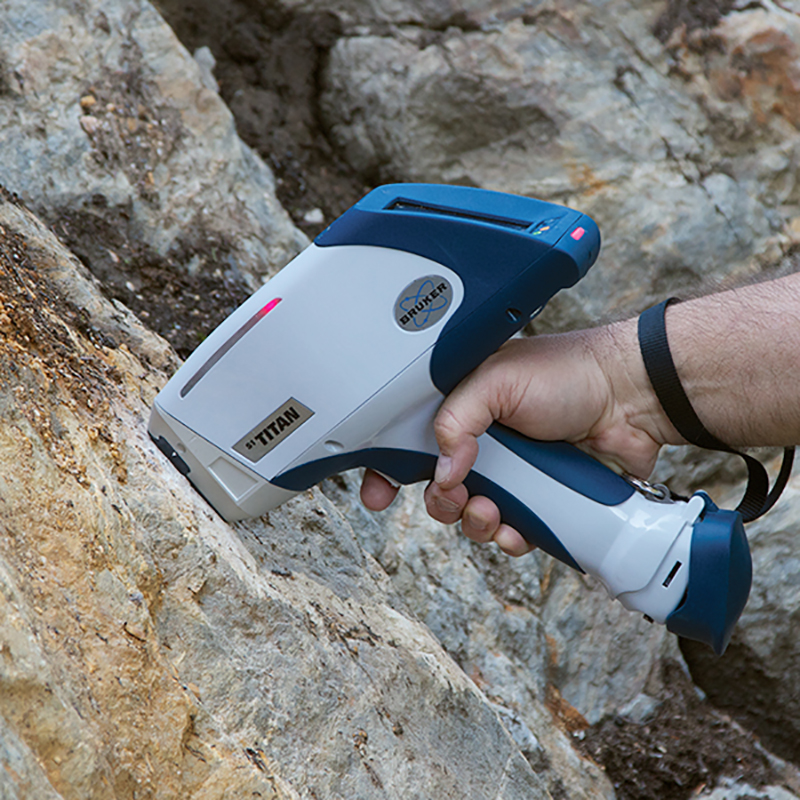
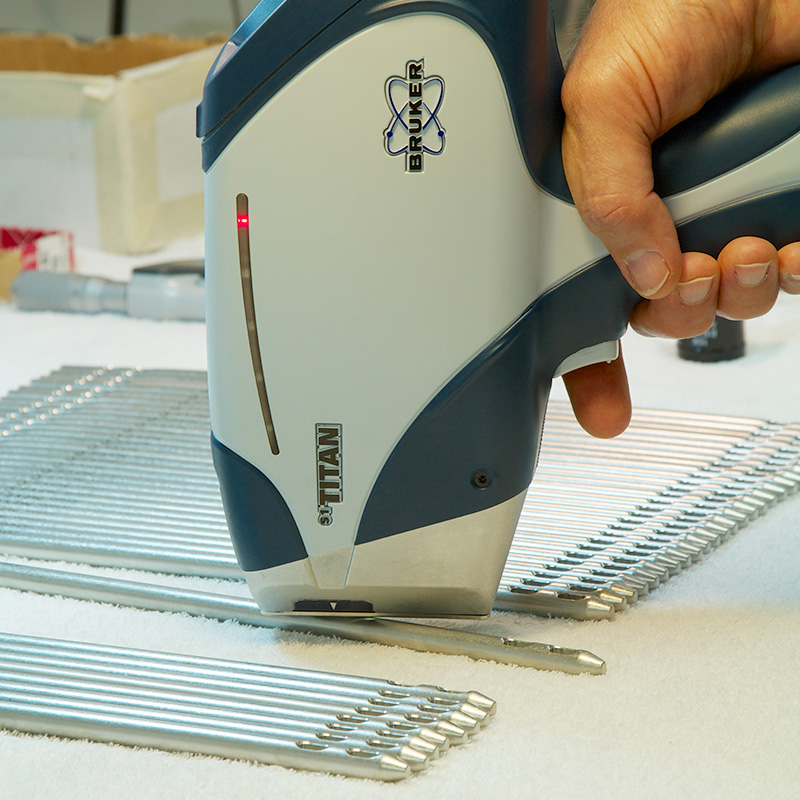
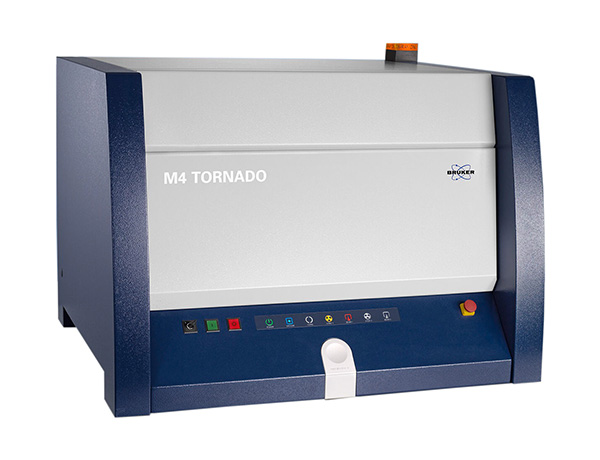
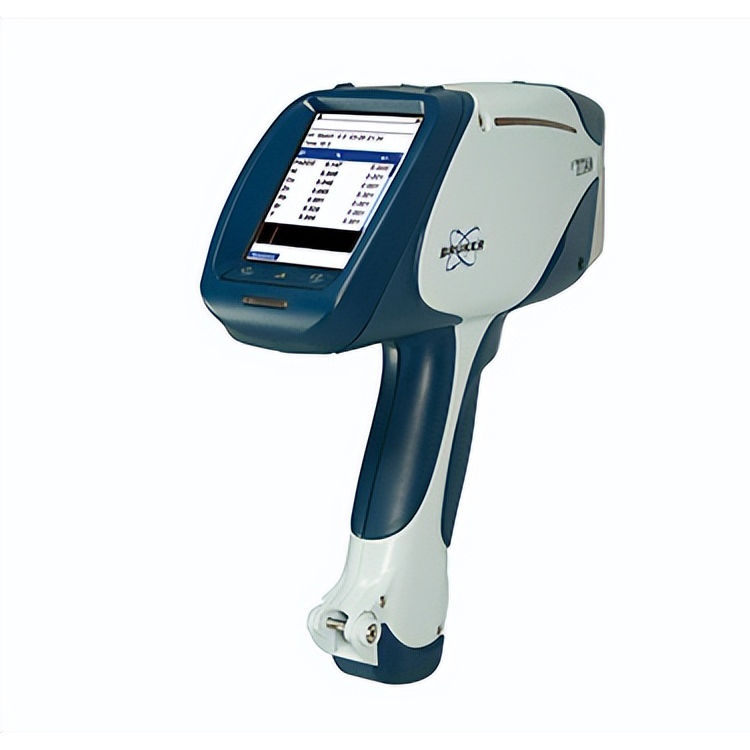
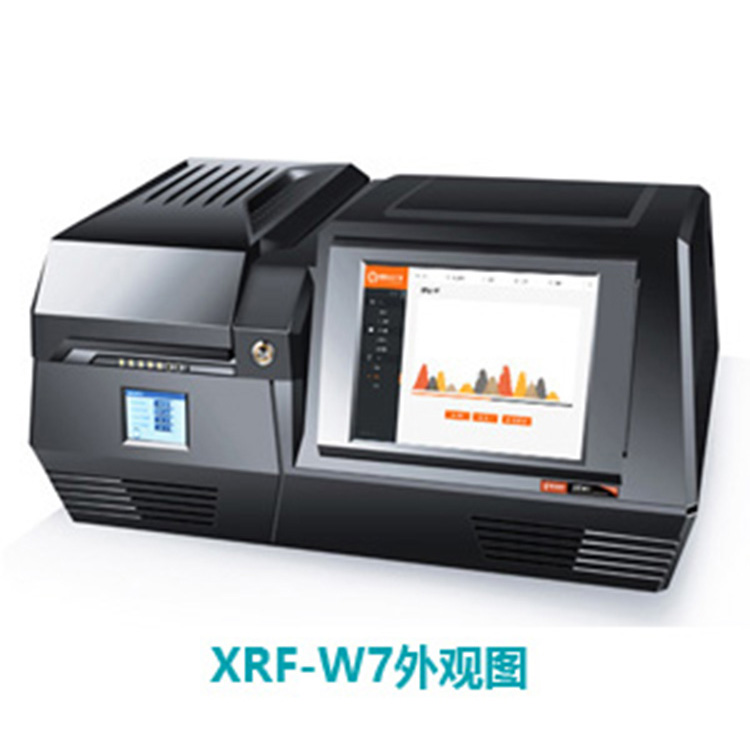
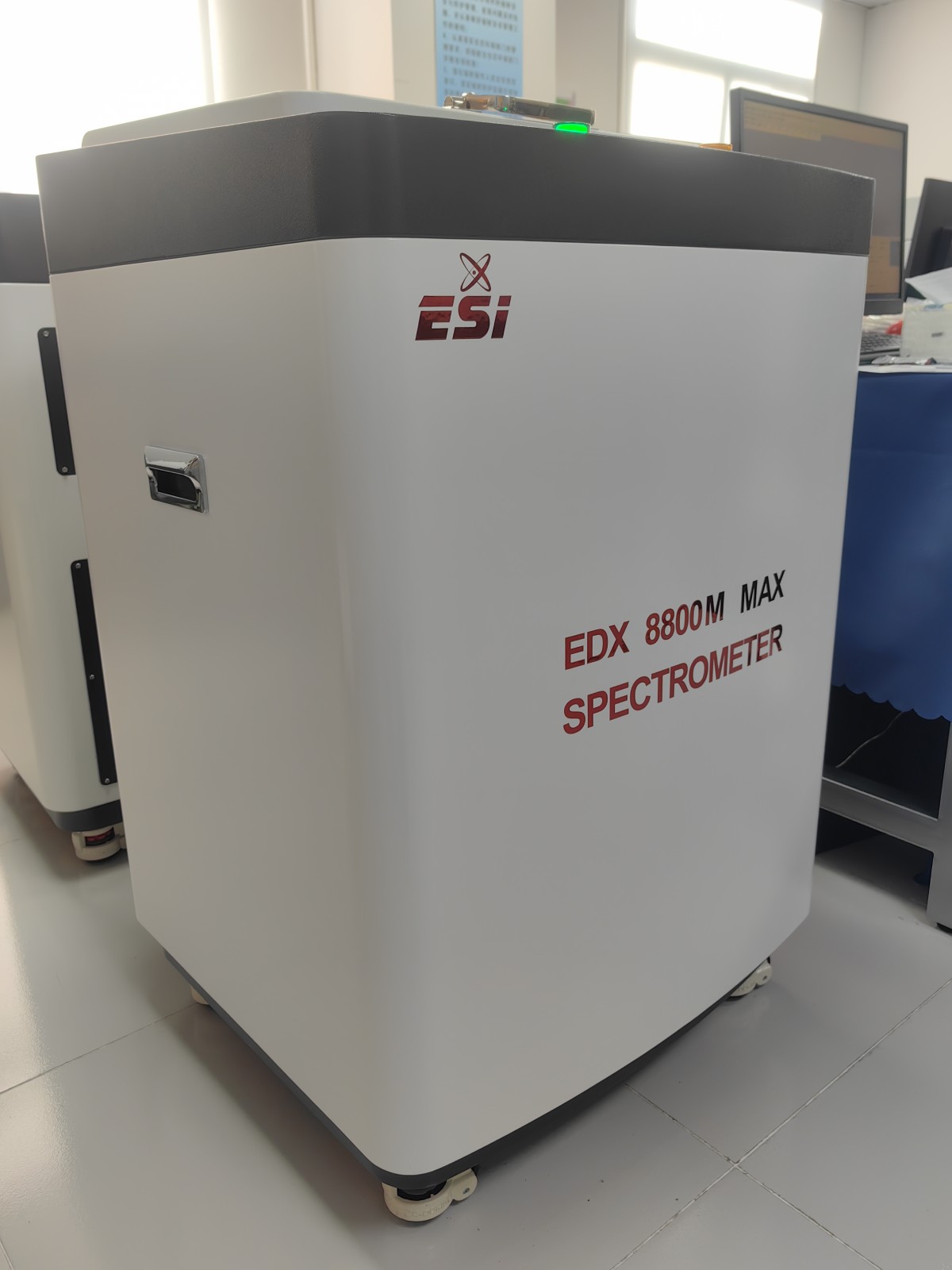
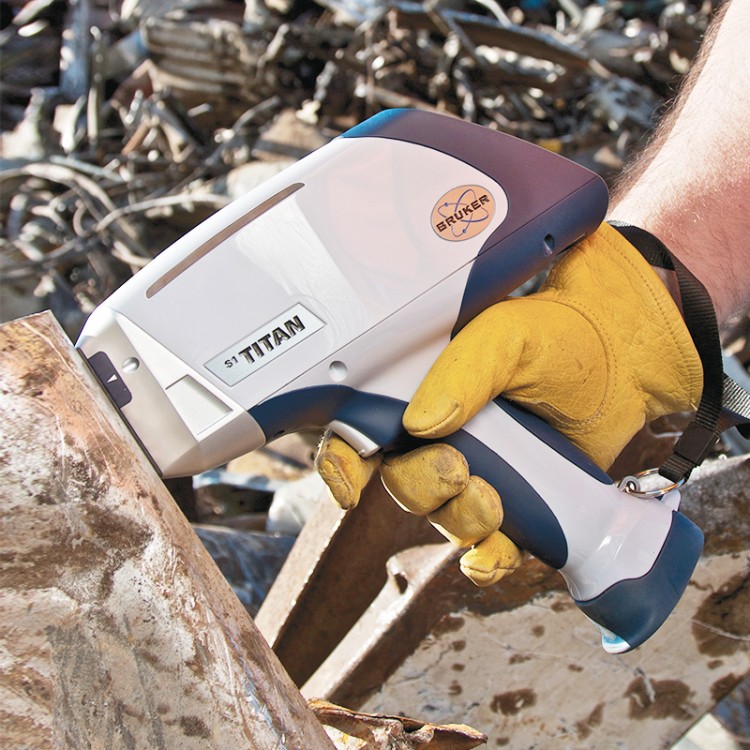
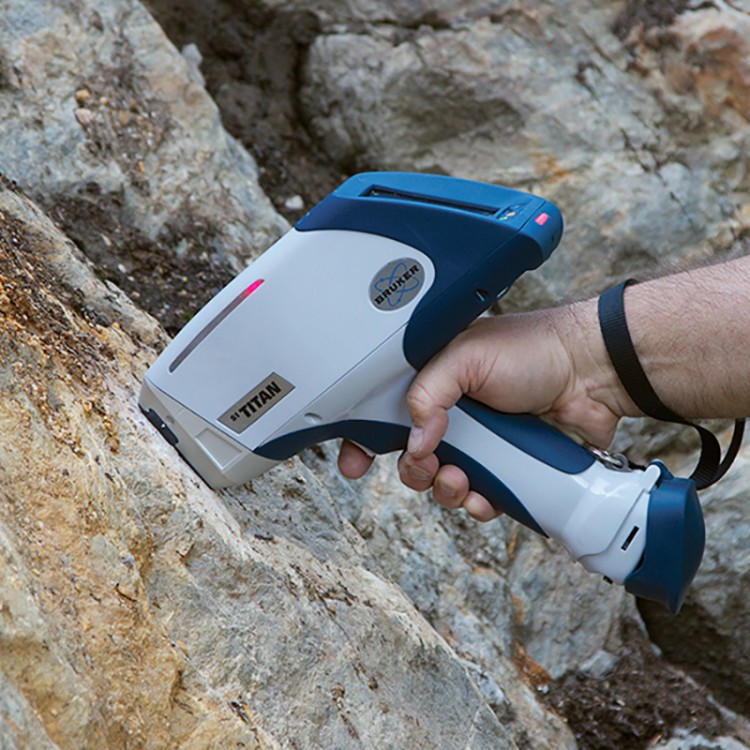
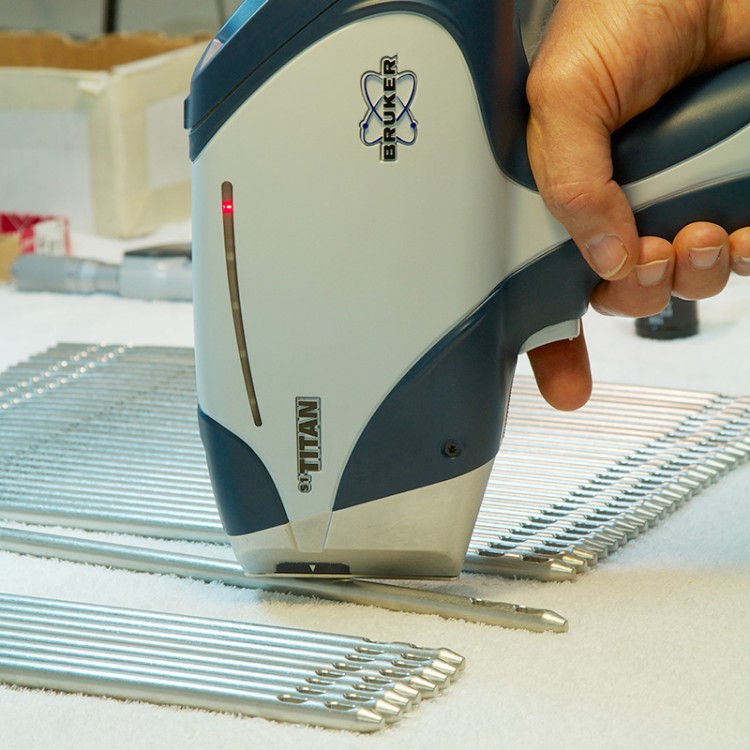
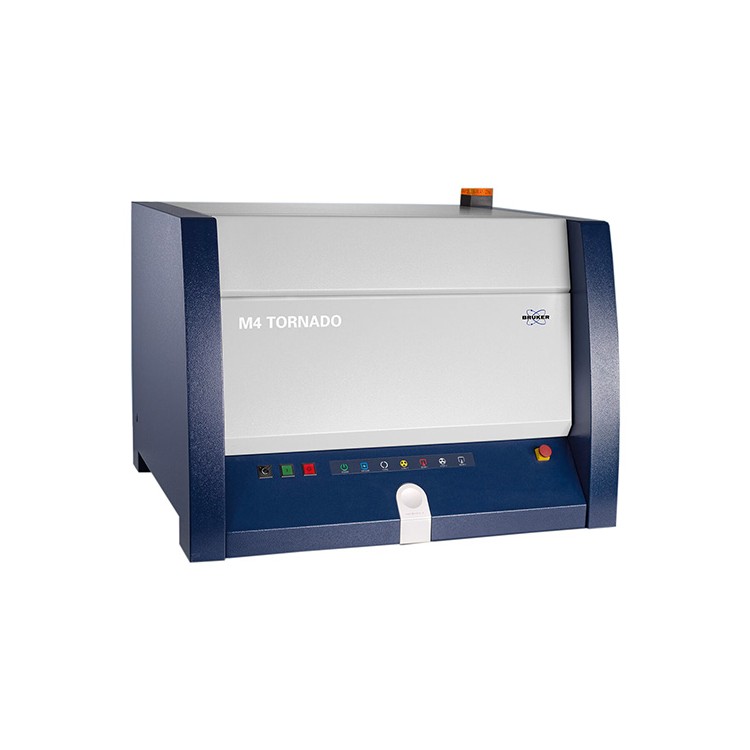
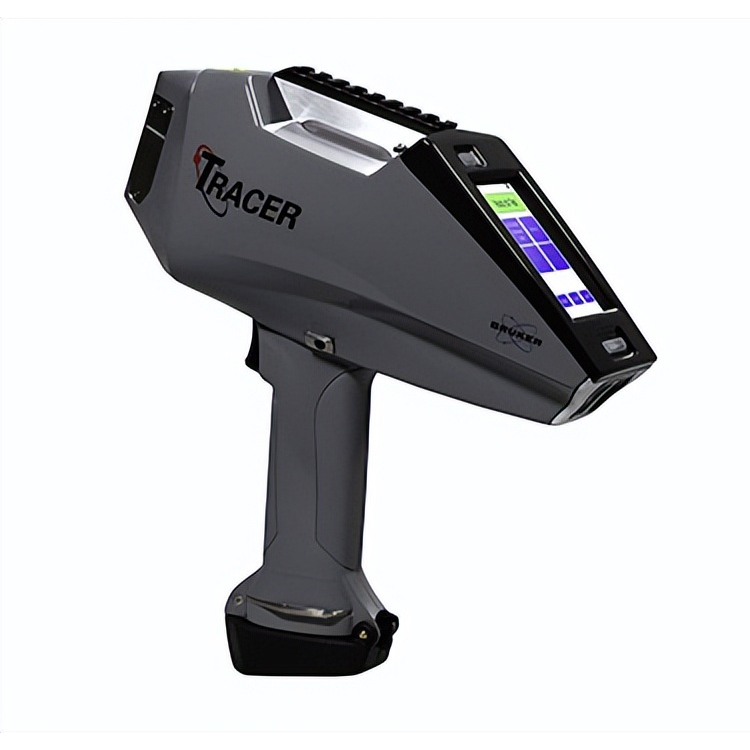
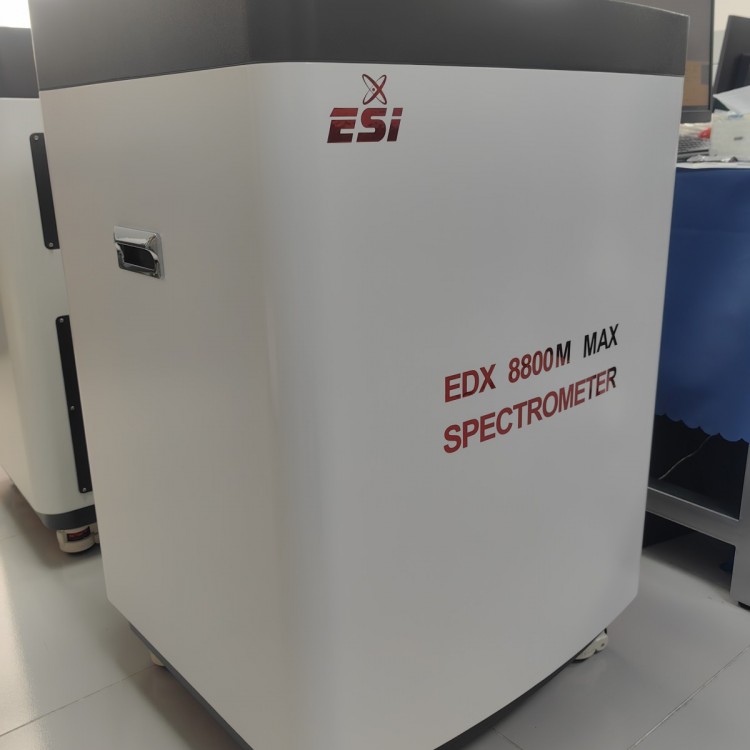
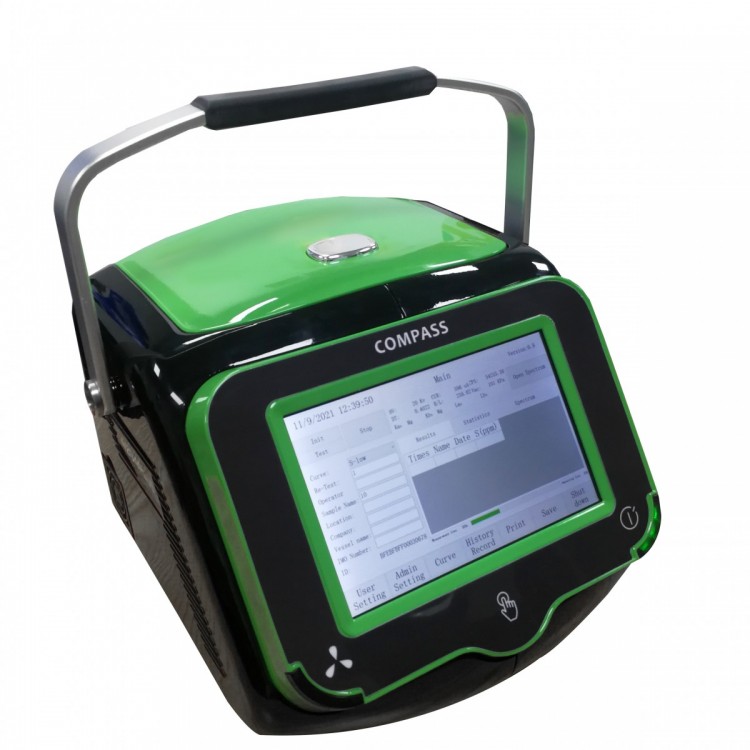
Firstly, use an XRF spectrometer for non-destructive screening, which is quick, non-destructive, and cost-effective. However, there are many interference factors, leading to significant errors.
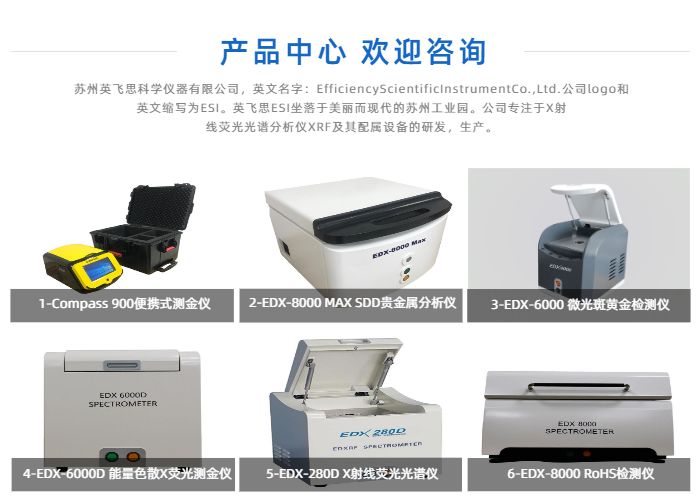
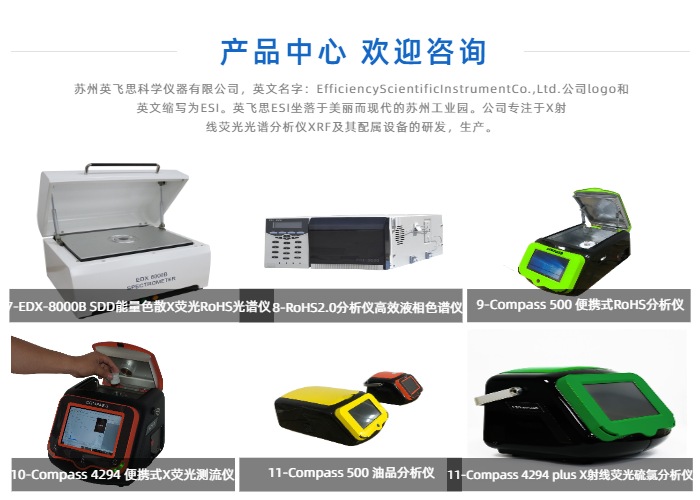
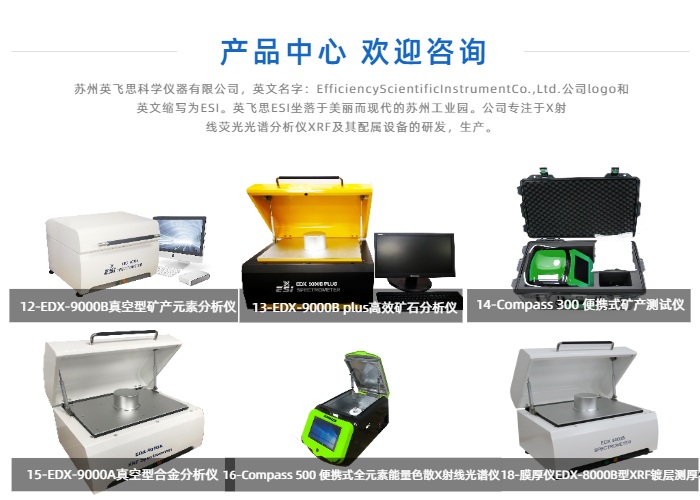
XRF Spectroscopy RoHS Analyzers are favored across multiple industries for their ability to perform rapid, non-destructive screening.
Children's Products
Toys, jewelry, small ornaments, crayons, chalk, plastic, lunch boxes, and backpacks
Apparel and accessories: garments, zippers, buttons, patches, rhinestones, piping, pouches, and wallets.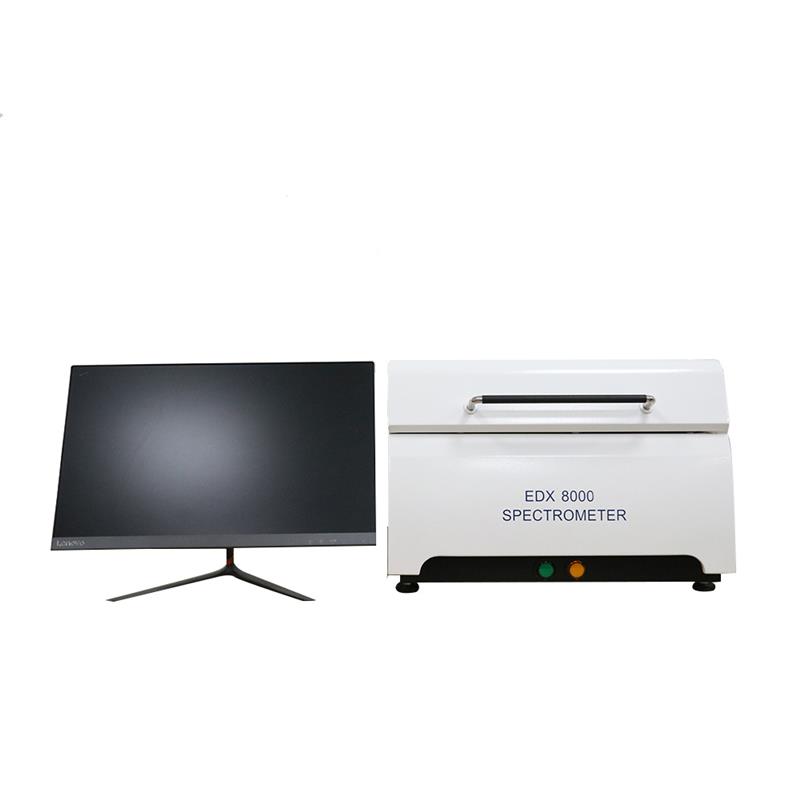
Some major companies have taken notice of RoHS and begun implementing countermeasures, such as declaring on the packaging box of their digital cameras that the product uses lead-free soldering and lead-free inks for printing. In 2004, the "Administrative Measures for the Prevention and Control of Pollution from Electronic Information Products" was also issued, which is similar to RoHS. In October, the "Standard Working Group for the Prevention and Control of Pollution from Electronic Information Products" was established to research and establish a pollution prevention and control standard system for electronic information products that suits our national conditions; to carry out standard research and revision work related to the prevention and control of pollution from electronic information products, especially to accelerate the development of fundamental standards urgently needed by the industry, such as materials, processes, terminology, testing methods, and experimental methods.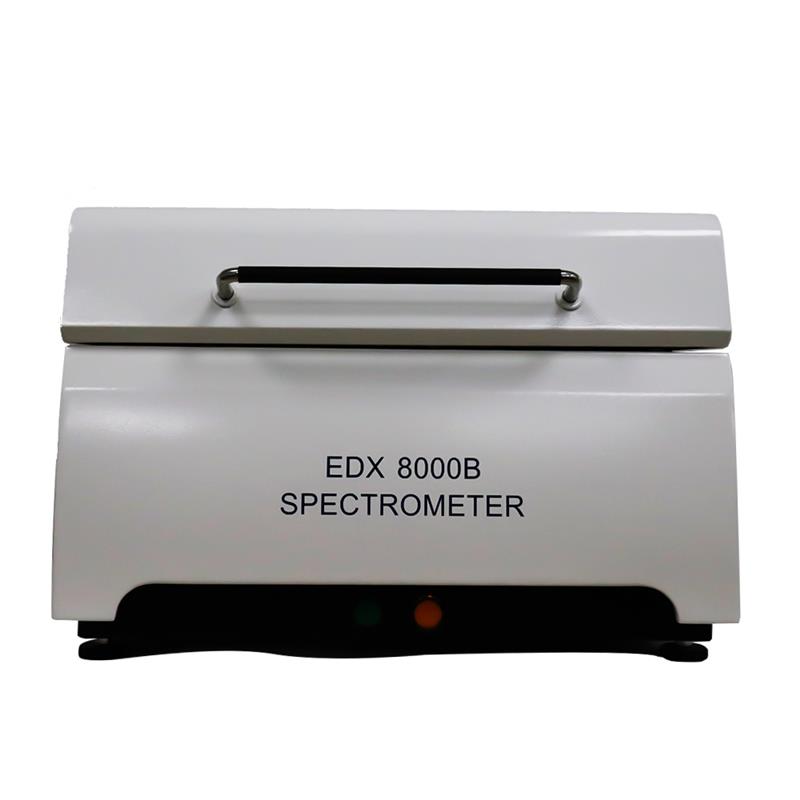
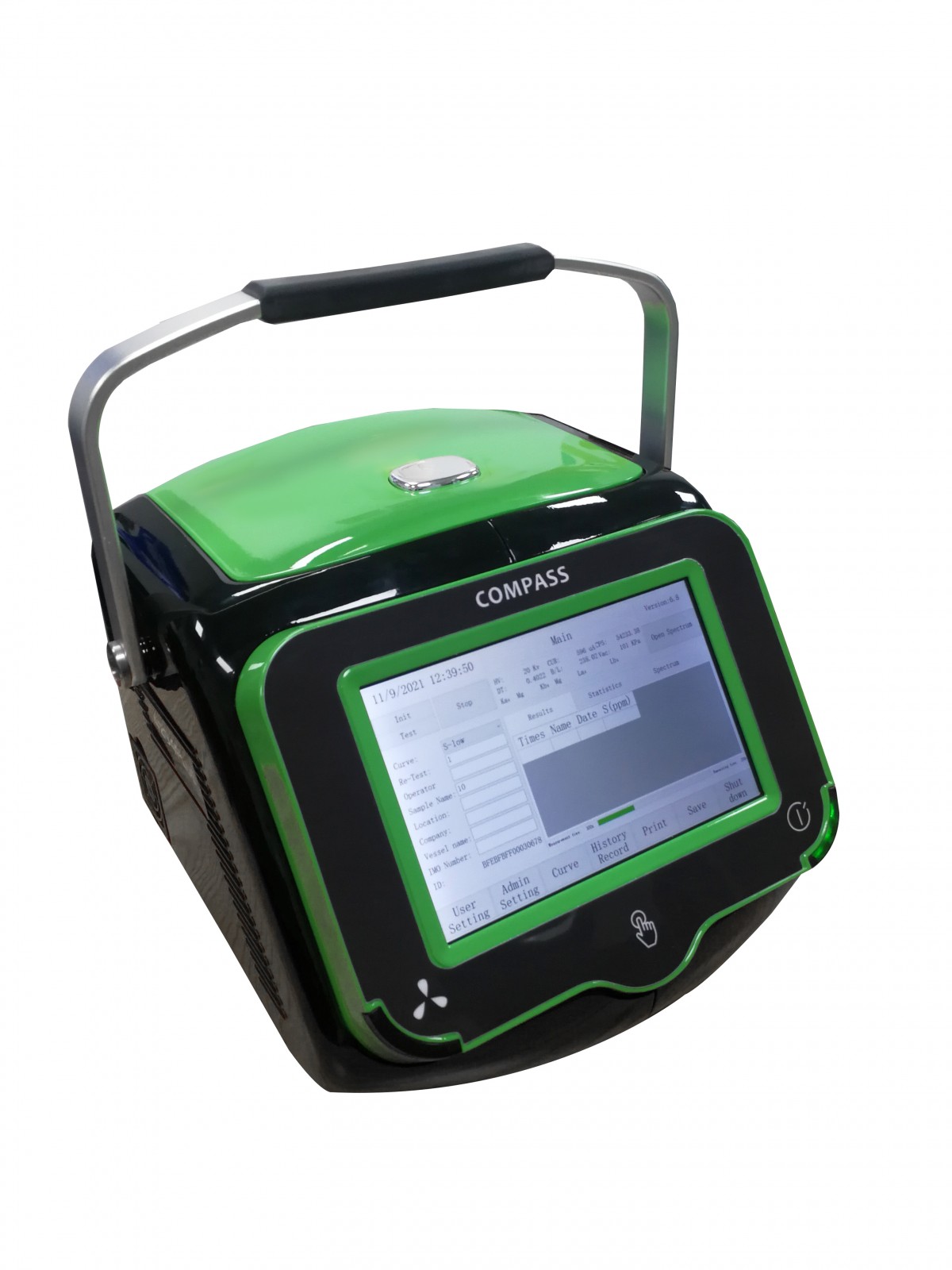
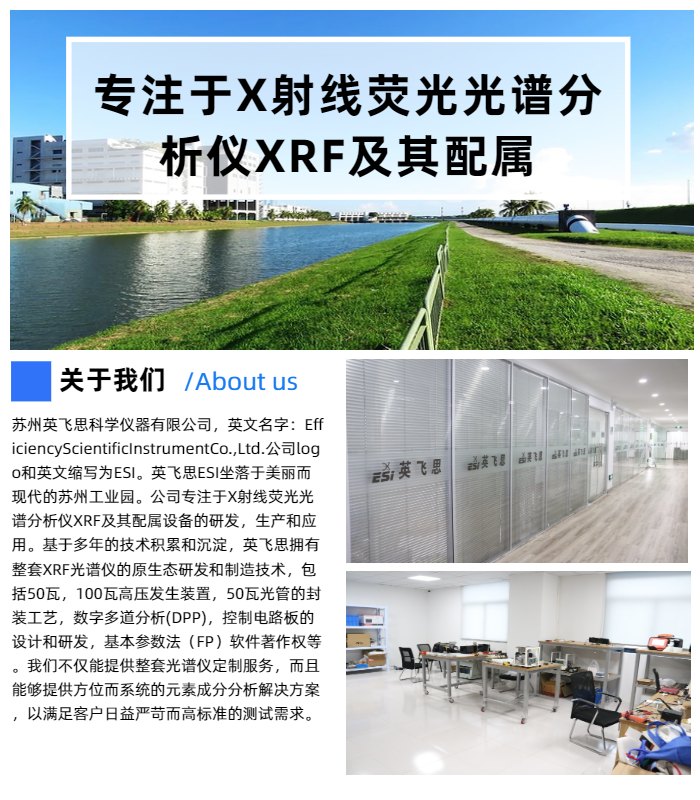
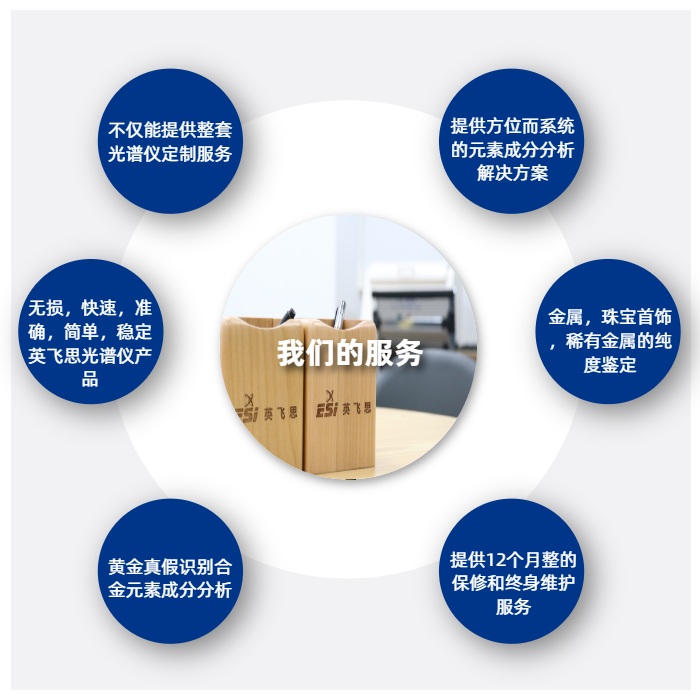
Suzhou InnoScience Science - Texas CS995 Infrared Carbon Sulfur Analyzer is provided by Suzhou InnoScience Scientific Instrument Co., Ltd. Suzhou InnoScience Scientific Instrument Co., Ltd. is a company specializing in "spectrometers, alloy analyzers, ore analyzers." Since its establishment, we have adhered to the principle of "honesty as the cornerstone, stable management," actively participating in healthy market competition, and earning a good reputation for the "InnoScience" brand. We uphold the principle of "customer service first, customer satisfaction first," enabling InnoScience Science to gain customer trust and establish a positive corporate image. Special Note: The images and materials provided in this information are for reference only. Please contact us for accurate information. Thank you!