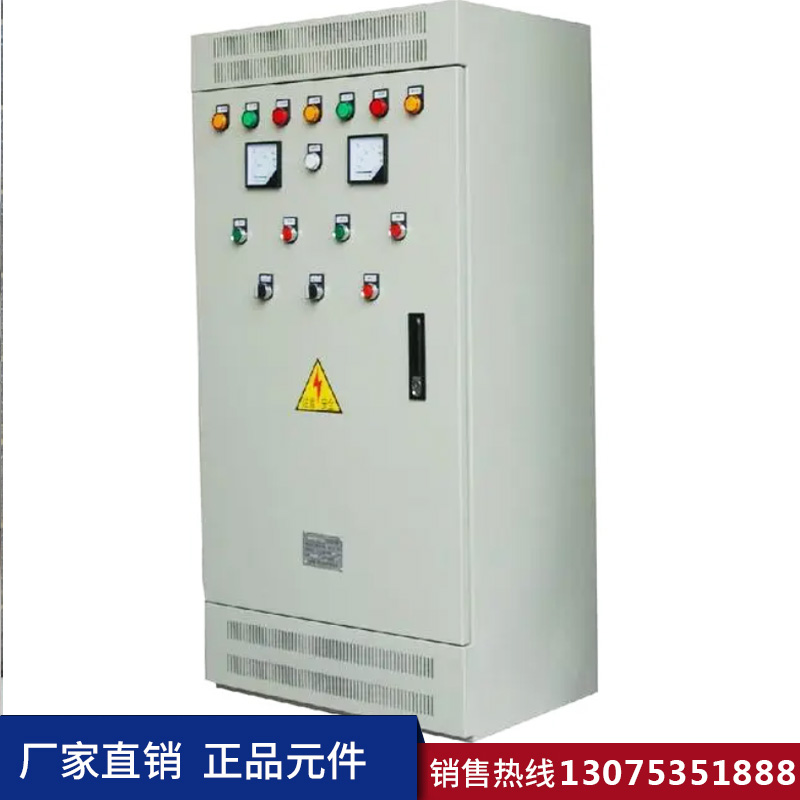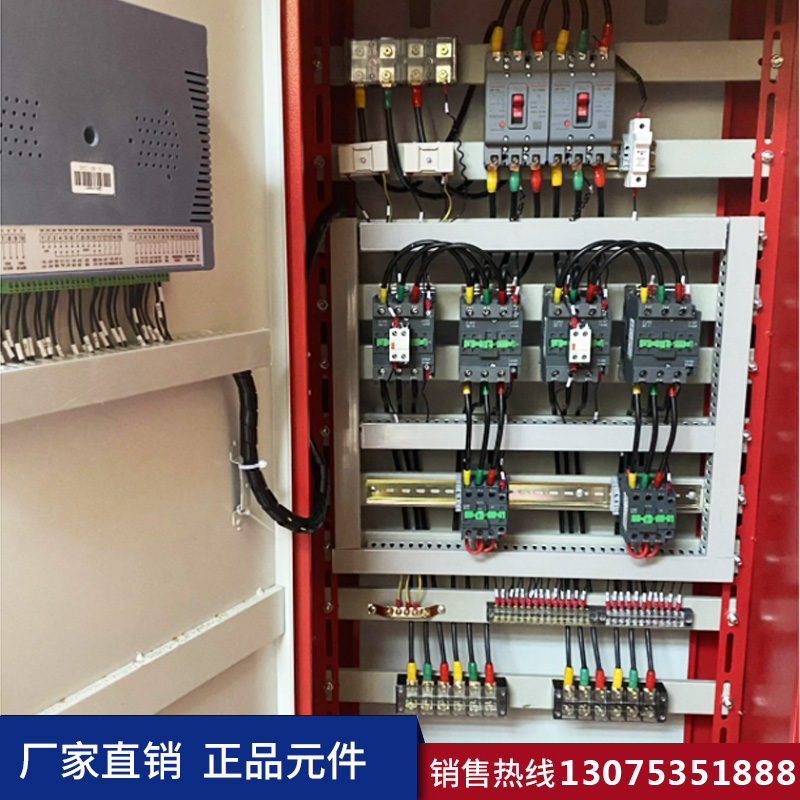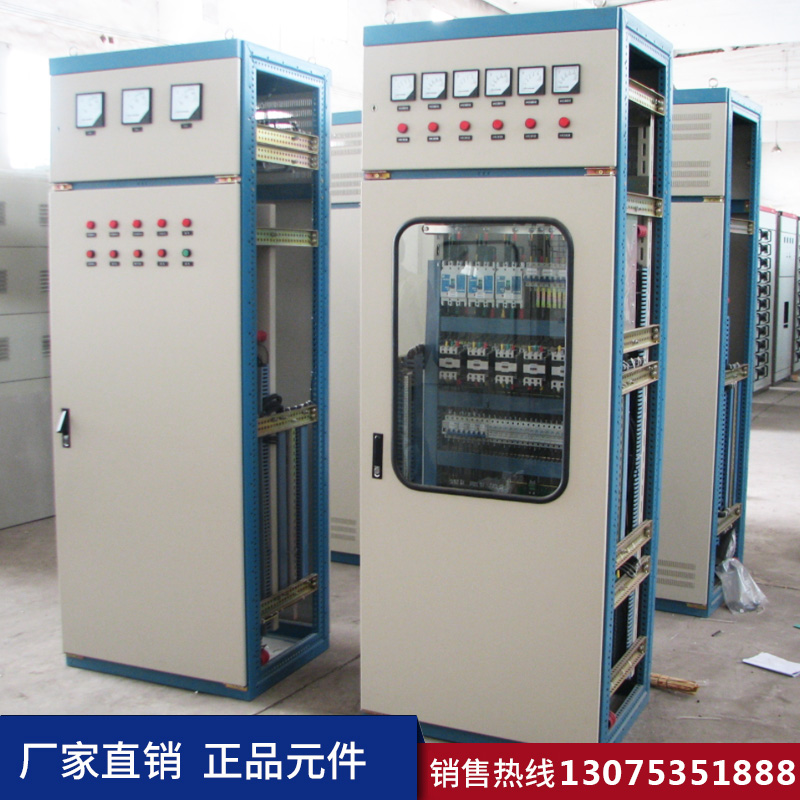

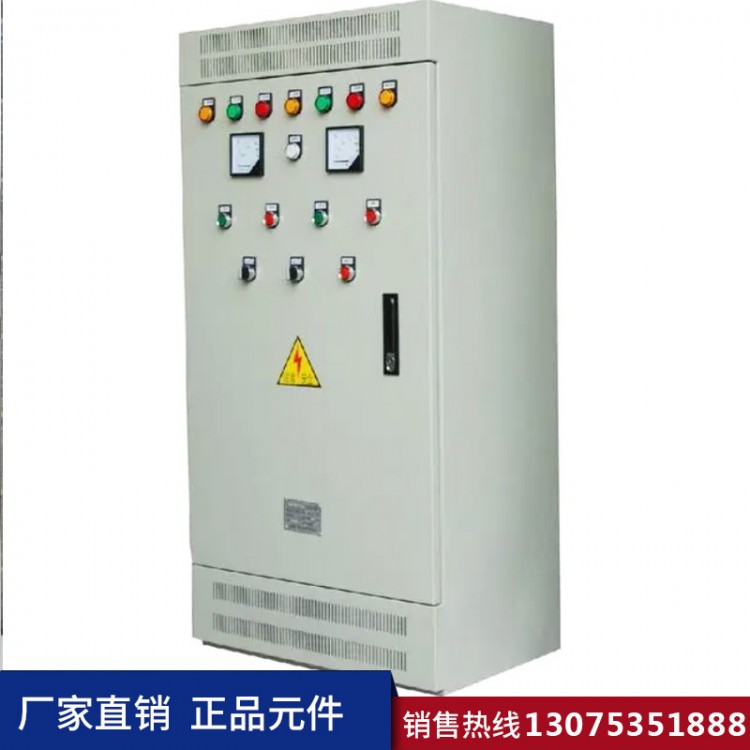

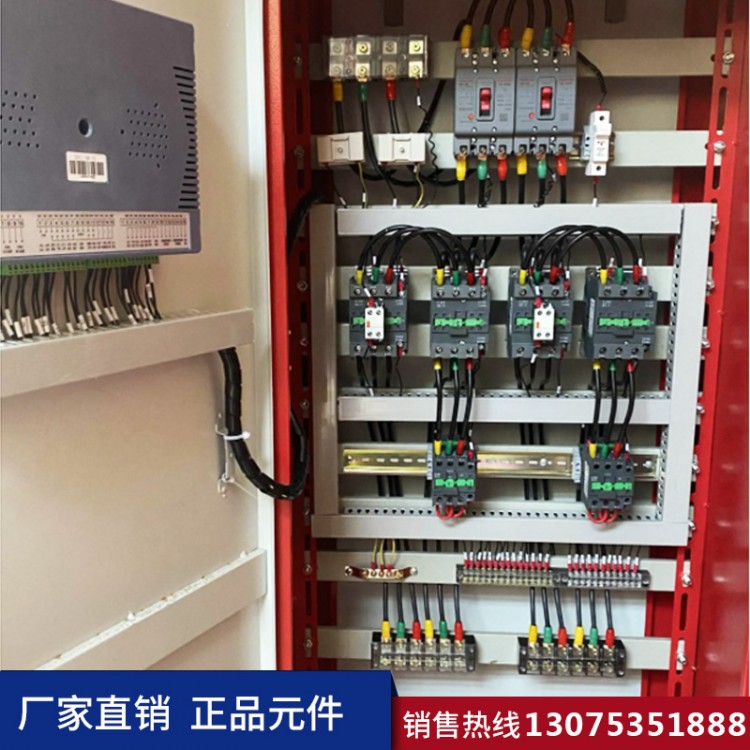











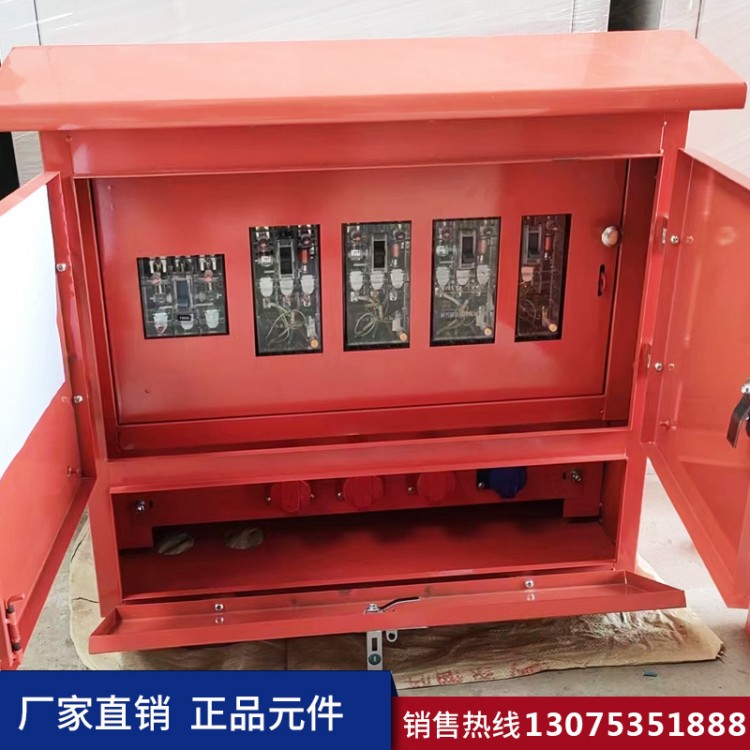
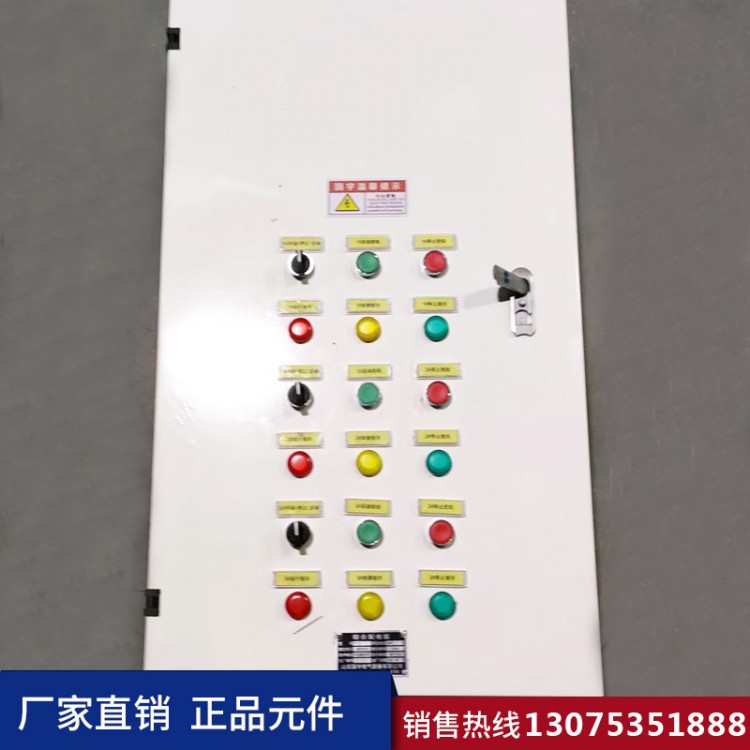

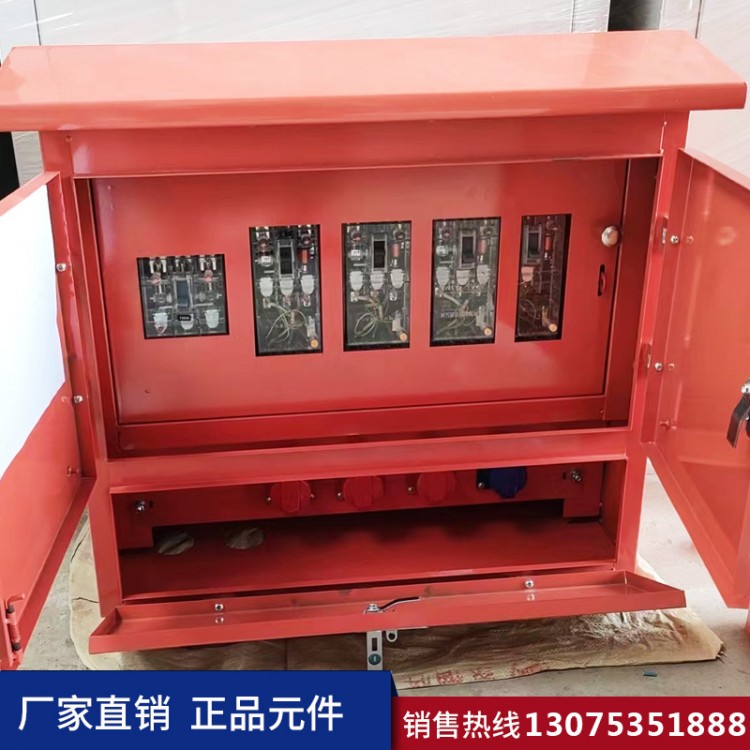
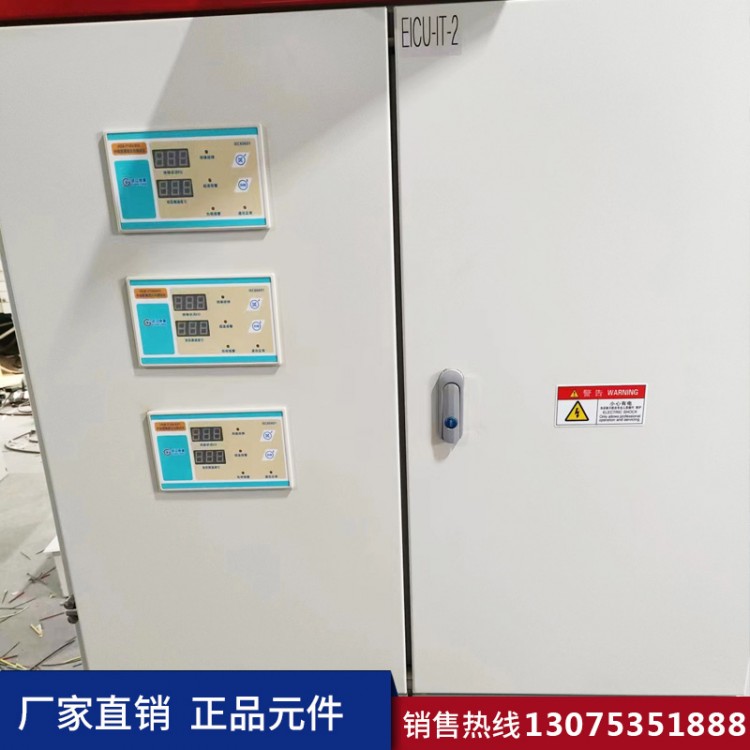
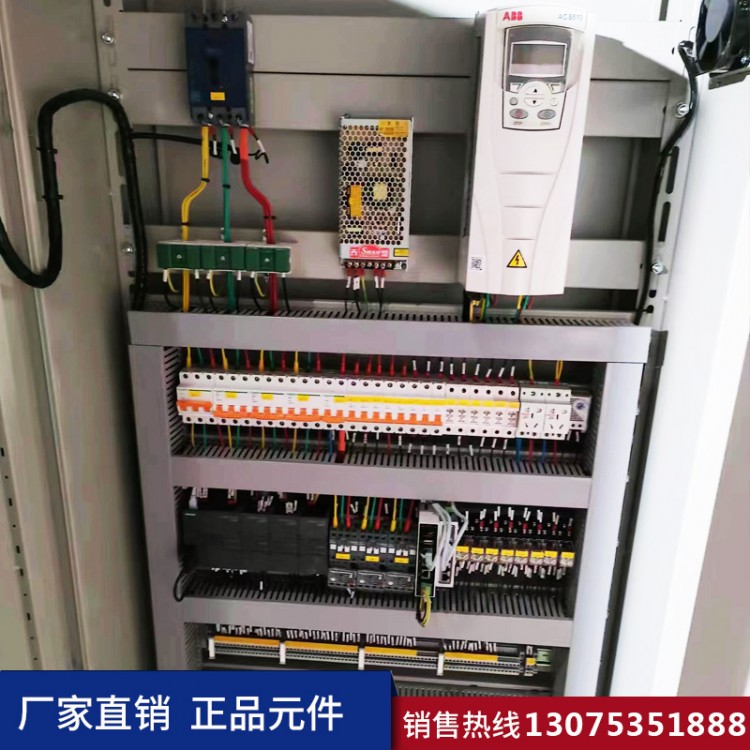
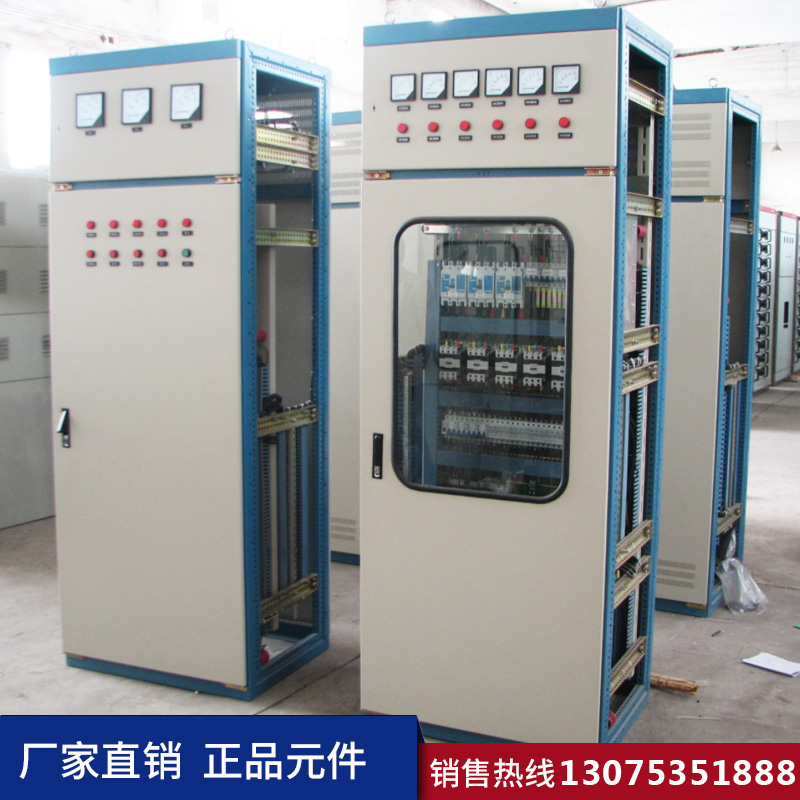
Variable Frequency Control CabinetPrimarily used for adjusting equipment frequency, reducing energy consumption, ensuring smooth equipment startup, and minimizing the damage to motors caused by high currents during direct startup. It also features analog input (for speed control or feedback signals), PID control, pump switching control (for constant pressure), communication functions, macro functions (with different parameter settings for various scenarios), multi-speed settings, and more. It is widely applicable for automatic control in various industrial and agricultural production scenarios, as well as in water supply, drainage, fire protection, sprinkler network pressure increase, and HVAC hot and cold water circulation in buildings.
The variable frequency control cabinet is meticulously designed and crafted after years of production and application, during which technical personnel have fully absorbed advanced domestic and international pump control experiences, continuously improving and optimizing the product.
The frequency control cabinet features various protection functions such as overload, short circuit, phase loss protection, pump body leakage, motor overheating, and leakage, along with comprehensive status display. It also offers single pump and multi-pump control modes, multiple primary-secondary pump switching methods, and various starting methods. It is widely applicable for automatic control in various scenarios such as water supply and drainage, fire protection, sprinkler system pressure increase, and HVAC hot and cold water circulation in industrial and agricultural production as well as various buildings.
The frequency conversion control cabinet boasts excellent internal quality, attractive and durable appearance, easy installation and operation, and serves as a safe and reliable companion for various pumps.
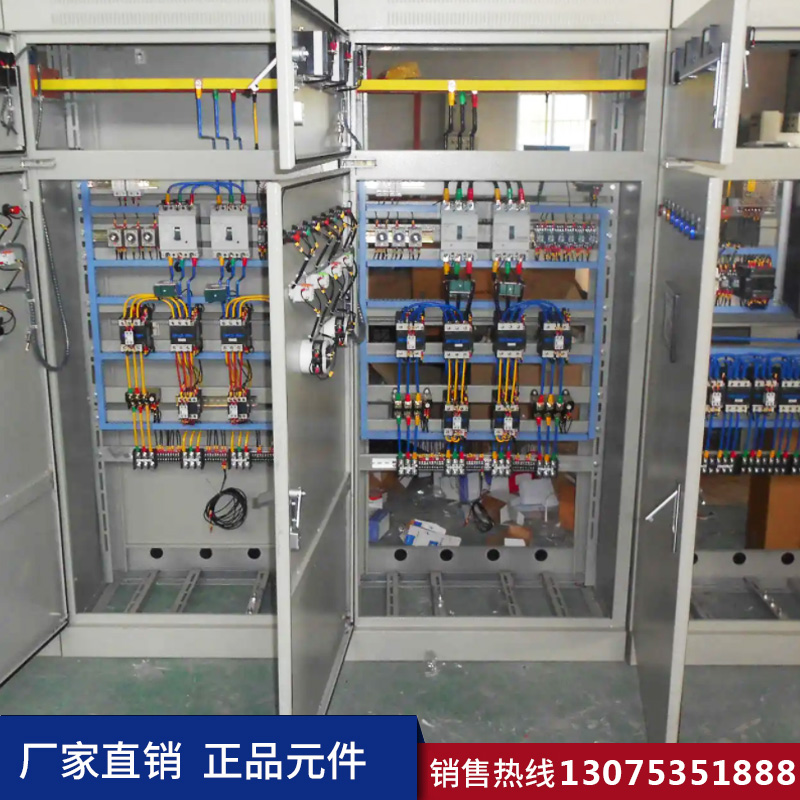
Typical Applications:
Constant-pressure water supply, air compressors, fans and pumps, central air conditioning, port machinery, machine tools, boilers, papermaking machinery, food machinery, etc.
Control Type:
1. Level Control: This control cabinet is equipped with a high-performance Key float switch, which automatically controls the start and stop of the water supply and drainage pumps based on the high and low level changes.
2. Pressure Control: Equipped with an external electric contact pressure gauge or pressure controller, it can automatically start or stop the pump based on changes in pipeline pressure. This model is widely used in domestic water supply and fire-fighting booster systems.
3. Temperature Control: External temperature controller to start or stop the pump based on the set temperature range, suitable for applications requiring temperature control such as constant temperature and heat exchange systems.
4. Time Control: The cabinet panel features a time-setting button and a display. Users can control the pump's on/off based on timing requirements, suitable for various scheduled or regular intermittent operation modes.
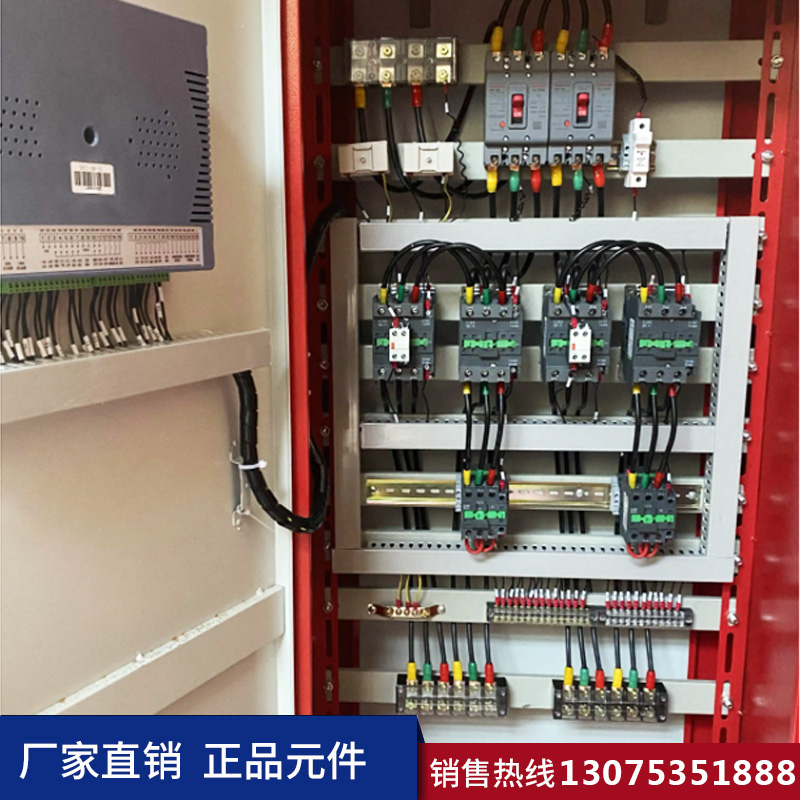
Feature Analysis:
1. Energy-saving
Variable-frequency drive motors, compared to traditionally controlled motors, offer significant energy savings. The motor operating conditions supplied based on water injection and oil delivery requirements are economically efficient, resulting in a power saving of up to 48.8%.
2. Reduced Operating Costs
The operating costs of traditional motors consist of three components: initial purchase cost, maintenance cost, and energy cost. The energy cost accounts for approximately 77% of the motor's operating costs. By reducing the energy cost by 44.3% and the reduced impact on equipment after variable-frequency start-up, the maintenance and repair volume also decreases, resulting in a significant reduction in operating costs.
3. Enhance pressure control accuracy
The variable frequency control system boasts precise pressure control capabilities, matching the motor's pressure output to the system's required water injection volume. The output of the variable frequency control motor varies with changes in motor speed. Due to the enhanced precision of the variable frequency control motor's speed, it can maintain the system pressure variations within a 3pisg range, equivalent to 0.2bar, effectively improving the quality of the operating conditions.
4. Extend the motor's lifespan
VFDs start the motor from 0HZ, allowing for adjustable acceleration times to minimize the impact on the electrical and mechanical components of the motor during startup, enhancing system reliability and extending the motor's lifespan. Additionally, variable frequency control reduces current fluctuations during equipment startup, which can affect the power grid and other devices. The VFD effectively minimizes the peak startup current to a low level.
5. Lowered the motor's noise
According to the motor's operating conditions, after installing variable frequency speed control, the motor's running speed is significantly reduced, thereby effectively reducing the noise during operation.

VFD operating principle:
Typically, a device that converts fixed voltage and frequency AC power into variable voltage or frequency AC power is called an "inverter." This equipment first converts three-phase or single-phase AC power into DC power (DC). Then, it converts the DC power back into three-phase or single-phase AC power (AC). The inverter simultaneously alters the output frequency and voltage, which changes the motor's operating curve by shifting it downward parallelly. Therefore, an inverter can start motors with a lower starting current and achieve a higher starting torque, enabling it to start heavy loads.
Variable frequency drives feature basic functions like voltage regulation, frequency adjustment, voltage stabilization, and speed control. Their internal structure is complex, yet easy to use, making them not just for motor starting but widely applicable across various fields. They cater to a range of powers, shapes, sizes, and uses. With technological advancements and cost reductions, variable frequency drives are sure to see even broader applications.
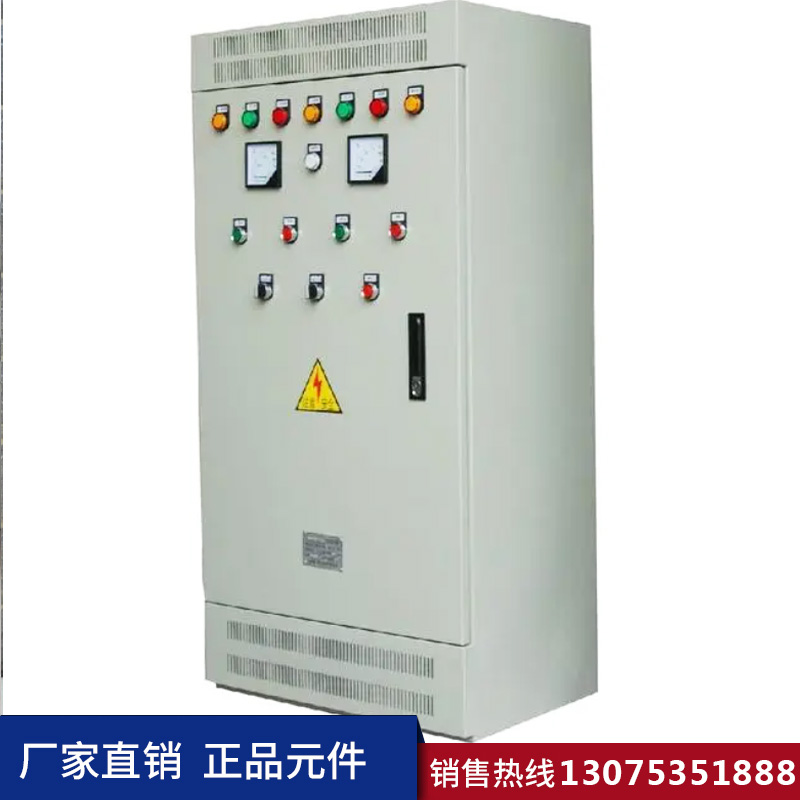
Feature Introduction:
1. Variable frequency control cabinet power switching and protection function
Variable frequency control cabinets are typically designed with circuit breakers, which connect to the incoming power supply. They facilitate the on/off operation of the variable frequency control cabinet and provide protection against short circuits or overloads in the circuit and the inverter. Additionally, the variable frequency cabinet can disconnect the power during motor maintenance to ensure the safety of the operators.
2. Variable frequency control cabinet with variable speed control function
The control panel of the variable frequency control cabinet is equipped with potentiometers for variable speed control, which can send command signals to the motor based on the operator's output frequency, controlling the motor's speed. Some products in the variable frequency control cabinet are set with a power frequency switching function to ensure that in the event of a variable frequency inverter failure, the motor can be switched back to power frequency power supply through an automatic control loop.
3. Intuitive control function for variable frequency control cabinets
The control cabinet of the variable frequency control cabinet is designed with a display device and an operation panel, which are connected to the electrical components inside. It can directly display the operating status of the variable frequency control cabinet, making it convenient for operators to control the operation of the variable frequency unit and perform on-site operations on controlled devices such as motors.
The control cabinet of the variable frequency control cabinet is equipped with various instruments and indicator lights, such as voltmeters, ammeters, and frequency meters, as well as power indicator lights, alarm indicator lights, operation indicator lights, and power frequency indicator lights, etc. The operation and status of the variable frequency control cabinet can be directly reflected on the various instruments and indicator lights, enabling real-time monitoring of the variable frequency inverter's working condition.
4. Safety protection features of the variable frequency control cabinet
The Variable Frequency Control Cabinet houses various electrical components, including variable frequency drives, all within the cabinet. This design minimizes the impact of external environments on the electrical components, reduces the extent of environmental pollution affecting them, and lowers the risk of electric shock for operators, thereby offering excellent safety protection.
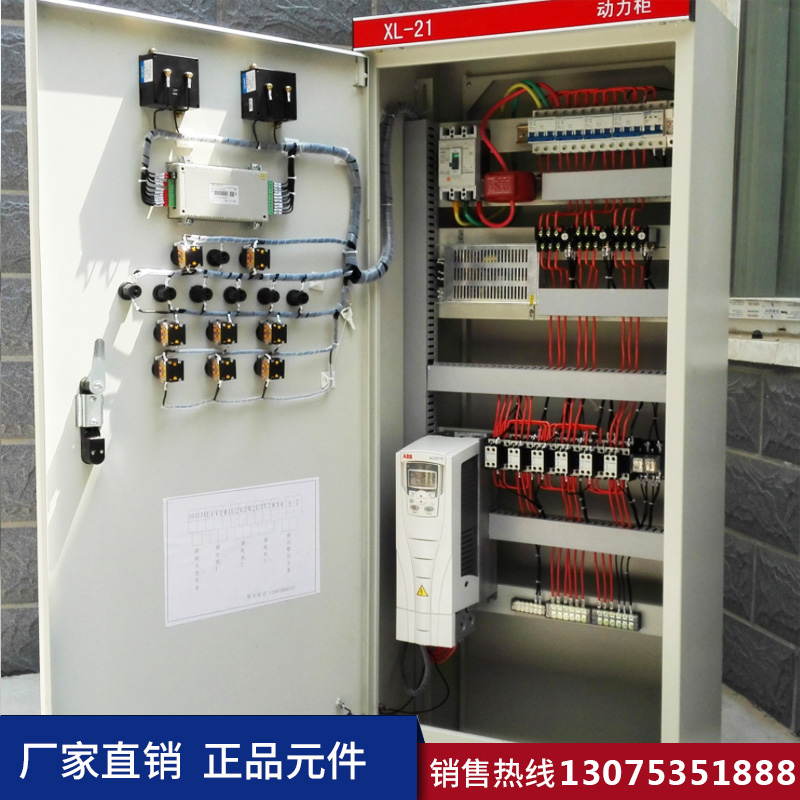
Technical Specifications:
1. Variable Frequency Control Cabinet. Direct Start Control Cabinet
Control motor power: 0.37-15 kW
Control Voltage: 380V
Control Pump Units: 1-4 units.
2. Variable Frequency Control Cabinet. Triangle Start
Control Motor Power: 15-90 kW
Control Voltage: 380V
Number of Pump Units: 1-5.
3. Variable Frequency Drive Control Cabinet. Automatic Pressure Reduction Start Control Cabinet
Motor Power Control: 15-160 kW
Control Voltage: 380V
Number of pump units controlled: 1-5.
4. Variable Frequency Control Cabinet. Fully Automatic Variable Frequency Speed Control Cabinet
Motor Power Control: 0.18-250KW; Control Voltage: 380V
Controlled motor units: 1-7 units
Pressure Control Accuracy: ±0.02 MPa.
Terms of Use:
1. Power Supply: Mains power, self-provided grid, diesel generator set; 3-phase AC 380V, (-10%, +15%), 50Hz.
2. Applicable Motor: Typically squirrel-cage induction motors.
3. Start-up Frequency: Can be started frequently; it is recommended not to exceed 20 times per hour.
4. Protection Level: IP41 or IP20.
Environmental Conditions:
Altitude not exceeding 2,000 meters (reduce capacity if over 2,000 meters), ambient temperature between -25℃ to +40℃, relative humidity not exceeding 95%, no condensation. Vibration less than 0.5G.
Application Range:
1. Constant pressure water supply control for industrial, residential, and fire protection.
2. Air conditioning cooling water circulation with constant temperature and pressure control
3. City Plaza Music
4. Automatic water supply control for fountains.