



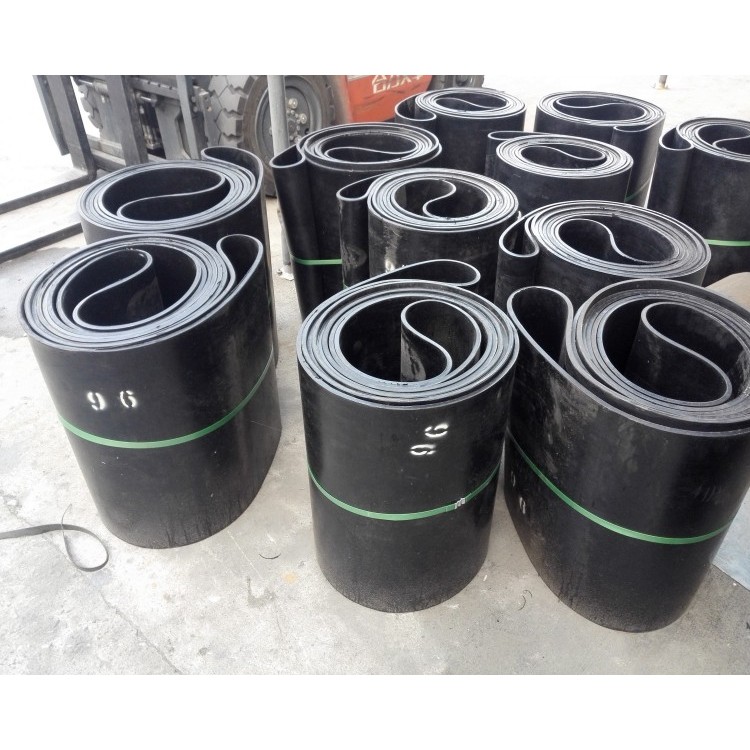








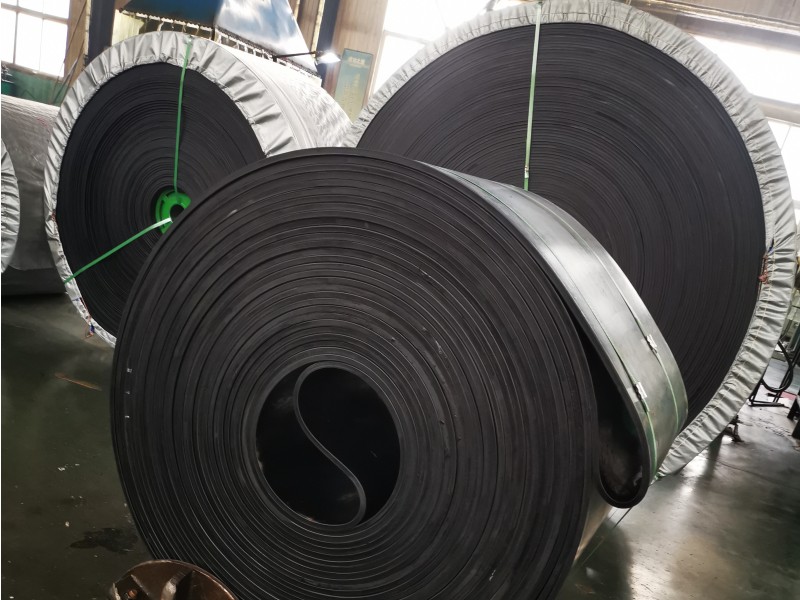
Note: 1. The circular conveyors are categorized into various types, such as the standard cotton duck circular conveyor belt, the heavy-duty circular conveyor belt, the standard heat-resistant circular conveyor belt, and the heavy-duty heat-resistant circular conveyor belt, etc.
3., Non-working surface 0-4.5mm
Maintenance Instructions
2. Store in a temperature range of -15℃ to +40℃ and a relative humidity of 50-80%.
4. The conveyor belt's operating speed should not exceed 5.0 meters per second. When transporting materials with large particle sizes and high abrasiveness, or when using a fixed plow-type unloading device, it is recommended to use low speeds as much as possible. Exceeding the specified speed can affect the lifespan of the belt.
6. To reduce the impact and abrasion of materials on the conveyor belt, the feeding direction should be in the same direction as the belt's movement; the drop height of materials onto the belt should be minimized as much as possible; the feeding opening should avoid being directly above the roller or idler; the belt's receiving section should shorten the spacing between idlers and take buffering measures. To prevent the belt from being scratched, the contact parts of the material挡料装置 scraper cleaning device and unloading device should be made of rubber plates with suitable hardness, and avoid using belt heads with fabric layers.
A. Prevent the roller from being covered by material, which may cause poor rotation. Avoid material leakage and jamming between the roller and conveyor belt. Pay attention to the lubrication of moving parts, but do not allow oil to contaminate the conveyor belt.
C. If the tape is running off-center, timely corrective measures should be taken.
Avoid obstructions by shelves, pillars, or bulk materials to prevent tearing or puncturing of the tape.













