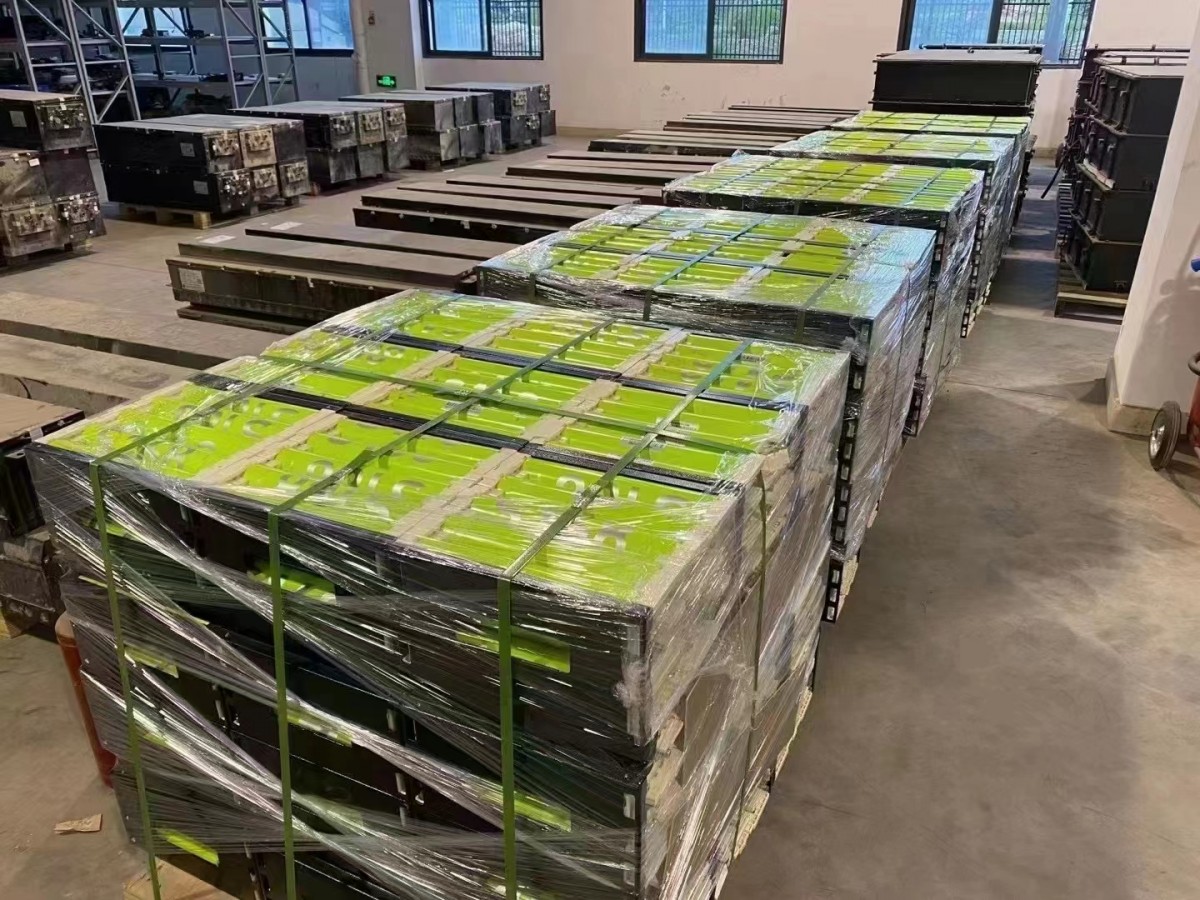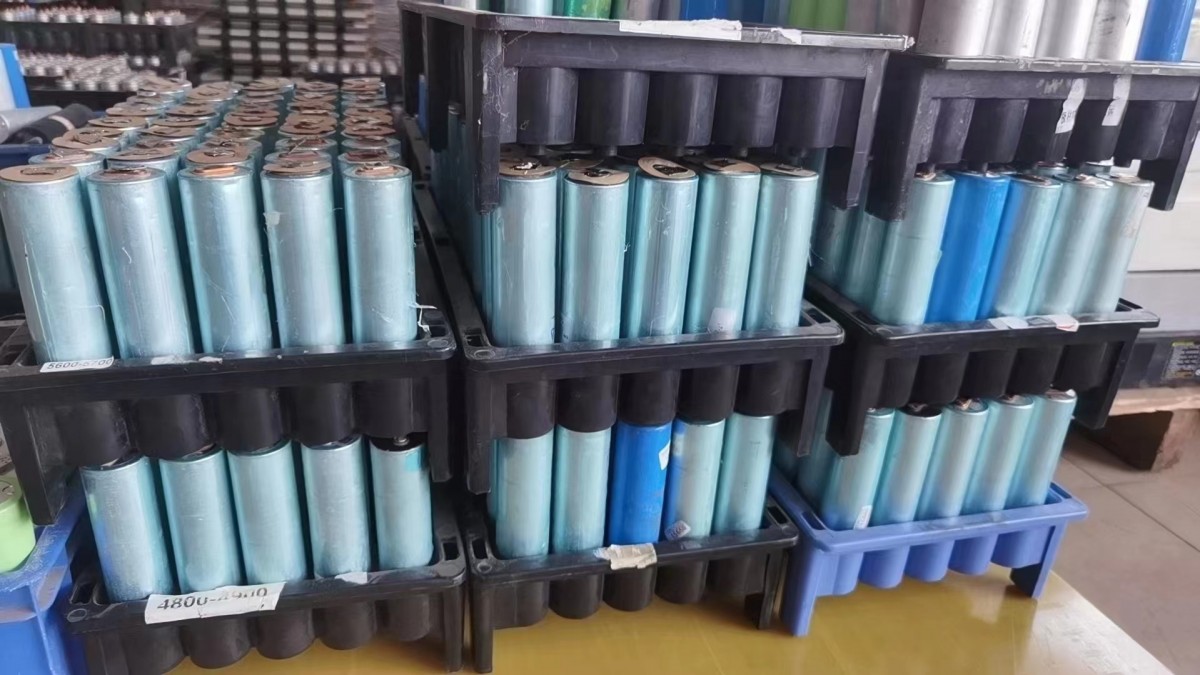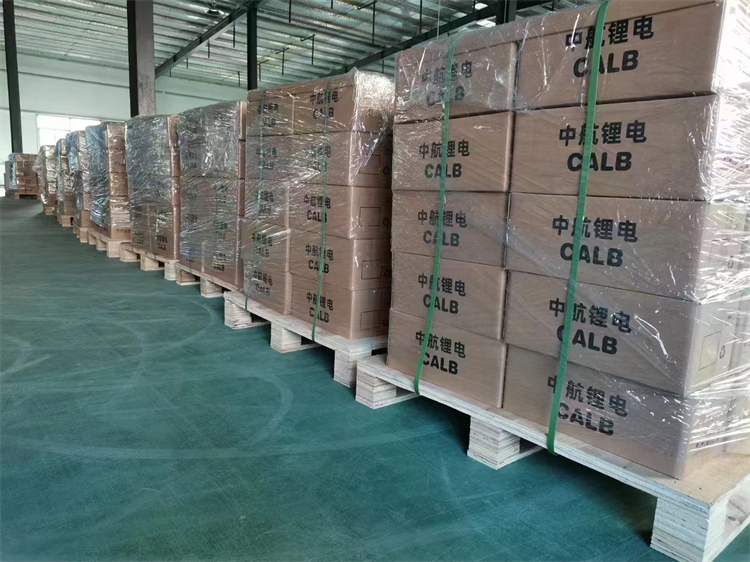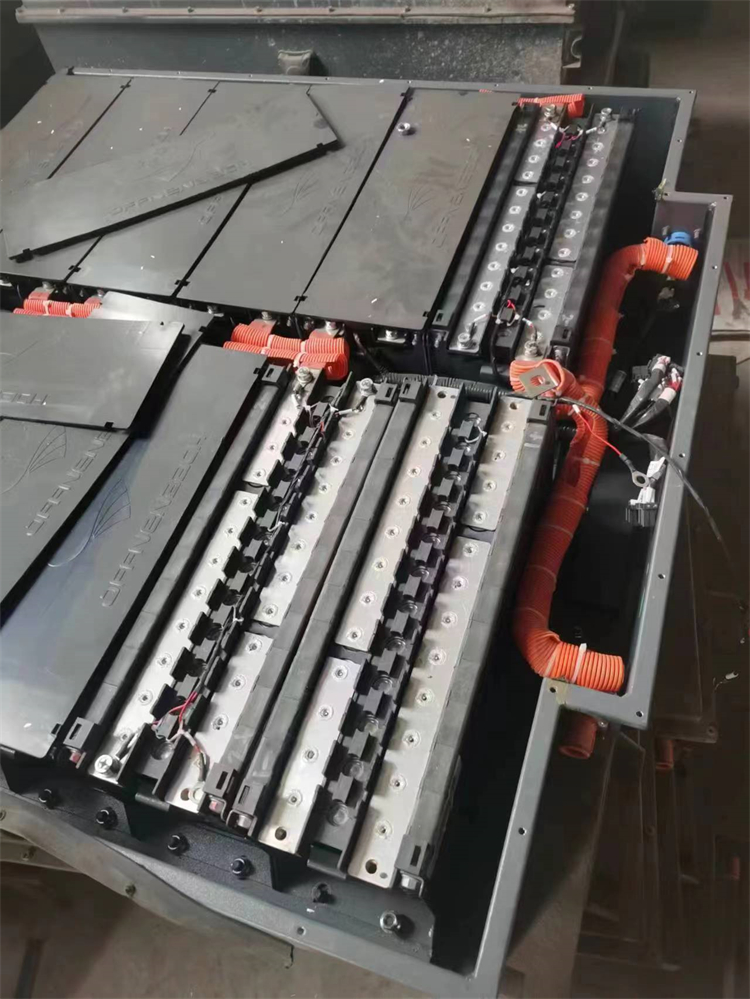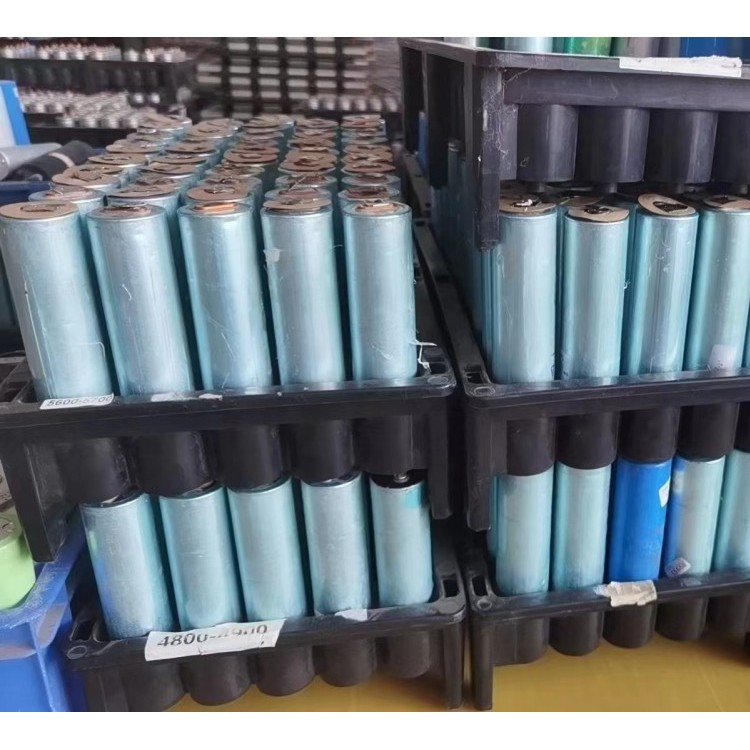

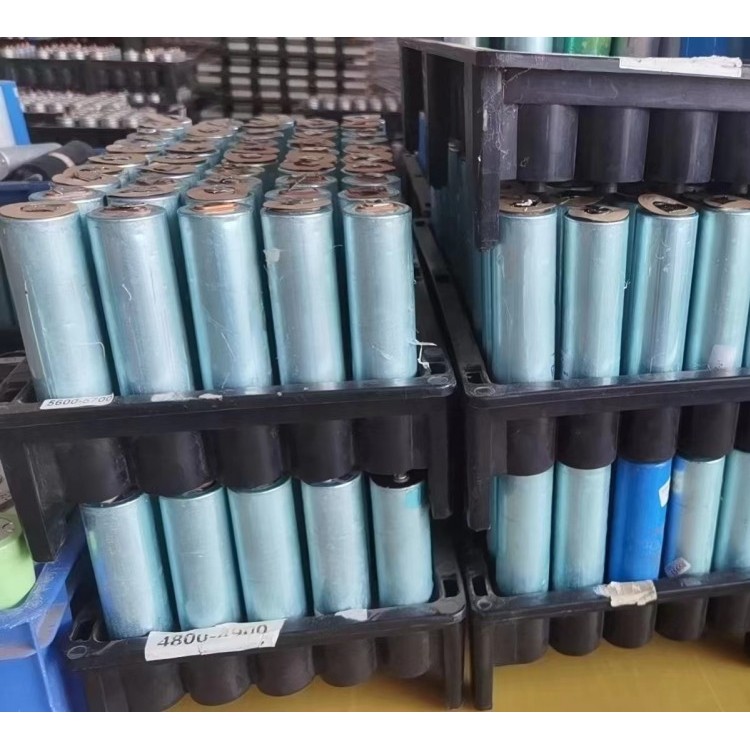
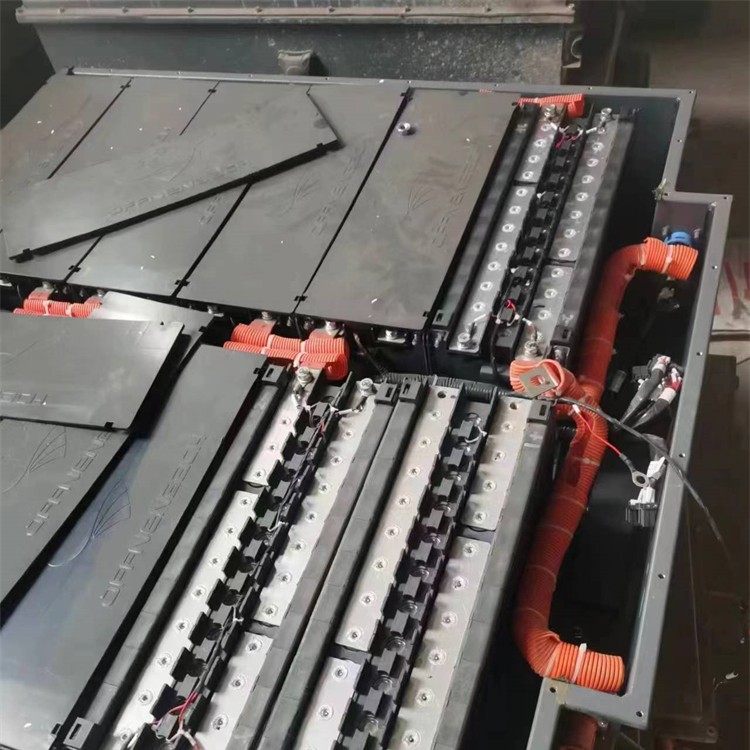









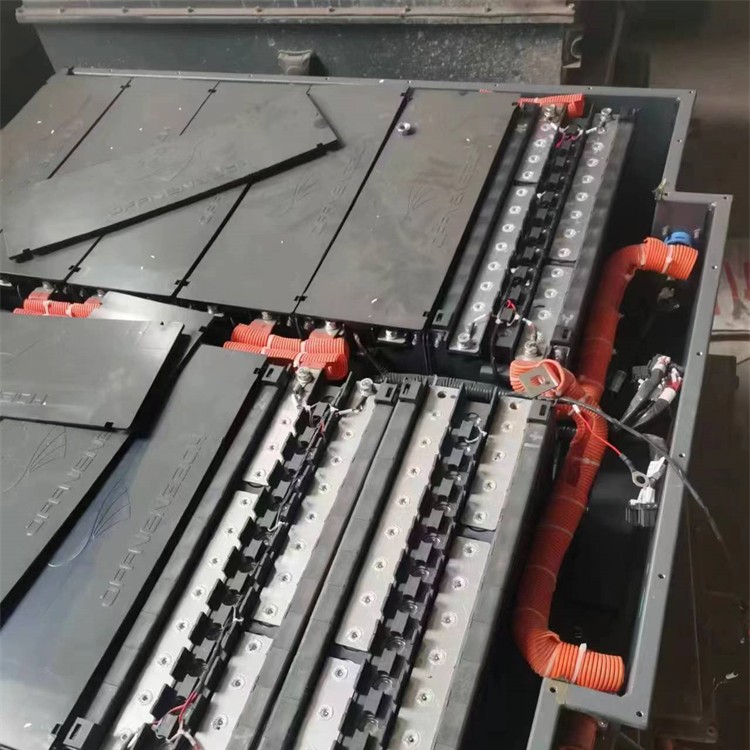
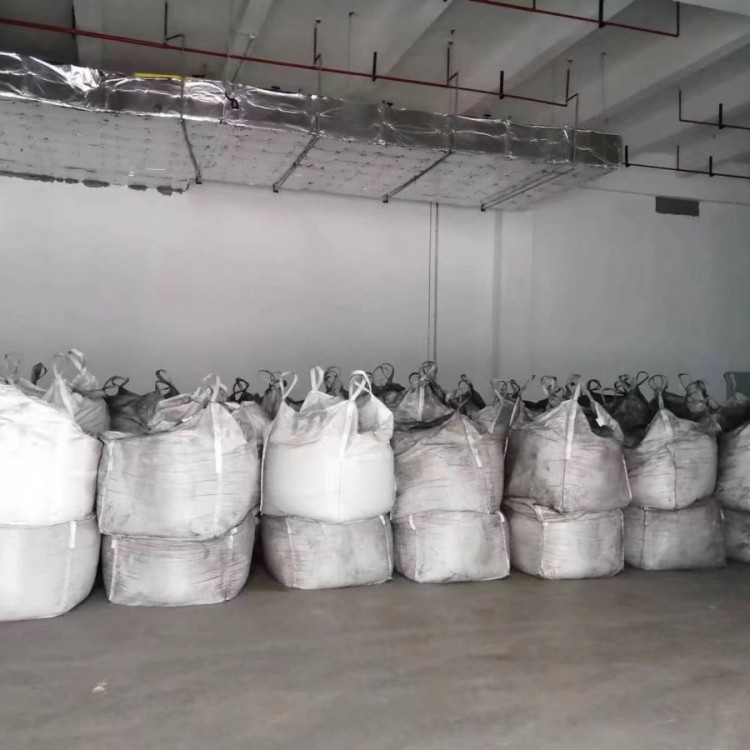

New energy vehicle lithium battery recycling and reuse
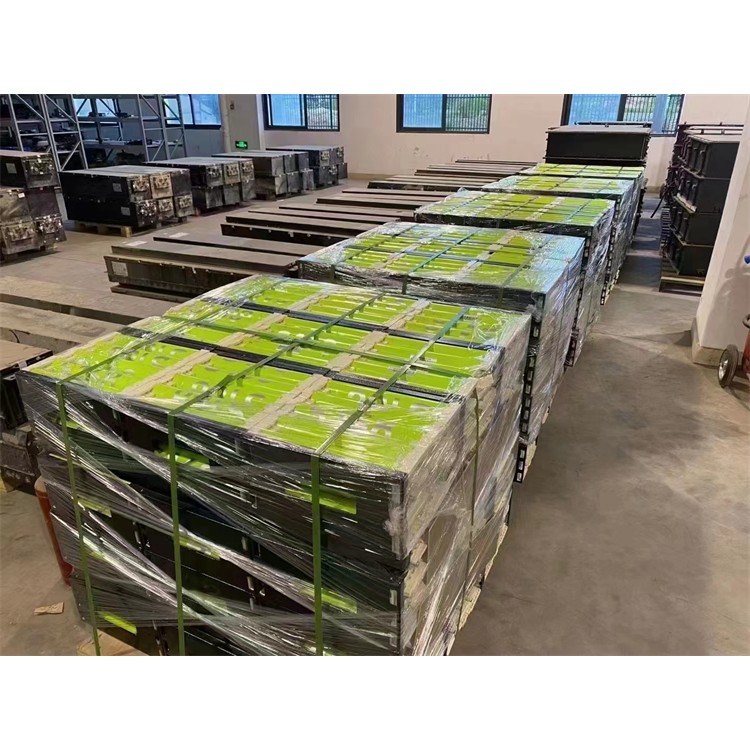
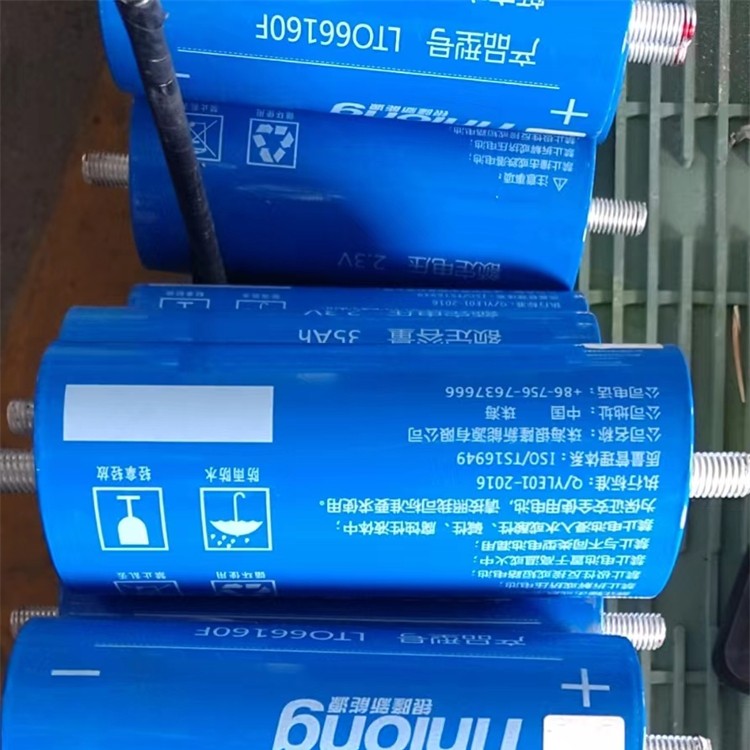
1. Lithium-ion battery recycling requires discharging and disassembly, removing the casing, and separating the anode material, electrolyte fluid, and electrolyte. Then, the materials are recycled. The technology for lithium-ion battery recycling includes both the disassembly and recycling of materials from different parts.
2. What qualifications are required for the recycling and processing equipment of spent lithium batteries, including crushing and separation, for the recycling and non-usage of spent lithium batteries?
3. Waste Lithium-ion Battery Recycling and Treatment Equipment, reducing environmental pollution caused by waste lithium-ion batteries and enhancing the recovery value of various valuable metal elements in lithium-ion battery materials.
We hold a hazardous waste operation license approved by the Environmental Protection Bureau, strictly adhering to non-hazardous disposal and no three-waste emissions standards.
5. Lithium-ion battery recycling and processing equipment complies
Lithium batteries are a type of primary battery that uses lithium metal or lithium alloys as the negative electrode material and a non-aqueous electrolyte solution. They are different from rechargeable batteries such as lithium-ion batteries and lithium-ion polymer batteries. The inventor of the lithium battery was Edison. Due to the highly reactive chemical properties of lithium metal, its processing, storage, and use require an extremely high environmental standard. This is why lithium batteries were not widely applied for a long time. With the development of microelectronics technology at the end of the 20th century and the increasing demand for miniaturized equipment, the requirements for power sources have become very high. Lithium batteries then entered the large-scale practical stage. Our company specializes in lithium battery recycling. Please feel free to call us.