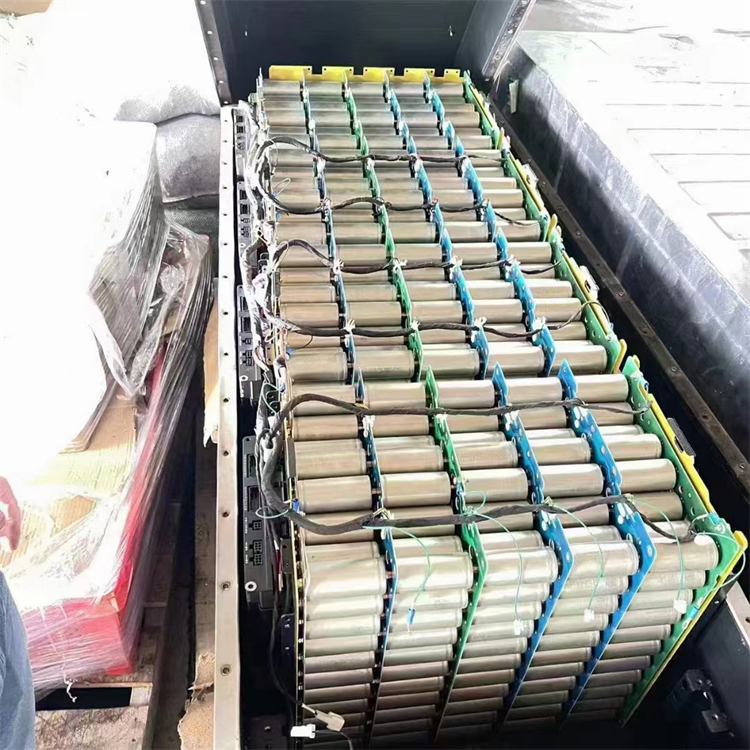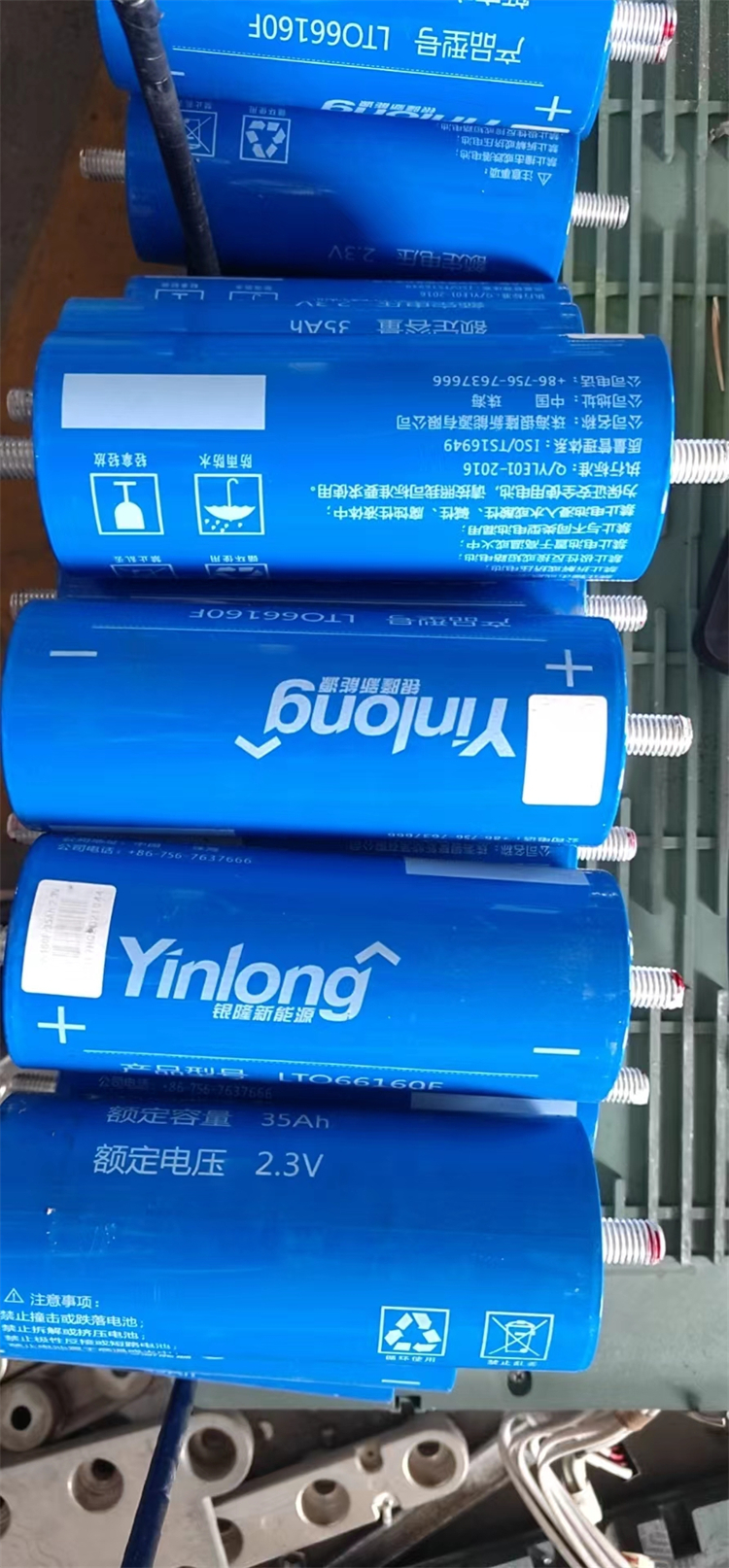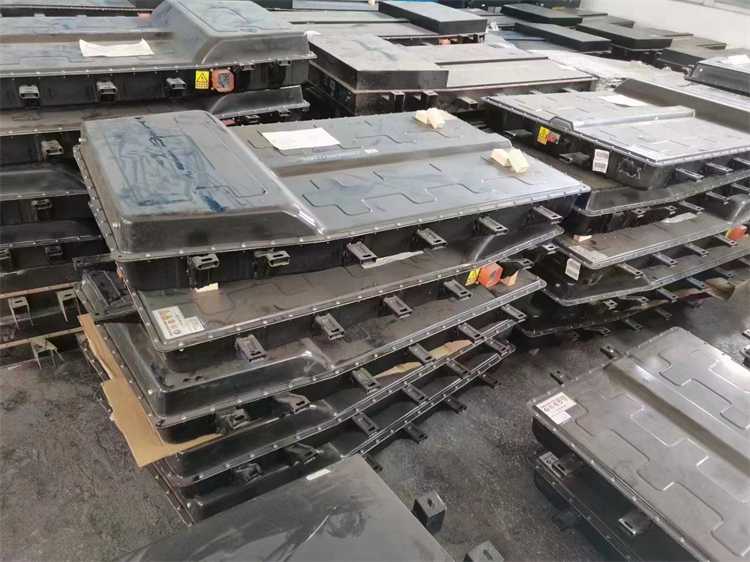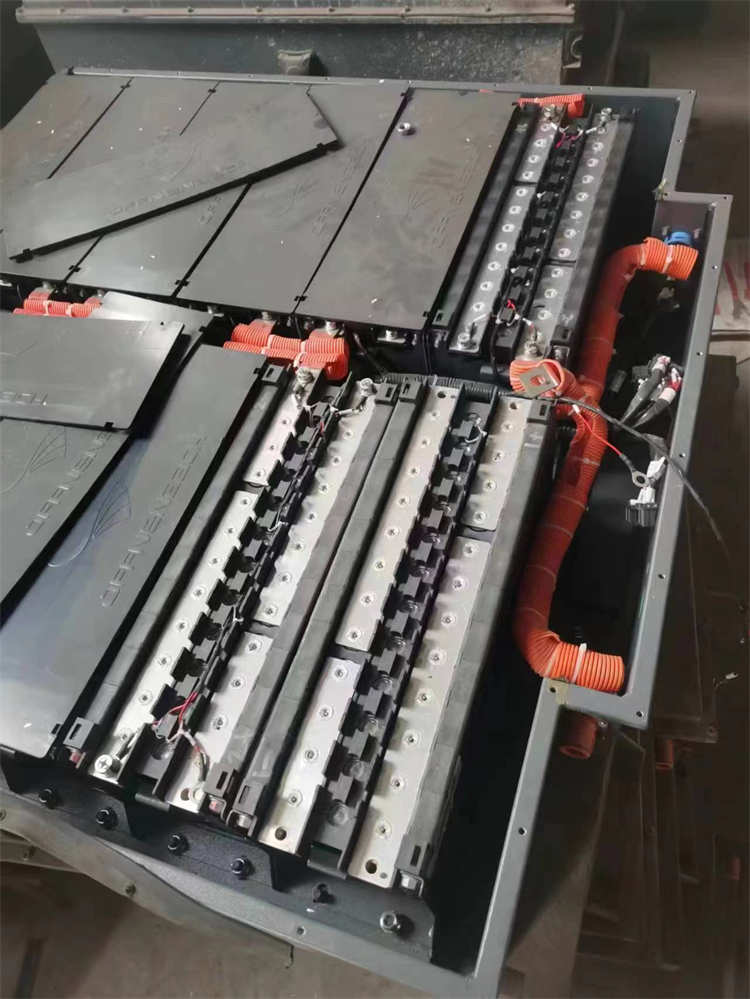

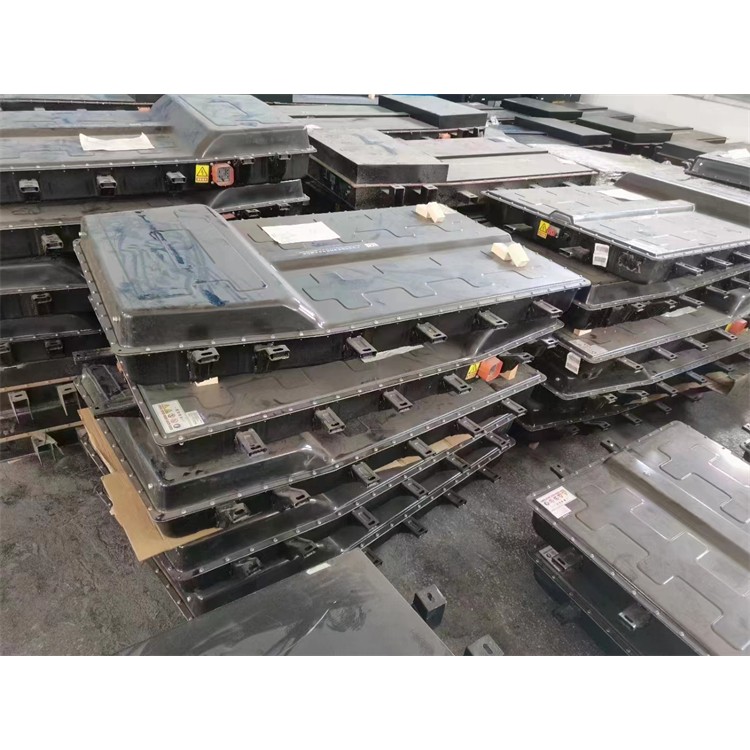
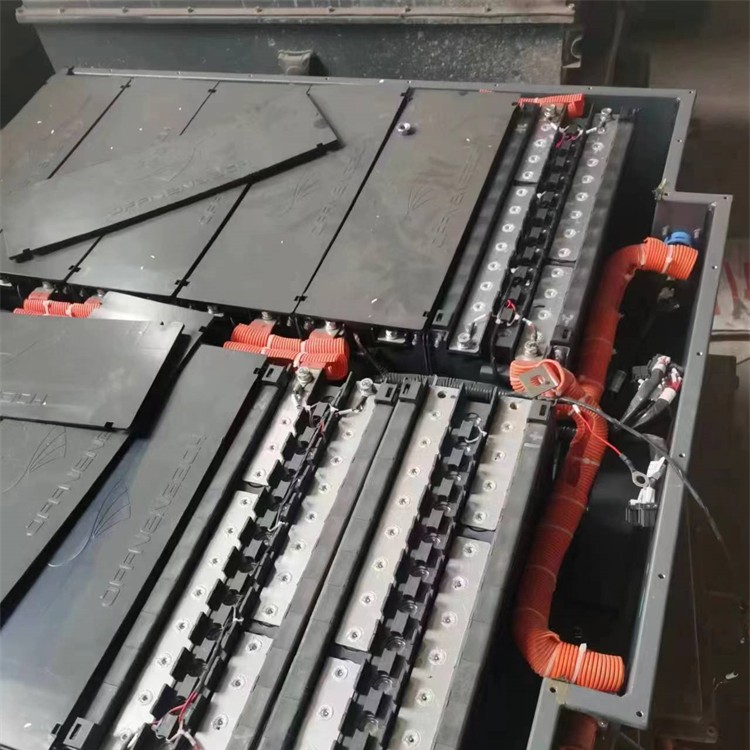









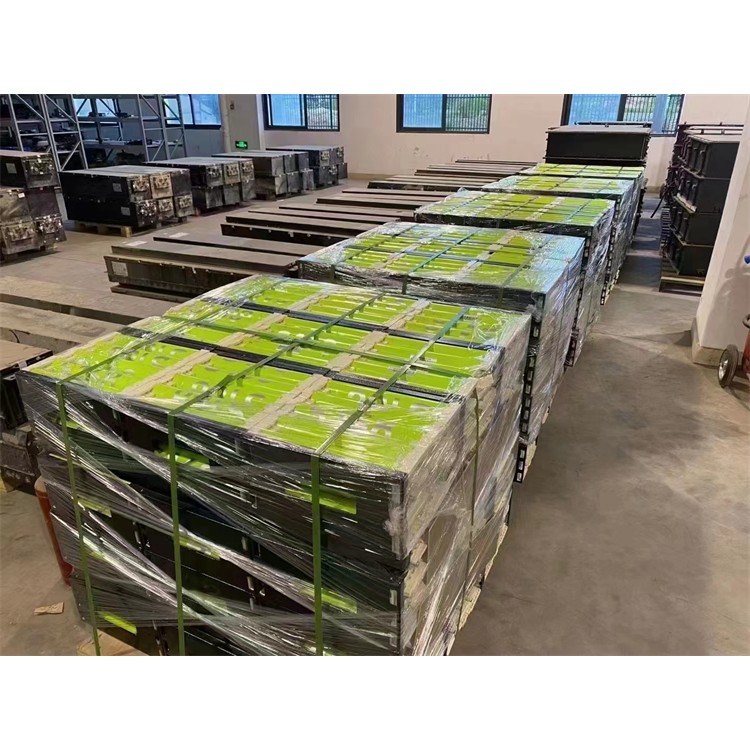
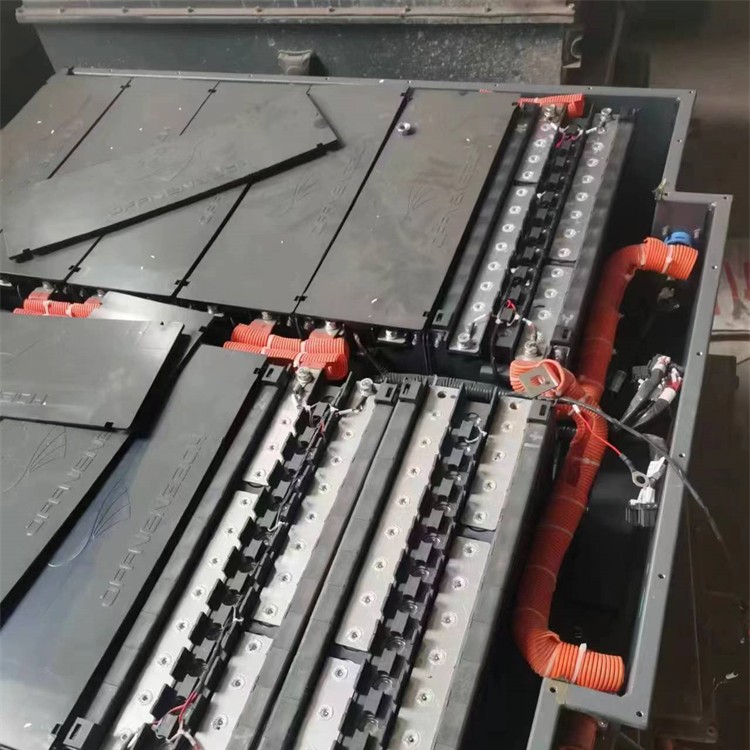
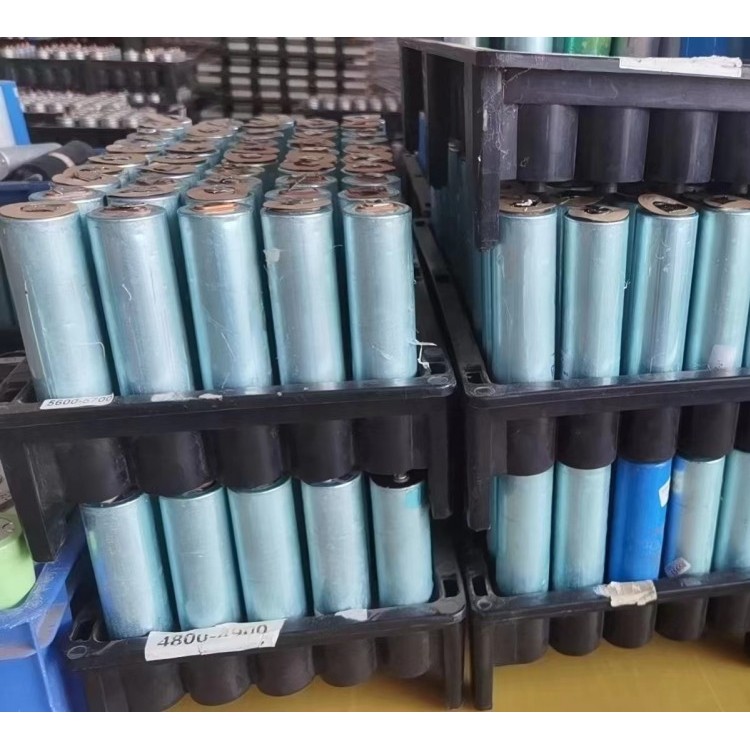

Battery recycling is an activity aimed at reducing the number of batteries disposed of as urban solid waste. Batteries contain a large amount of heavy metals and chemicals, and their disposal methods are similar to those of household waste, which has raised concerns about soil and water pollution.
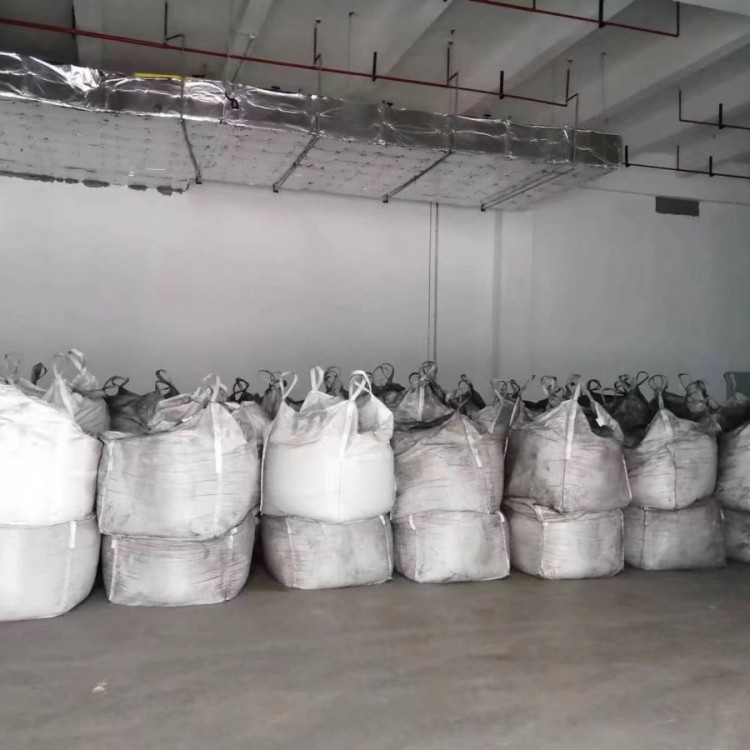
Lithium-ion batteries and LiFePO4 batteries typically contain valuable metals such as advanced copper and aluminum, in addition to transition metals cobalt and nickel, and rare earth elements (depending on the active material). To prevent future shortages of cobalt, nickel, and lithium, and to ensure a sustainable lifecycle for these technologies, a recycling process for lithium batteries is necessary. This process must not only reclaim cobalt, nickel, copper, and aluminum from spent batteries but also recover lithium. Another potentially valuable and recyclable material is graphite and manganese. Currently, depending on the separation technology, recycling processes can recover approximately 25% to 96% of the materials from lithium-ion battery cells. To achieve this goal, multiple steps are combined into a complex process chain, particularly considering the task of recovering large quantities of valuable materials while addressing safety concerns.