








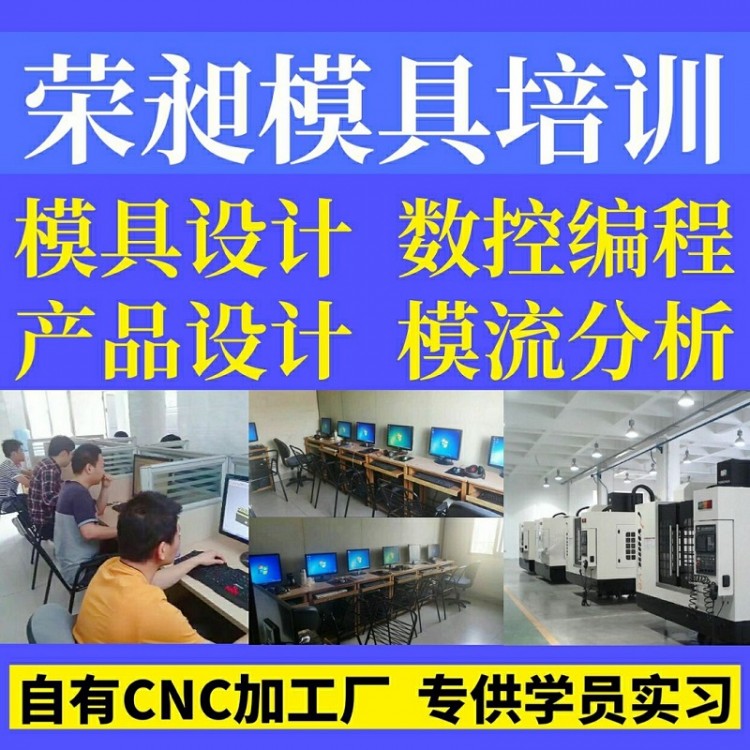


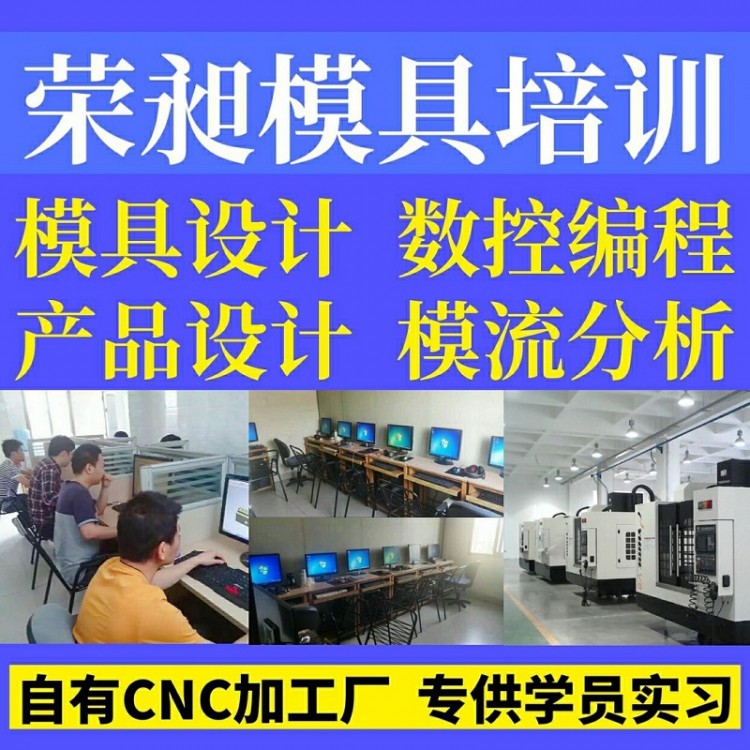

Plastic mold training is primarily aimed at mold digital designers, programming and processing technology personnel, intelligent molding process technicians, mold project managers, and mold processing automation debugging technicians.
Plastic Molding Training Content:
What is a mold?
Molds are tools used in industrial production for various methods such as injection molding, blow molding, die casting, stamping, and stretching to obtain the required products. They are devices used to define the shape and size of the objects being produced.
2. Plastic Molding Categories: Injection molding molds; Gas-assisted molding molds; Extrusion molding molds, etc.
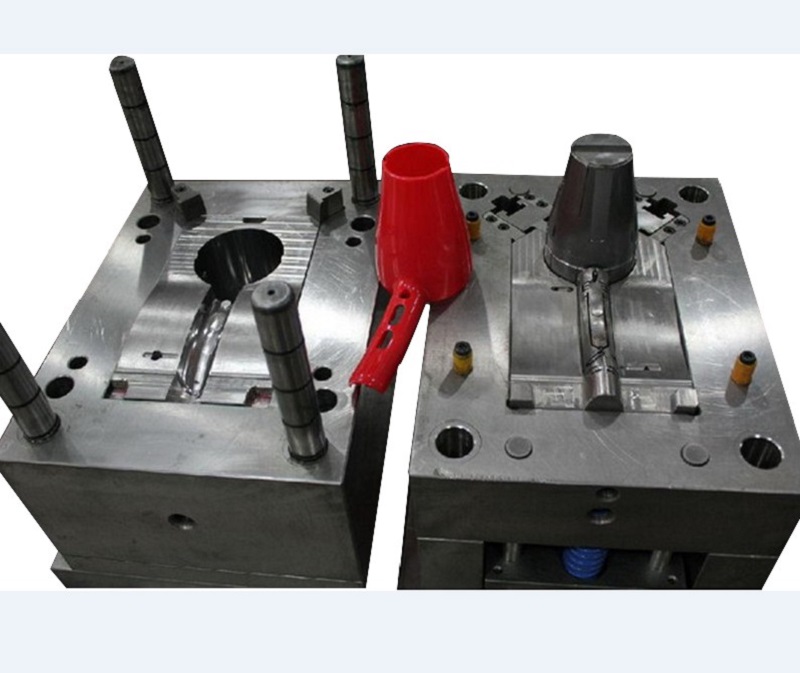
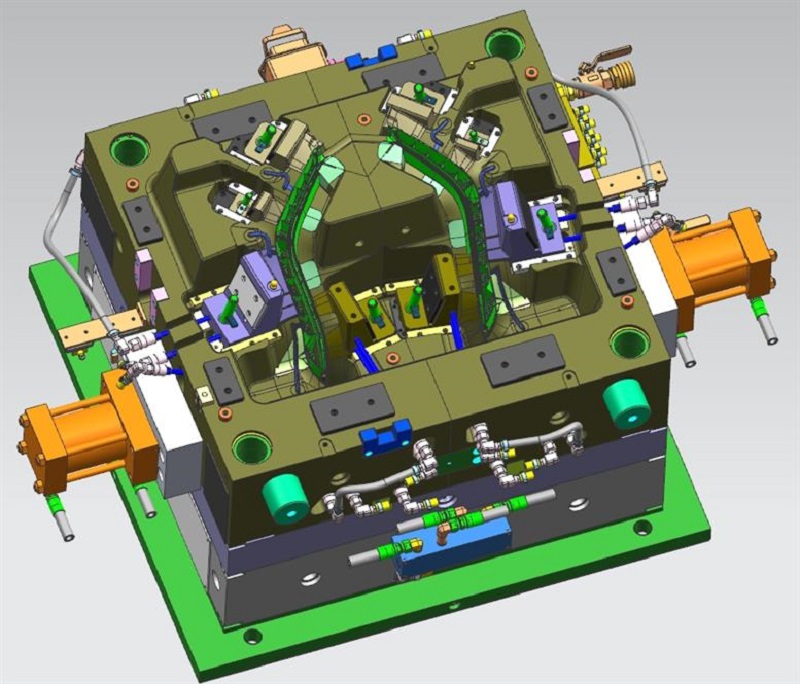
3. A set of plastic mold is generally divided into two parts: the fixed mold and the moving mold.
The mold is mounted on the fixed bed of the injection molding machine, connected to the feeding device at the rear; the moving mold is mounted on the movable bed of the machine tool, opening and closing with the movable bed during operation, dividing at the parting surface.
4. Principle of Plastic Molding:
During the molding process, plastic granules are first added to the heated barrel of an injection molding machine. The plastic melts upon heating, and under the push of the machine's screw or plunger, it is injected through the nozzle and mold浇注 system into the mold cavity. The molten plastic hardens and takes shape due to physical action, forming the injection-molded product.
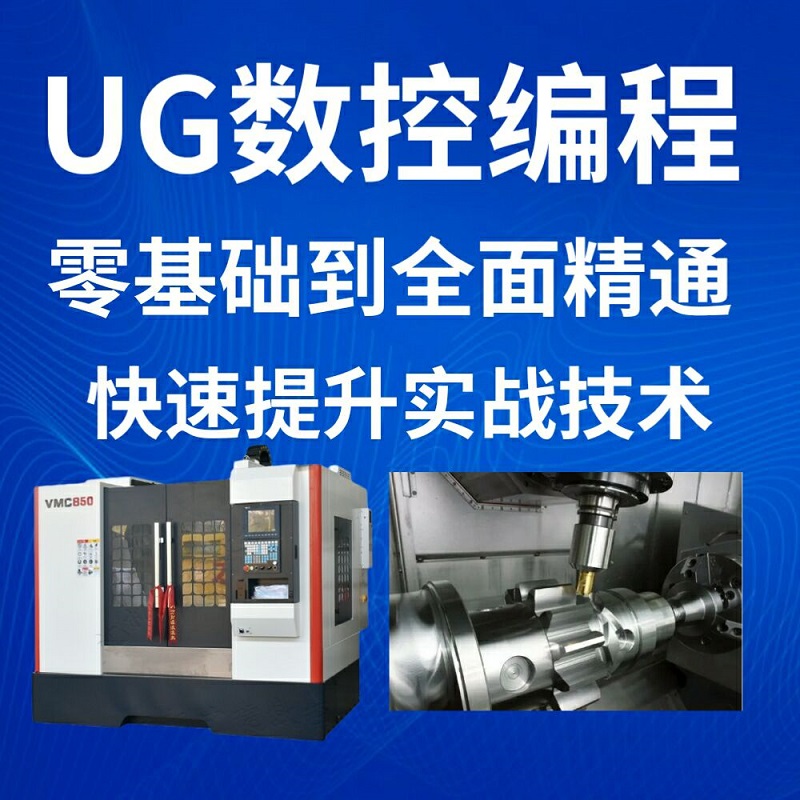
Plastic mold training is a technical course with a diverse range of fields, including plastic mold design software and machining centers, making it quite comprehensive. Therefore, studying mold design should involve a multifaceted technical approach.
The study of plastic mold software employs a project-based teaching method. By designing a mold, students master the command system available in the plastic mold software. This teaching approach is innovative, though project-based learning has been proposed for a long time, it's not easy to implement effectively in teaching. This mold training method efficiently addresses the challenges of limited training time and heavy workload, enabling students to acquire a wealth of knowledge in a short period.
It is understood that with the development of China's industrialization and the increasing demand for high-quality mold technology from various factories, the demand for top-grade mold design talents in our country has been growing year by year. Consequently, many plastic mold training institutions have emerged in society. Moreover, as plastic mold design is a popular type of mold design today, the training courses for plastic mold design offered by many mold training institutions are highly sought after.
Currently, the training courses offered by various mold training institutions vary in teaching methods, featuring a wide range of formats. Each mold training course has its own advantages, and students should choose the one that suits them best based on their own circumstances.
In plastic mold training, multiple instructors correspond with one student, allowing teachers to easily track the student's learning progress and difficulties. This enables them to quickly and more effectively develop tailored teaching methods that cater to the students' needs. Students can also find learning methods that suit them from different instructors, truly acquiring knowledge about plastic molds. Moreover, in a 1-on-1 scenario, students can seek guidance from the appropriate teacher whenever they encounter knowledge hurdles, ensuring they quickly grasp relevant concepts. Additionally, the pricing for 1-on-1 plastic mold training courses is generally transparent, further safeguarding the students' interests.
Students initially study theoretical knowledge, followed by practical experience at either the mold design or CNC programming training sites, ensuring a true blend of theory and practice!













