








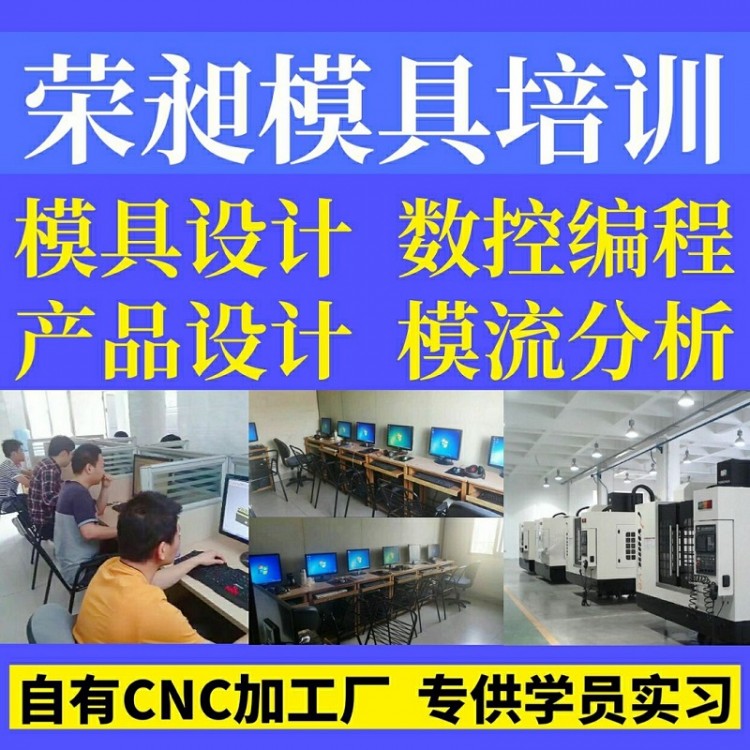



Plastic mold training is primarily aimed at digital mold designers, programming, processing, and manufacturing technology personnel, intelligent molding process technicians, mold project managers, and mold processing automation debugging technicians.
According to information, as China's industrialization progresses and factories demand higher quality and technical standards for the "mother of industries" – molds, the demand for top-grade mold design talent has been increasing year by year. Consequently, there has been a surge in plastic mold training institutions. Since plastic mold design is a popular type of mold design today, the design courses offered by many mold training institutions are highly sought after.
Currently, the training courses offered by various mold training institutions vary in teaching methods, with a diverse range of formats. Each mold training course has its own strengths, and students should choose a course that suits their needs based on their own situation.
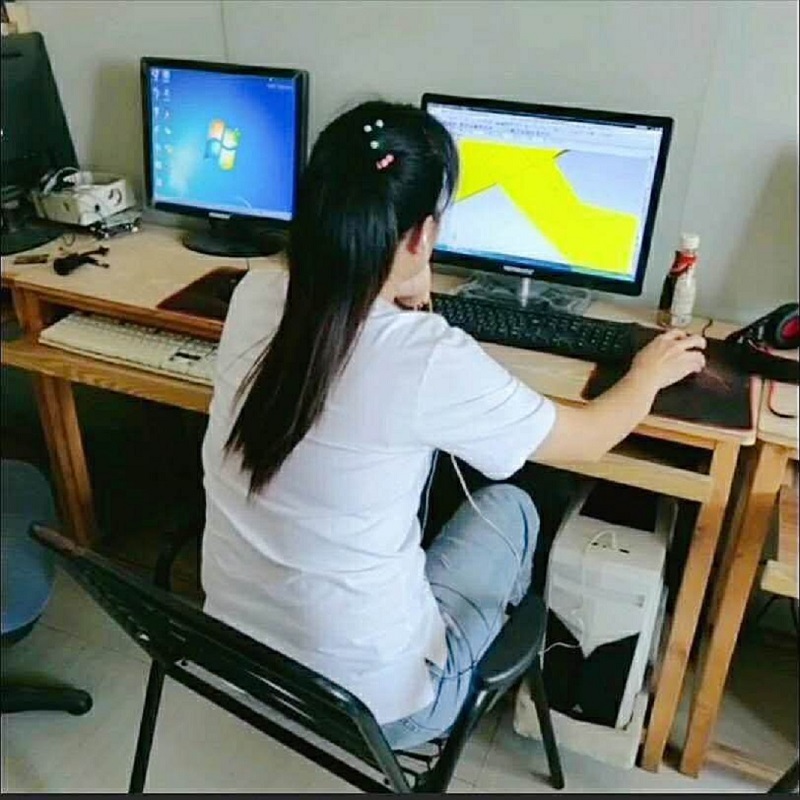
In plastic mold training, multiple instructors correspond to one student, allowing teachers to easily track students' learning progress and difficulties. This enables them to quickly and effectively develop tailored teaching methods that cater to individual students. Students can also find learning methods that suit them best from different instructors, truly mastering plastic mold knowledge. Moreover, in a one-on-one scenario, students can seek guidance from suitable teachers whenever they encounter knowledge hurdles, ensuring they quickly grasp relevant concepts. Additionally, the pricing for one-on-one plastic mold training courses is typically transparent, further safeguarding students' interests.
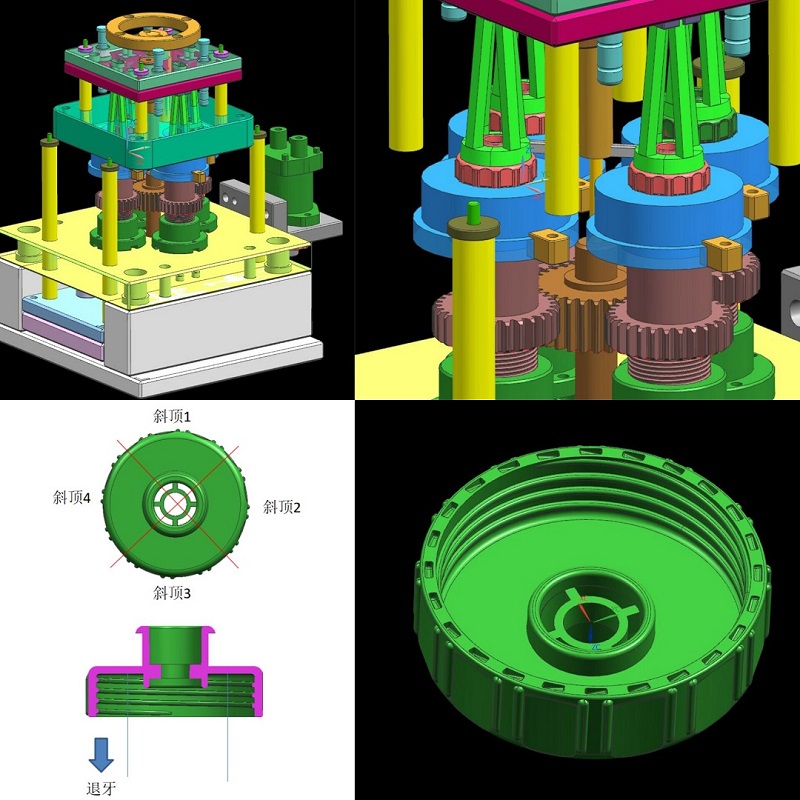
Plastic Mold Training Content:
What is a mold?
Molds are tools used in industrial production to obtain desired products through methods such as injection molding, blow molding, die casting, stamping, and stretching. They are devices used to define the shape and size of the objects being produced.
2. Plastic Mold Classification: Injection molding mold; Gas-assisted molding mold; Extrusion molding mold, etc.
3. A set of plastic mold is generally divided into two parts: the fixed mold and the moving mold.
The mold is mounted on the fixed bed of the injection molding machine, connected to the feeding device of the machine; the moving mold is installed on the movable bed of the machine tool, opening and closing the mold at the parting line during operation, and moving together with the movable bed during closing.
4. Principle of Plastic Molding:
During the molding process, plastic granules are first added to the heated barrel of an injection molding machine. The plastic melts upon heating, then, under the push of the injection machine's screw or plunger, it passes through the nozzle and the mold's gating system into the mold cavity. The molten plastic hardens and takes shape due to physical action, forming the injection-molded product.

Our team is stable, boasting strong technical capabilities and expertise in teaching. Students' programmed code is reviewed by teachers before being scheduled for machine processing, verifying the program and the rationality of the process. We emphasize practical teaching, offering free retake sessions for those who don't grasp the content in one go, until they master the skills, and we reject theoretical discussions without practical application!
We specialize in learning leading software applications such as UG Mold Design, Moldflow Analysis, CAD Drafting, UG Programming, Powermill Programming, Creo Product Design, SolidWorks Mechanical Design, Mastercam Programming, and Cimatrion Programming. We start from scratch and teach until you land a job, and we also offer job recommendations after you've mastered the skills.













