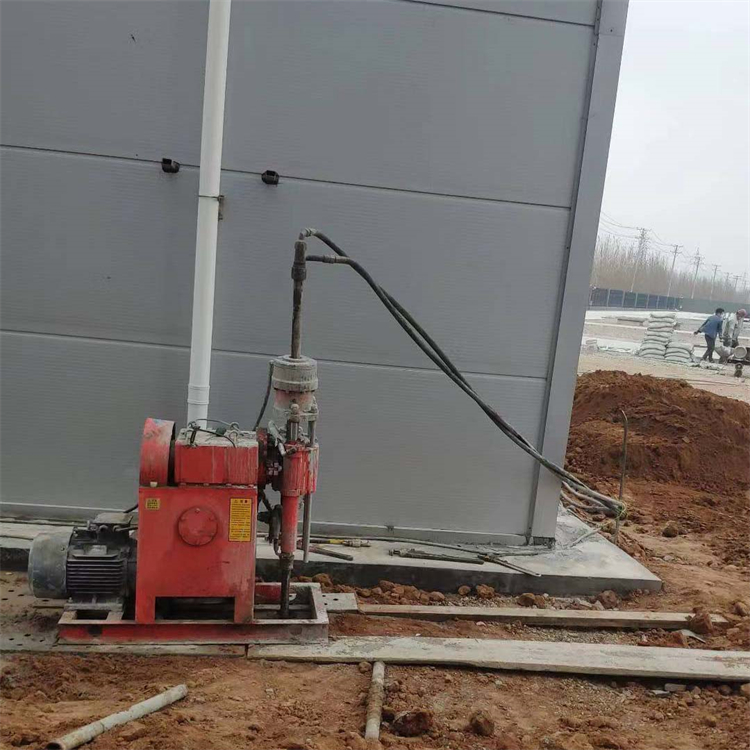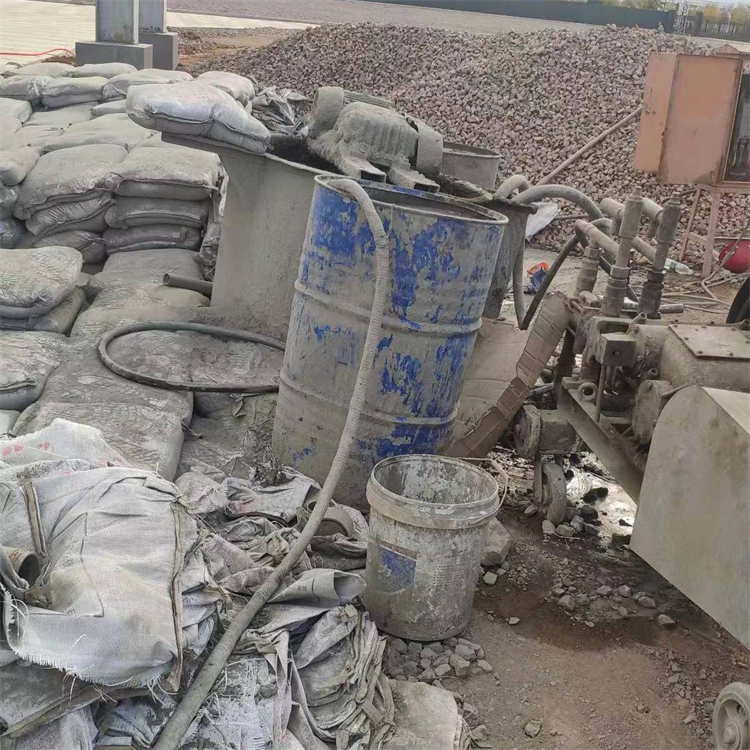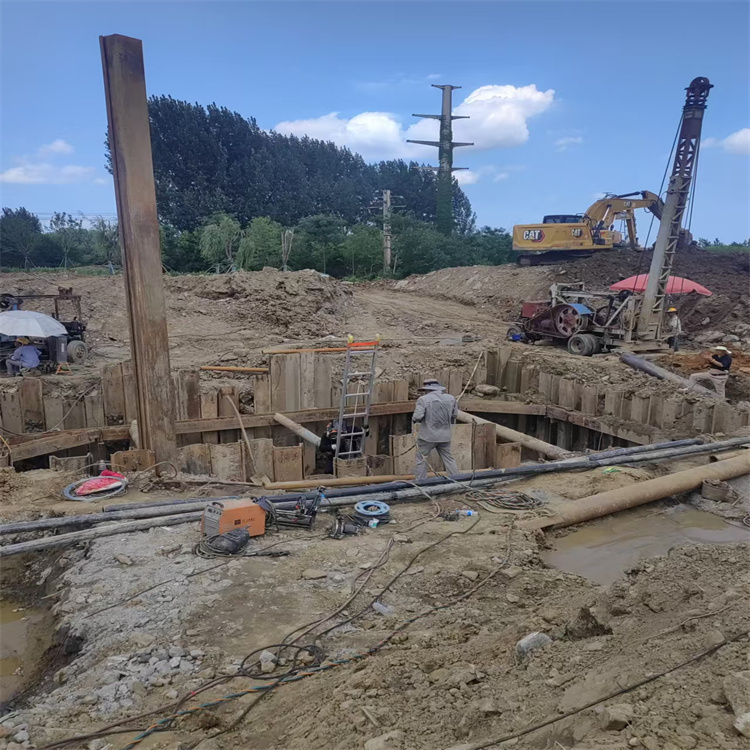










Grouting reinforcement is suitable for地基加固, including sandy soil, silt soil, clay soil, and artificial fill soil.
Before grouting reinforcement design, it is advisable to conduct indoor slurry mixing tests and on-site grouting tests to determine design parameters and inspect construction methods and equipment; if regional experience is available, design parameters can be determined according to regional experience.
Grouting reinforcement design shall comply with the following provisions:
1. For ground reinforcement with slurry grouting, a suspension liquid with cement as the main agent or a two-liquid mixture of cement and water glass can be chosen. For anti-seepage and leak plugging grouting, water glass, a mixture of water glass and cement, or chemical slurry can be used, but chemical slurries harmful to the environment should be avoided. For reinforcing soil layers with groundwater flow, single-liquid cement slurry should not be used; instead, two-liquid grouting or a fast-setting alternative with a short initial setting time is recommended. Compaction grouting can use low slump cement mortar and drainage channels should be set up.
2 The spacing of grouting holes should be determined based on on-site tests, preferably 1.2m to 2.0m; grouting holes can be arranged on the inner or outer side of the foundation, or within the foundation. After grouting within the foundation, measures should be taken to seal the holes in the foundation.
3 The initial setting time of the slurry should be determined based on the soil conditions of the foundation and the purpose of grouting. For sandy soil foundations, it is recommended to be 5-20 minutes, and for clayey soil foundations, 1-2 hours.
4 The preliminary design of the injection volume and effective range of injection can be determined by empirical formulas.