










Civilian building foundation settlement treatment methods
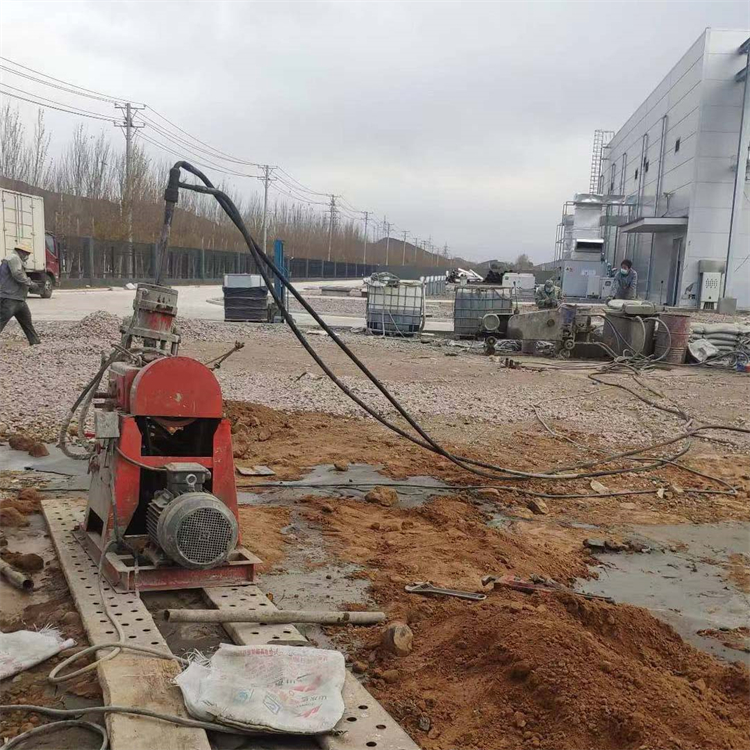
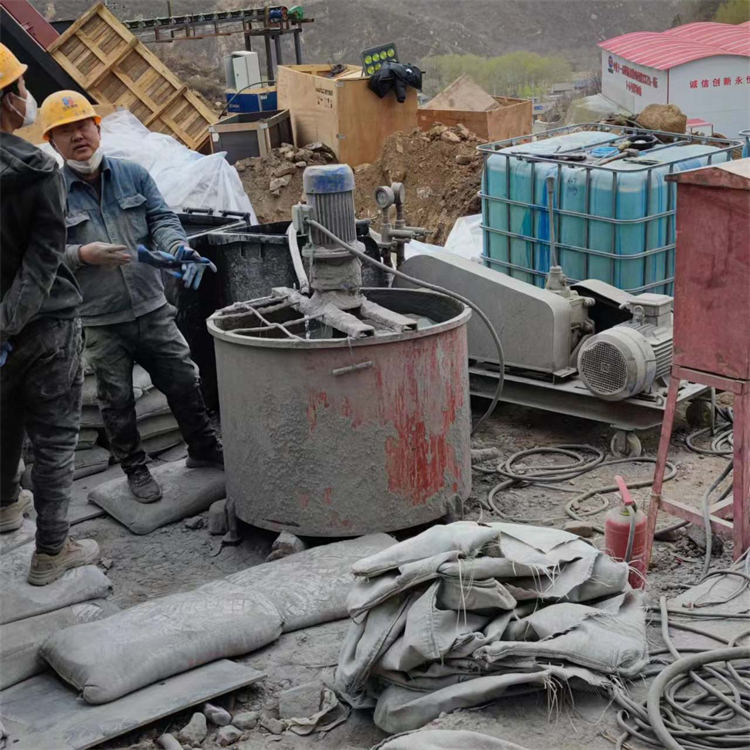
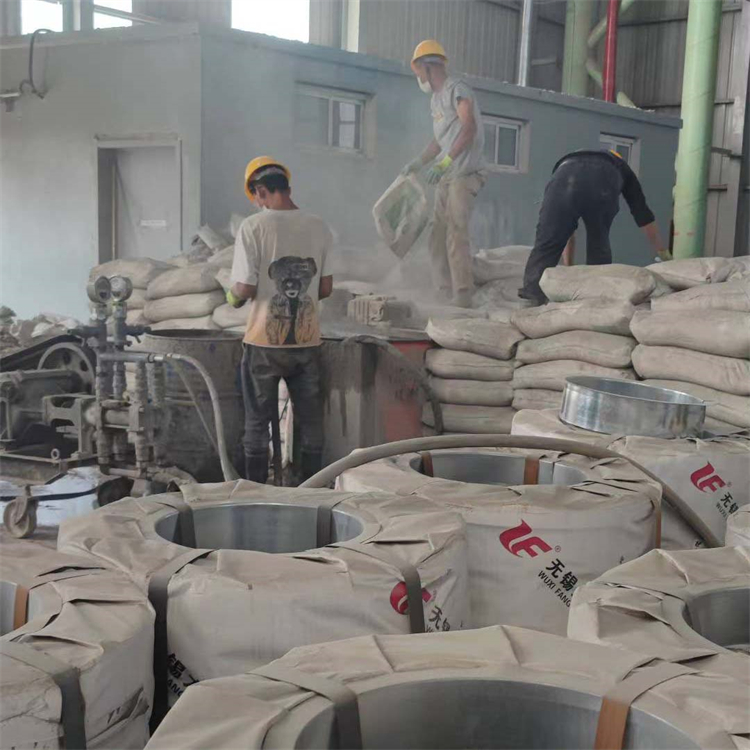
1. Geopolymer reinforced
Material expansion, with shallow foundation treatment that fails to penetrate deep into the strata, resulting in low stability. Moving items on the ground or within warehouses can lead to dust pollution, affecting the health and well-being of surrounding residents.
Advantages:
Due to the shallow foundation reinforcement treatment of this scheme, the process is simple and time-efficient.
Disadvantages:
① Only the shallow surface layer of the foundation has been improved, making it difficult to address issues through easily settling soil layers, such as silt layers. Therefore, the problem of factory settlement has not been resolved at its root. It does not meet the requirements for deep foundation treatment of modern skyscrapers.
②Foundation treatment for high-rise and super high-rise buildings cannot guarantee material stability.
③ The self-expansion of the material lifting the building to be raised cannot guarantee against secondary settlement.
④ Materials used are non-degradable beneath the soil, placing a heavy burden on the ecological environment and impacting the sustainable development of the environment.
⑤ The use of materials different from traditional construction methods significantly increased costs, adding to the financial burden on the client.
2. Rework and Reconstruction
Reconstruction would have a significant negative impact on all parties, including owners, developers, local communities, and even the surrounding ecological environment. It would also represent a waste of social resources in terms of allocation and distribution.
Advantages:
To ensure the quality of construction and protect the rights and interests of the owners, it seems to be a universally considered method of dealing with uneven settlement of the building.
Drawbacks:
① Rebuilding due to rework is time-consuming and labor-intensive.
② Demolition and renovation will lead to factory shutdown. For larger manufacturers, each day of halt in production will result in significant economic losses.
③ Failure to operate the factory as scheduled negatively impacts employees and society, significantly diminishing the brand's benefits.
④ Noise, dust, and waste generated during the demolition process can impact the health of nearby residents and impose a heavy burden on environmental degradation.
⑤ Demolition and reconstruction will prompt the reallocation and reconfiguration of resources, leading to occupation and waste of public resources.