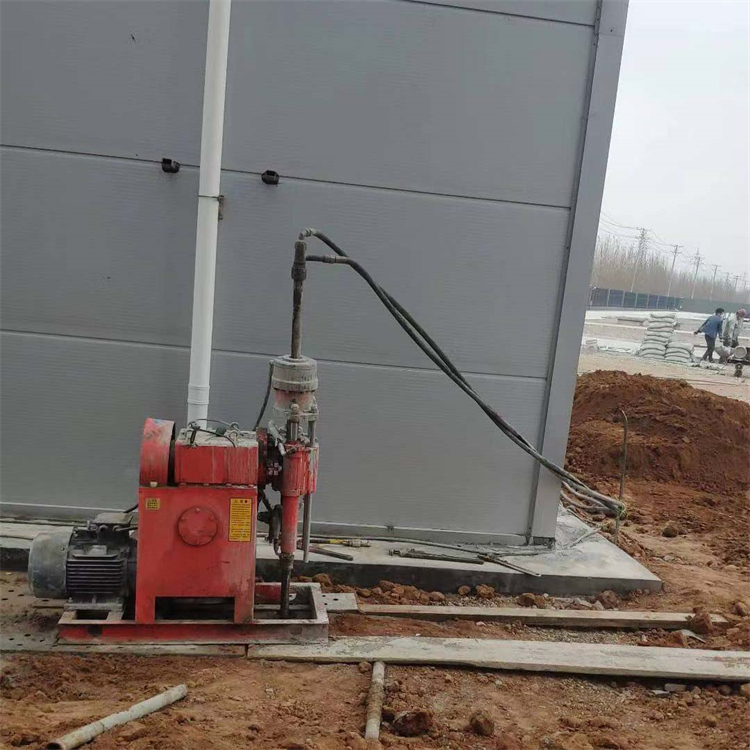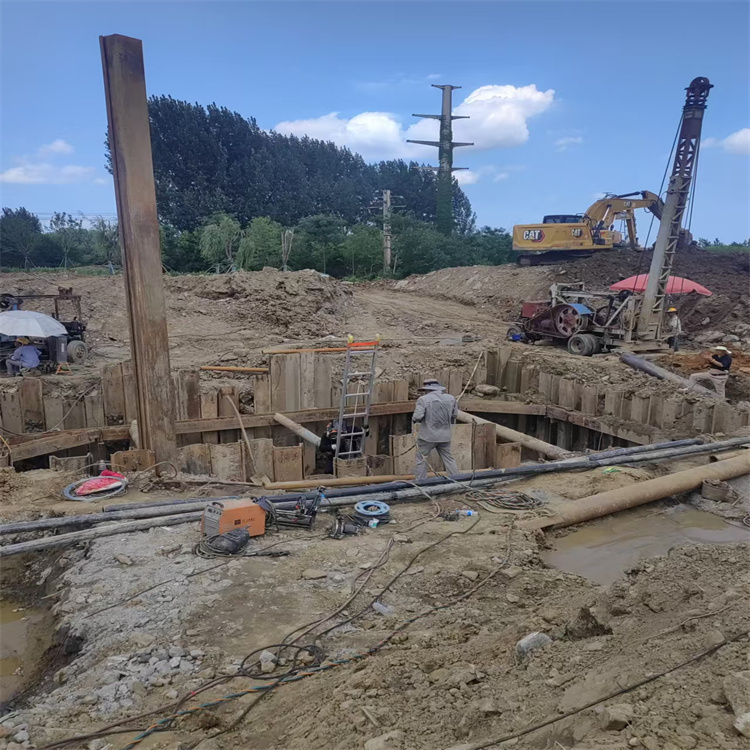








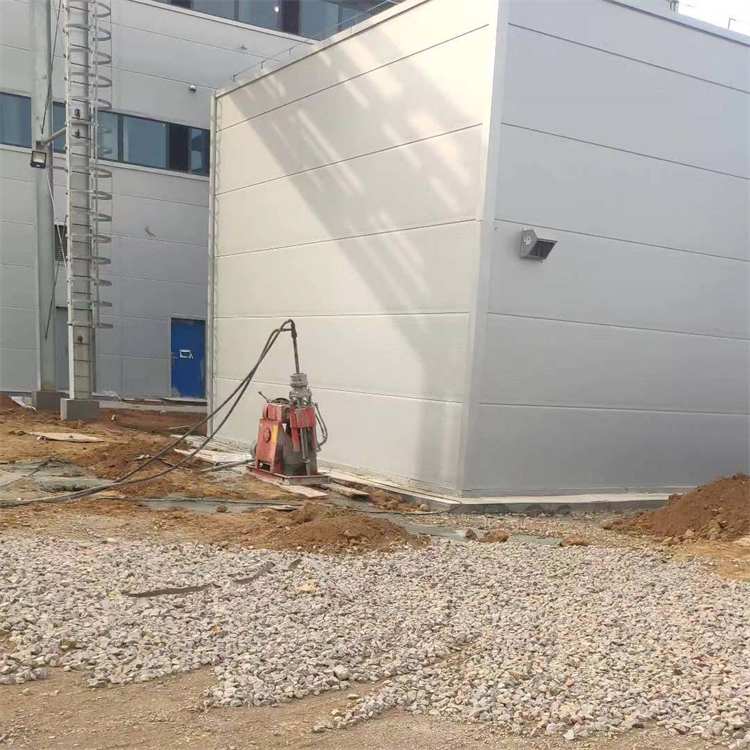

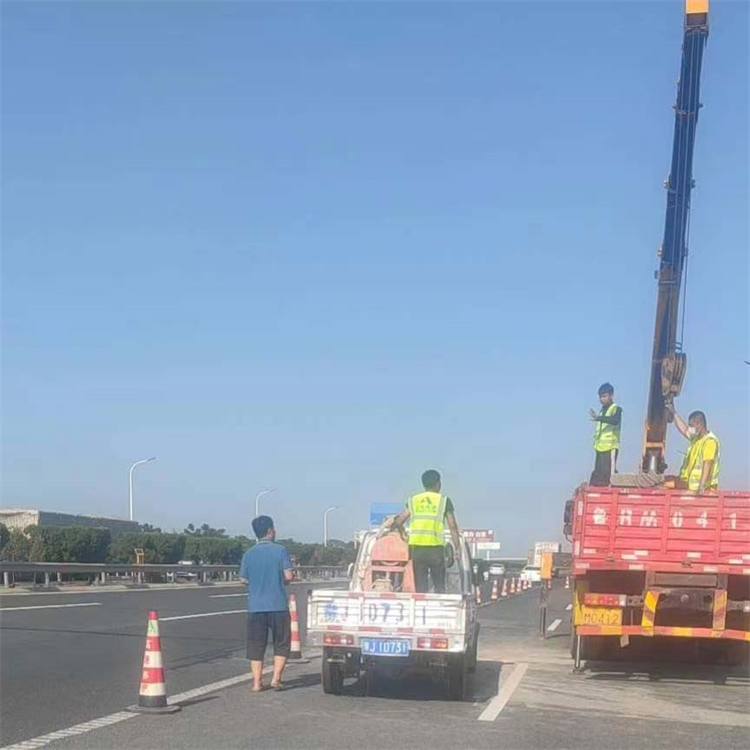
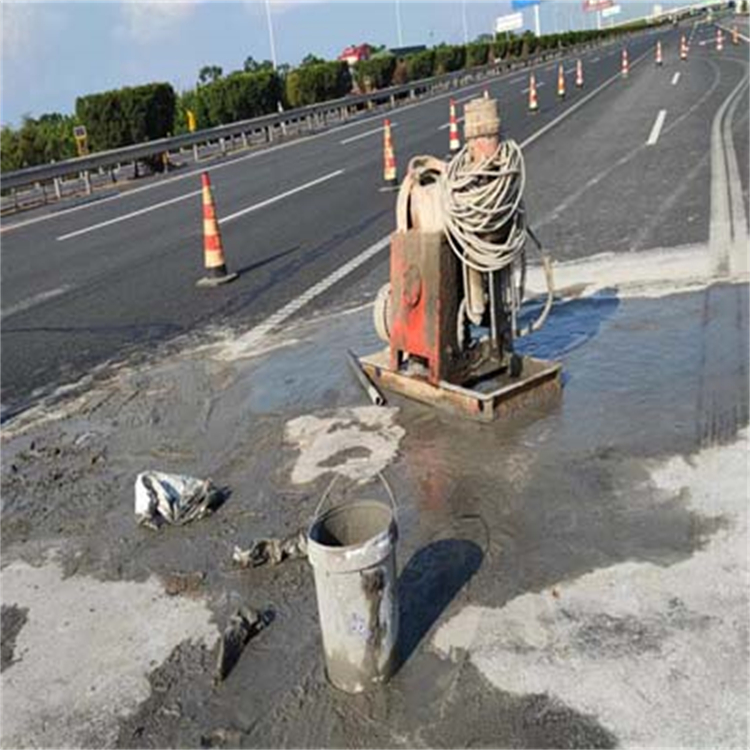
The stability of the foundation reflects the load-bearing issues of the entire building structure, making the foundation structure a crucial component. When problems arise with the foundation under construction, reinforcement is necessary. Grouting reinforcement is one commonly used method in foundation reinforcement projects. This method makes full use of air or water pressure, combining backfilling, infiltration, and compaction, to uniformly inject the cured slurry into the rock and soil layers, dispersing water and gases in rock fissures or between soil particles, and self-filling. After hardening, the rock and soil bond into a single unit, improving the stress state and load transfer performance of the bearing layer, thereby reinforcing the foundation and preventing or reducing infiltration and uneven settlement.
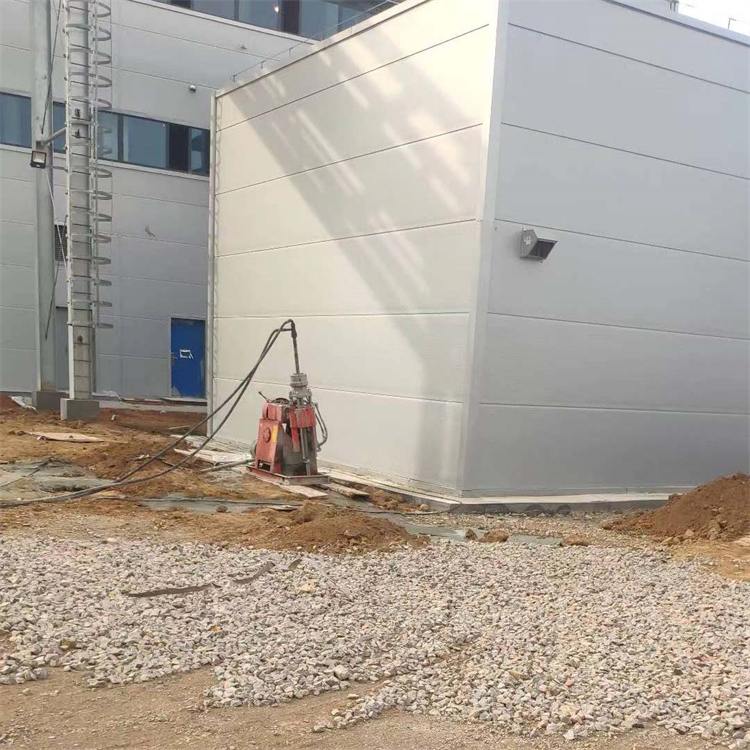
Grouting methods for foundation reinforcement
The grouting process is simple, easy to operate, cost-effective, and provides excellent structural reinforcement. It can bond or structurally reinforce various types of damaged loose rings and broken belts. It is an effective method for maintaining loose rock tunnel passages.
Grouting is mainly applicable to damaged tunnels, especially those with severely damaged surrounding rock, where the actual effect is more pronounced. This method can not only be used for the repair of damaged tunnels but also for the grouting reinforcement of newly excavated tunnels.
The main process principle of grouting is to drill and grout using the method of sealing from below, blocking from above, and infiltrating in the middle. First, inject into the weak section, i.e., seal and block the loose cracks, forcing the grout to seep out through the curtain. Then, seal by drilling and grouting below each upper soft layer, forming a consolidation ring. This seals the grout passage along the exterior curtain, forcing the grout to spread horizontally or downward. After leakage blocking is completed, reinforce key areas with grouting, allowing the grout to permeate, spread, and consolidate in the weak layer, forming a compressed curtain.