










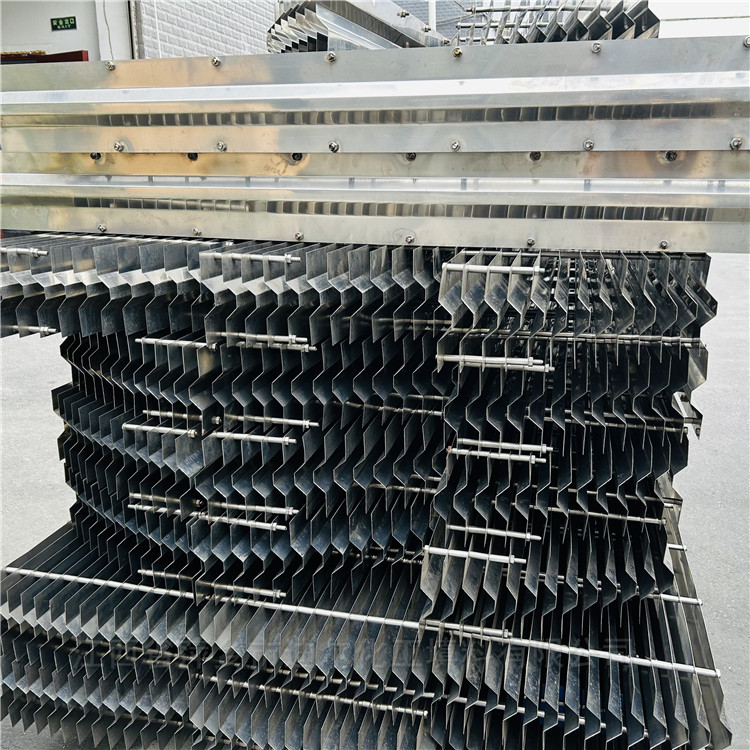
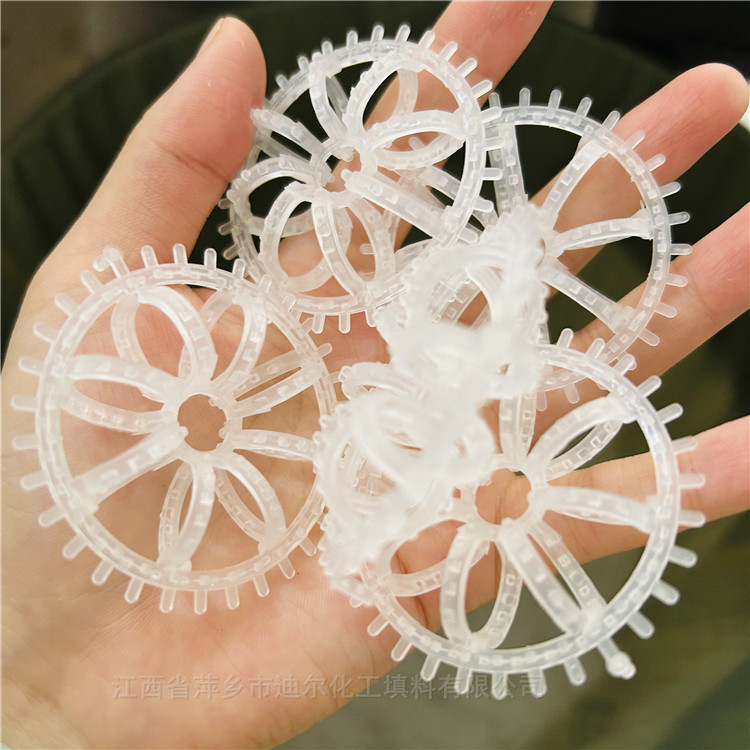
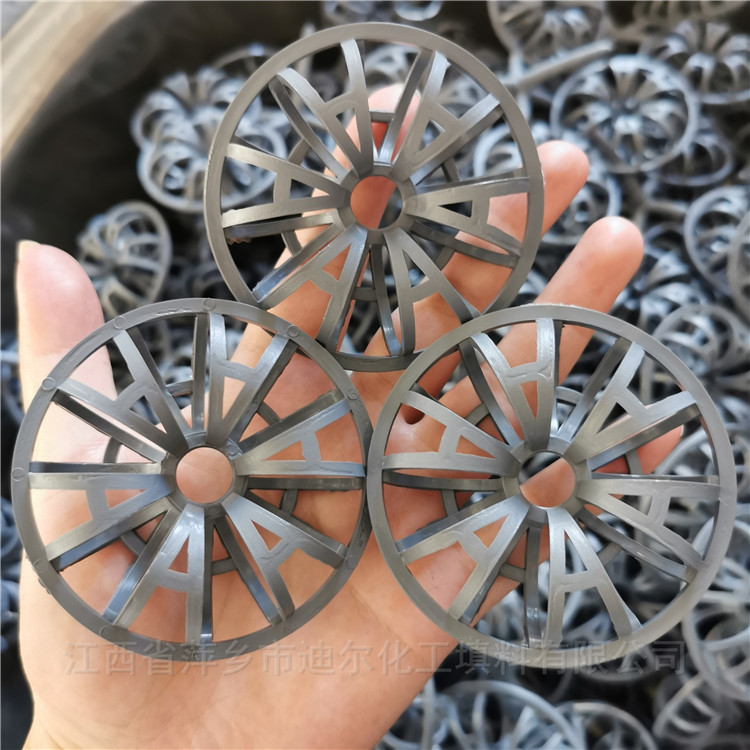
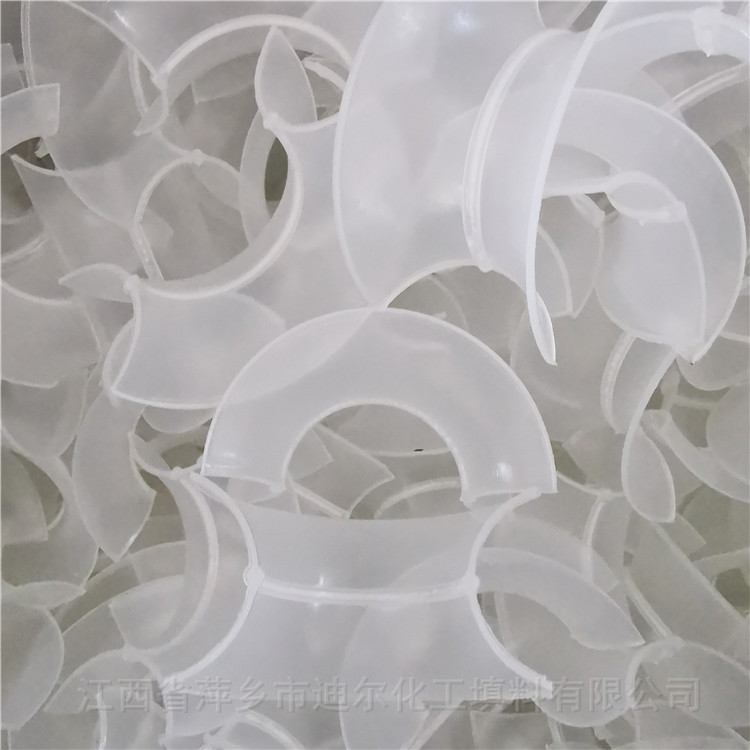
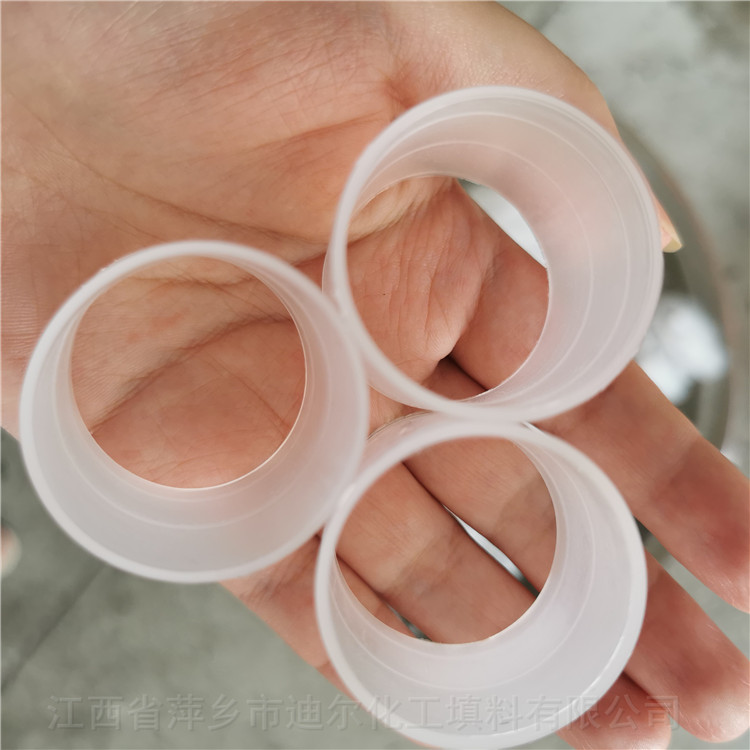
Blister Tray Applications:
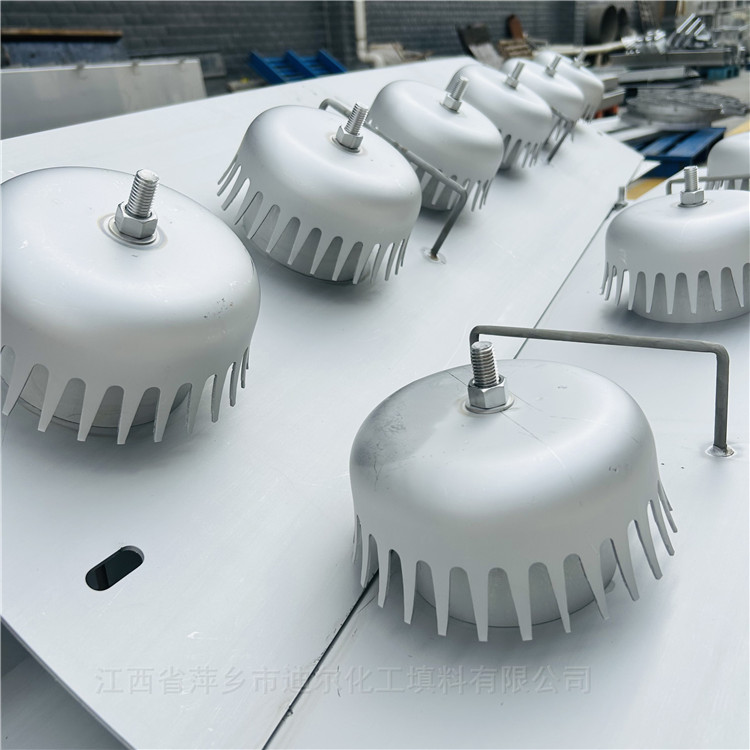
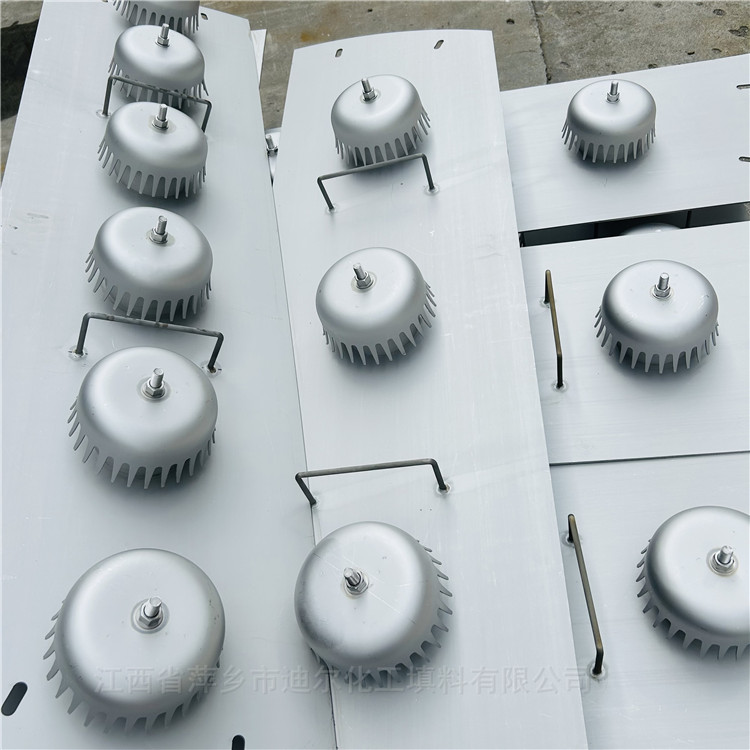
Stainless steel non-standard bubble tower trays, DN150 standard circular bubble tower tray plates for reaction rectification, separation of certain organic products; benzene-methane separation; nitrochlorobenzene separation; ethylene oxidation absorption.
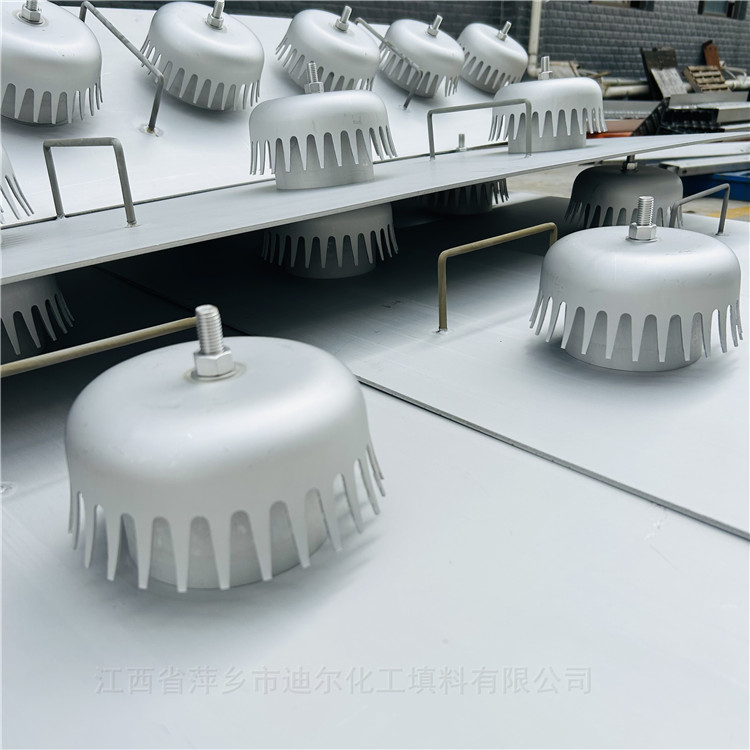
Blister Tower Tray Specifications: Diameter: ¢300-¢4000
Blister Tray Types: Blister Board, Strip Blister Board, S-Blister Board, Flat Blister Board
Blister Tower Trays Flow Types: Single Flow, Double Flow, U-Shape Flow, Step Flow
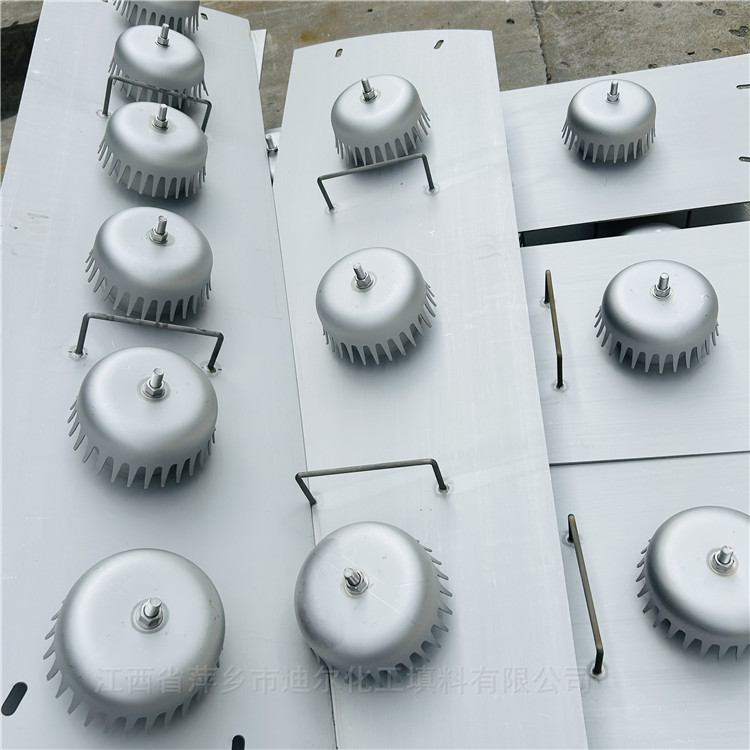
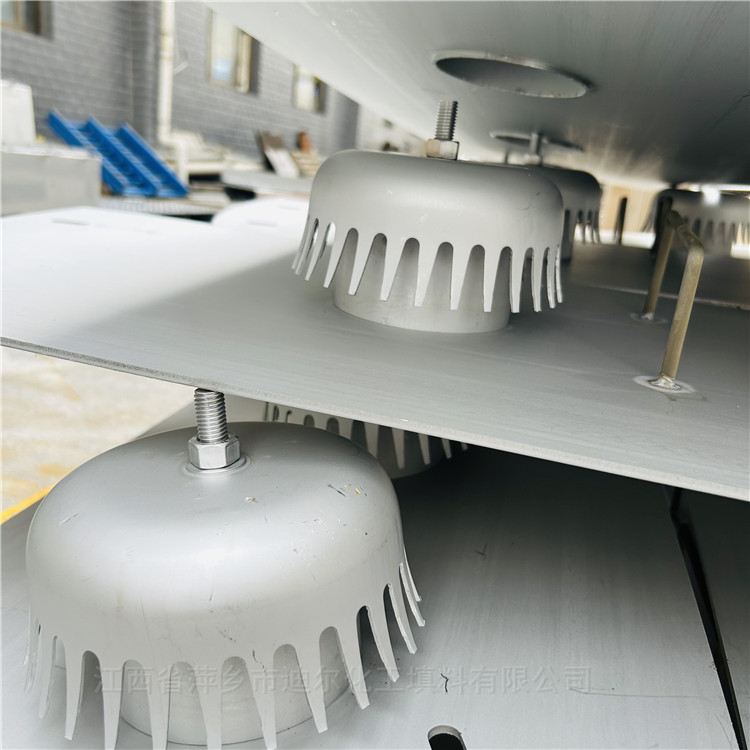
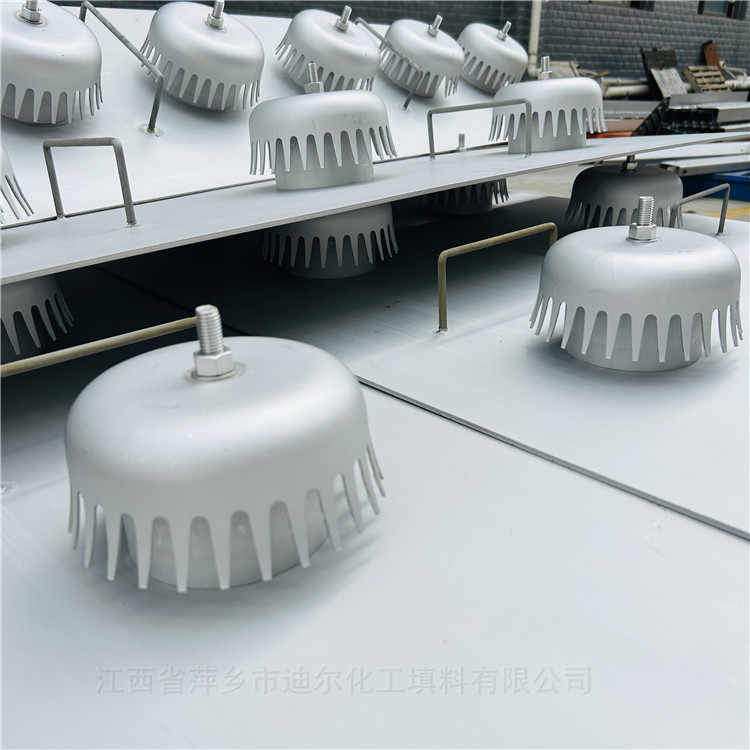
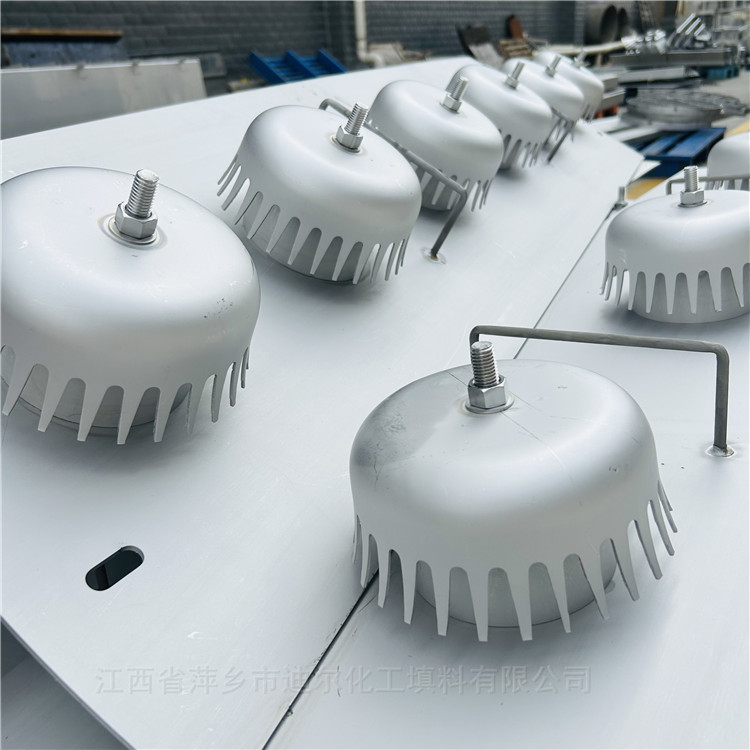
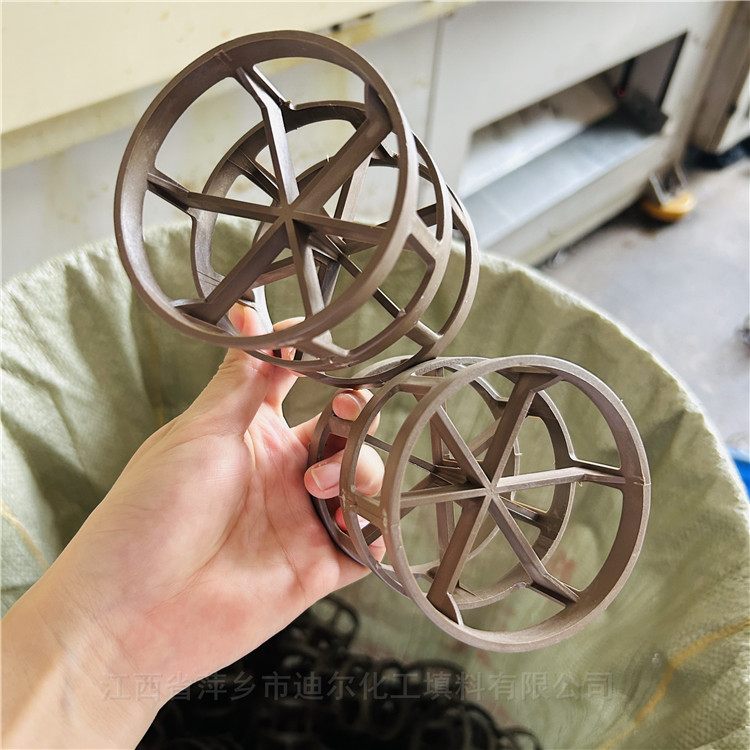
Stainless Steel Non-standard Bubble Cap Tray, Steam Ammonia Tower DN150 Standard Circular Bubble Cap Tray Plate Product Description: The bubble cap tray is one of the earliest plate towers used in industrial applications and remained a popular tower type for a considerable period. The structure of the bubble cap tray is mainly composed of bubble caps (gas-liquid contact elements), riser pipes, weir plates, downcomer pipes, and trays, etc.
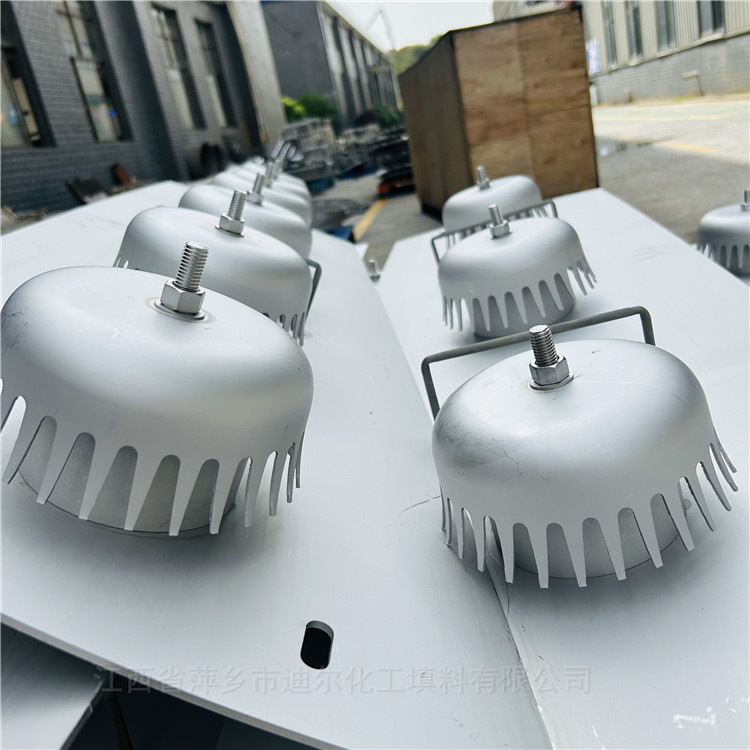
Stainless Steel Non-standard Bubble Tower Trays, DN150 Standard Circular Bubble Tower Tray Plates. Many circular holes are opened on the tray plates, with a short tube welded onto each hole, known as an ascending gas tube. A "hat" is then placed over the tube, called a bubble. There are many strip-shaped holes around the bubble. During operation, the liquid flows from the upper tray through the downcomer into the lower tray, then horizontally across the tray plate, and into the next lower tray. The gas rises from the lower tray into the ascending gas tube, then disperses into the liquid layer between the bubbles through the strip-shaped holes in the bubble.
Blister tray technology requirements are as follows:
The surface of the pipe extension where the intake tube connects must be free of cracks, grooves, or any defects.
2. After the bubble cap is installed, the distance between the inner diameter of the bubble cap and the outer diameter of the riser pipe should be equal, with a deviation not exceeding 2mm.
3. After the tray is installed, it must be level, with a flatness deviation not exceeding 2mm.
4. The riser pipe should be perpendicular to the tray, with its top surface on the same level, the deviation not exceeding ±1mm.