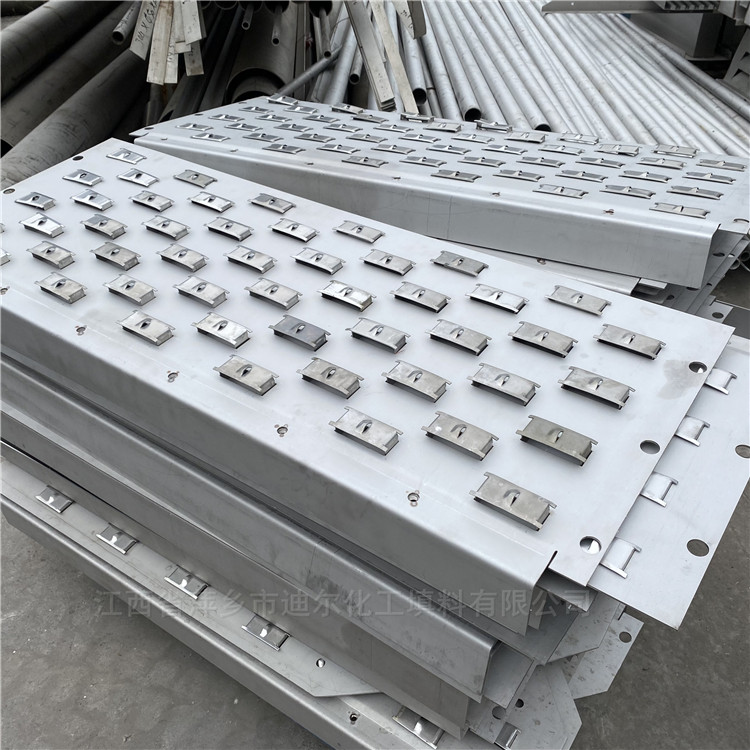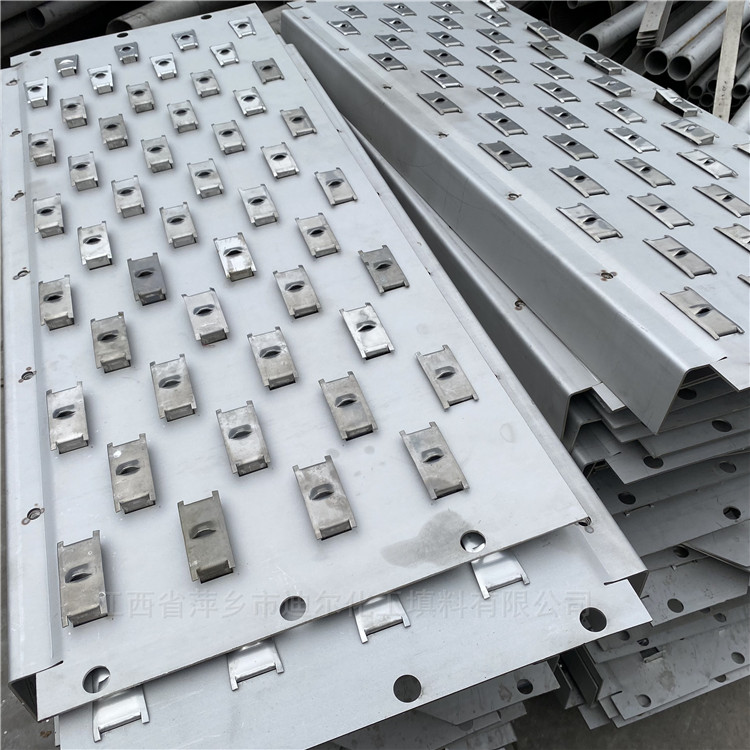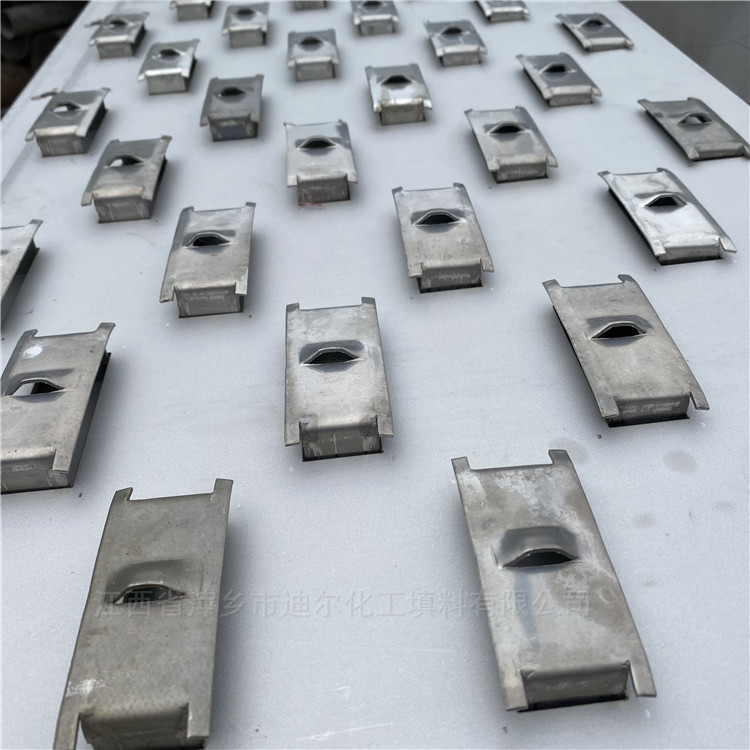

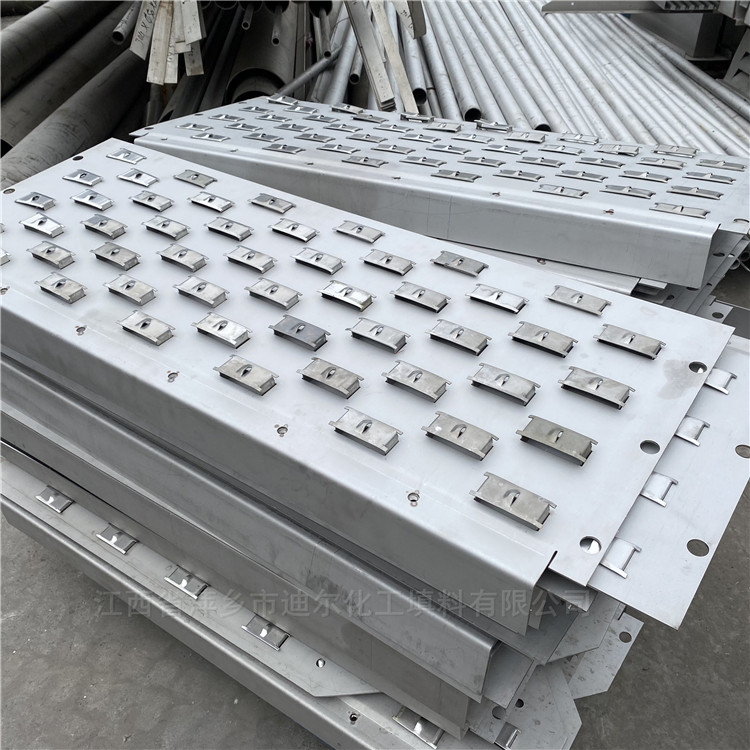

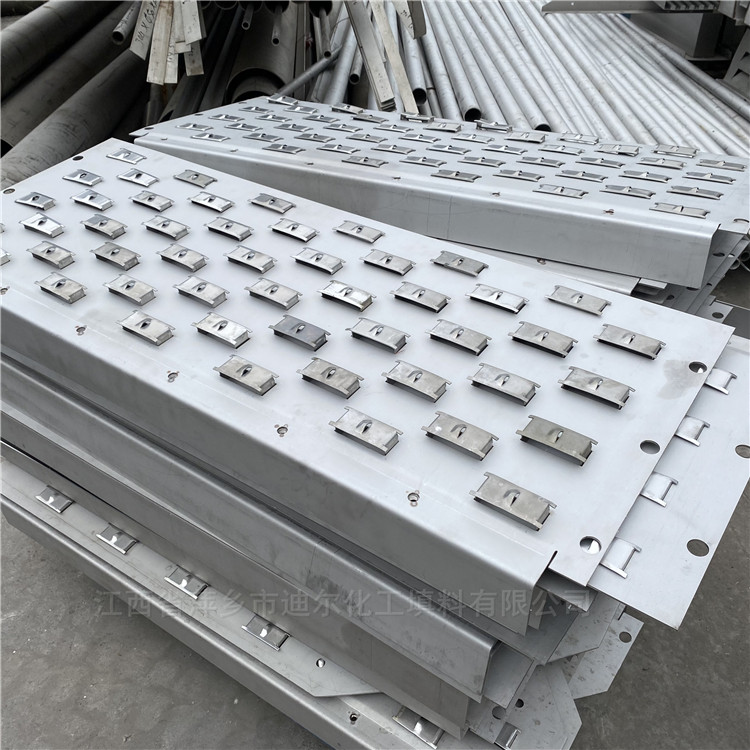
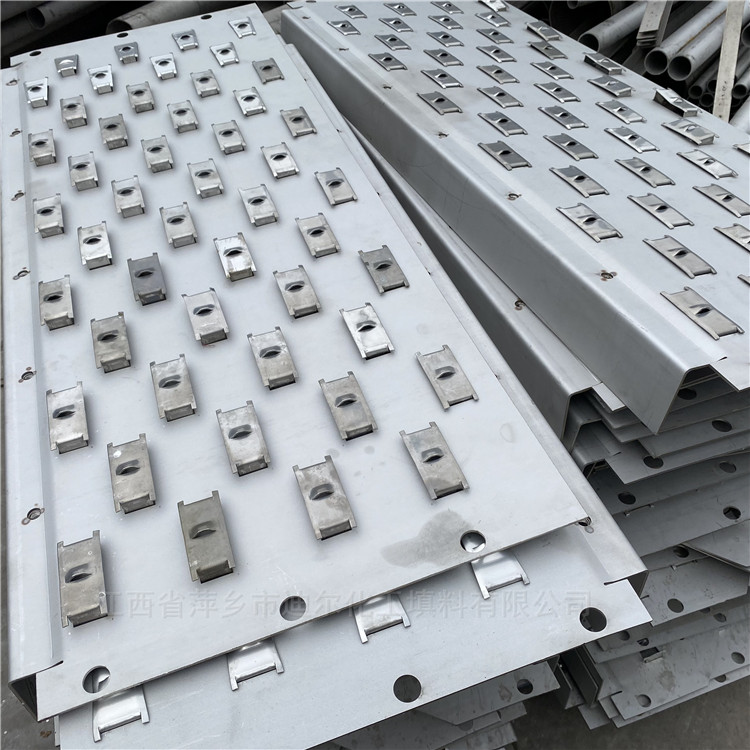









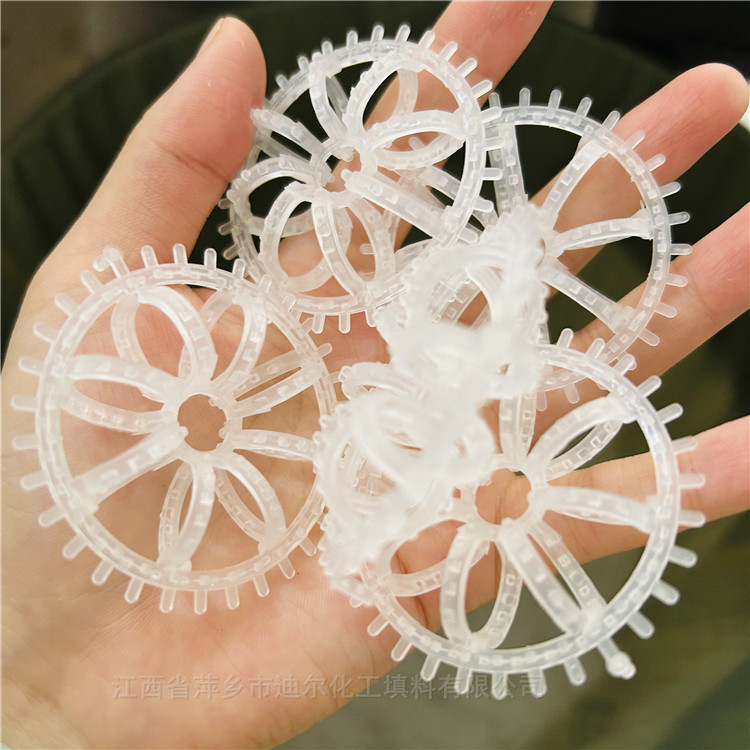
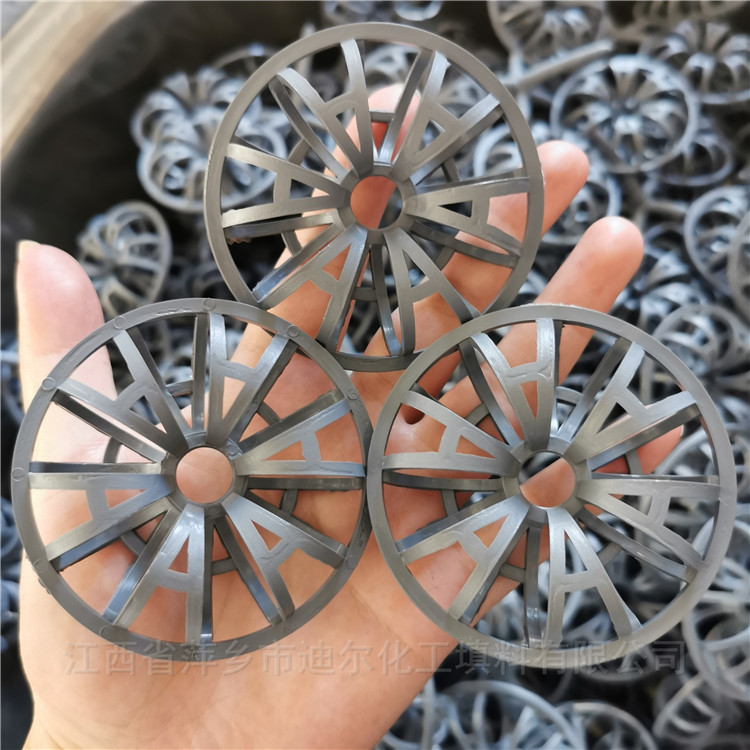
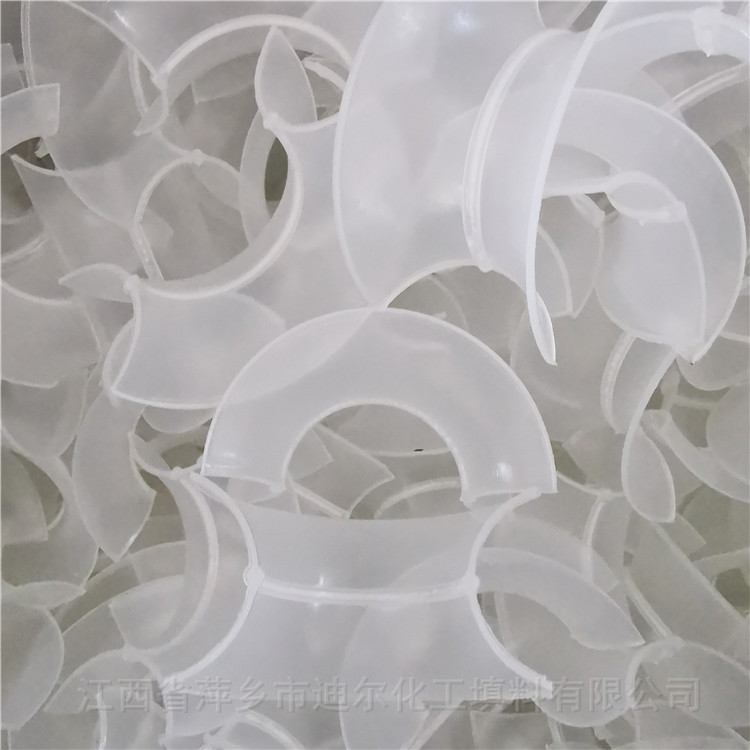
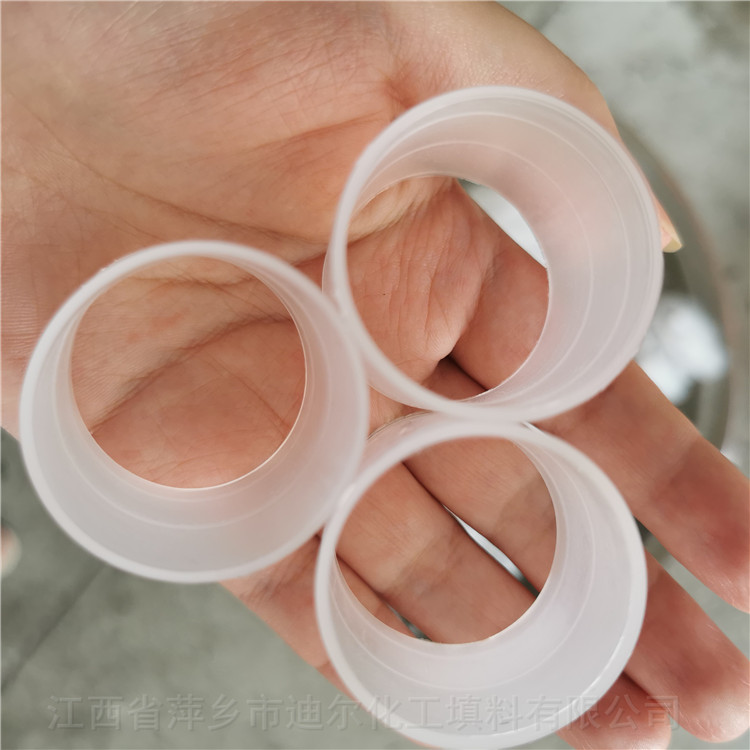
Float Valve Tray Introduction:
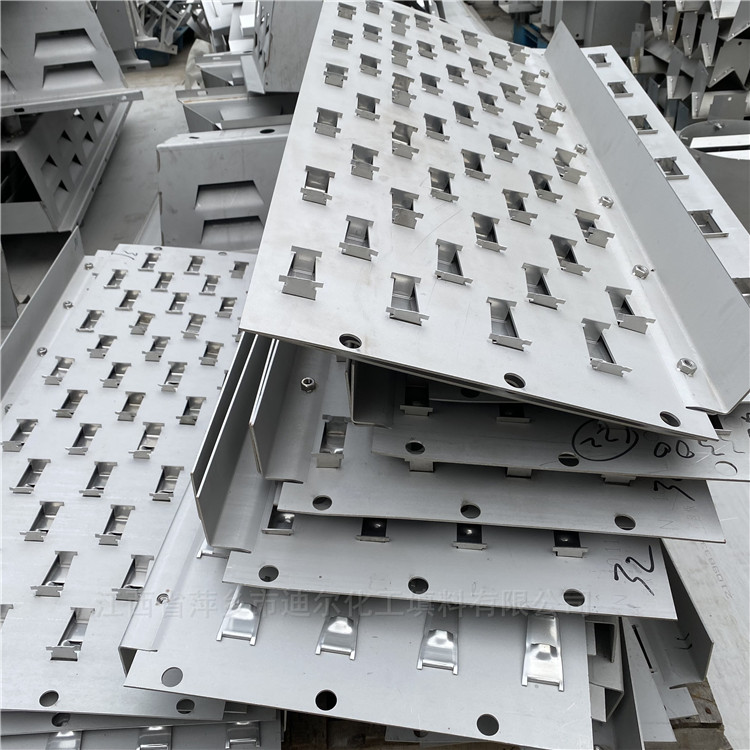
Float valve trays have holes of a certain shape (circular or rectangular) with floatable valve blades of various types, including circular, rectangular, and disc-shaped, thus forming different types of float valve trays. Currently, the F1 type (equivalent to the foreign V-1 type) is commonly used in China, and strip-shaped float valves are also gaining attention. There is a national standard (JB 118) in place. Float valve trays have become widely used due to their excellent overall performance (high production capacity, large operational flexibility, high tray efficiency, low manufacturing costs, etc.).
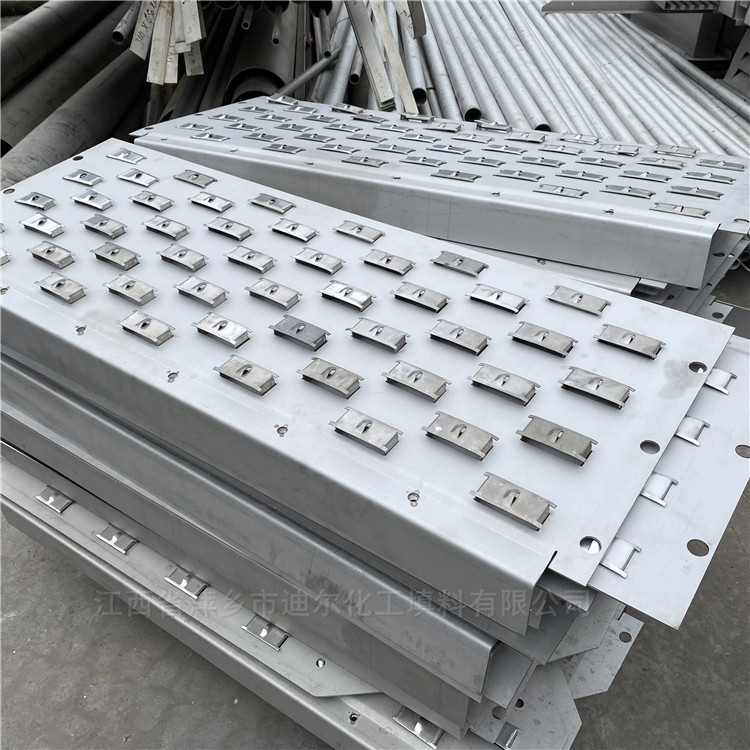
Floating valve tray structure features:
The float valve is a gas-phase dispersion component on the float valve tray. It can float on the tray and adjust its opening degree with changes in gas flow. There are various types of float valves, including round valves and strip-shaped angle valves. Currently, China primarily uses round valves. The most commonly used is the F1 type, which has a national standard (JB1118). The standard specifies that the valve body material can be carbon steel, stainless steel, or acid-resistant steel; the light valve has a thickness of 1.5mm and weighs approximately 25g, while the heavy valve has a thickness of 2mm and weighs about 33g.
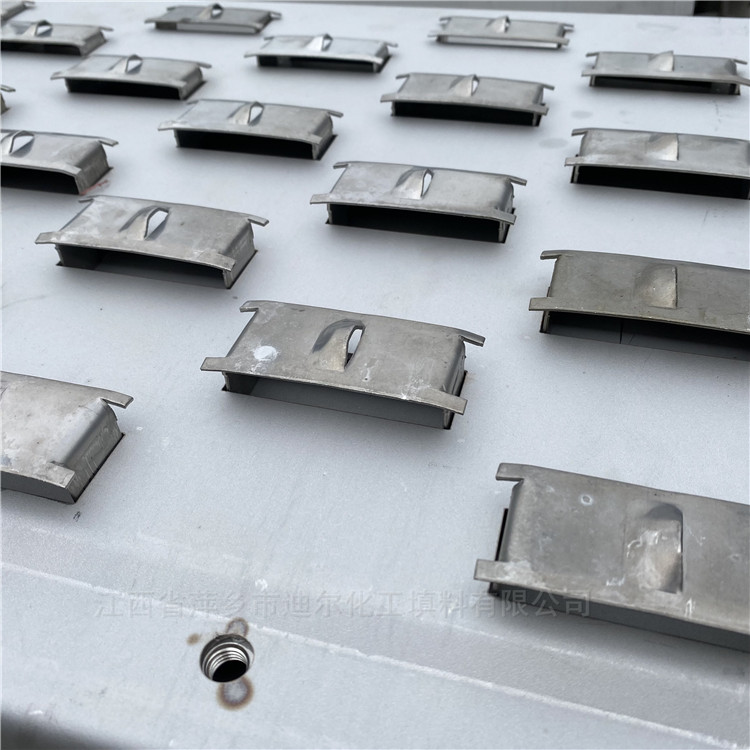
The floating valve is one of the tower tray structures widely used domestically, boasting outstanding excellent performance. Its main features include:
1. High operational flexibility
Due to the free vertical movement of the valve blades, they can accommodate fluctuations in air volume, maintaining nearly constant air gap speed. This allows for high separation efficiency even within a wide operating range with frequent load variations.
High separation efficiency
In practical applications, the tray efficiency can reach 60-70%, 10-15% higher than bubble cap trays, and it remains high even at low loads. Due to the high efficiency, the product quality is also correspondingly improved.
③High processing capacity
Due to the more compact arrangement of the float valves compared to the bubble tower, the hole rate is increased, and with the horizontal airflow blowing into the liquid surface layer, the amount of entrained mist is low, which can enhance the gas flow rate and increase production capacity. The production capacity is 20% to 40% higher than that of the bubble tower.
⑷ Pressure Reduction Reduced
Airflow through the float valve undergoes only one contraction, expansion, and bend, resulting in lower pressure drop compared to the bubble cap tray. In the atmospheric tower, the pressure drop across each tray is only 3 to 5 mmHg.
Additionally, it boasts simple structure, low cost; long service life, not afraid of dirty materials; and easy installation and use.

Floating valve tray product performance features:
(1) Processing capacity is smaller than the tongue type and sieve plate, larger than the bubble tower tray.
(2) High operational flexibility;
(3) The dry plate has a higher pressure drop compared to the tongue and sieve trays, and a lower pressure drop than the bubble cap trays; the liquid level gradient on the tray is smaller.
(4) Minor mist carryover
(5) Simple structure, easy to install.