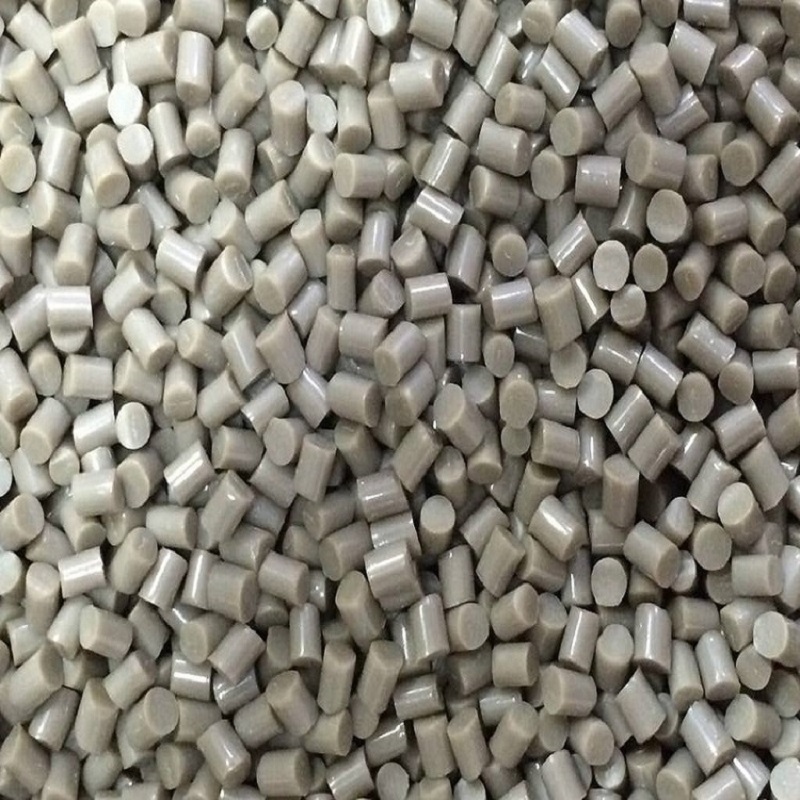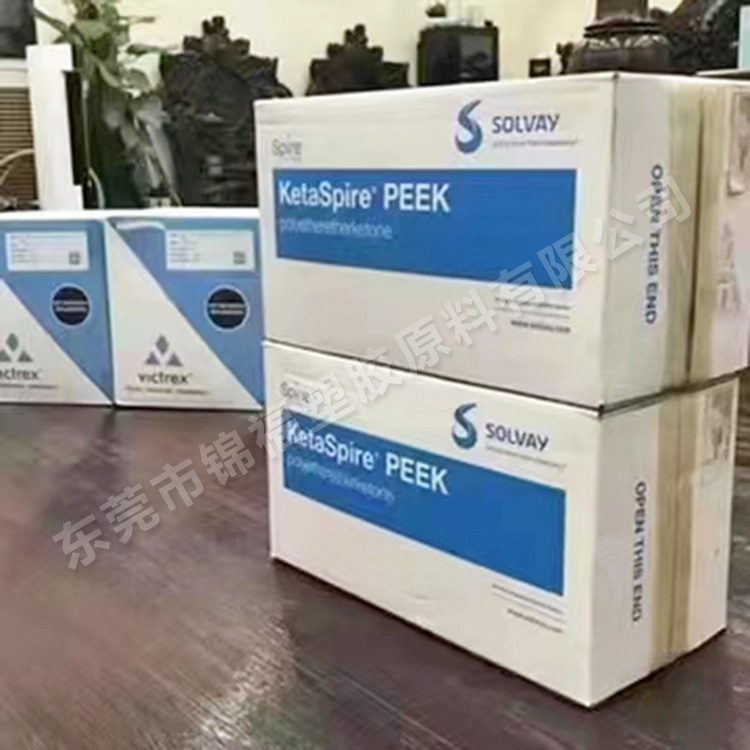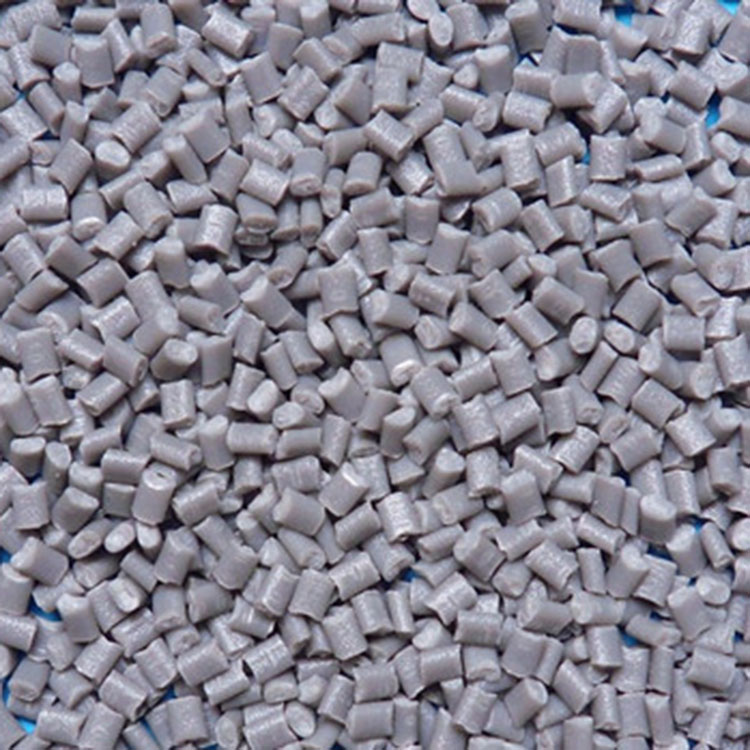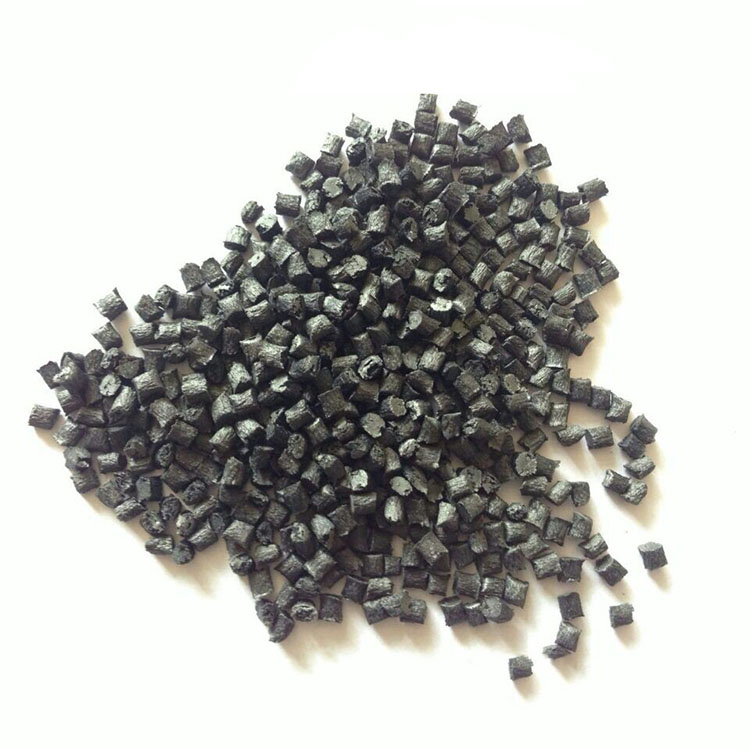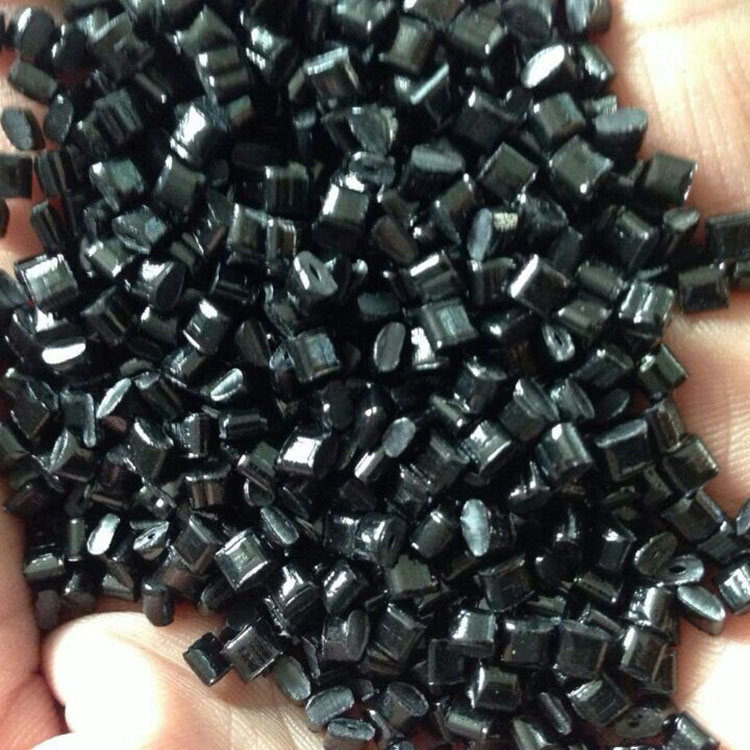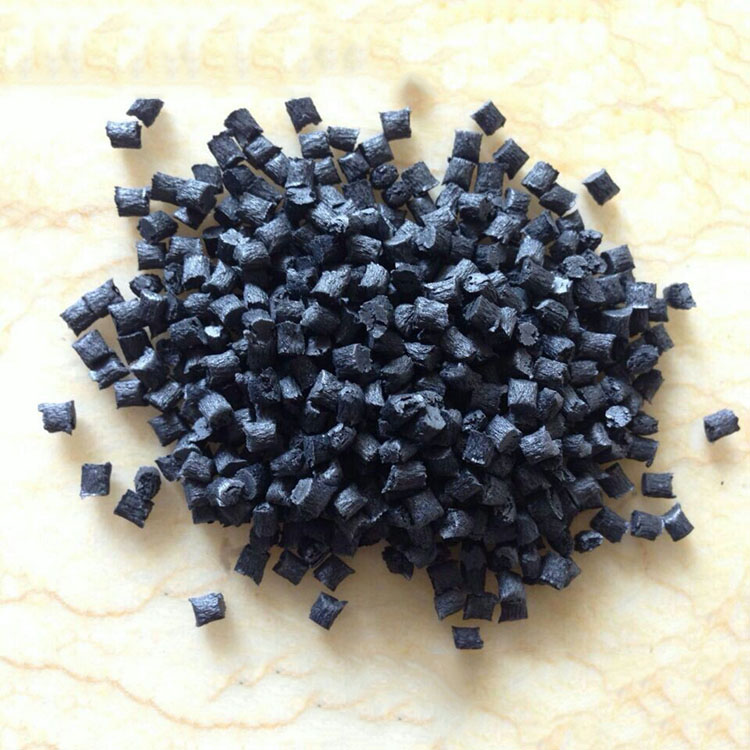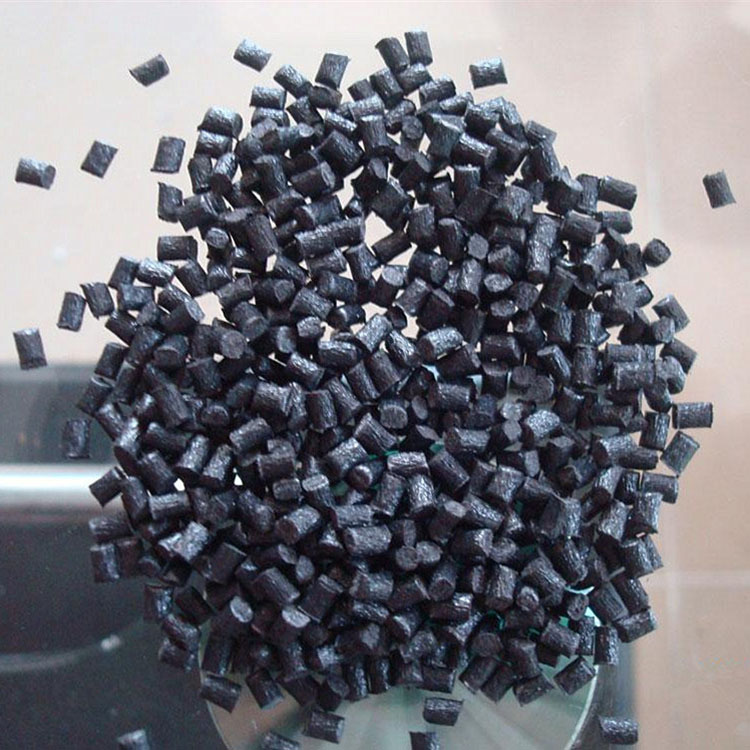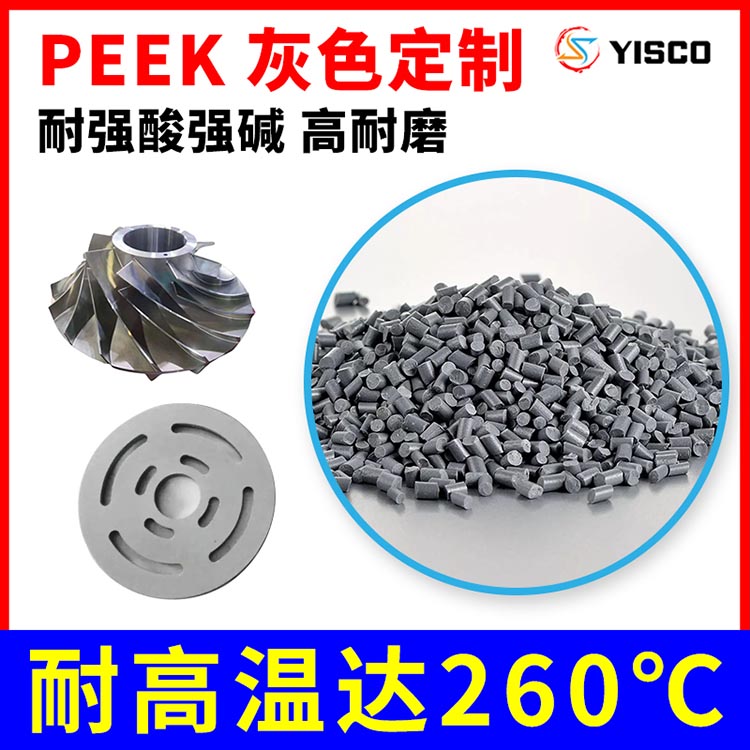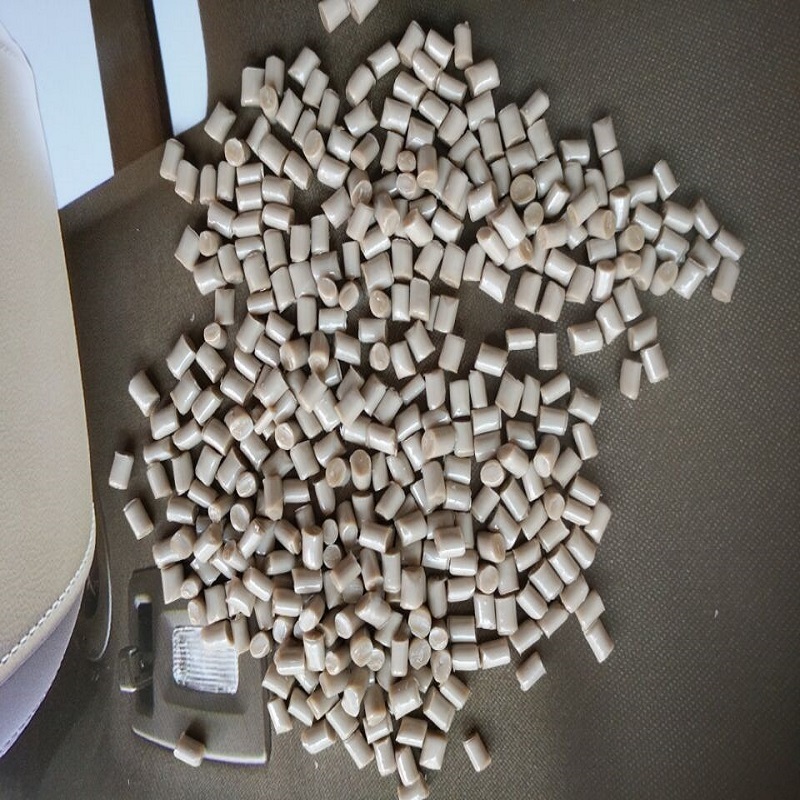
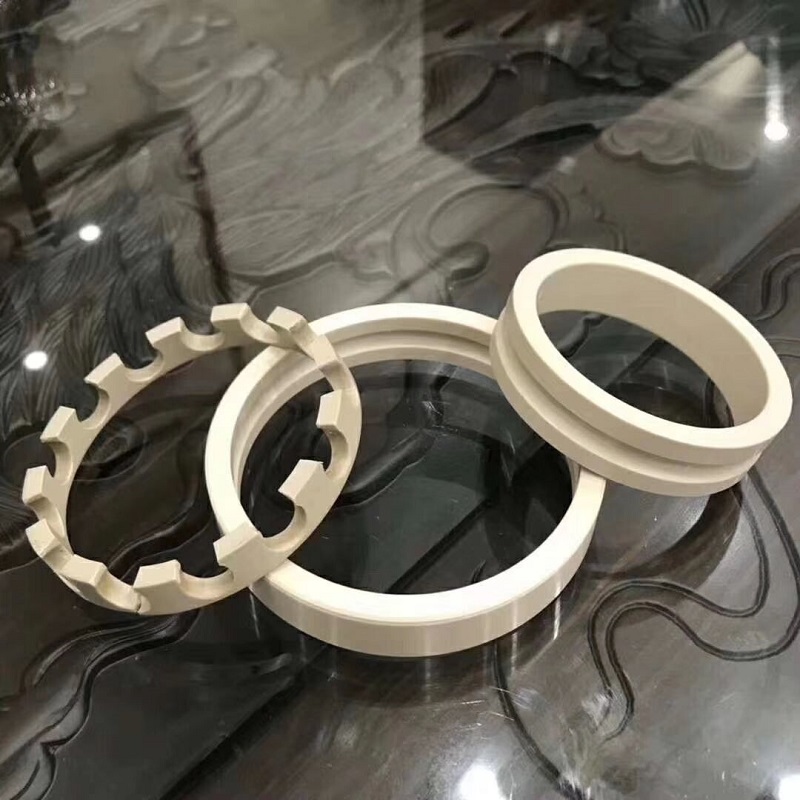



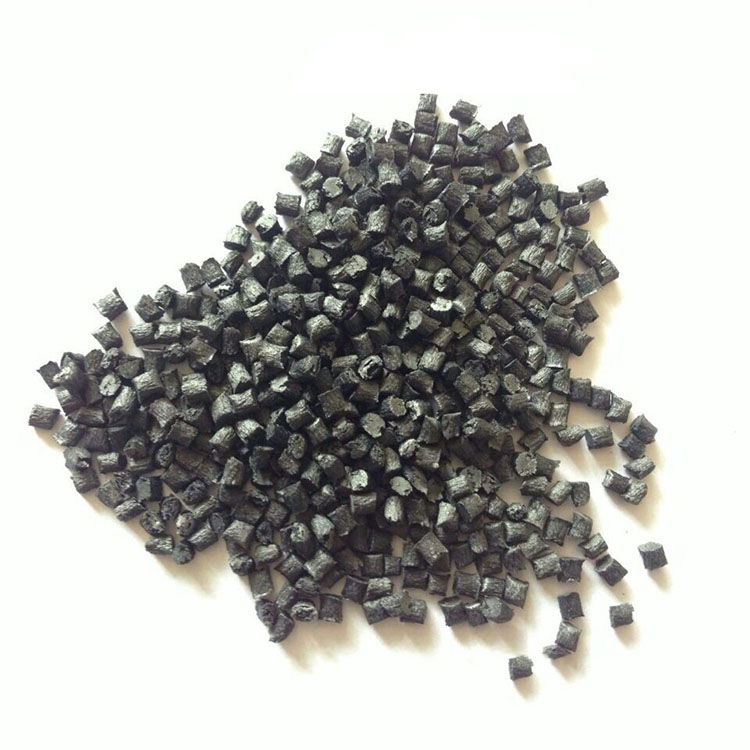
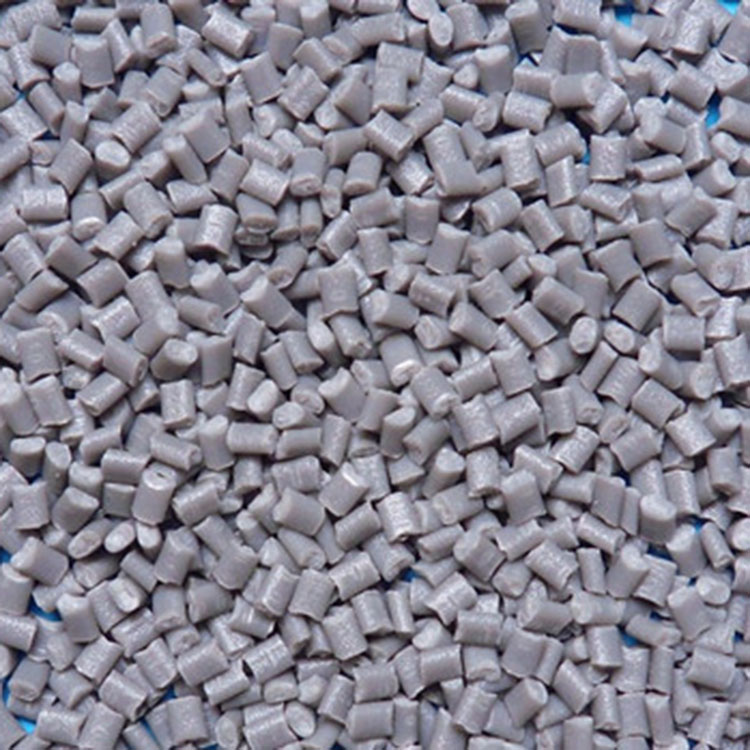
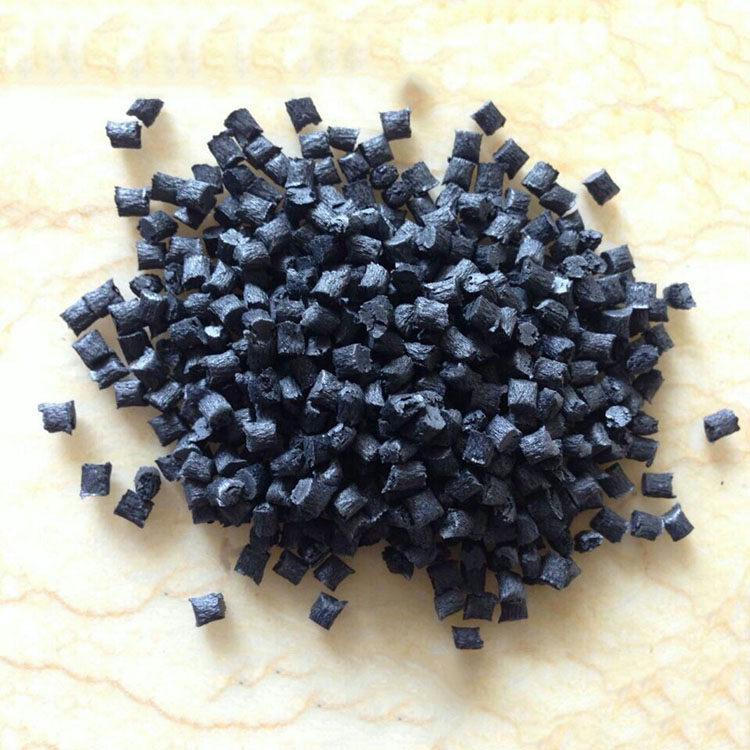





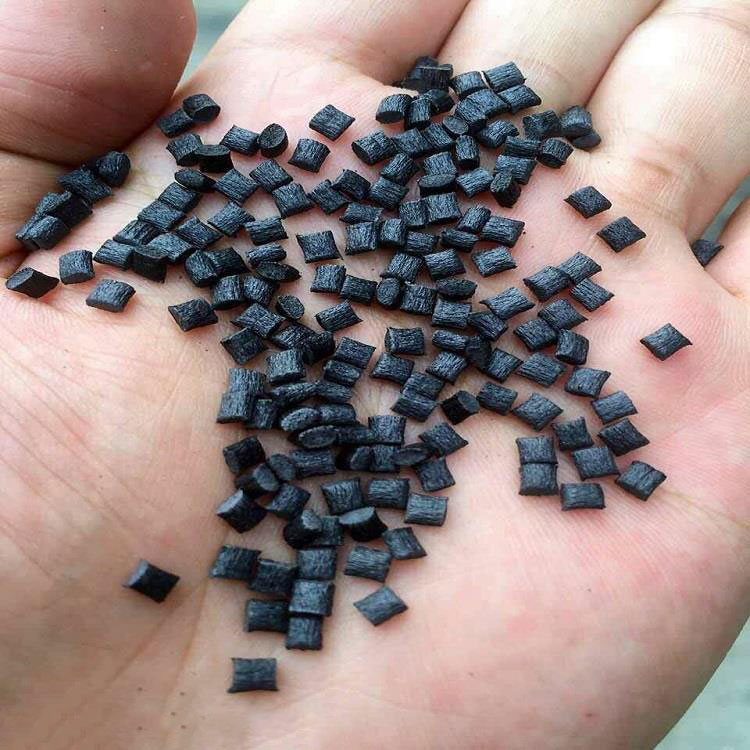


Offering PEEK pure resin, natural color particles, high-temperature resistance, and high fluidity.
Properties of PEEK Resin
PEEK (polyether ether ketone) plastic material is an aromatic crystalline thermoplastic polymer, with a melting point of 334°C. It boasts high mechanical strength, resistance to high temperatures, impact, flame retardancy, and tolerance to acids, alkalis, hydrolysis, wear, fatigue, radiation, as well as excellent electrical properties.
High-temperature resistant
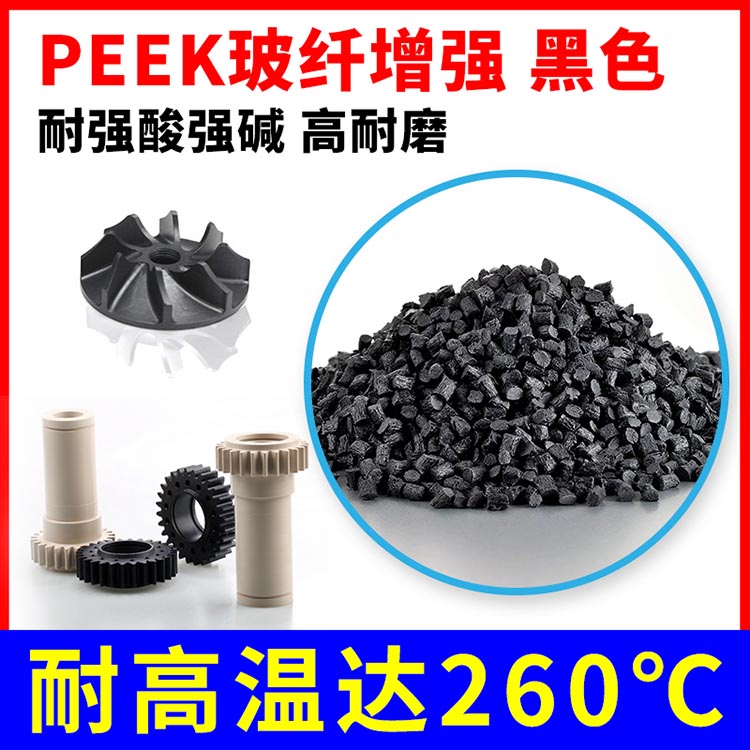
PEEK resin features a high melting point (358℃) and glass transition temperature (143℃), with a continuous service temperature of 260℃, and its 30% GF or CF reinforced grades have a load-bearing thermal deformation temperature as high as 316℃.
Mechanical characteristics
PEEK (polyether ether ketone) plastic raw material resins offer excellent toughness and rigidity, and possess superior fatigue resistance against alternating stresses, comparable to alloy materials.
Smokable
The standard for measuring smoke produced by plastic combustion is ASTM E662. This standard utilizes the smoke laboratory of the National Bureau of Standards (NBS) in the United States, measuring the visibility of smoke produced by burning standard-shaped samples in terms of optical density. The test can be conducted under continuous combustion (with flame) or combustion interruption (without flame). PEEK has a smoky nature in plastics.
Leakage of toxic gas
PEEK, like many organic materials, primarily produces carbon dioxide when decomposed at high temperatures. The British marine test standard BSS 7239 can detect the release of toxic gases at low concentrations. This detection process involves completely burning 100 grams of the sample in a 1-cubic-meter space and then analyzing the resulting toxic gases. The toxicity index is defined as the ratio of the total concentration of toxic gases produced under normal conditions to the lethal dose that can kill within 30 minutes. The index for PEEK450G is 0.22, and no acidic gases were detected.
Stability
PEEK plastic material boasts excellent dimensional stability, which is crucial for certain applications. Changes in environmental conditions such as temperature and humidity have minimal impact on the dimensions of PEEK parts, meeting the requirements for high dimensional accuracy in demanding operating conditions.
1. PEEK plastic raw material has a low molding shrinkage, which is very beneficial for controlling the size tolerance range of PEEK injection-molded parts, significantly enhancing the dimensional accuracy of PEEK components over general plastics.
2. Low coefficient of thermal expansion; with temperature changes (which can be caused by environmental temperature variations or friction-generated heat during operation), the dimensions of PEEK parts change minimally.
3. PEEK boasts excellent resistance to hydrolysis in hot water, with very low water absorption in high-temperature and high-humidity environments. It does not undergo significant size changes like nylon and other general plastics due to water absorption.
Insulation stability
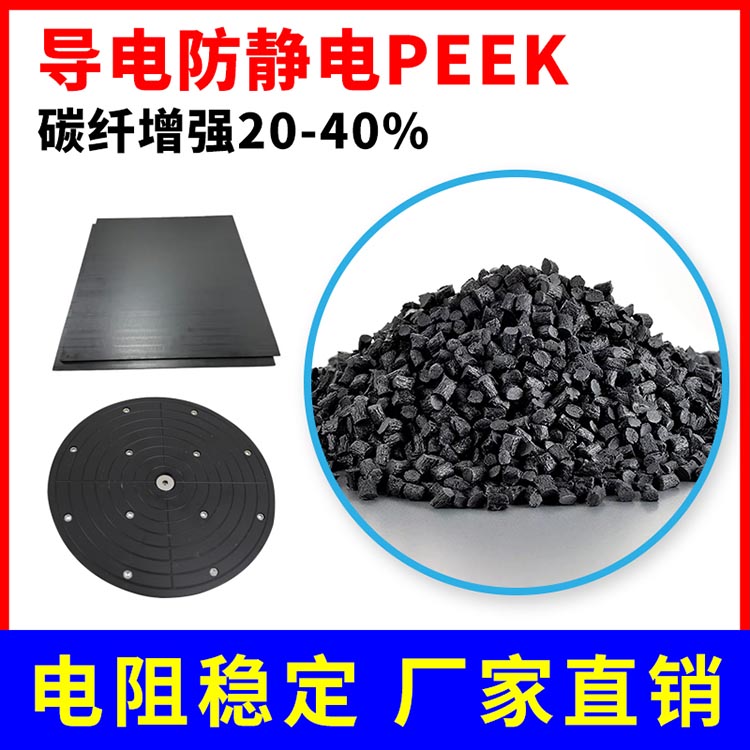
PEEK (polyether ether ketone) plastic raw material resins offer excellent electrical insulation properties, maintaining them across a wide temperature range. Their dielectric loss is also very low at high frequencies.
Radiation resistance and peel resistance
PEEK (polyether ether ketone) plastic raw material resins offer excellent radiation resistance and peel resistance, making them suitable for manufacturing specialized electromagnetic wires. Nowadays, PEEK is sometimes used in sterilization cabinets and wireless verification systems, offering performance comparable to stainless steel.