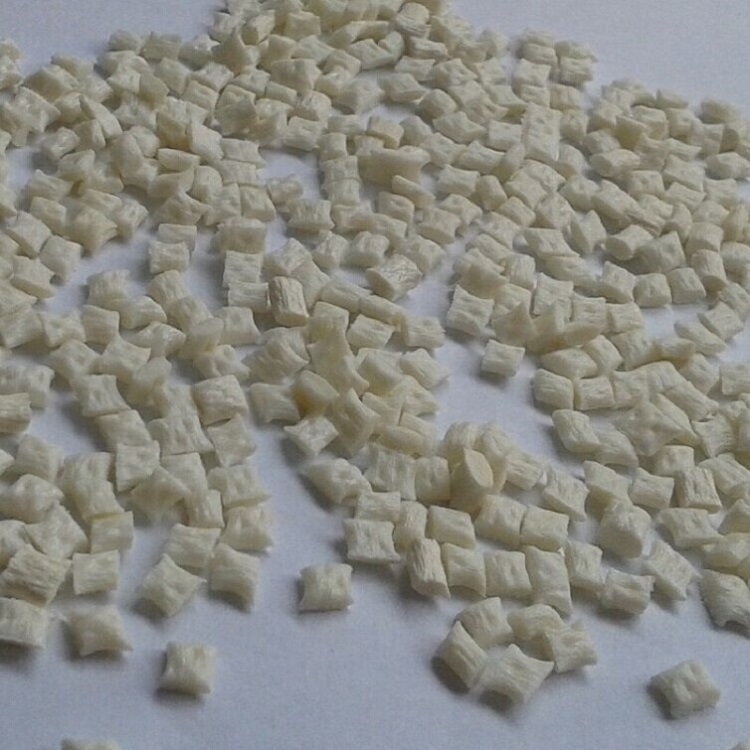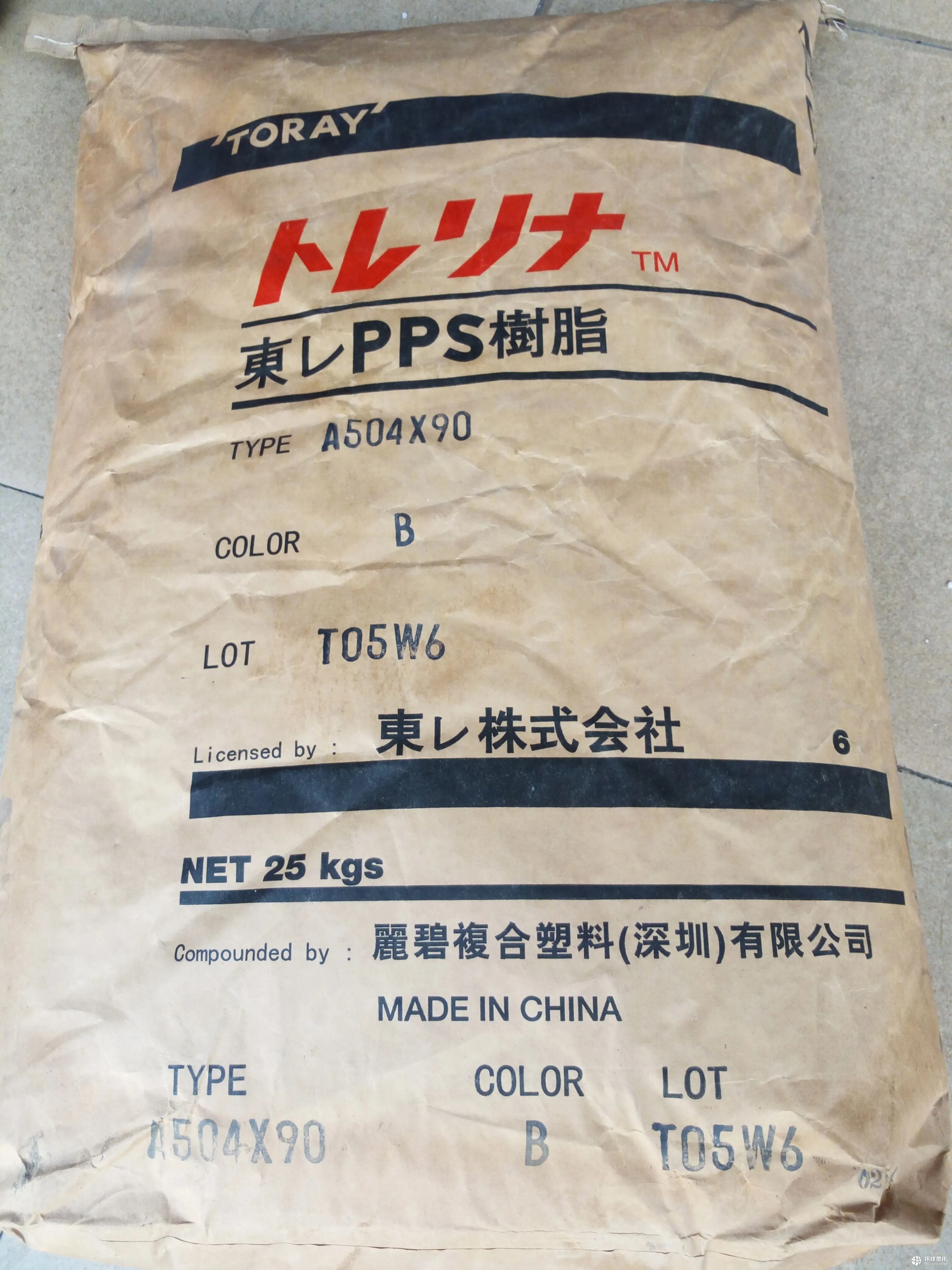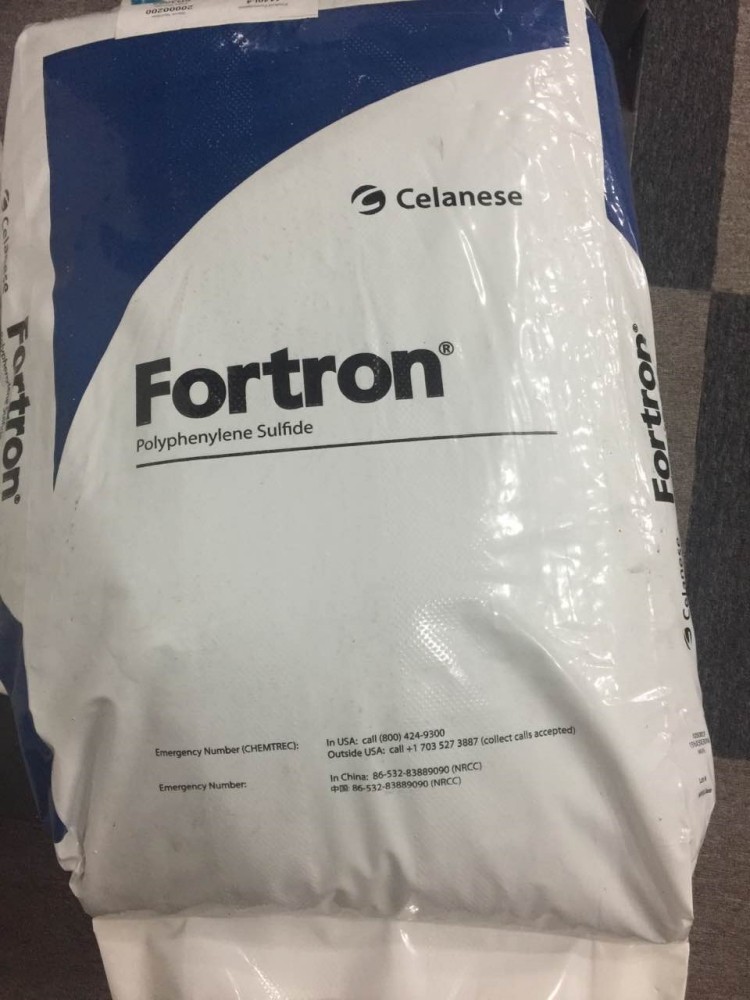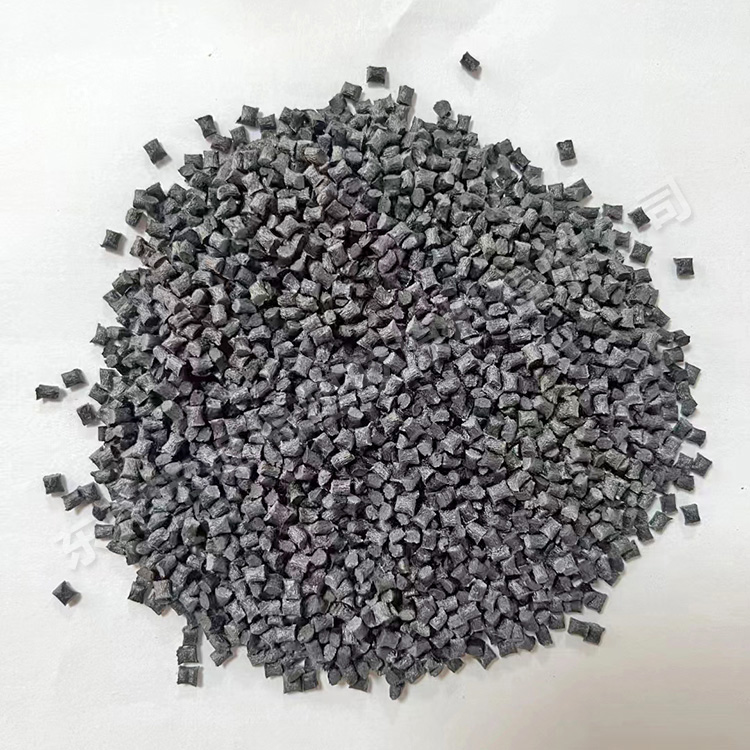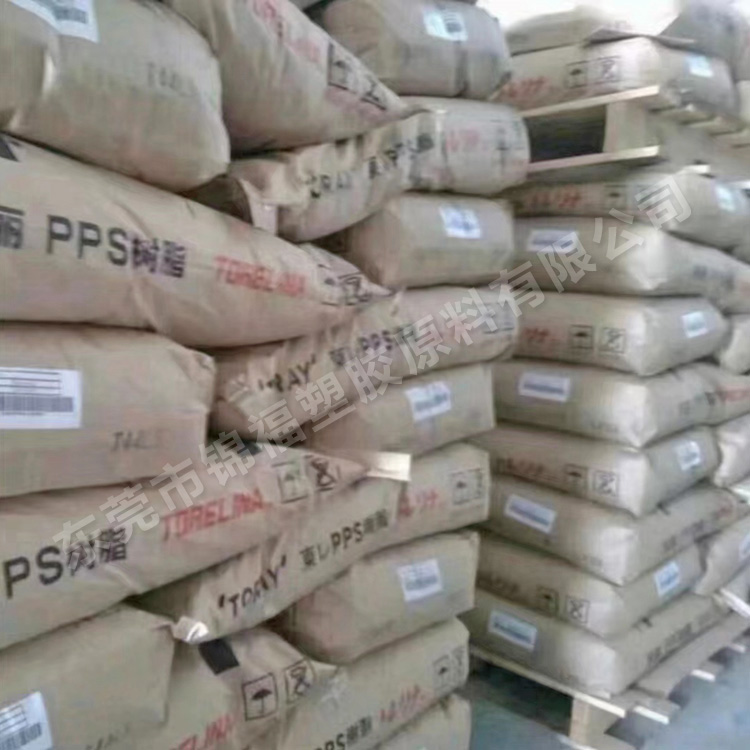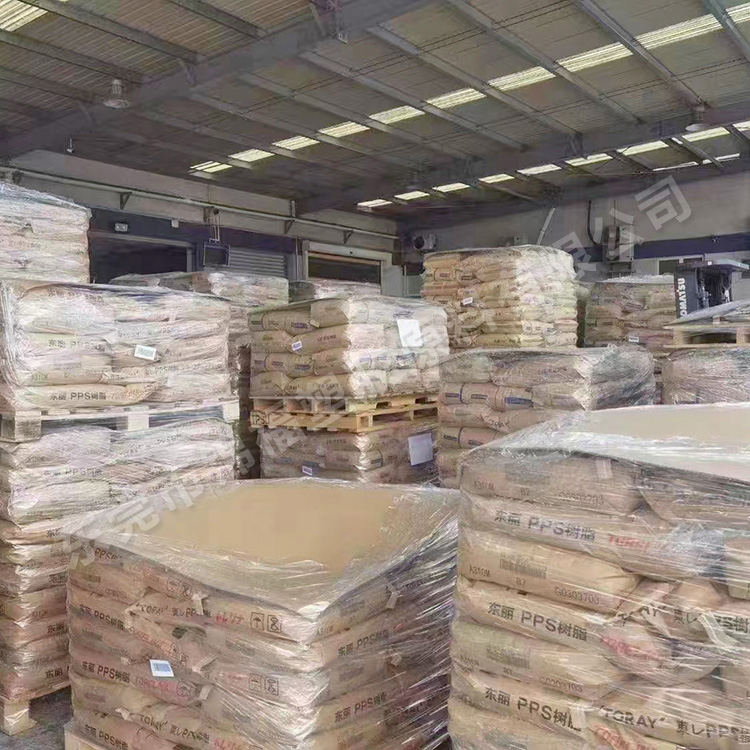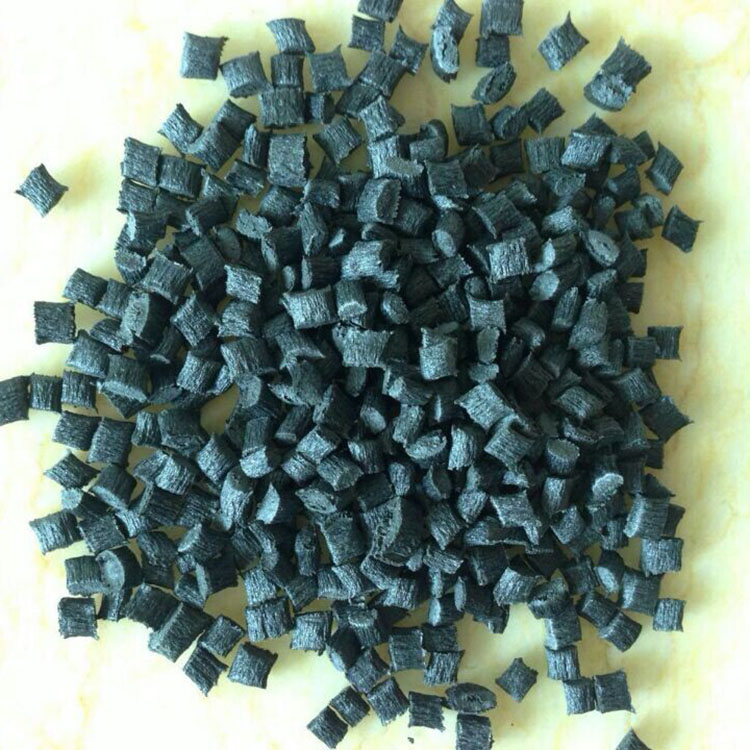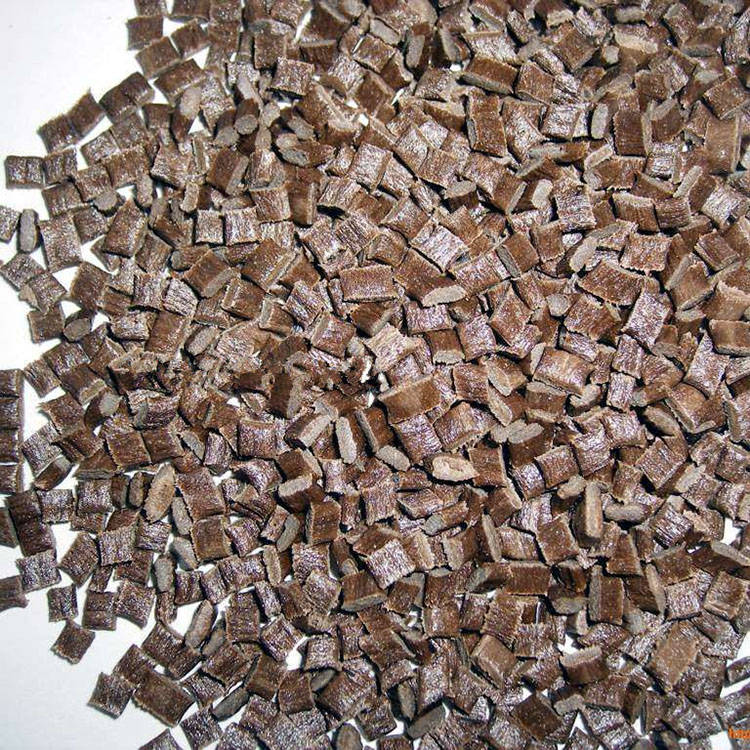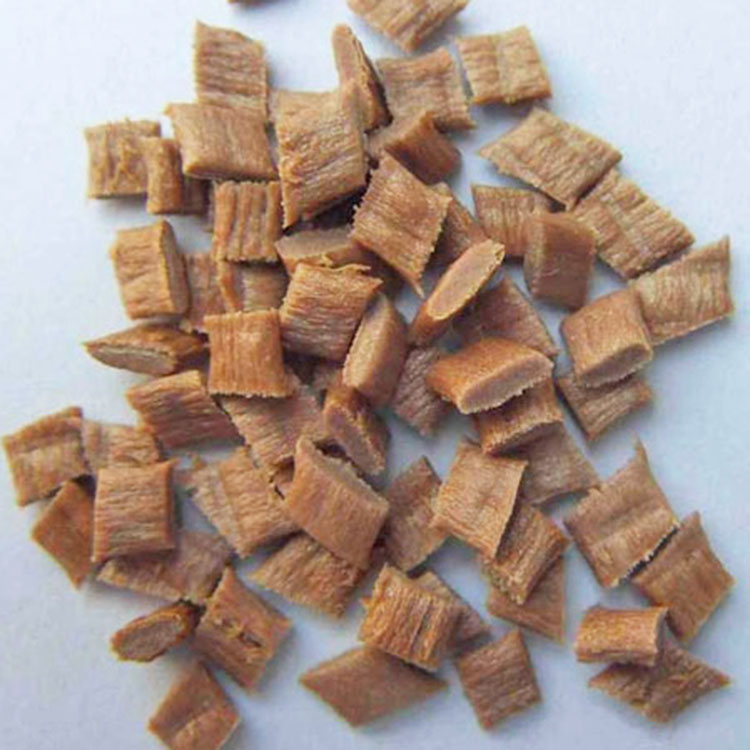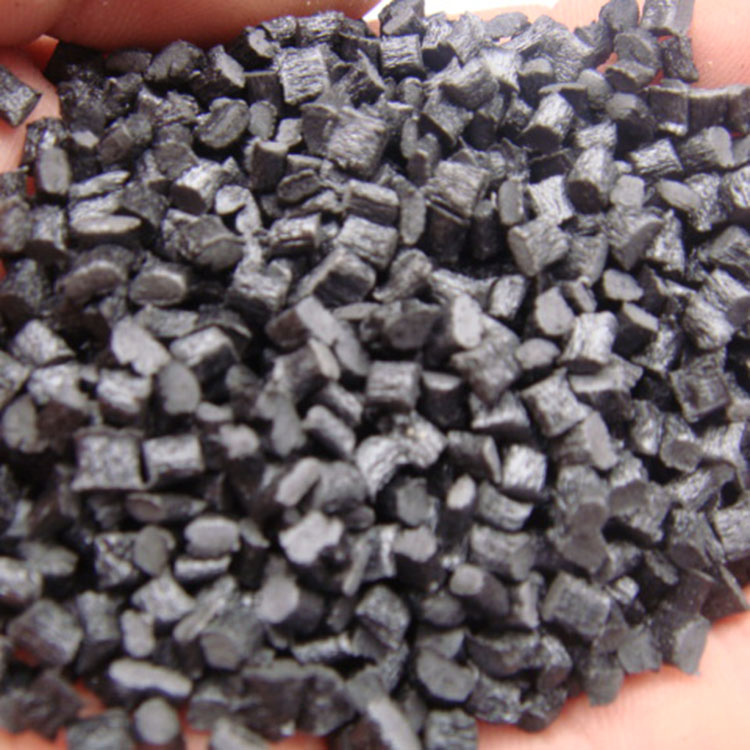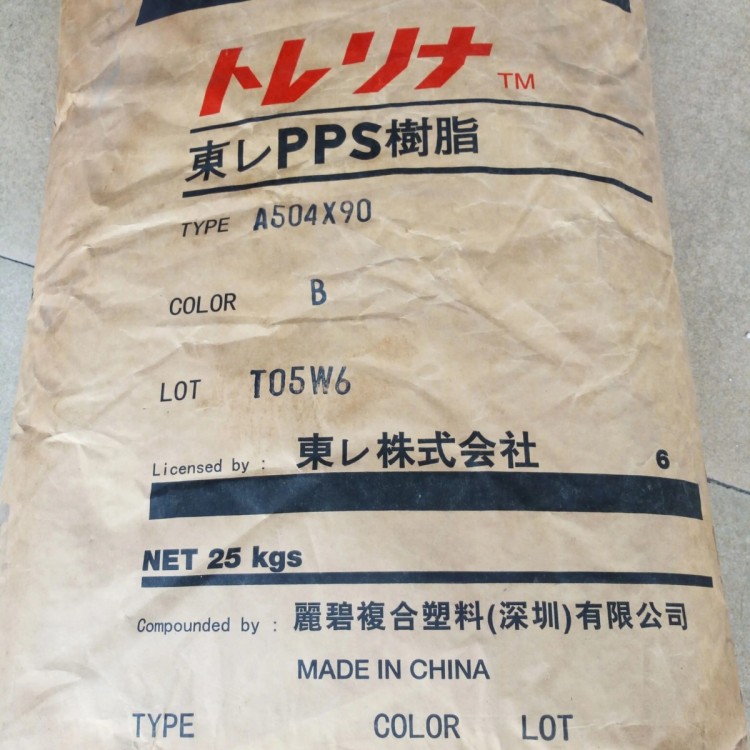
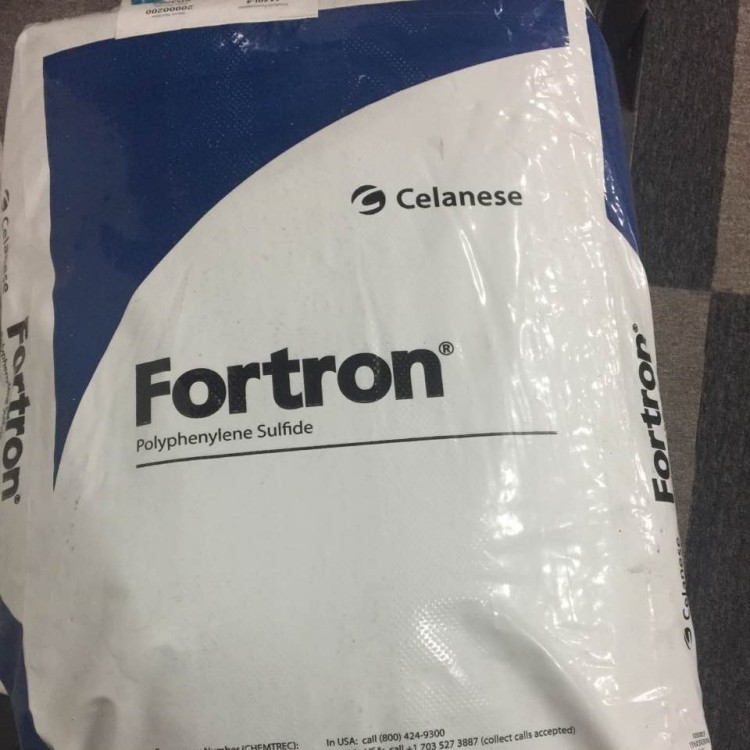
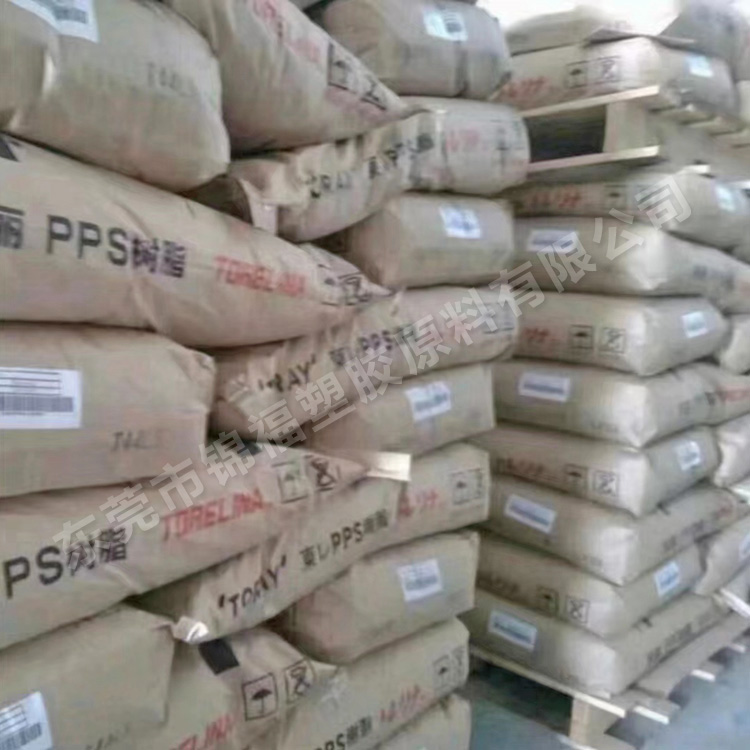
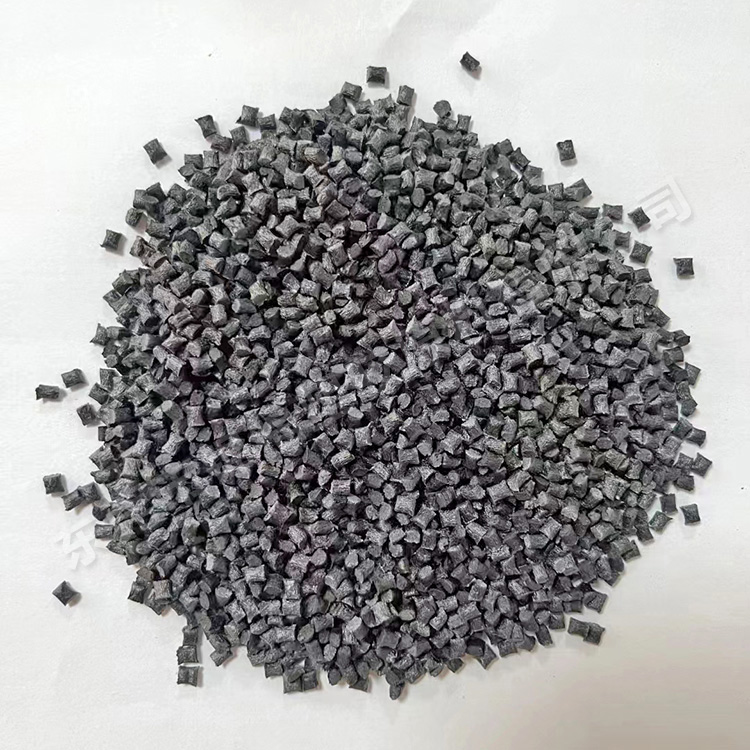
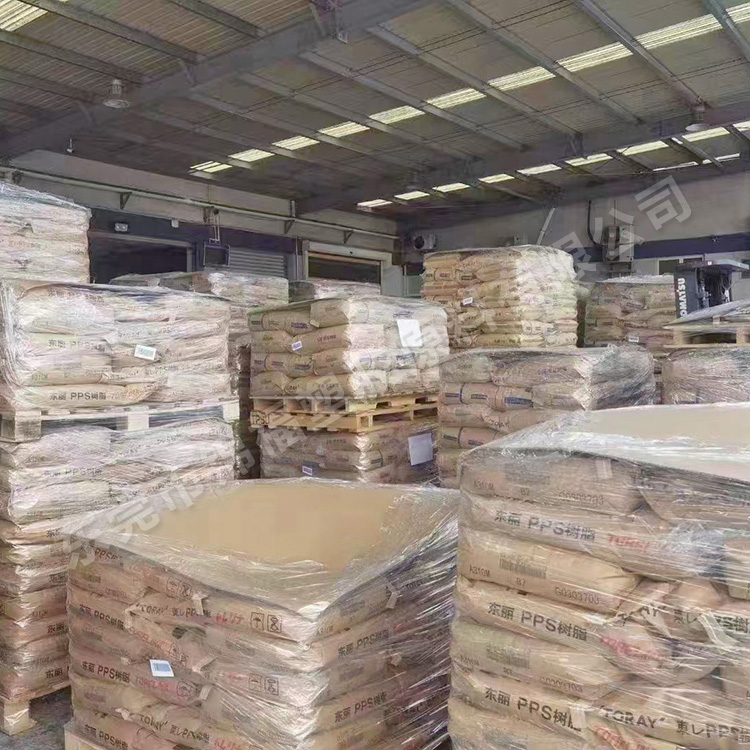





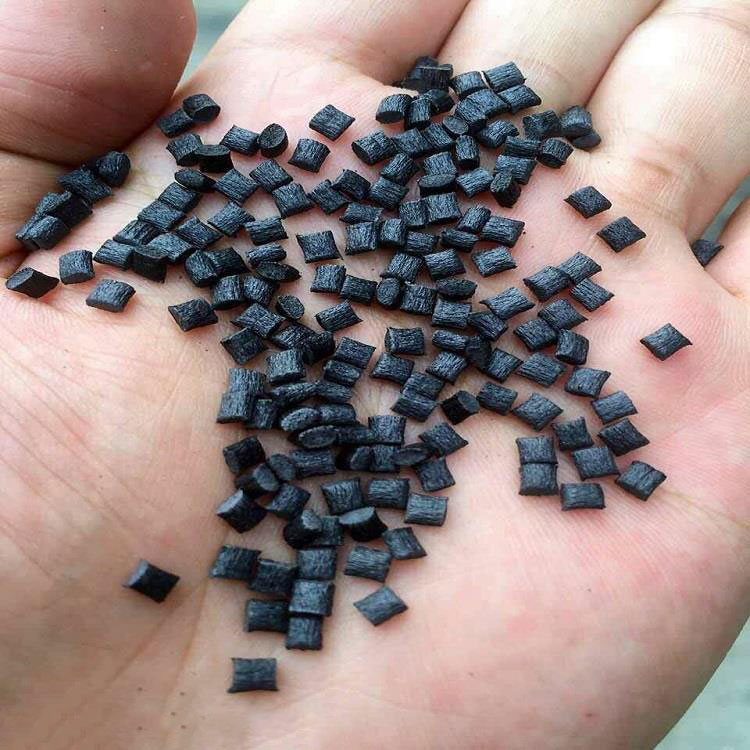


Long-term supply of new PPS material, domestic modified material, imported new material, brands including Showa Denko, Celanese, Toray, etc.
Properties of PPS plastic raw materials
Glass fiber-reinforced material exhibits higher thermal performance indicators, with a continuous service temperature up to 400 degrees Celsius. PPS boasts excellent thermal stability, showing minimal weight loss up to 500 degrees Celsius and complete degradation only at 700 degrees. Its mechanical properties decline very little with increasing temperature, and after 5000 hours of thermal aging at 232 degrees, its flexural and tensile strengths can still maintain over 50%. PPS's tensile and flexural strengths are average for engineering plastics, but its elongation and impact strength are low. Therefore, in load-bearing components, PPS is often enhanced with additives like glass fiber, carbon fiber, or fillers to improve its mechanical properties. Modified PPS, through this process, significantly enhances its main mechanical properties such as tensile and flexural strength, compression, and impact strength, although elongation decreases. Modified PPS can maintain high mechanical properties and dimensional stability under long-term and thermal loads, remains insoluble in any known organic solvents below 175 degrees Celsius, and does not exhibit cracking when in contact with general organic solvents.
PPS, due to its molecular chains being composed of alternating benzene rings and sulfur atoms, inherently possesses flame-retardant properties and does not require the addition of flame retardants to achieve the UL-94-VO rating. Its limiting oxygen index ranges from 44% to 53%, similar to PVC, making it a self-extinguishing plastic. PPS is also highly stable against ultraviolet radiation and rays; it does not become sticky or decompose upon exposure.
The applications of PPS plastic raw materials are centered around their excellent heat resistance, complemented by their friction reduction, self-lubricating properties, chemical stability, dimensional stability, flame retardancy, and electrical insulation. In the chemical industry, PPS can be used for reaction vessels, pipes, valves, chemical pumps, and other equipment for synthesis, conveying, and storage of materials. In mechanical centers, PPS can be used to manufacture impellers, blades, gears, eccentric wheels, bearings, clutches, and wear-resistant parts. The primary use of PPS, however, is in the electronics and electrical field, including the production of transformer frames, high-frequency coil frames, plugs, sockets, wiring brackets, contactor drum blades, and various precision components.