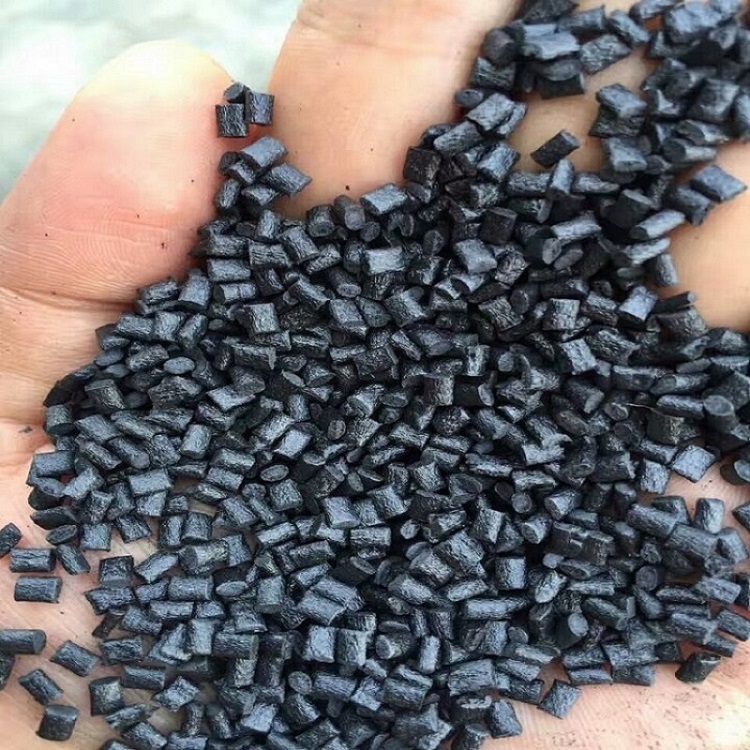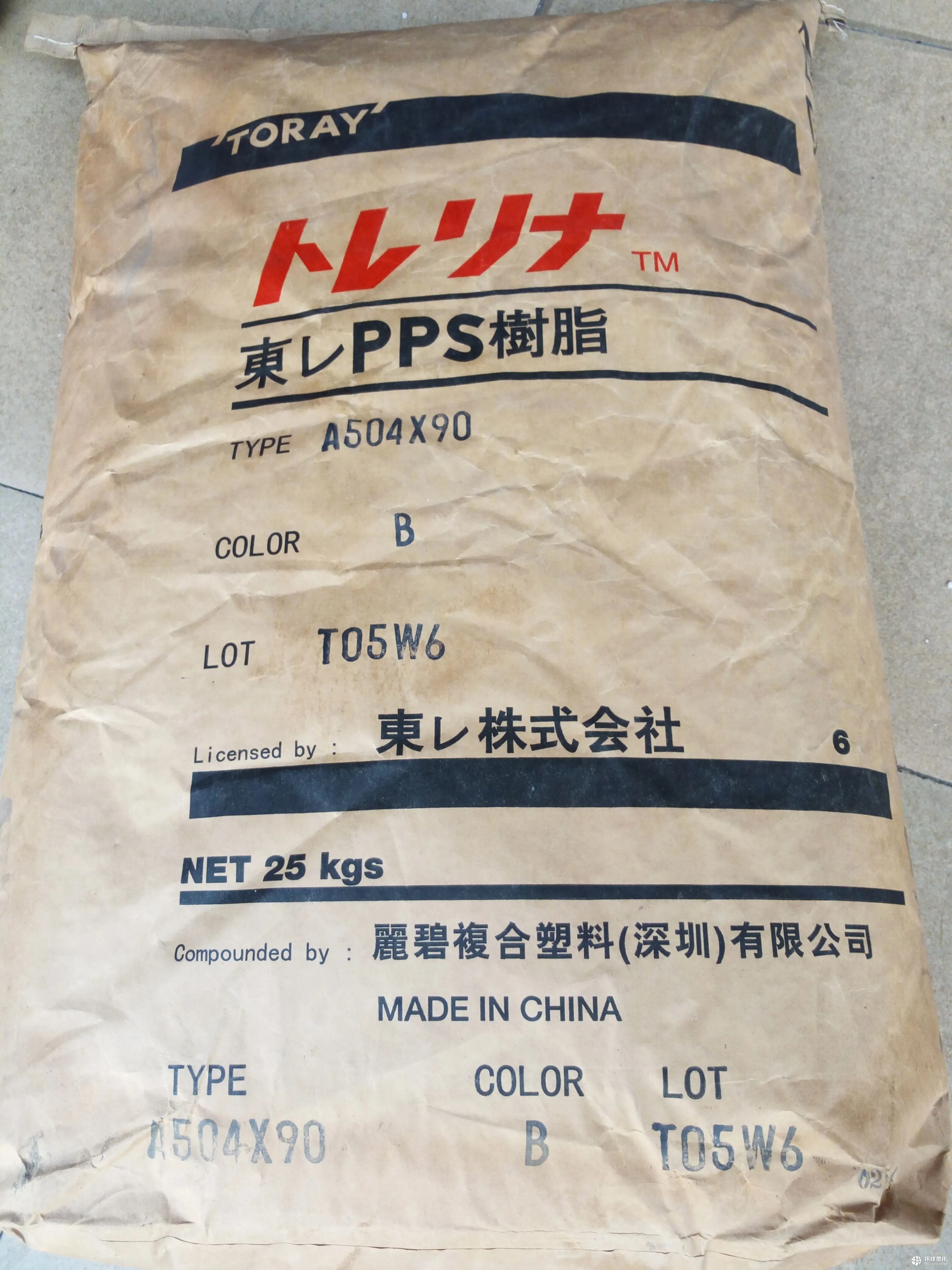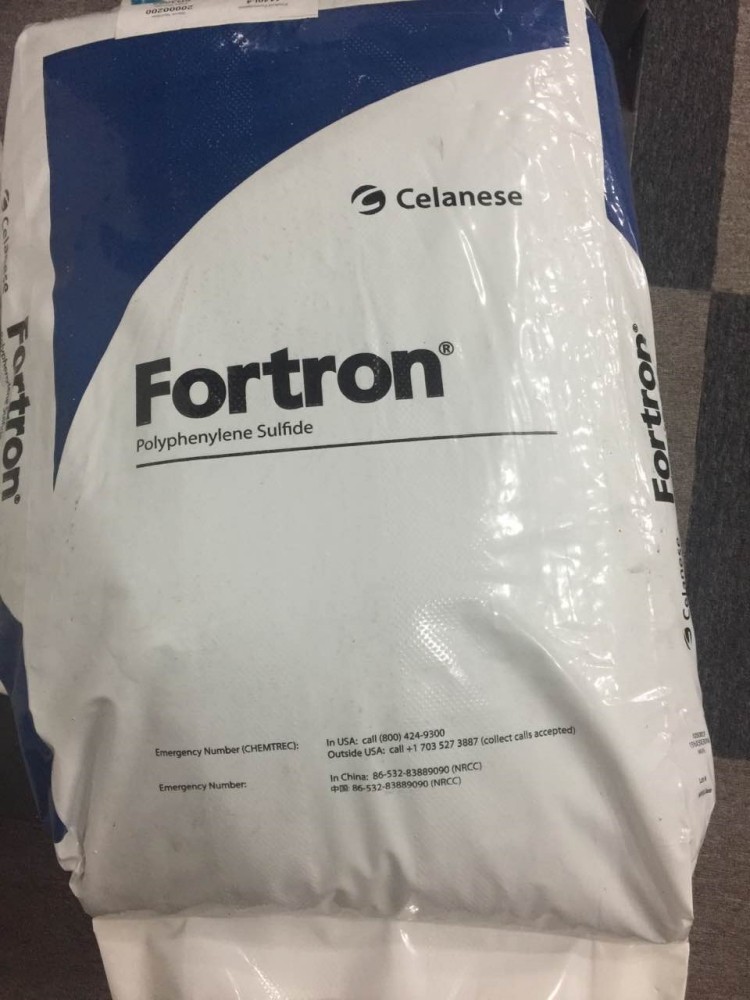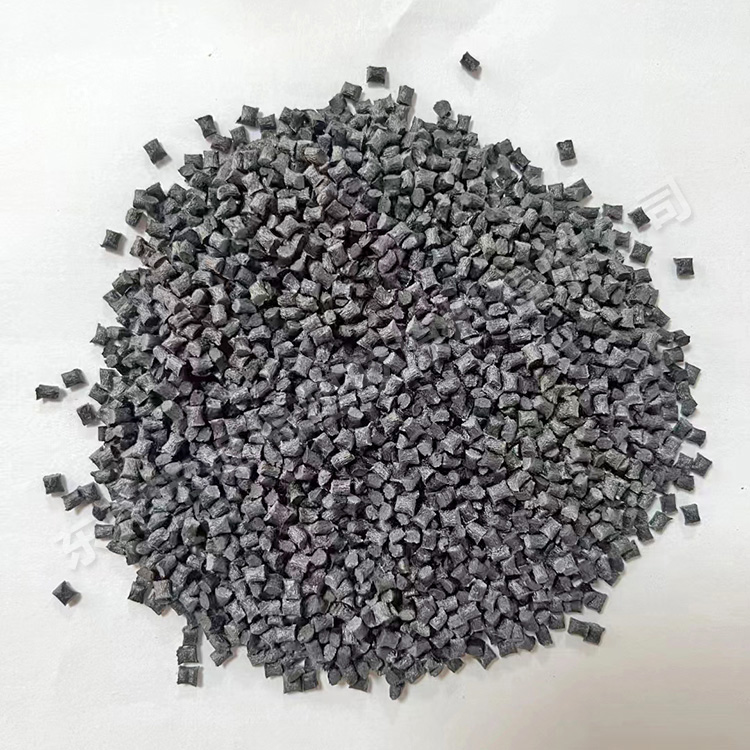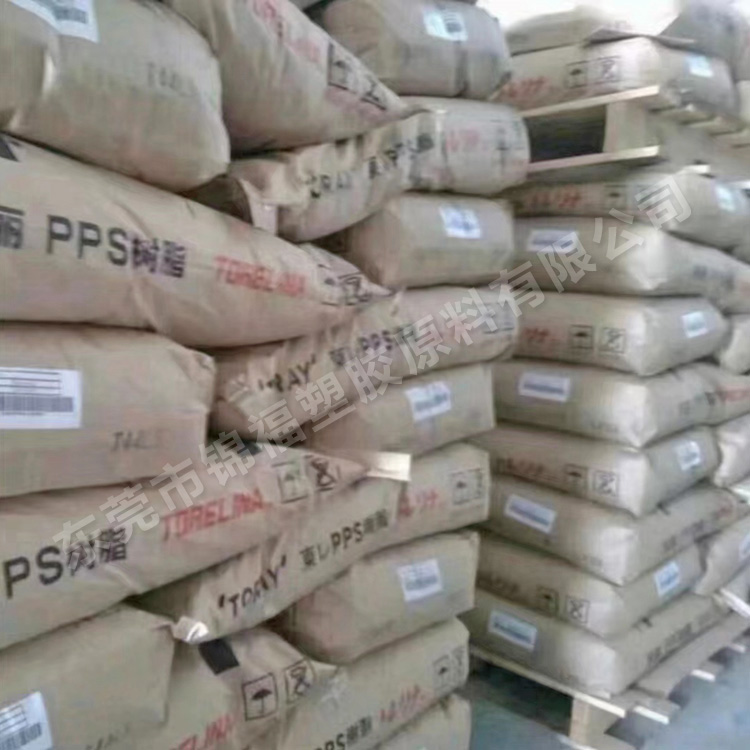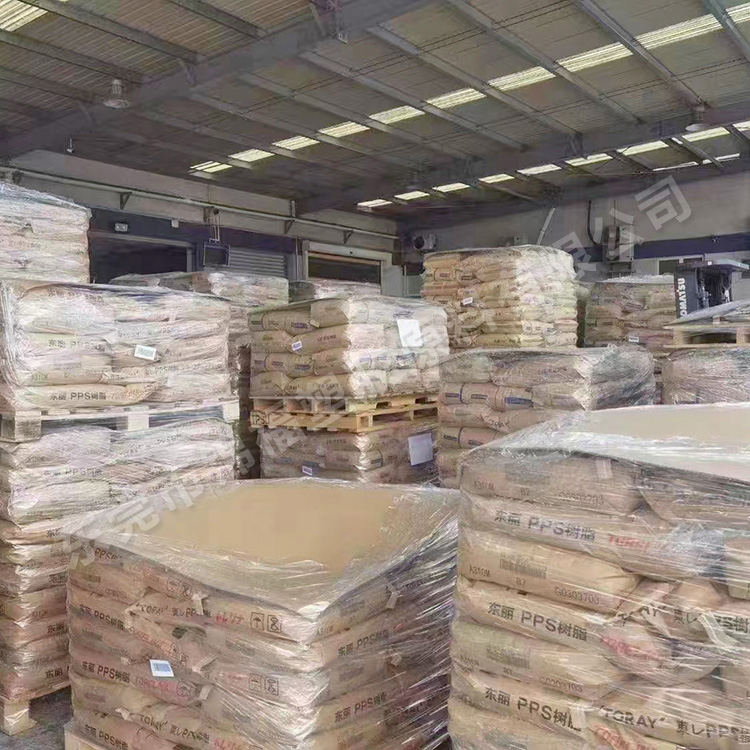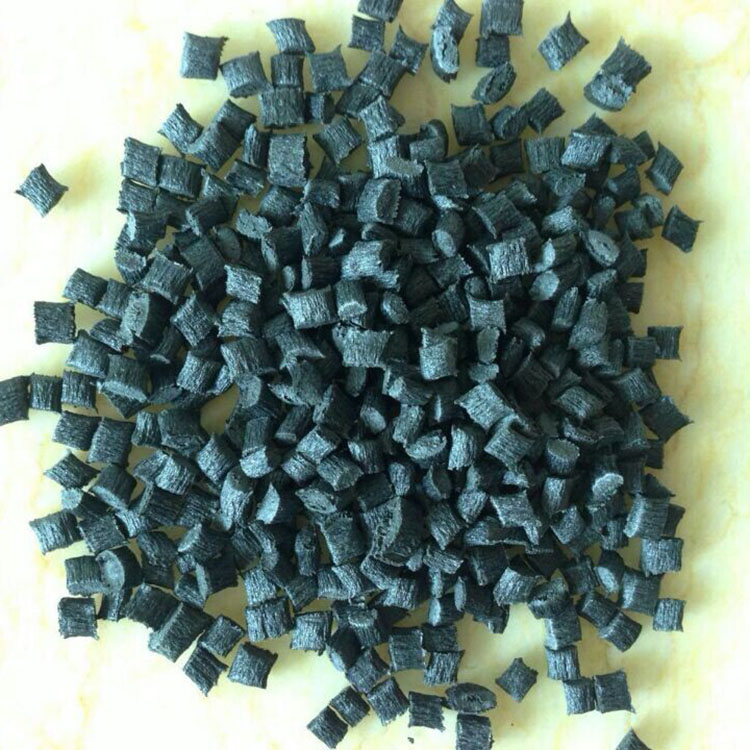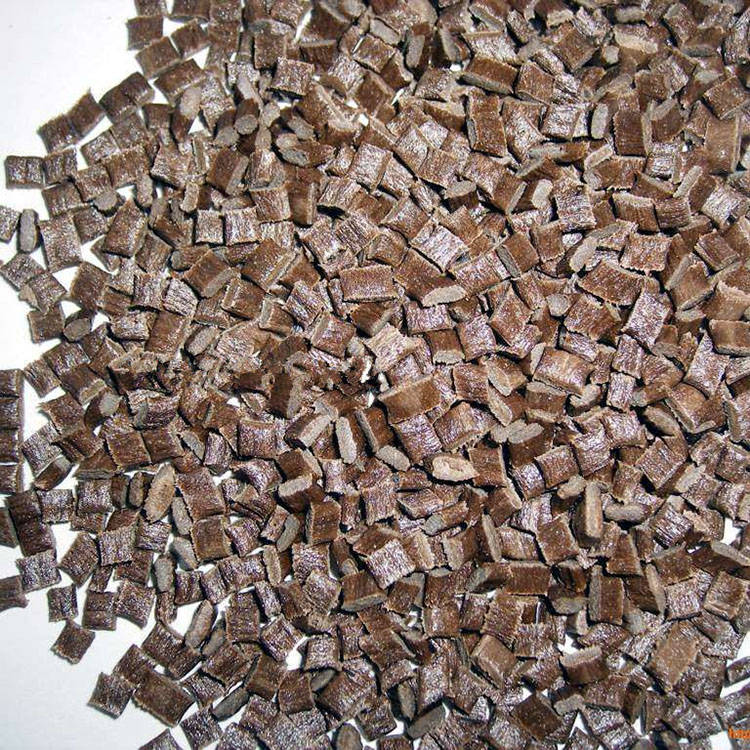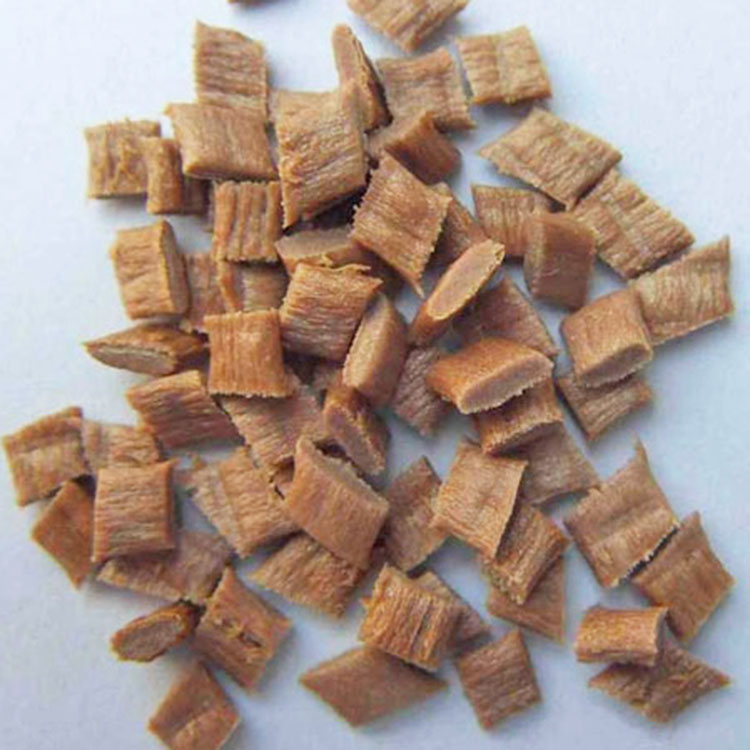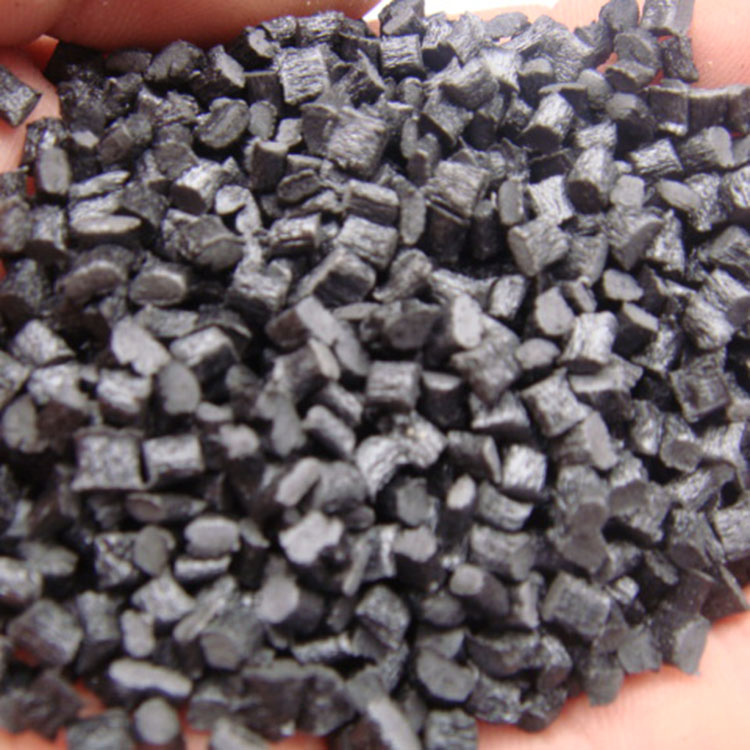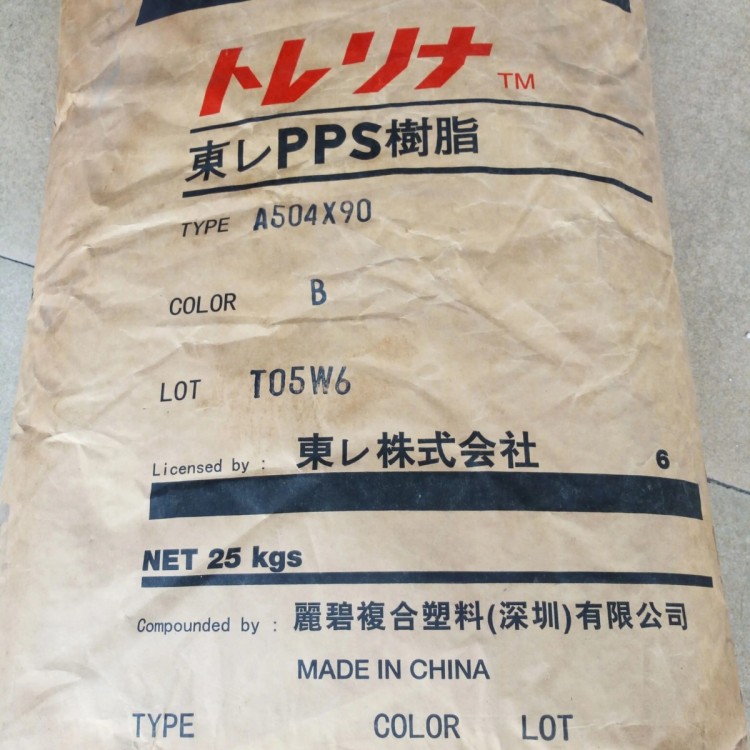
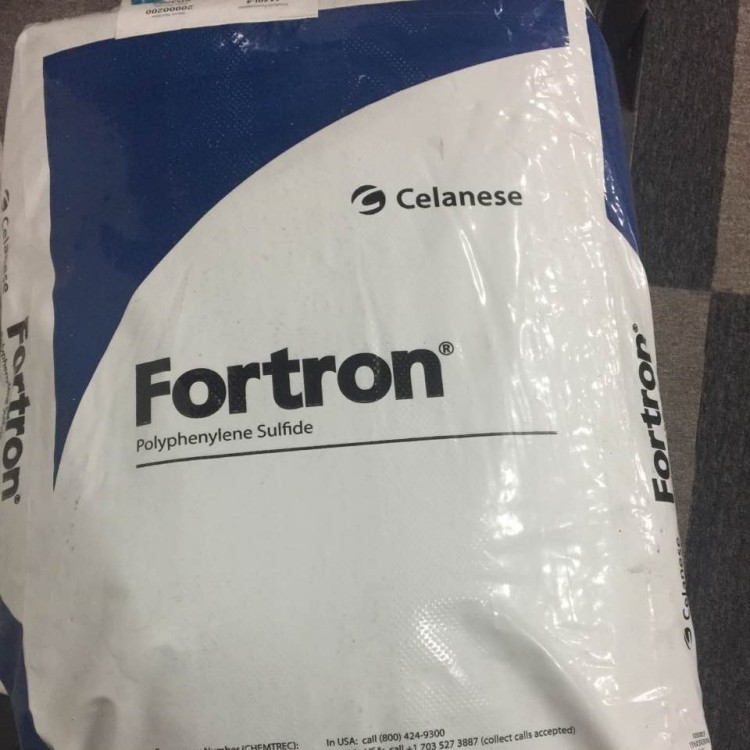
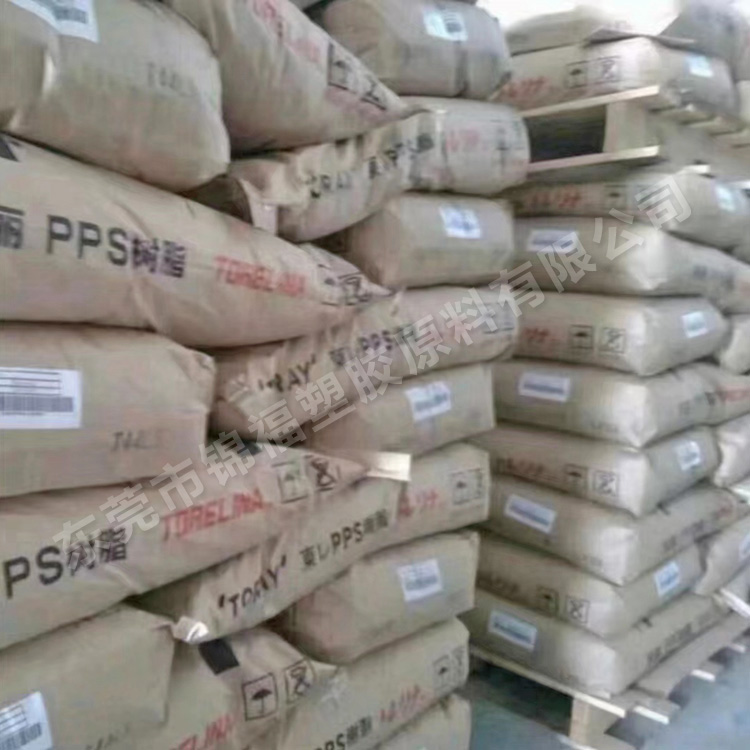
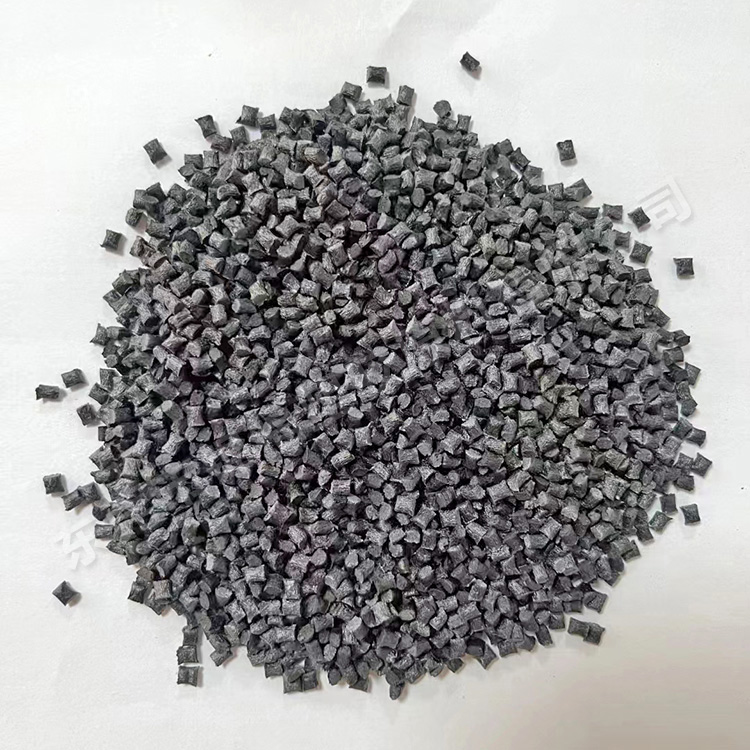
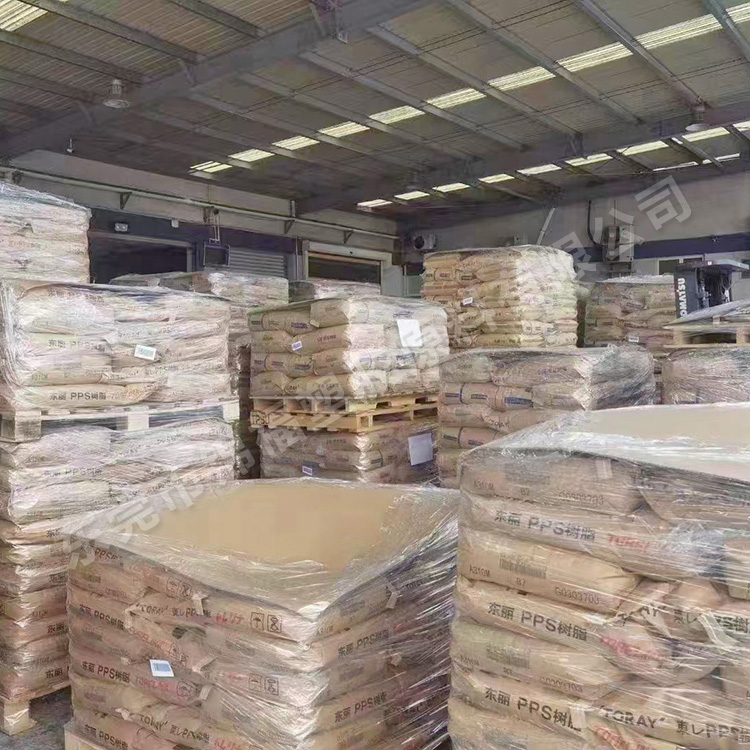





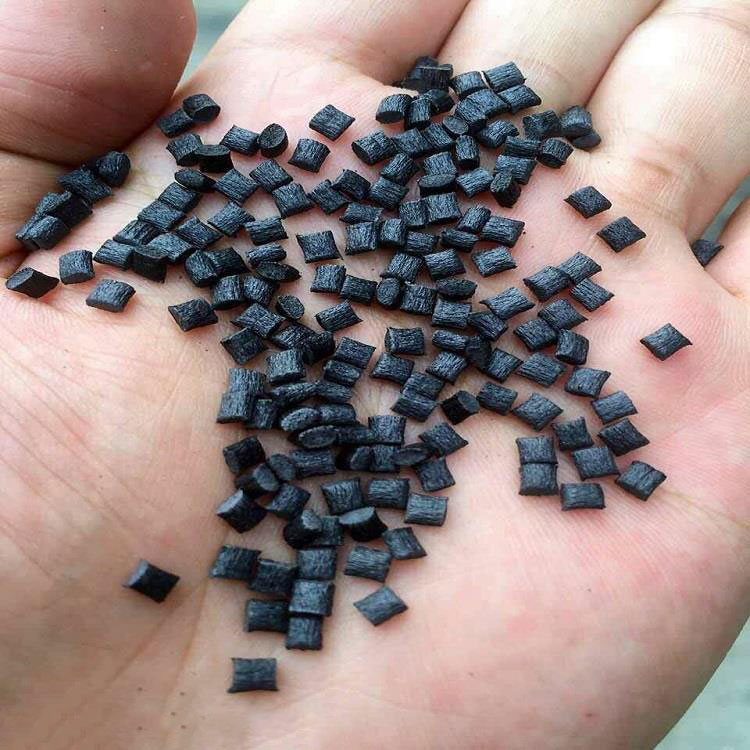


Factory sells various PPS engineering plastics, including imported raw packages, factory modified materials, and recycled materials.
PPS Plastic (Polyphenylenesulphide) - Specific Gravity: 1.36 g/cm³; Shrinkage on Molding: 0.7%; Molding Temperature: 300-330°C. It is an excellent thermoplastic special engineering plastic with outstanding high-temperature resistance, corrosion resistance, and superior mechanical properties. PPS is a sulfur-containing aromatic polymer; linear PPS becomes thermosetting plastic after cross-linking above 350°C, while branched PPS is thermoplastic. PPS was first industrialized by Phillips Company in the U.S. in 1971. After the patent expired, Japanese companies also began to research and produce it. Notable Japanese firms include Toray. Currently, Japan's production exceeds that of the U.S. Other manufacturers are primarily concentrated in the U.S., Japan, and Europe.
The world's top five PPS producers are Philips, Toray, Teknor, Polyplastics, and Japan Ink. In China, institutions such as Tianjin Institute of Synthetic Materials, Guangzhou Chemical Reagent Factory No. 2, Sichuan Zigong Chemical Reagent Factory, Hebei Institute of Technology's Chemical Engineering Department, and Guangzhou Institute of Chemical Industry have conducted some small-scale trials, but none have been able to sustain continuous production. Currently, domestic PPS suppliers include Shanghai United Molding Chemicals, etc. By 2000, the global PPS production capacity could reach 50,000 tons per year. The demand for PPS is led by Japan at 33%, North America at 32%, Western Europe at 19%, and the Asia-Pacific region at 16%.
The application of PPS engineering plastic centers around its excellent heat resistance, while also considering its tribological self-lubricating properties, chemical stability, dimensional stability, flame retardancy, and electrical insulation. In the chemical industry, PPS can be used for reaction tanks, pipes, valves, chemical pumps, and other equipment for synthesizing, conveying, and storing materials. In mechanical centers, PPS can be used to manufacture impellers, blades, gears, eccentric wheels, bearings, clutches, and wear-resistant parts. The primary use of PPS, however, is in the electronics and electrical field, such as for transformer frames, high-frequency coil frames, plugs, sockets, wiring brackets, contactor drums, and various precision parts.