


















I. Overview of EU Trademark Registration
The European Union Trademark (EUTM) refers to a mark registered with the relevant EU authorities under the provisions of the EU Trademark Law, which is valid throughout the EU and used to identify and distinguish goods or services. The EUTM operates concurrently with national trademarks within EU member states without any conflict.
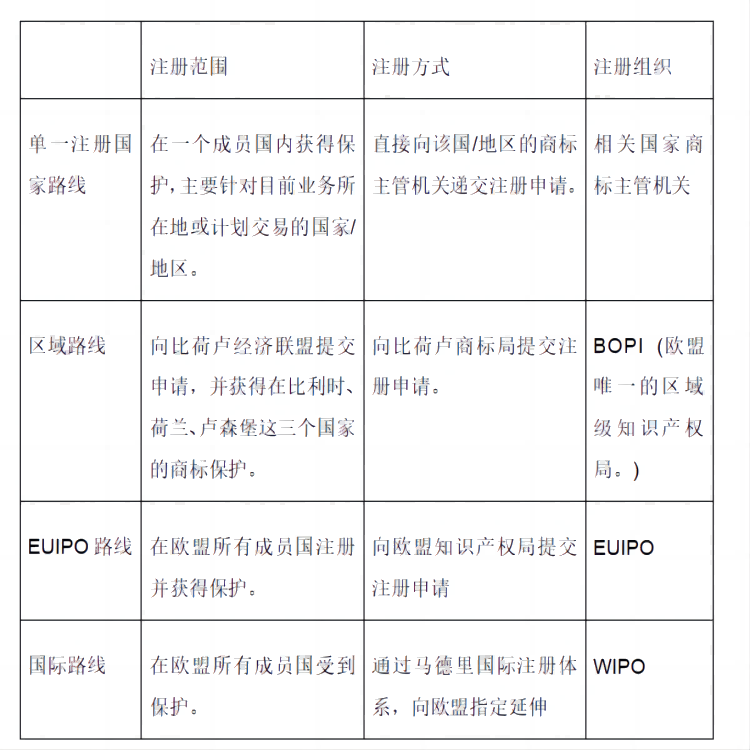
Section II: The "Four-tier System" of EU Trademarks
III. EU Trademark Applicant
Available to individuals and companies alike. If the applicant does not have a business establishment, a genuine and effective entity, or a residence within the European Economic Area, an agent must be designated to handle the matter.
IV. Types of EU Trademark Applications
Standard Trademark: A single mark can be owned by one or more legal entities or natural persons.
Collective Trademark: Only manufacturers, service providers, trade associations, and legal entities governed by international public law can apply.
Proof of Trademark: Any natural person or legal entity, including government bodies, institutions, and subjects under government jurisdiction, may apply, provided that the applicant does not engage in businesses involving the provision of certified products or services.
V. Nice Classification
The EU trademark application is classified under the Nice Classification, and the goods and services applied for must fall under at least one of the 45 categories of the Nice Classification.
Section 6: EU Trademark Registration Process
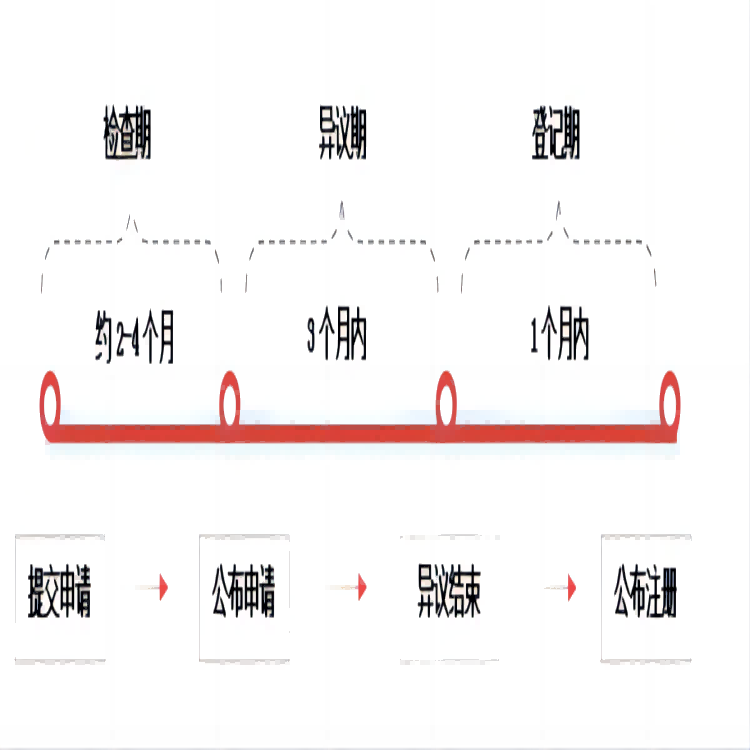
Application Phase: Conduct a search in the EU Trademark Database for the trademark being applied for, to understand the risks associated with the application.
2. Application Submission: Applications provided by EUIPO are mainly categorized into Standard Application, Advanced Application, and Express Application.
3. Public Application: Before publication, the reviewer will examine the applicant's control program to ensure it includes all relevant details, categories, and initiate a search to ensure no conflicting marks.
4. Raise Objections: During the objection period, after the trademark passes the review, it will be selected for the announcement period. Any third party can file an objection within three months after the publication.
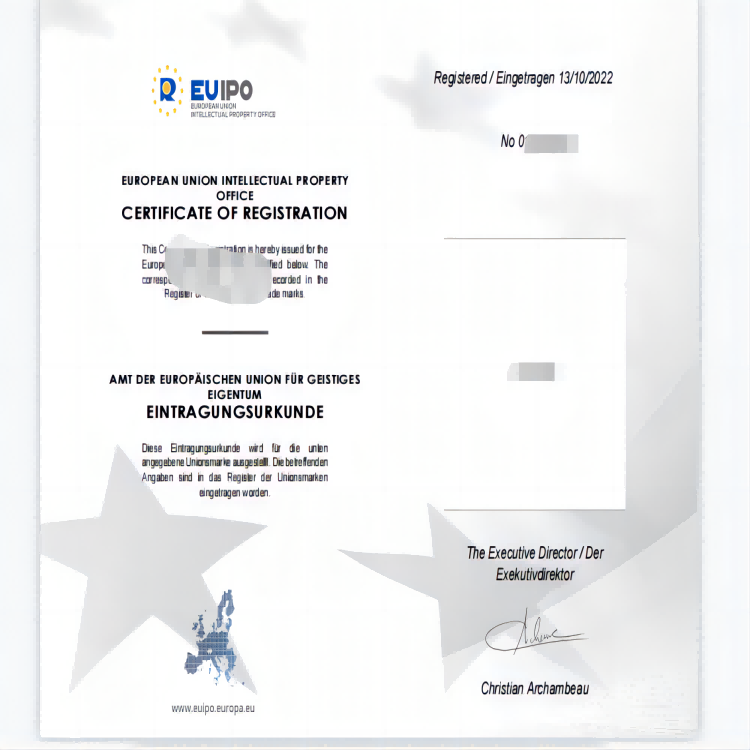
5. Publication of Registration: Upon the end of the opposition period or if no opposition is upheld (if any), the EUIPO will officially approve the registration of the mark. The applicant can download the registration certificate within two days of the publication.
Section 7: Advantages of EU Trademark Registration
Low application fees. Register once and use the trademark across all 27 member states of the EU. This significantly reduces costs compared to filing applications individually in each member state.
2. Centralized program. A single trademark registration provides protection in all 27 member states of the EU, and decisions related to trademark cases will be enforced across all EU countries.
3. The EU trademark has a broad scope of use. Its use in any member state is considered as use in all member states, even if the trademark is only used in one country within the union, it will not face the risk of being revoked in other countries.
4.享有巴黎公约优先权. For the same trademark, within six months from the date of application in a Paris Convention member country, a priority right can be claimed when submitting the same trademark in the same category and scope to the European Union Intellectual Property Office.
5. Variety of trademark types. Not only can traditional trademarks like words and symbols be registered, but also novel trademarks such as sounds, scents, product appearance, and structure can be applied for registration.
6. Trademarks can cover multiple goods or service categories. Applications for multiple classes under one trademark are permissible.
Eight: Disadvantages of EU Trademark Registration
During the EU trademark application registration phase, the likelihood of opposition is high. In any of the 27 member states, a prior right holder can file an opposition within the notice period. If the opposition is upheld, the entire EU trademark application will be rejected. Although the EU application can be converted into a national application while retaining the original filing date, the applicant must pay conversion fees to each country.
2. Resolving objections requires significant time and cost. If an objection arises during the announcement period, the trademark may not be registered in a timely manner. The objection process typically takes about 1-2 years, depending on the specific case.
Certificate Template: