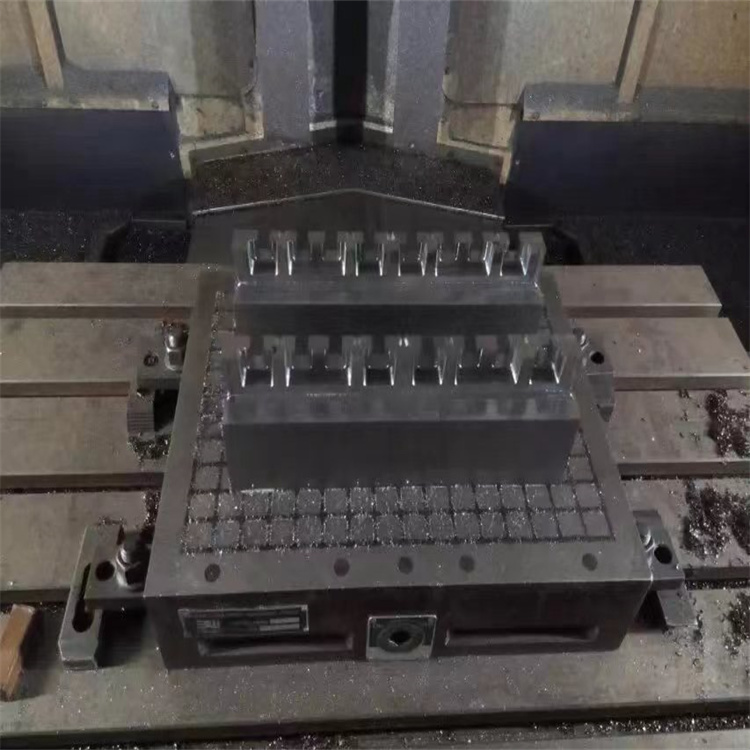


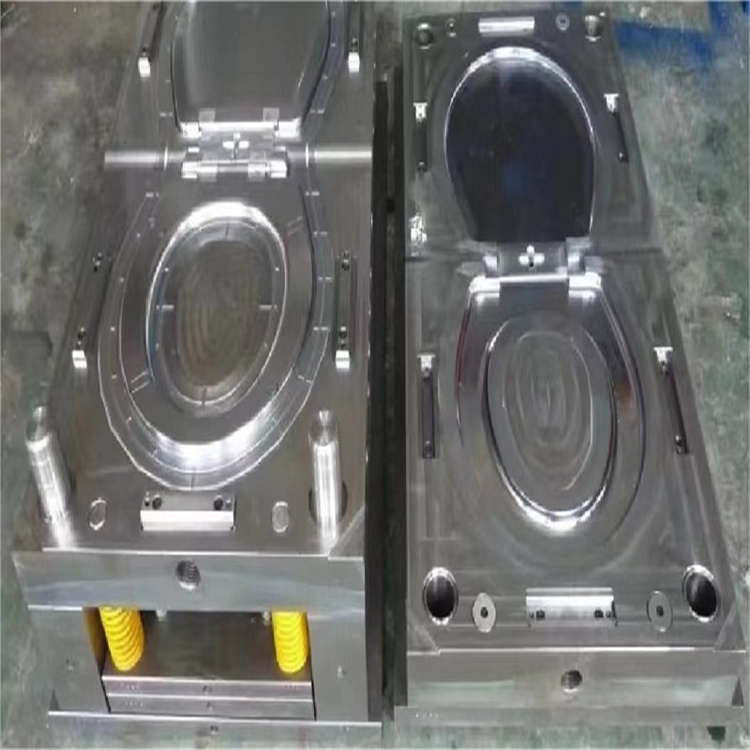











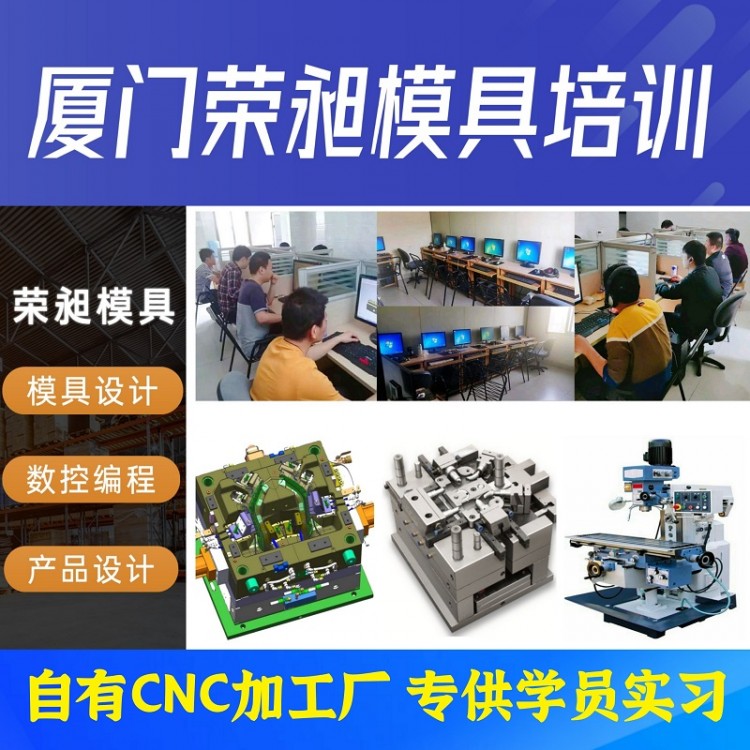
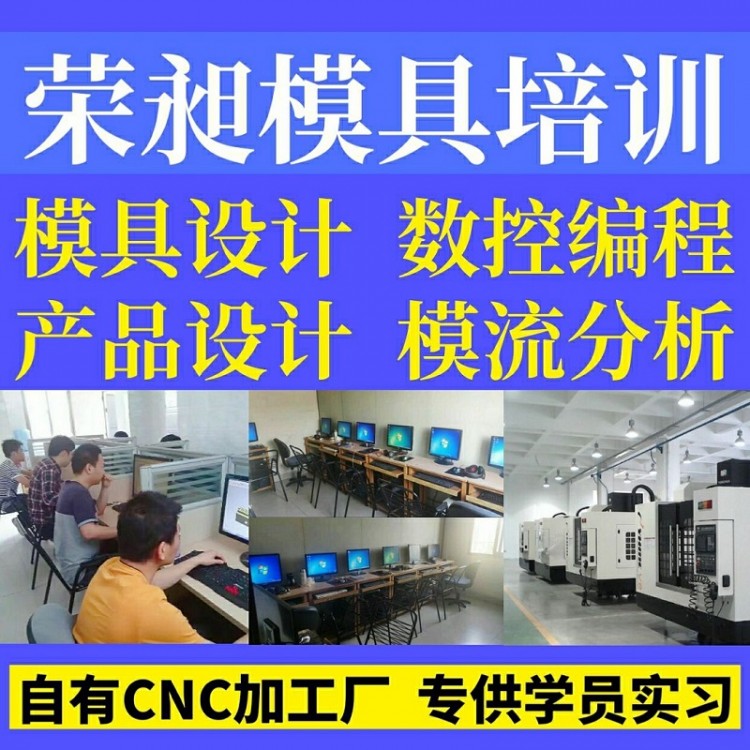
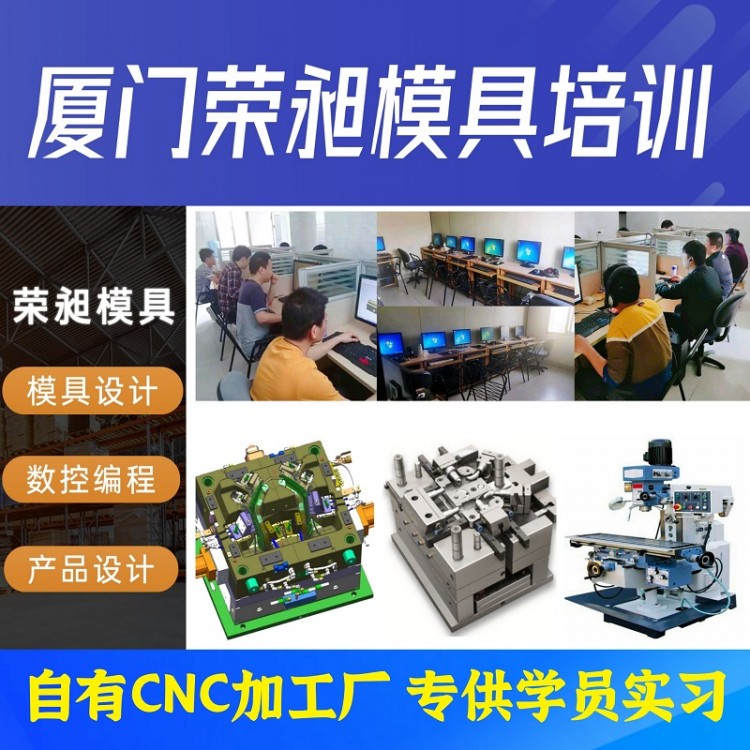
Mold Network training allows for the learning of UG mold knowledge anytime, anywhere. This is an excellent choice for students with strong self-study abilities and a keen desire to learn UG mold knowledge. Students can learn UG mold knowledge at a low cost while enriching their environment and cultivating their learning qualities and self-study skills.
Small-class UG Mold Training Course Advantages:
Management of teaching staff will be *more convenient, allowing for *stronger targeting in teaching. With fewer students, teachers can attend to all UG mold training participants and better understand them, thus tailoring instruction to individual needs and helping students quickly grasp UG mold knowledge. Additionally, compared to large-class UG mold training courses, small-class UG mold training courses promote more interaction between students and teachers, which is *beneficial for students to truly learn UG mold technology. Furthermore, the small-class UG mold training courses not only enable students to *fully utilize teaching resources but also help them focus better on learning. When students are committed to their studies, their enthusiasm is *high, which is *advantageous for learning UG mold technology.
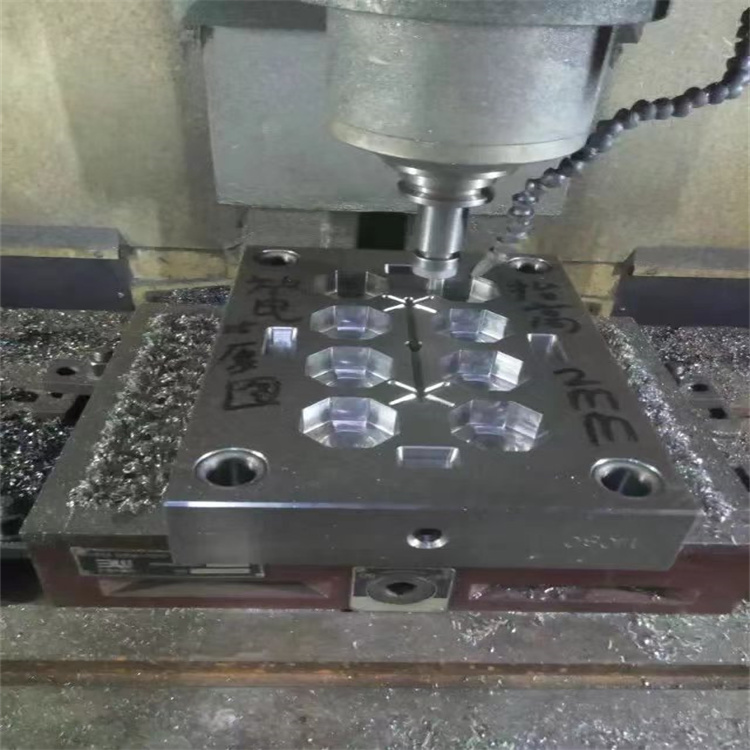
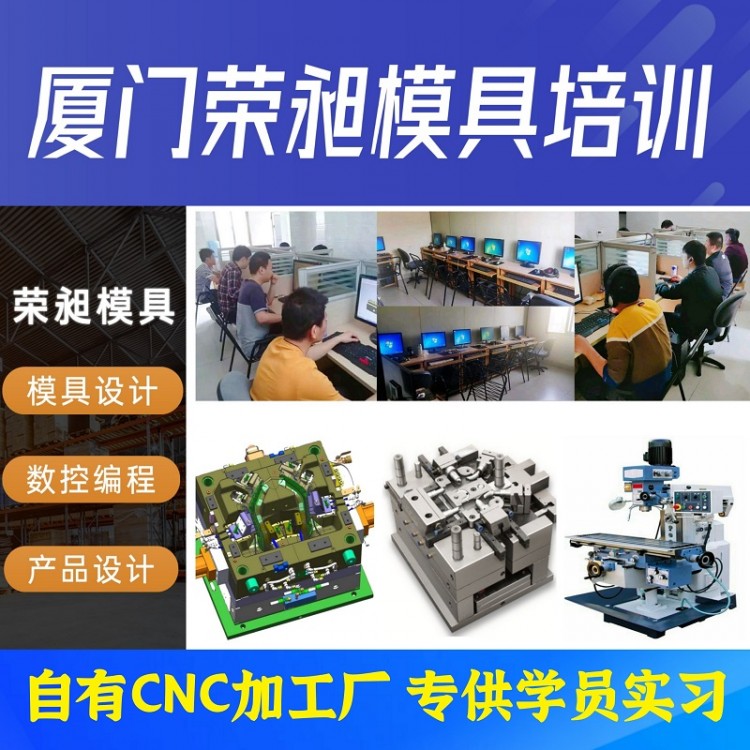
Mold design is a specialized technical course, covering a wide range of fields including UG design software, lathes, milling machines, CNC turning and milling, machining centers, and EDM, making it a comprehensive major. Therefore, studying mold design requires a multifaceted skill set.
The learning of UG software employs a project-based teaching method. By designing a mold, students master the command system available in UG software. This teaching approach is innovative, though project-based learning has been proposed for a long time, it's not easy to implement effectively in teaching. This mold training method effectively addresses the challenges of limited training time and heavy workload, enabling students to acquire a wealth of knowledge in a short period.
Mold Training Content:
Mold manufacturing process.
Main Content: Pressing processes and classifications of pressing dies; introduction to pressing equipment; design of punching dies, bending dies, stretching dies, and forming dies; basic knowledge of plastic and plastic part design; key points of injection molds and their design; mold machining and electrical discharge machining; mold assembly and adjustment.
2. Mold CAD/CAM technology.
Main Content: CAD/CAM overall structure, hardware system, software system; mechanical product design CAD, Computer-Aided Manufacturing (CAM), and Group Technology (GT); Computer-Aided Process Planning (CAPP) technology; and key technologies such as mold design CAD.
3. Press Mold Design
Proficient in single-process mold design, compound mold design, continuous mold design, precision mold design, covering mold design, hard alloy mold design, master mold standardization, mold terminology, mold technical specifications, mold standard parts, and relevant standards.
Our company adheres to the business philosophy of "credibility first, quality assured," sincerely serving a wide range of customers. With excellent products and quality management as our guarantee, we provide you with trustworthy products!