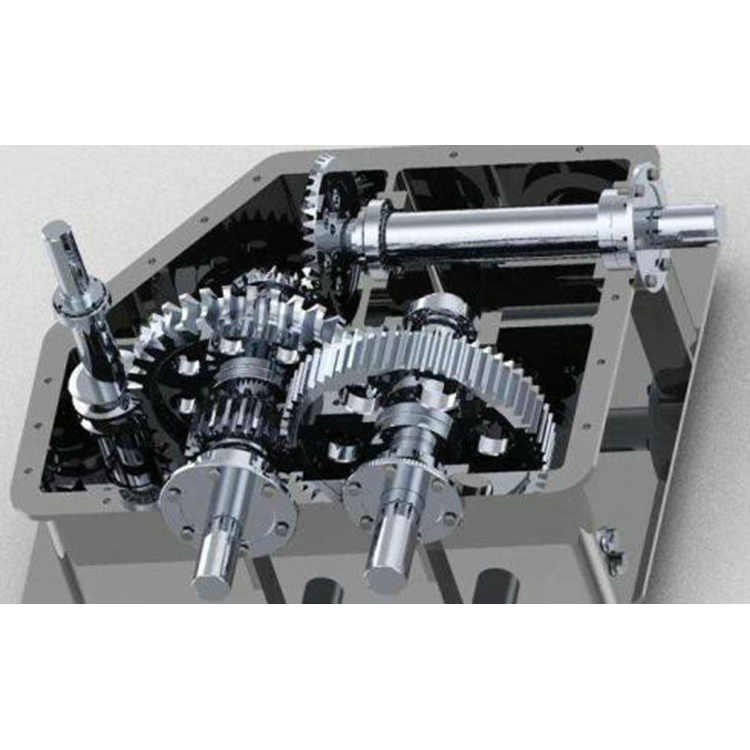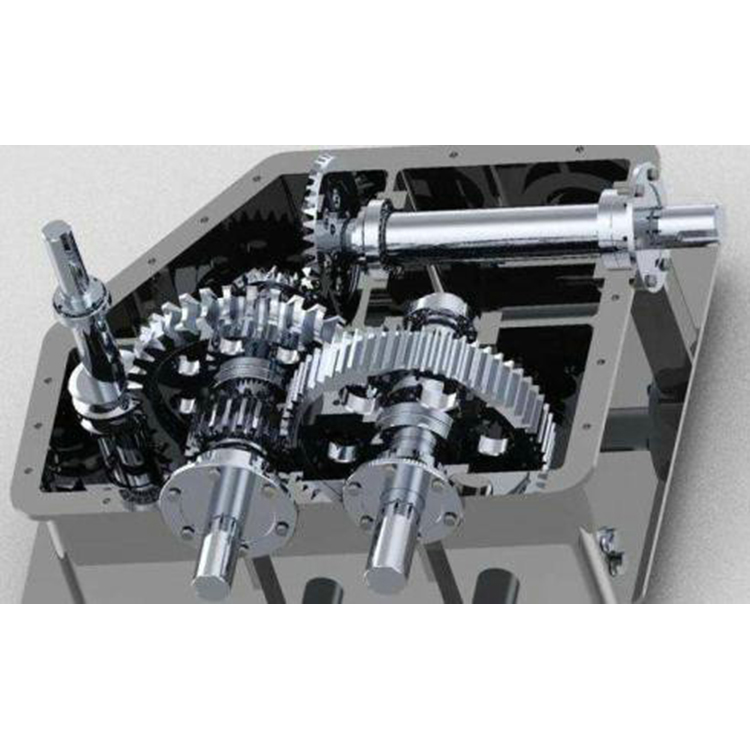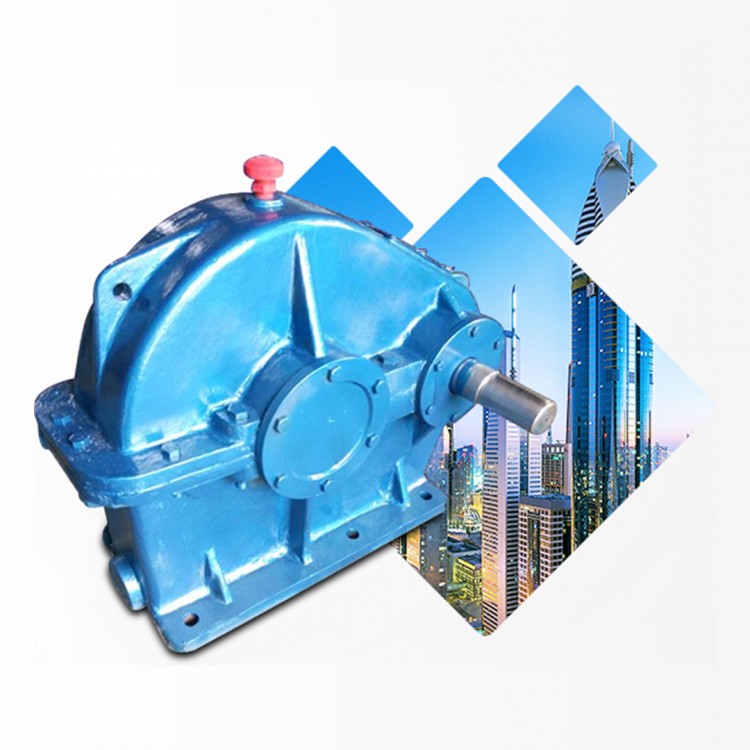

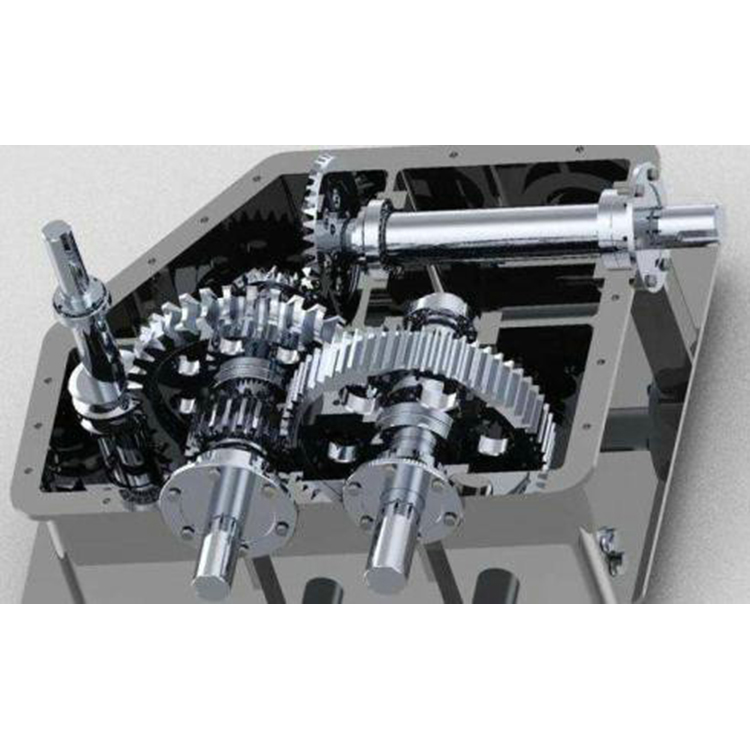

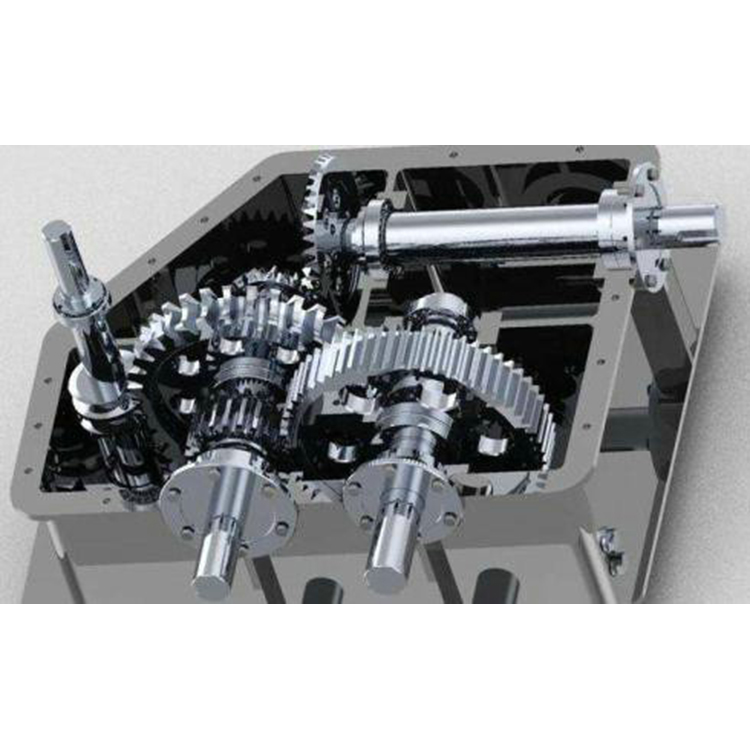
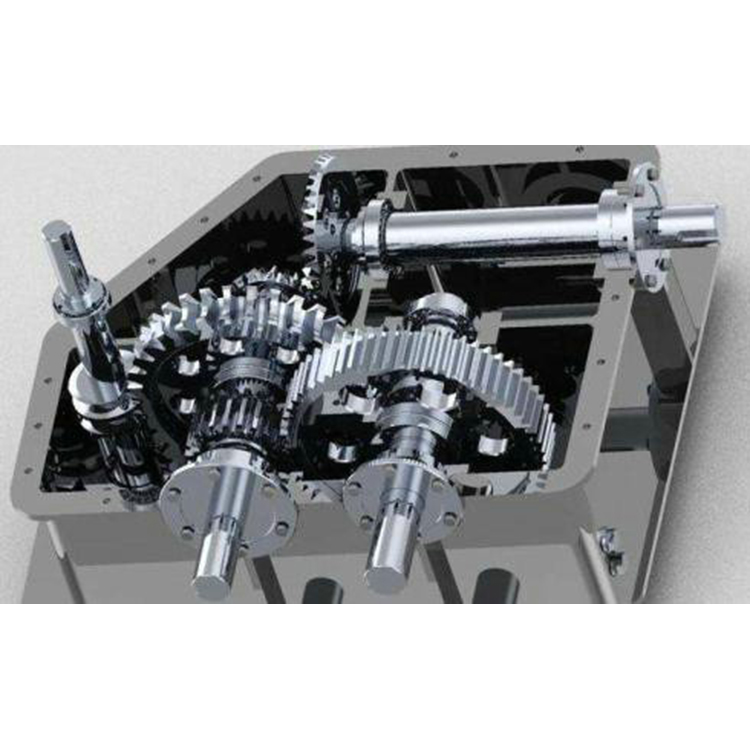



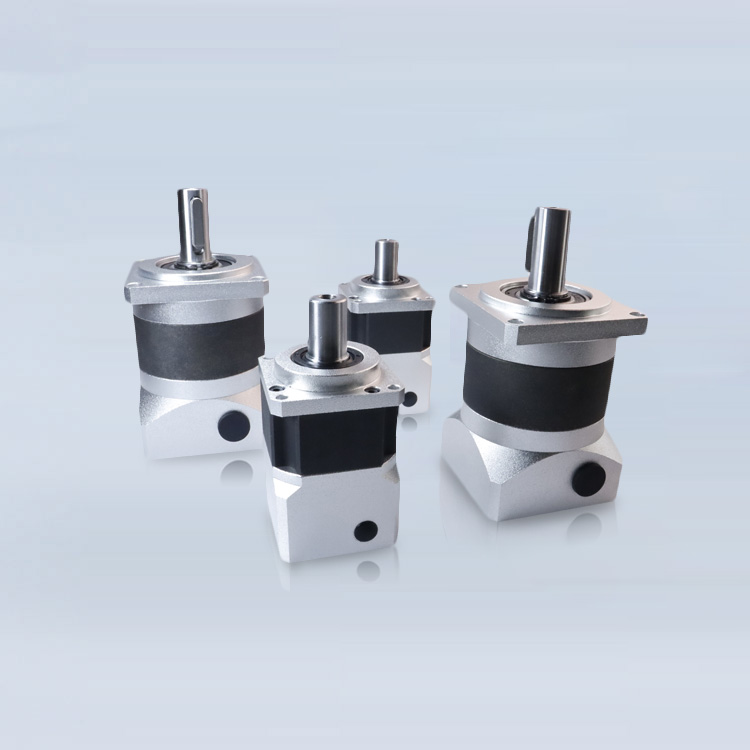





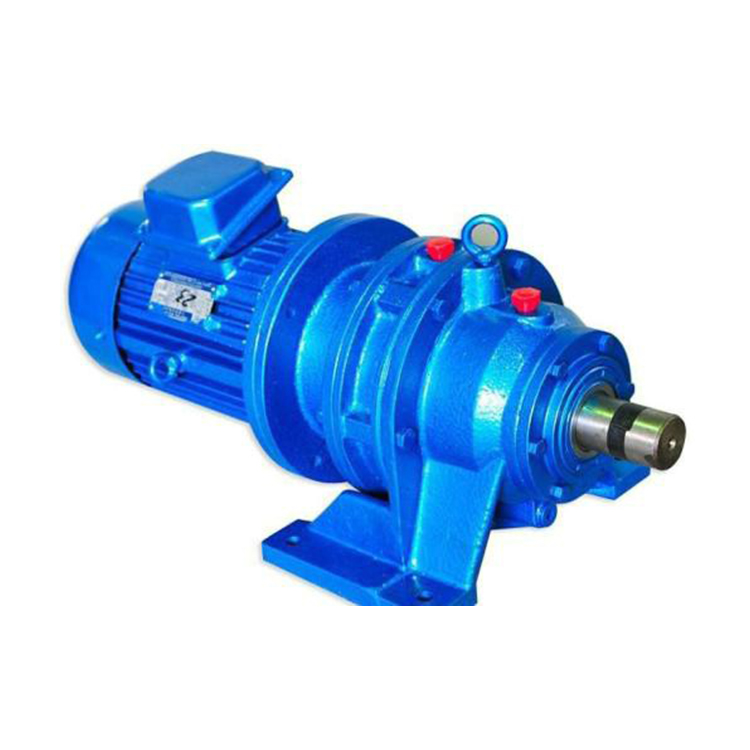
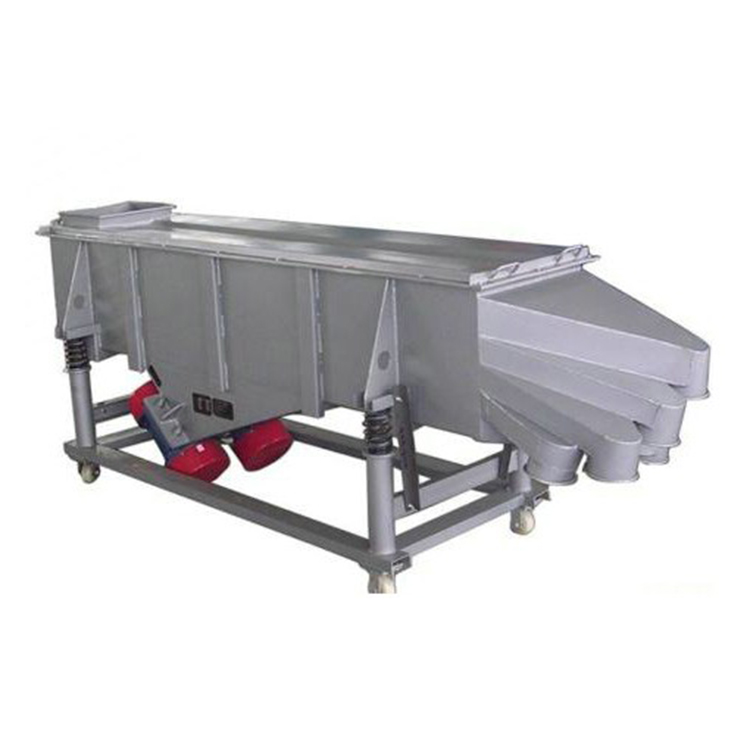
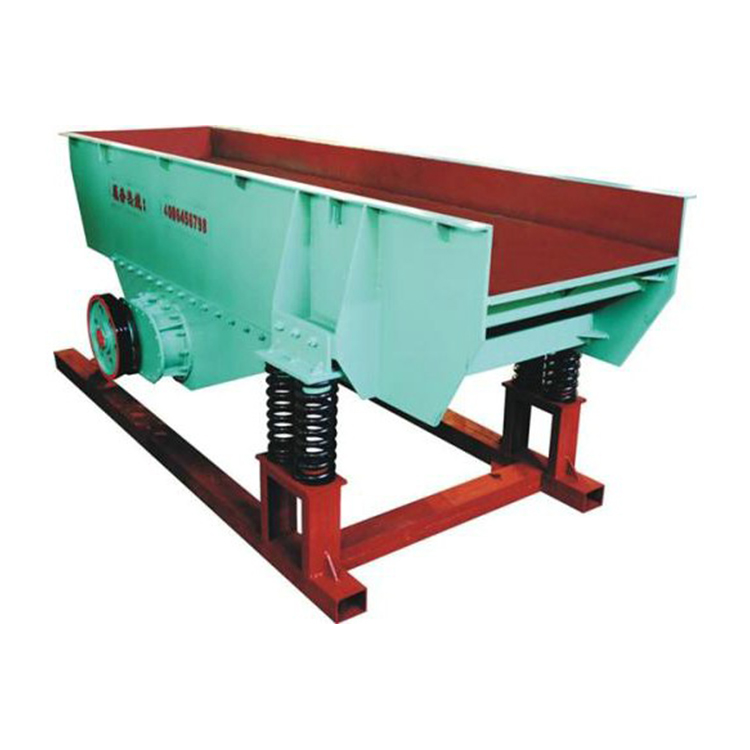
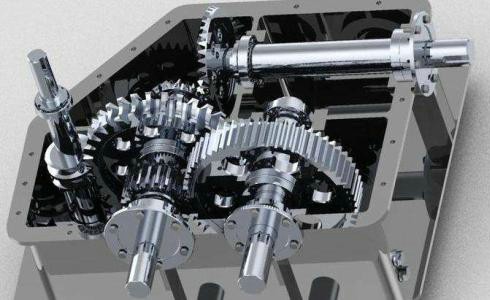
A reducer is a power transmission device that uses a speed converter, such as gears, to reduce the rotational speed of the motor to the desired speed and obtain a higher torque.
The function of the reducer
1) Reduce speed while increasing output torque; the torque output ratio is determined by multiplying the motor's output by the reduction ratio, but ensure it does not exceed the reducer's rated torque.
2) The speed simultaneously reduces the load inertia, with the reduction in inertia being the square of the deceleration ratio. You can see that most motors have an inertia value.
Common Types of Reducers
1) The main features of the reducer include reverse self-locking function, a wide range of reduction ratio, and the input and output shafts are not aligned on the same axis or plane. However, they are generally larger in size, have lower transmission efficiency, and lower precision.
2) Harmonic drive of harmonic gearboxes utilizes the controllable elastic deformation of flexible elements to transmit motion and power. It has a small volume and high precision, but its drawbacks include a limited life of the flexible ring, poor resistance to shock, and inferior rigidity compared to metallic components. The input speed should not be too high.
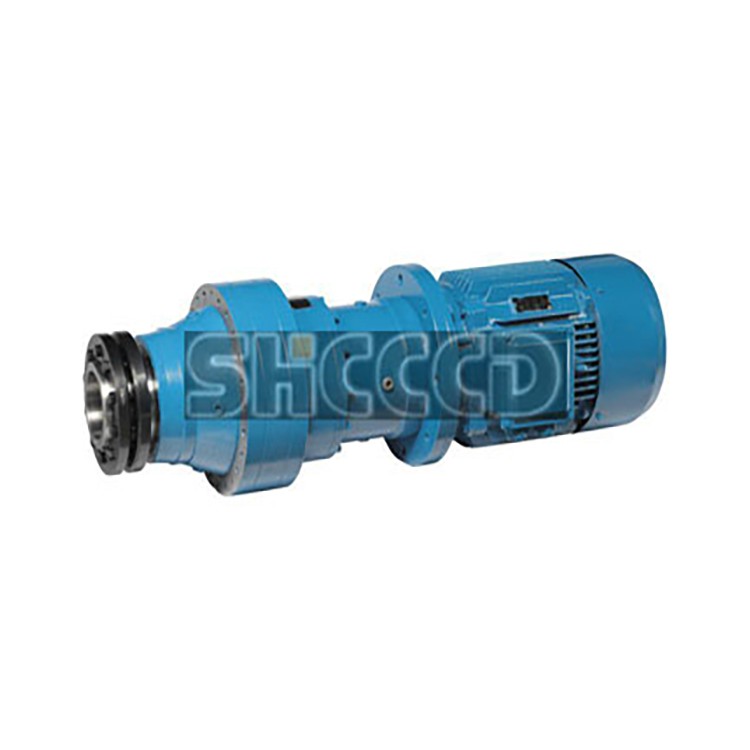
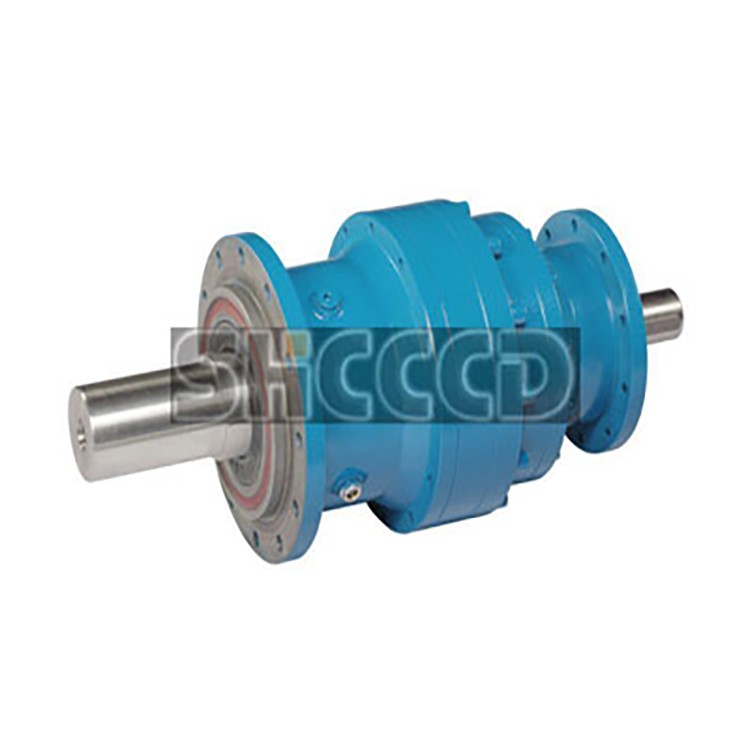
3) Planetary reducers offer advantages such as a compact structure, small return gap, high precision, long service life, and a high rated output torque. However, they are slightly more expensive.
Standard reducers include bevel gear reducers (such as parallel shaft bevel gear reducers, worm reducers, cone gear reducers, etc.), planetary gear reducers, cycloid pinion reducers, worm and worm gear reducers, and planetary friction-type stepless speed changers, etc.