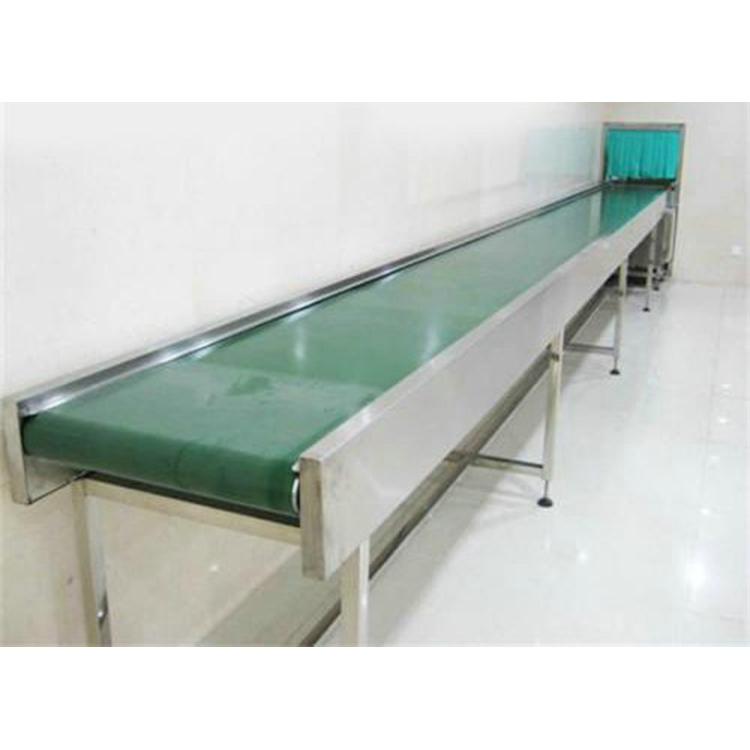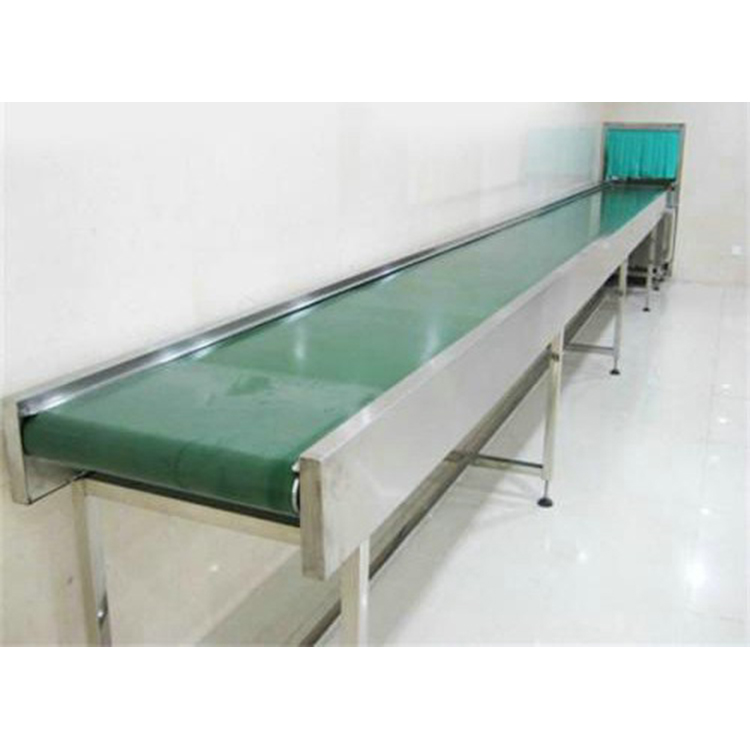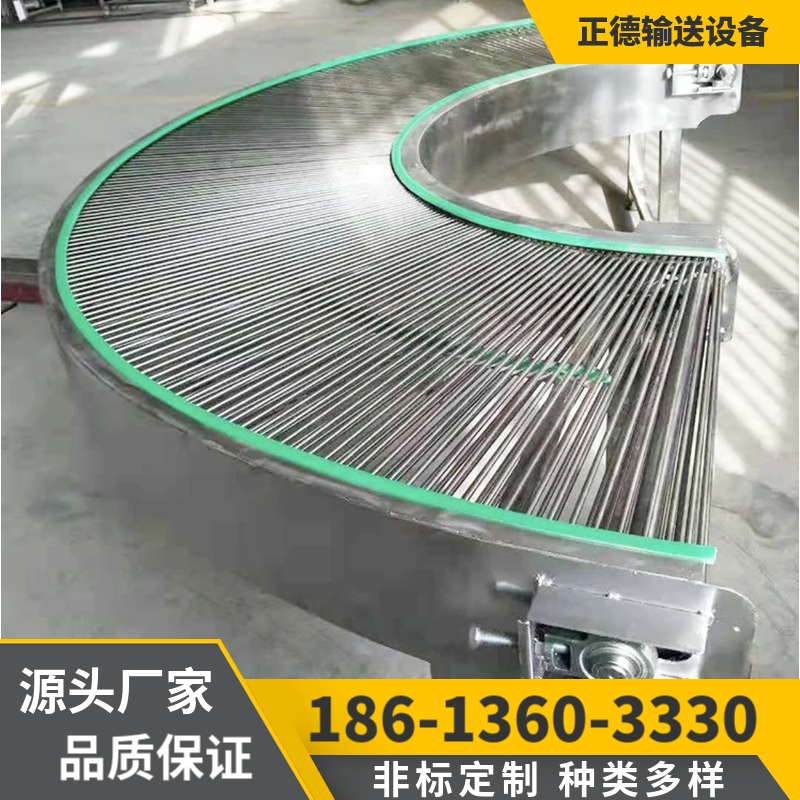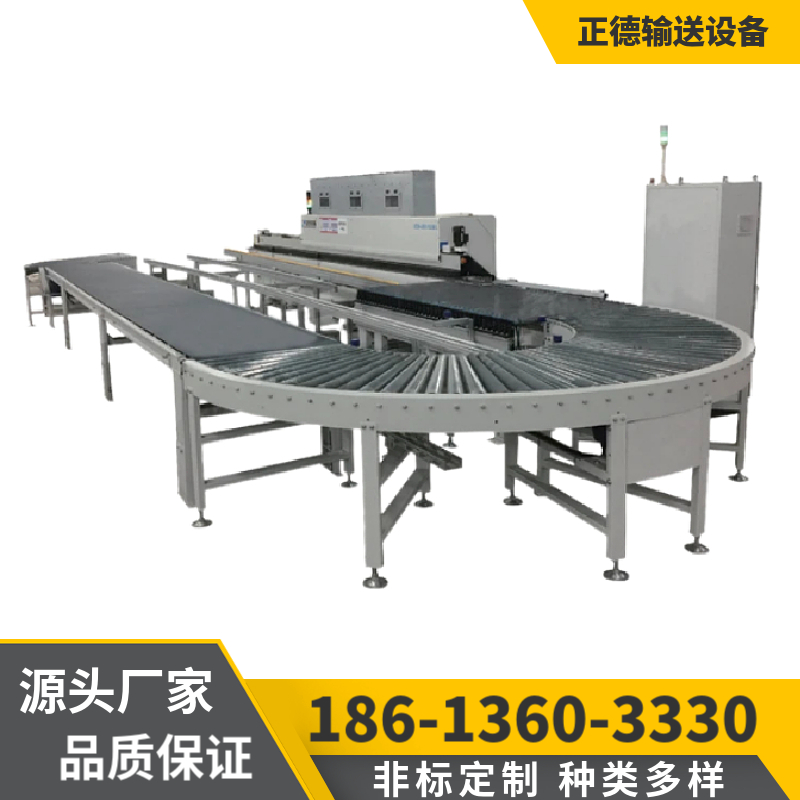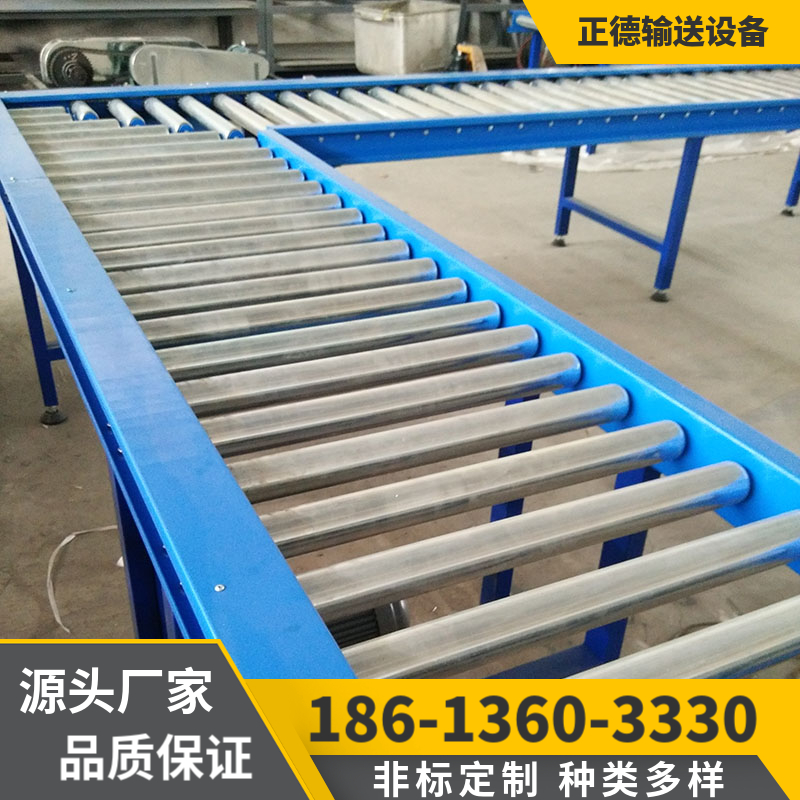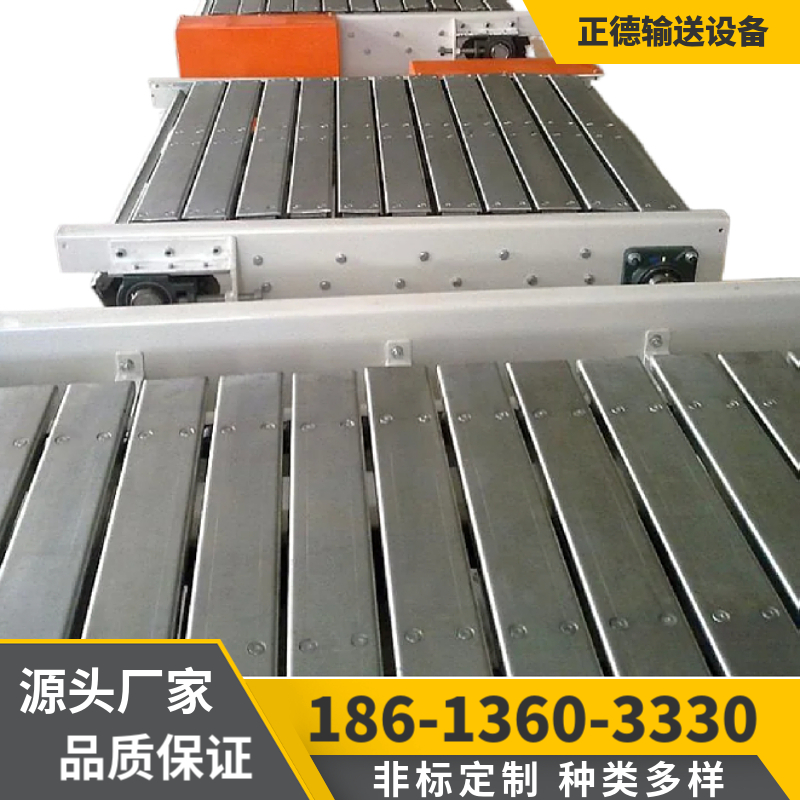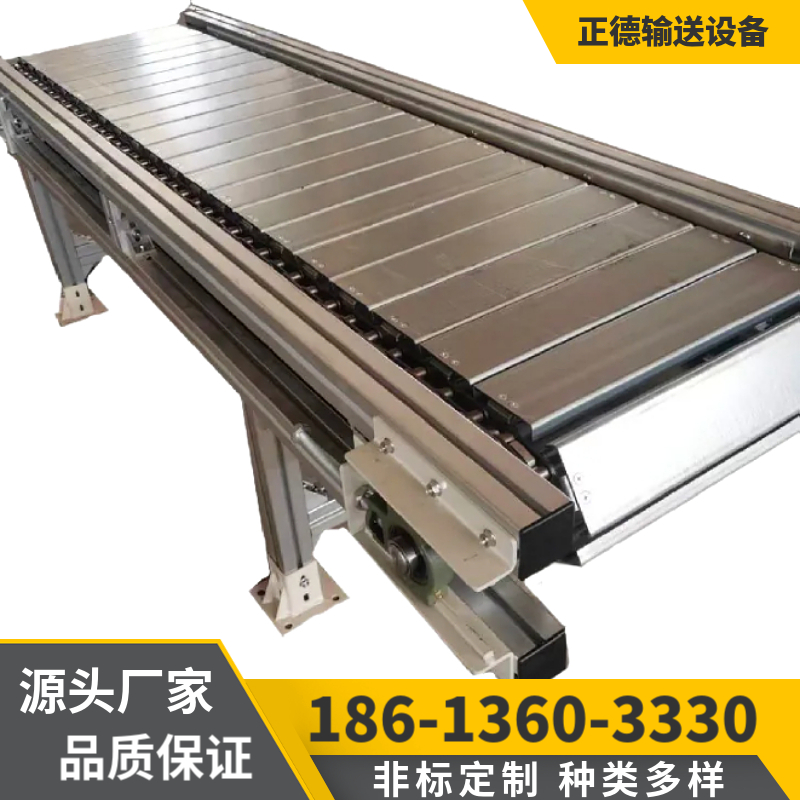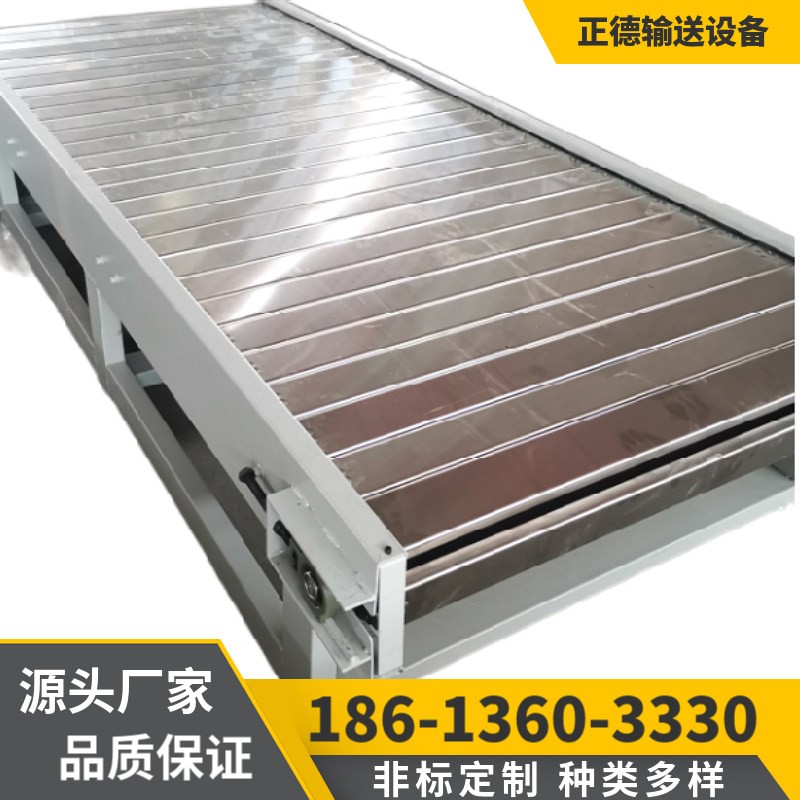

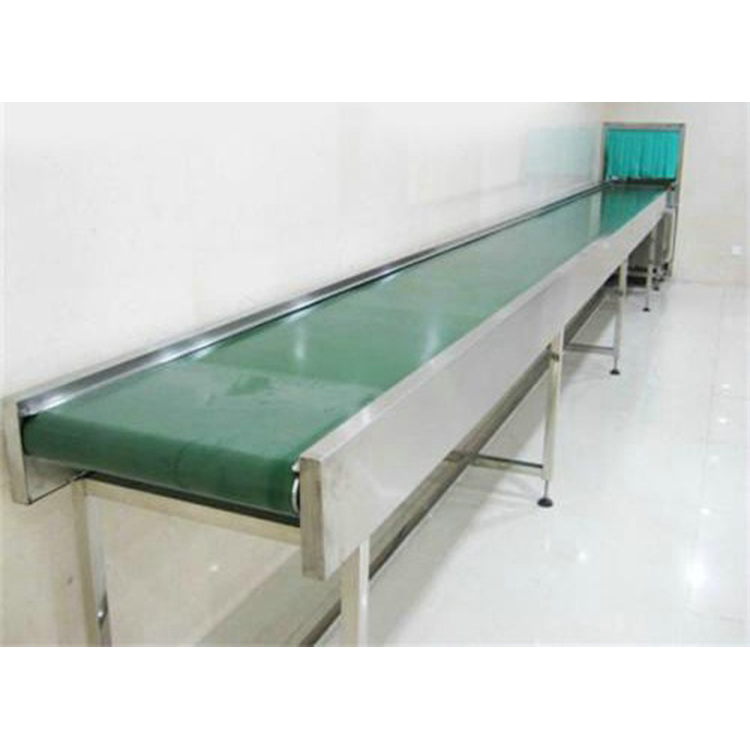

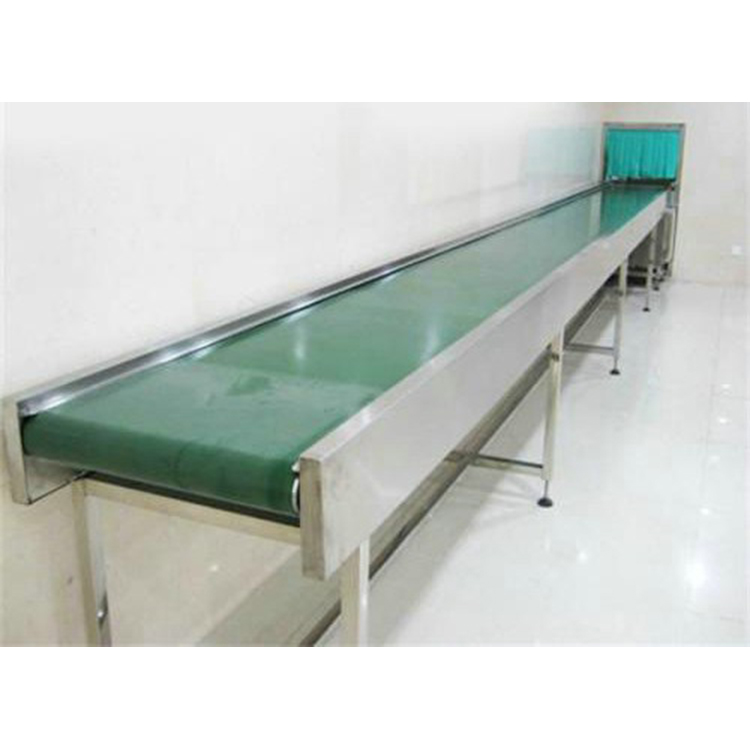
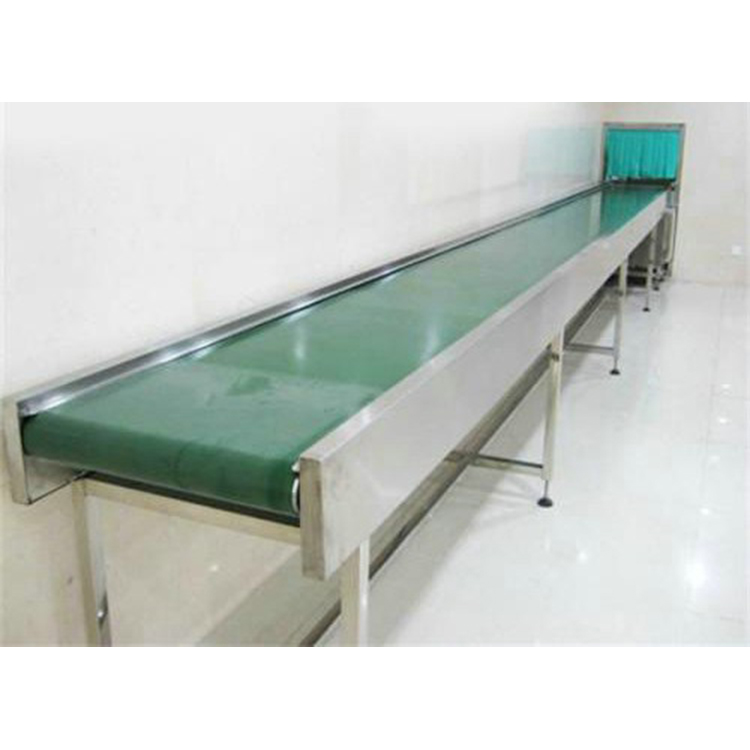
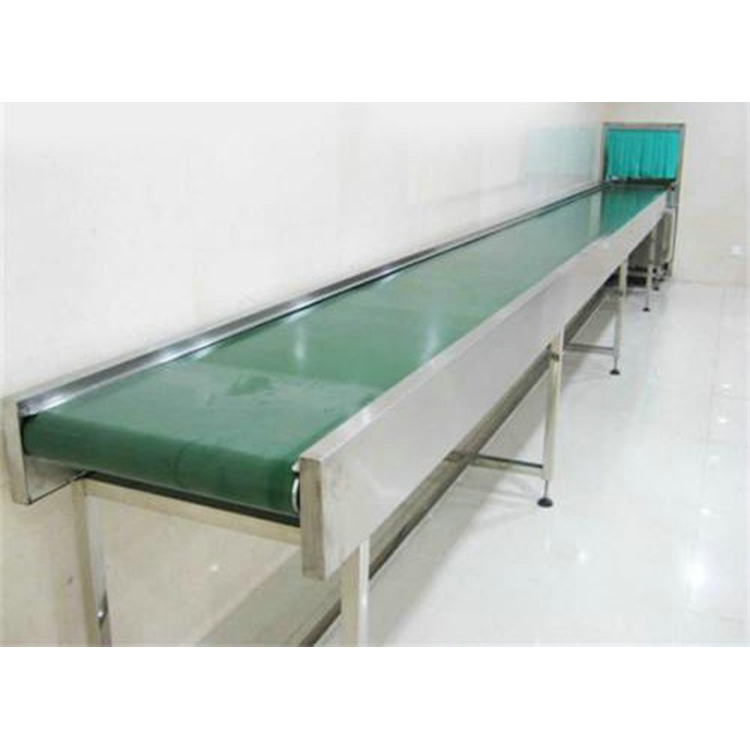


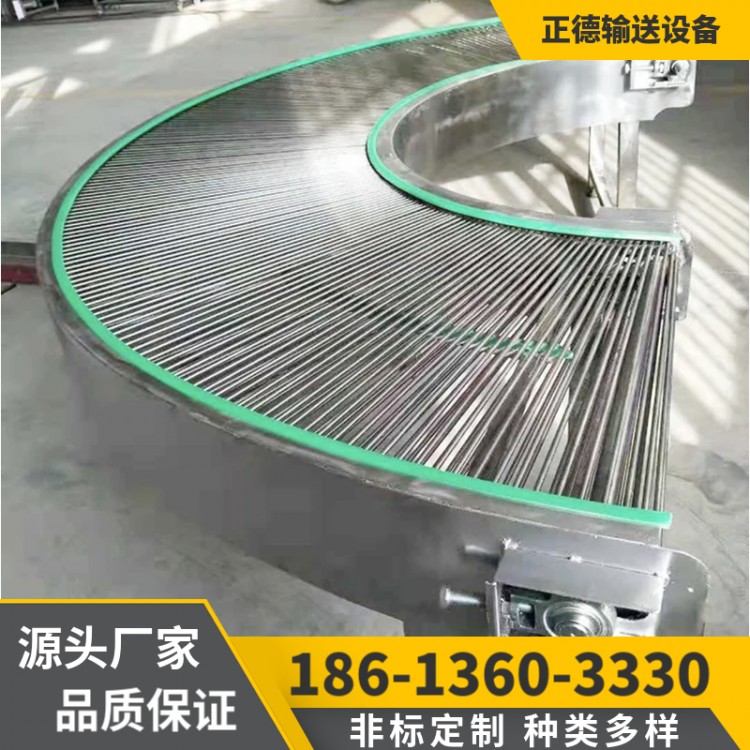
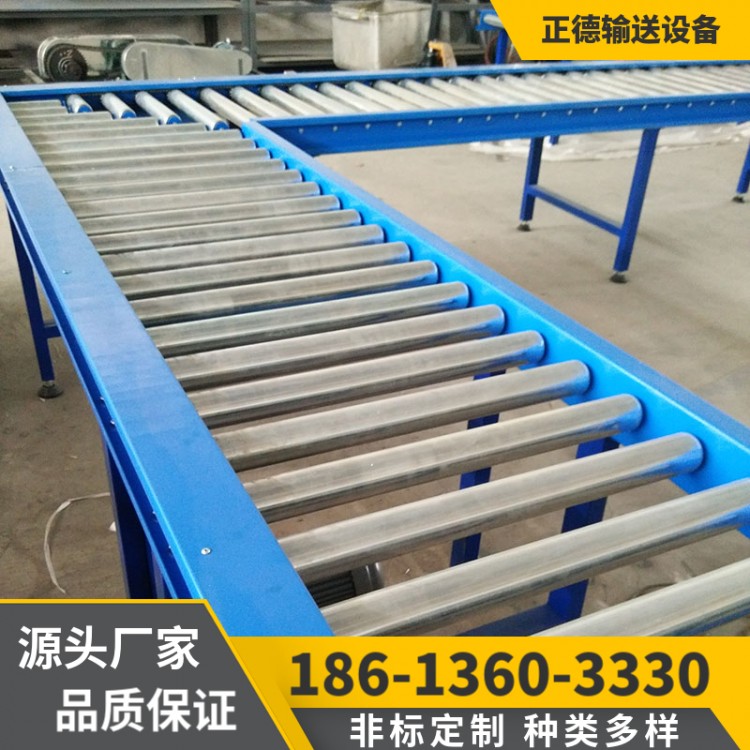
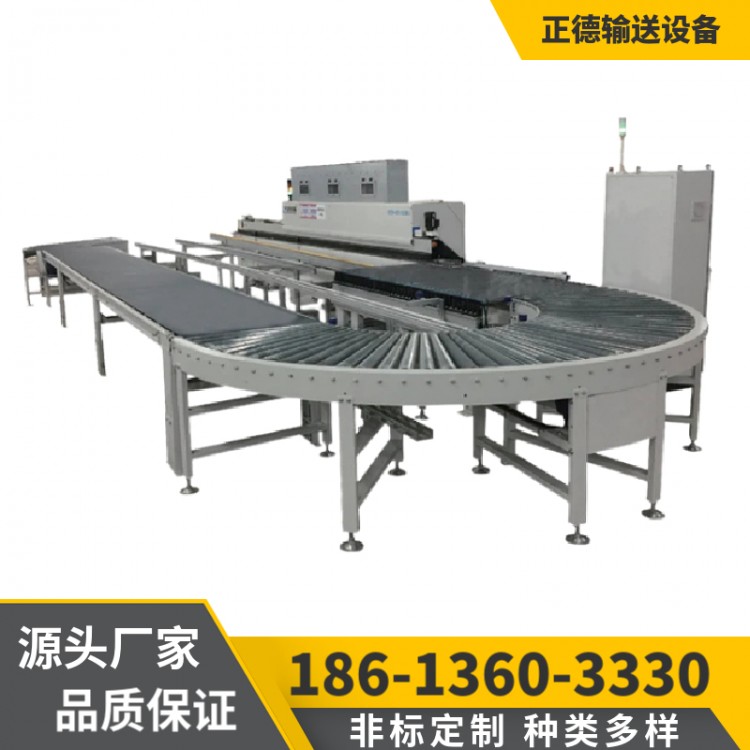
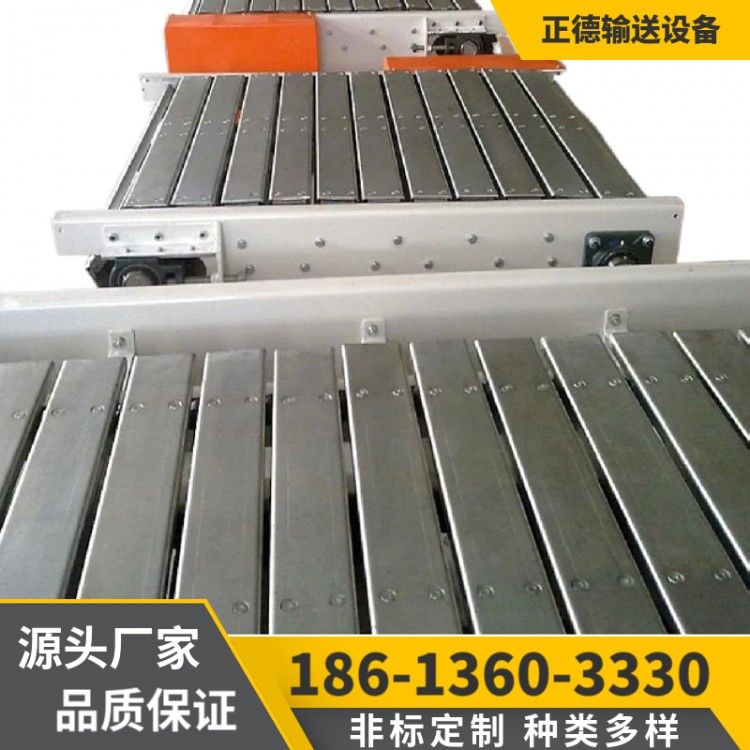
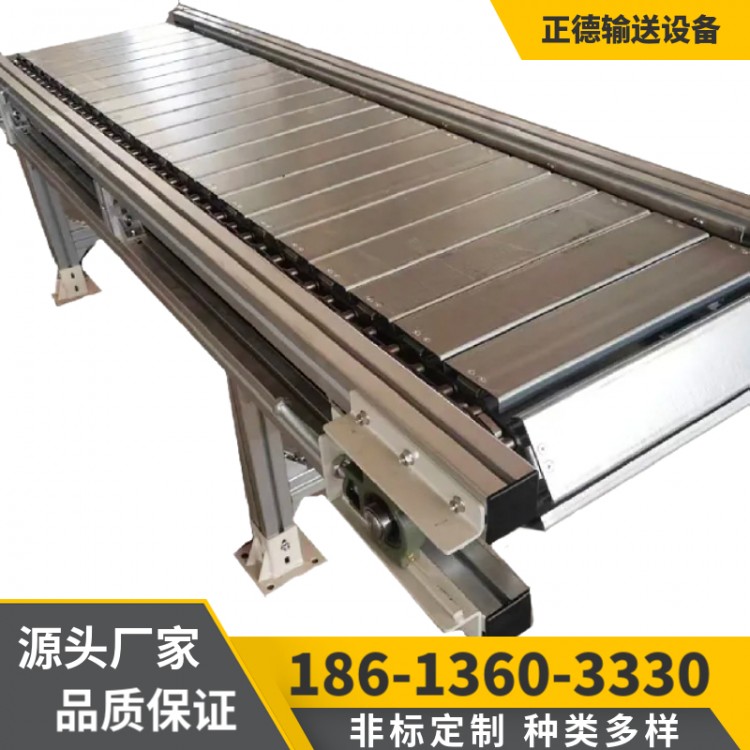





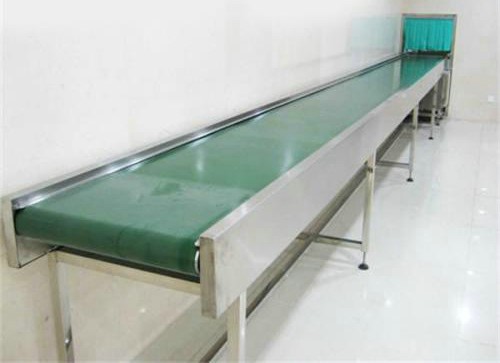
The conveyor belt has a long history; ancient Chinese high-speed drum carts and water-pumping buckets were the prototypes of modern bucket elevators and scraper conveyors. Belt conveyors are currently the primary method for transporting bulk materials.
Measurement Method
Rubber conveyor belts are measured in square meters. When customizing, both the length and square meter amount should be specified.
(1) Adhesive Tape Specifications Length Representation Method
Width (mm) x Number of Layers x [Top Adhesive Thickness (mm) + Bottom Adhesive Thickness (mm)] x Tape Length (m) (2) The square meter conversion method for adhesive tape can be adopted
Square meters = Tape width (m) x [Number of layers + (Top adhesive thickness (mm) + Bottom adhesive thickness (mm)) / 1.5] x Length (m) Detailed specifications
Generally, the main parameters are determined based on the requirements of the material handling system, the various conditions at the material loading and unloading locations, the relevant production process, and the characteristics of the material.
① conveying capacity: The conveying capacity of a conveyor refers to the amount of material conveyed per unit of time. For conveying loose materials, it is calculated by the mass or volume of material conveyed per hour; for conveying packaged items, it is calculated by the number of items conveyed per hour.
② Conveying Speed: Increasing the conveying speed enhances the conveying capacity. As the conveying length increases with belt-driven conveyors, the conveying speed tends to rise. However, high-speed belt conveyors require attention to issues such as vibration, noise, and starting and braking. For conveyors driven by chains, the conveying speed should not be too high to prevent increasing the dynamic load. For conveyors that also perform process operations, the conveying speed should be determined according to the process requirements.
③ Component Dimensions: The dimensions of the conveyor's components include belt width, plank width, hopper volume, pipe diameter, and container size, etc. These dimensions all directly affect the conveying capacity of the conveyor.
④ Conveyor Length and Inclination: The length of the conveying line and the angle of inclination directly affect the total resistance and the required power of the conveyor.