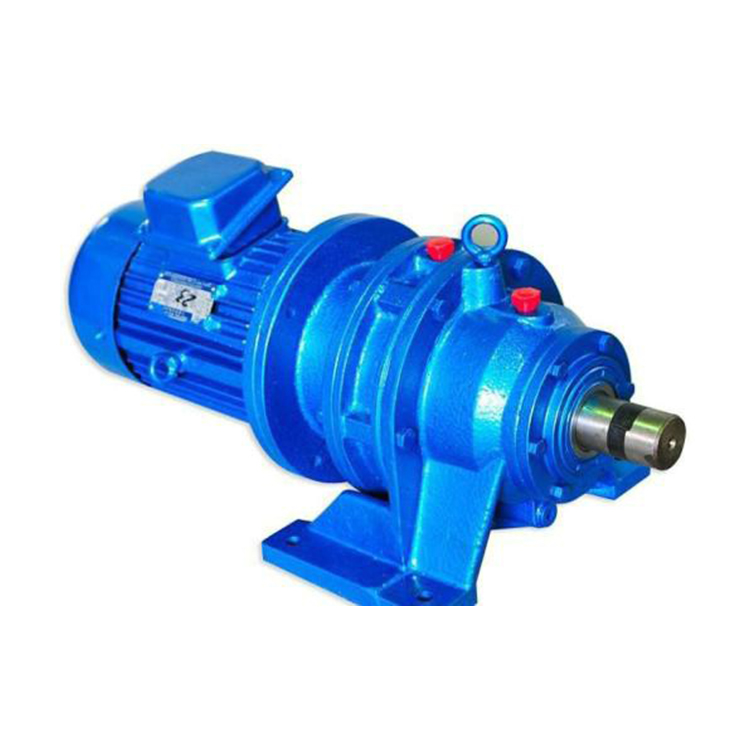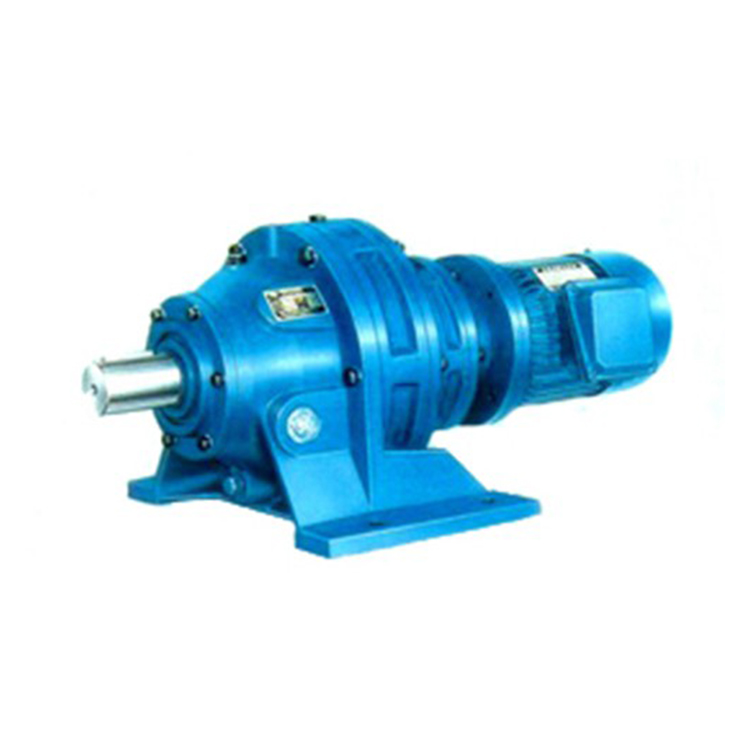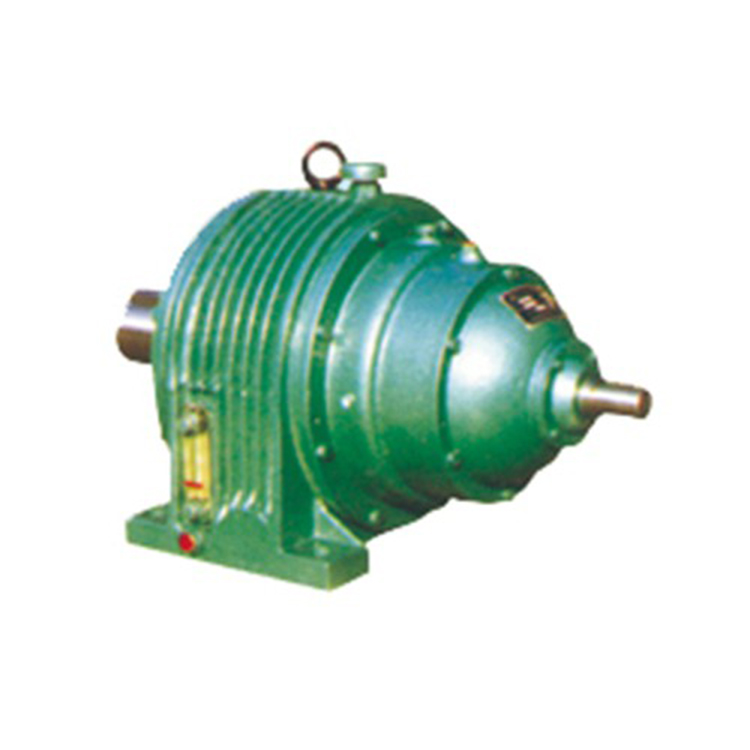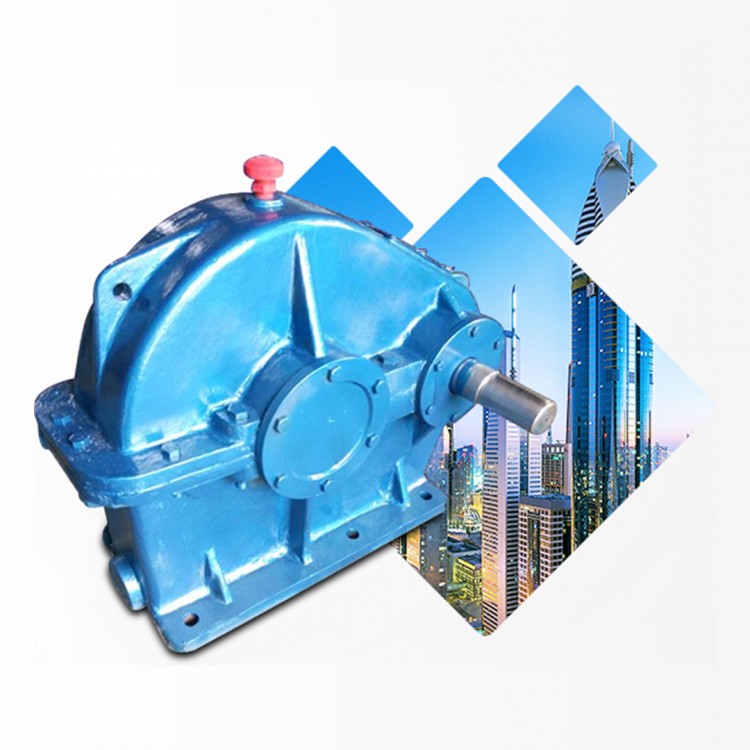

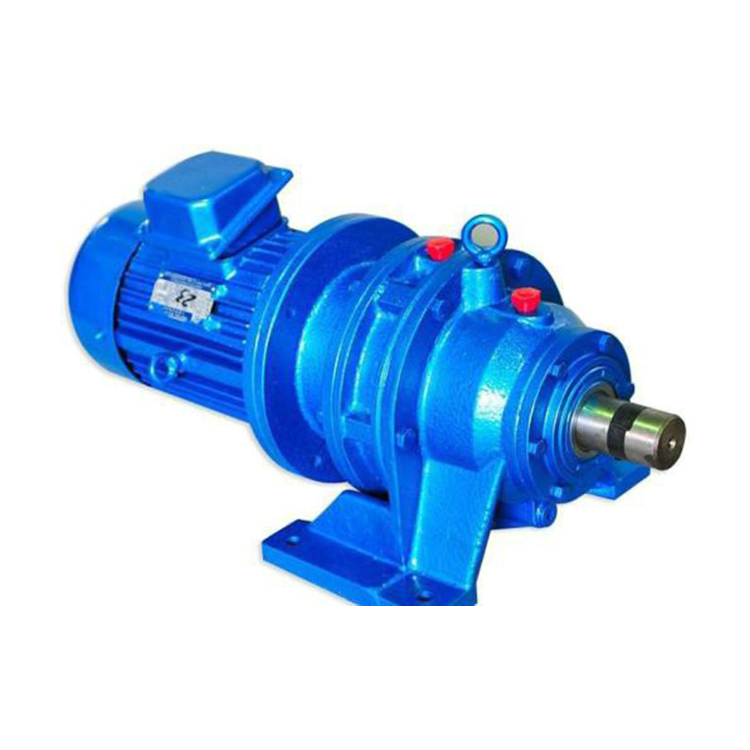

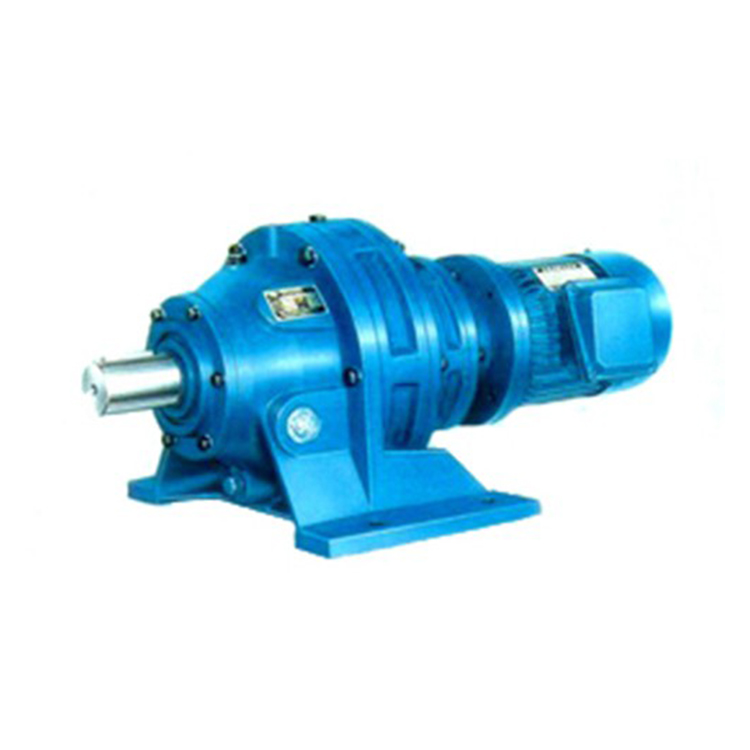
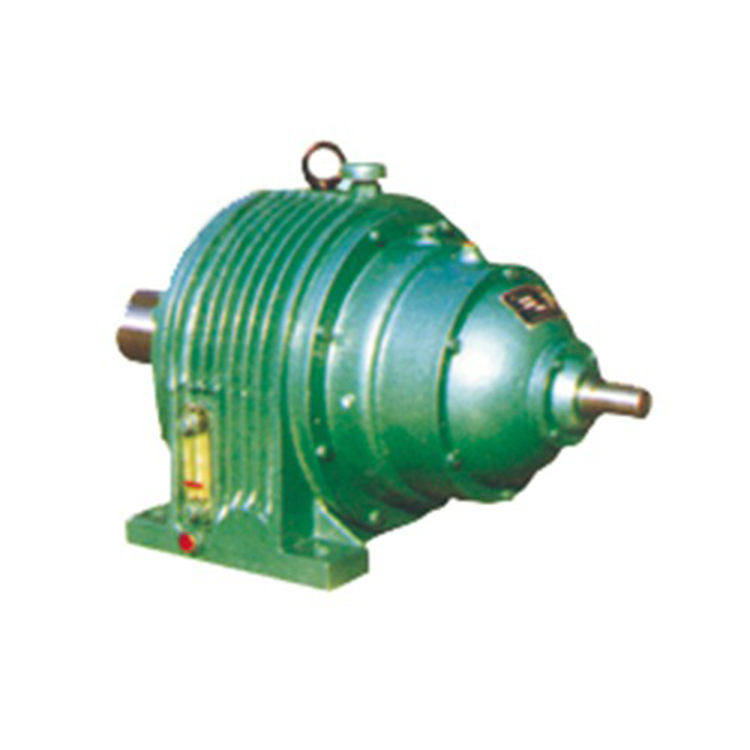












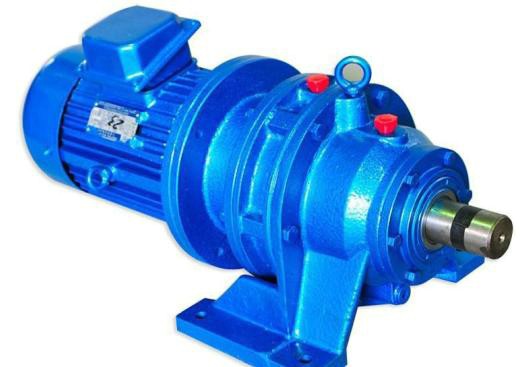
Reduction gears are commonly used in transmission equipment requiring low speed and high torque. They achieve the purpose of reducing speed by meshing a gear with fewer teeth on the input shaft of the reducer with a larger gear on the output shaft. Standard reduction gears often have several pairs of gears with the same principle to achieve ideal speed reduction. The ratio of the number of teeth on the large and small gears is the transmission ratio.
Categories
The reducer plays a role in matching the speed and transmitting the torque between the prime mover and the working machine or actuator, making it a relatively precise mechanical device. Its purpose is to reduce speed and increase torque. There are many types and models, each serving different applications. Reducers come in various types: gear reducers, worm gear reducers, and planetary gear reducers according to the transmission type; single-stage and multi-stage reducers based on the number of transmission stages; and cylindrical gear reducers, bevel gear reducers, and bevel-cylindrical gear reducers according to the gear shape. Additionally, they can be categorized as split,分流, and coaxial reducers based on the layout of the transmission.
Function
1. Reduce speed while increasing output torque; the torque output ratio is calculated by multiplying the motor output by the reduction ratio, but be mindful not to exceed the reducer's rated torque. 2. Reducing speed also decreases the load inertia, with the reduction in inertia being the square of the reduction ratio.
Usage Instructions
1. After operating for 200 to 300 hours, oil should be changed. Regularly check the oil quality during subsequent use, and replace any contaminated or deteriorated oil promptly. Generally, for continuous long-term operation of reducers, change the oil after 5,000 hours of operation or once a year. For reducers that have been idle for a long time, new oil should also be changed before restarting. The reducer should be filled with oil of the same brand as before, and should not be mixed with oil of different brands; oils of the same brand but different viscosities can be mixed. 2. Wait until the reducer cools down and there is no risk of combustion before changing the oil, but it should still be warm, as the oil becomes thicker and harder to drain after complete cooling. Note: Disconnect the power supply to the drive unit to prevent accidental energization. 3. If the oil temperature rises above 80℃ or the oil pan temperature exceeds 100℃ and abnormal noises occur during operation, stop using the reducer, investigate the cause, and eliminate the fault before continuing operation after changing the lubricating oil. 4. Users should have reasonable operational and maintenance regulations, and carefully record the operating conditions of the reducer and any issues found during inspections. These regulations should be strictly enforced.