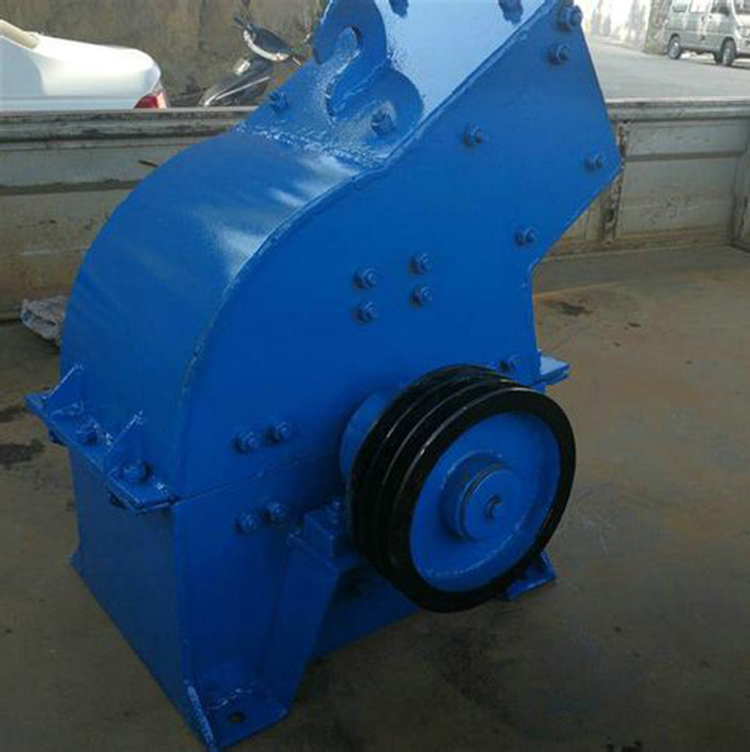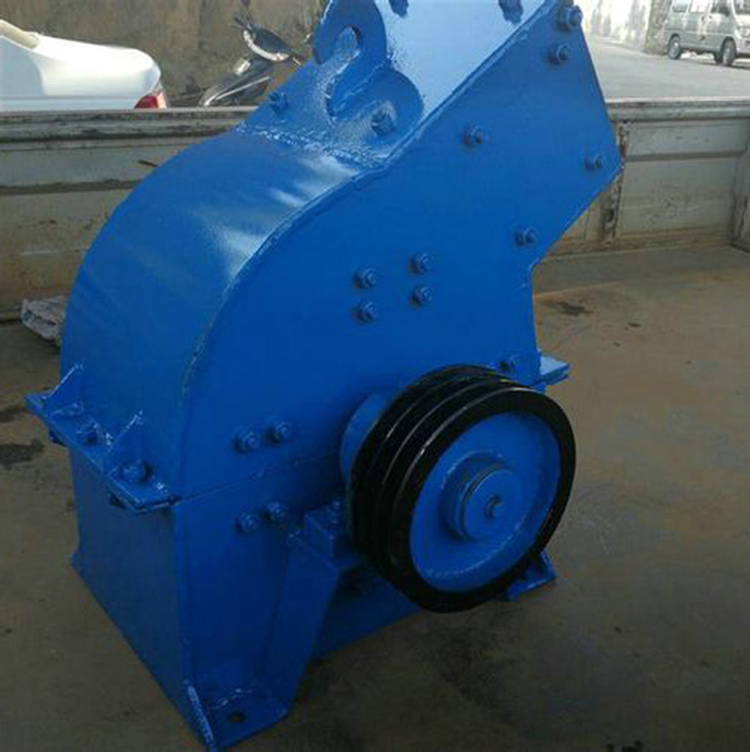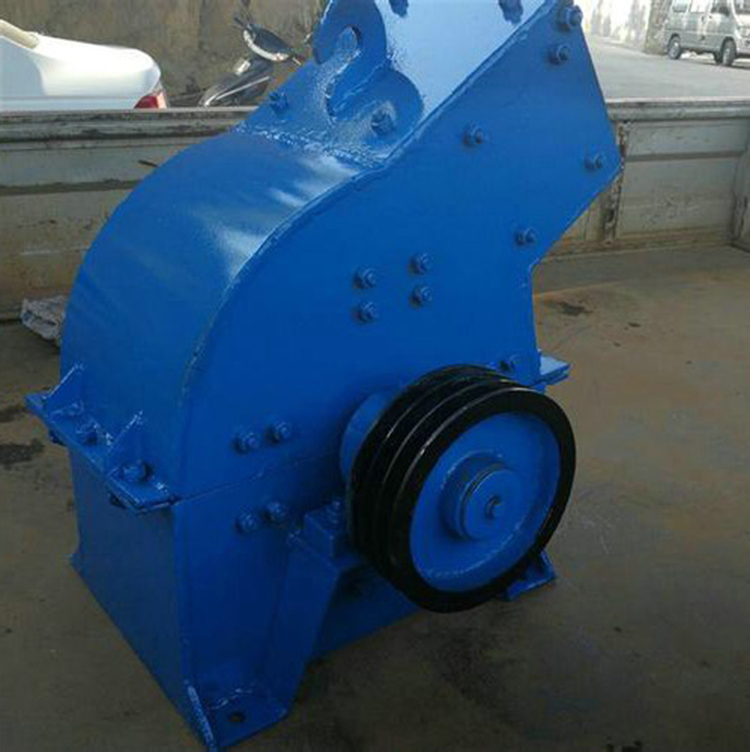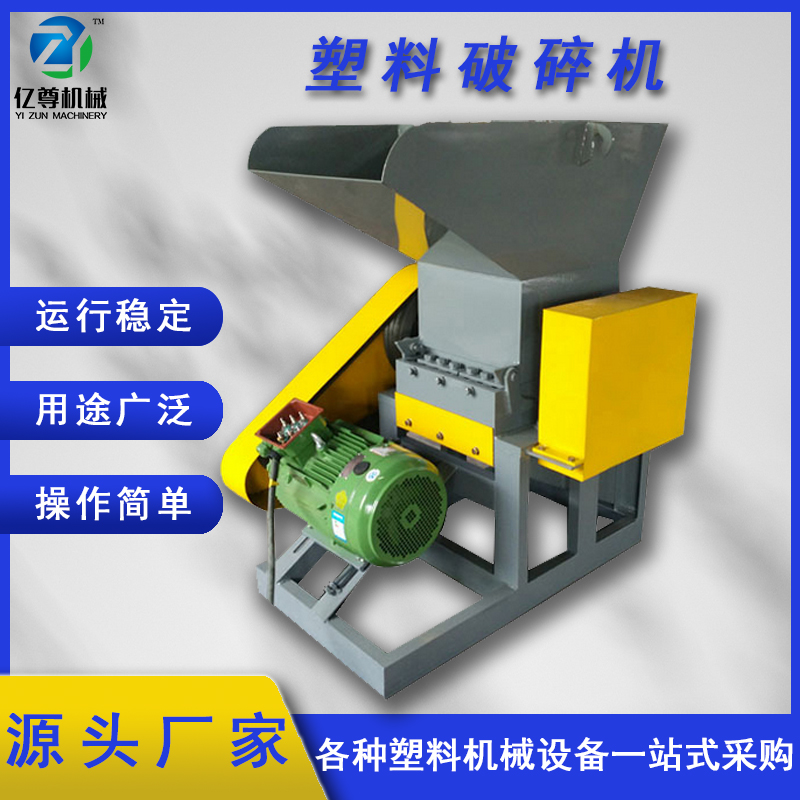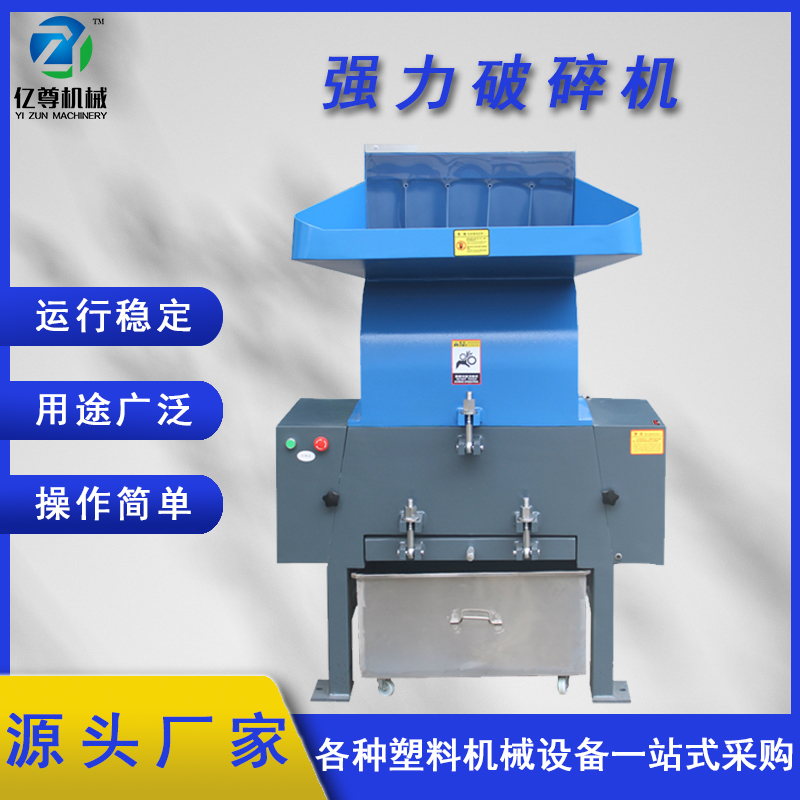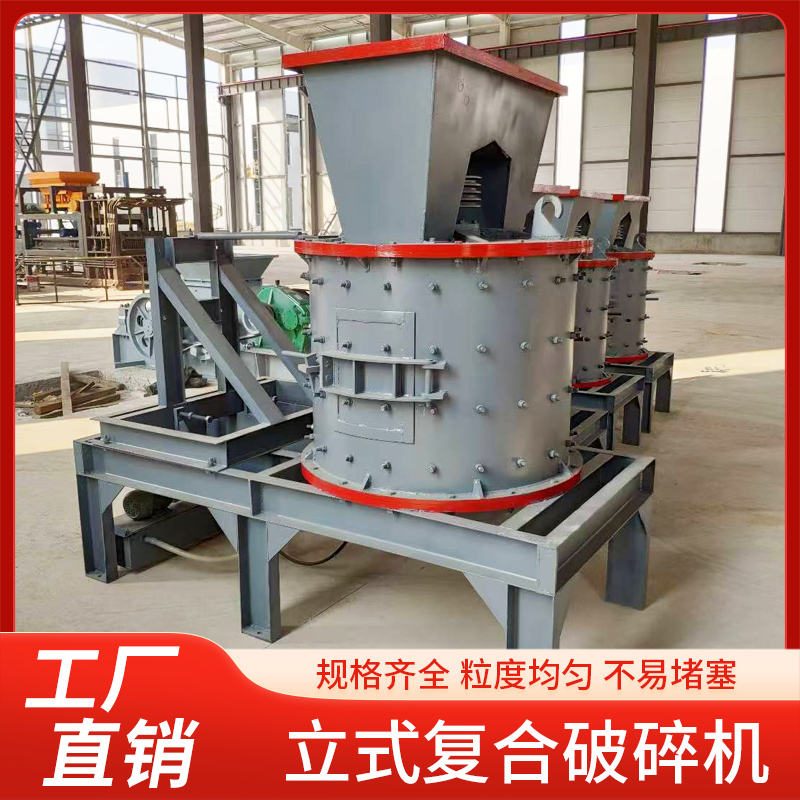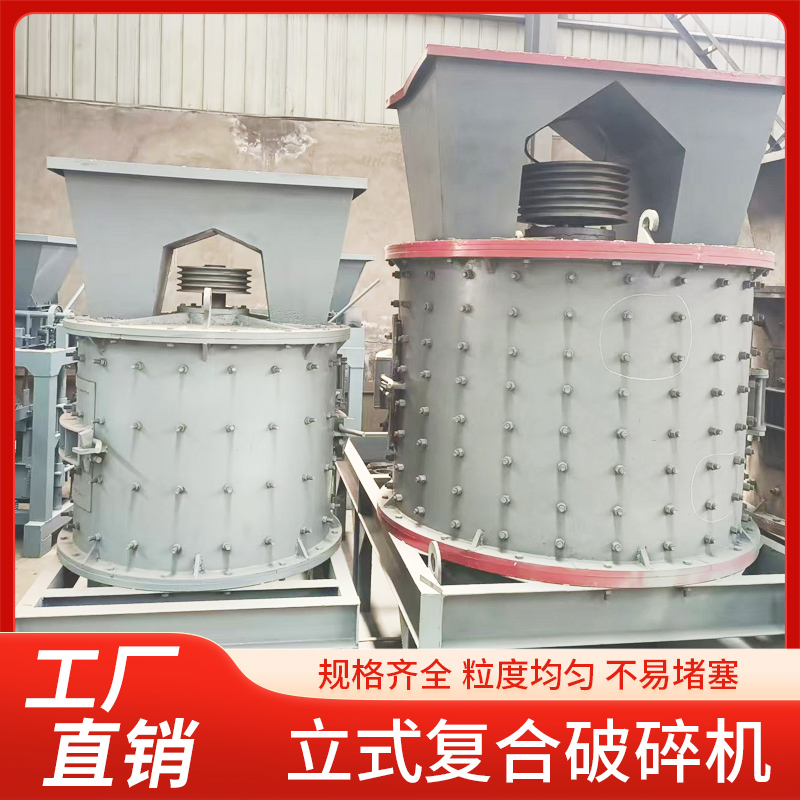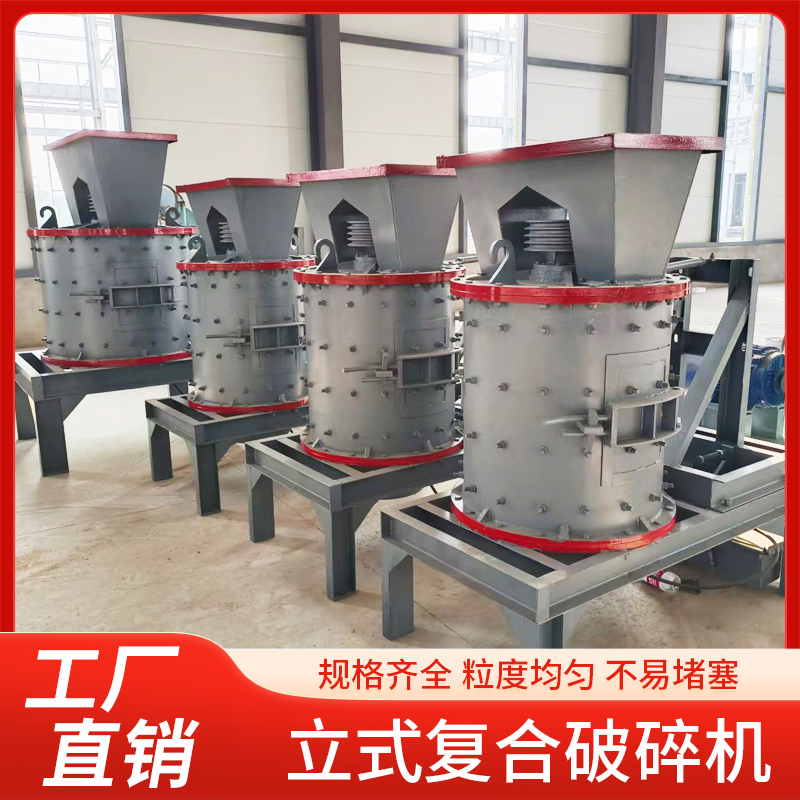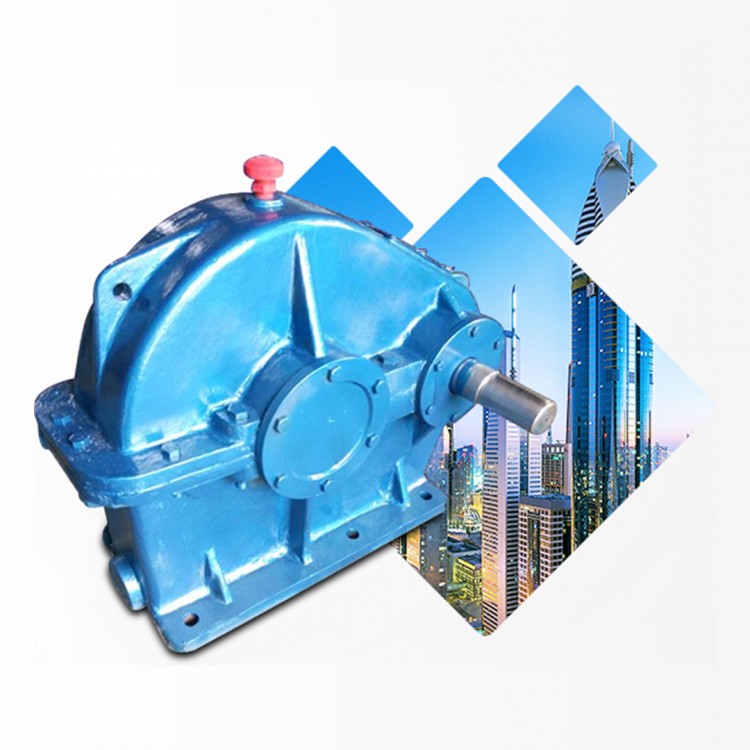

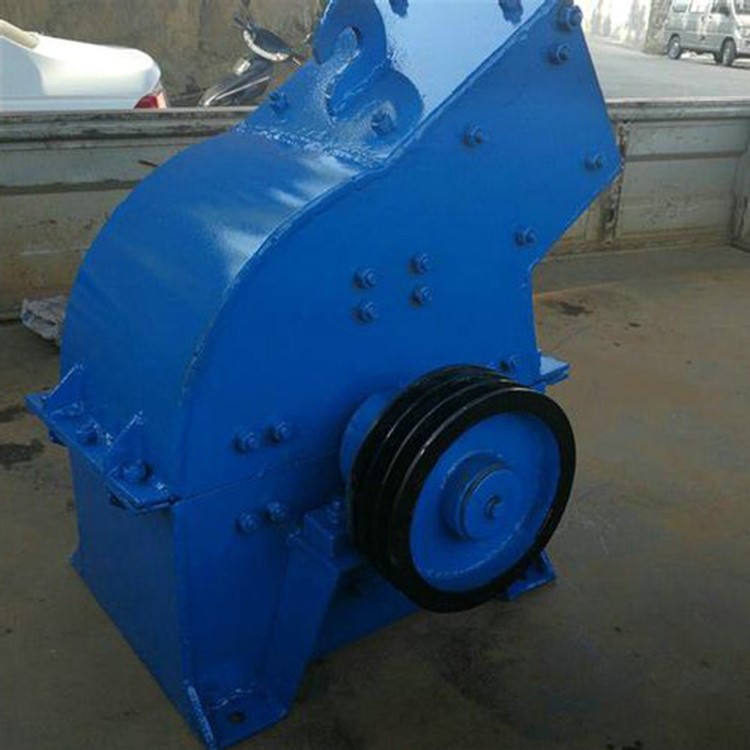

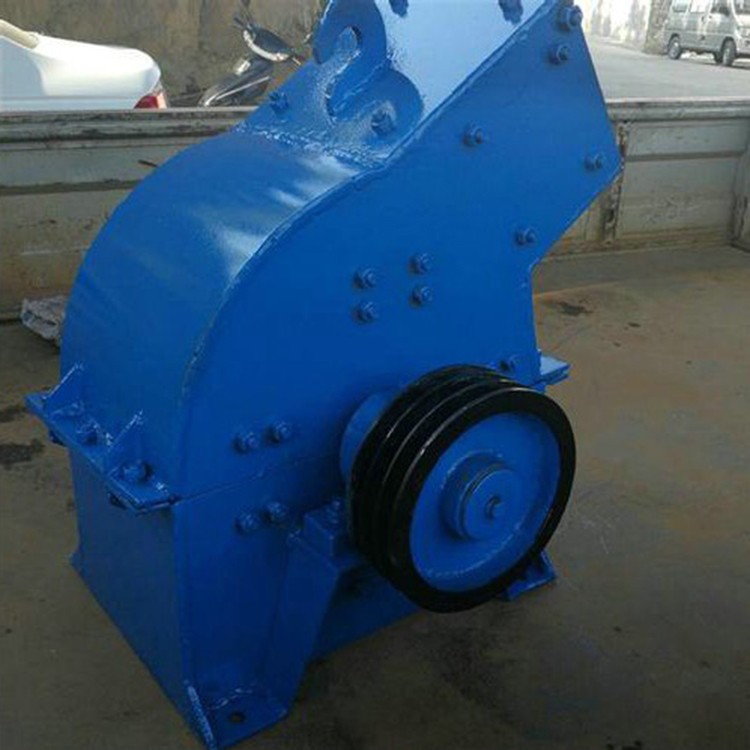
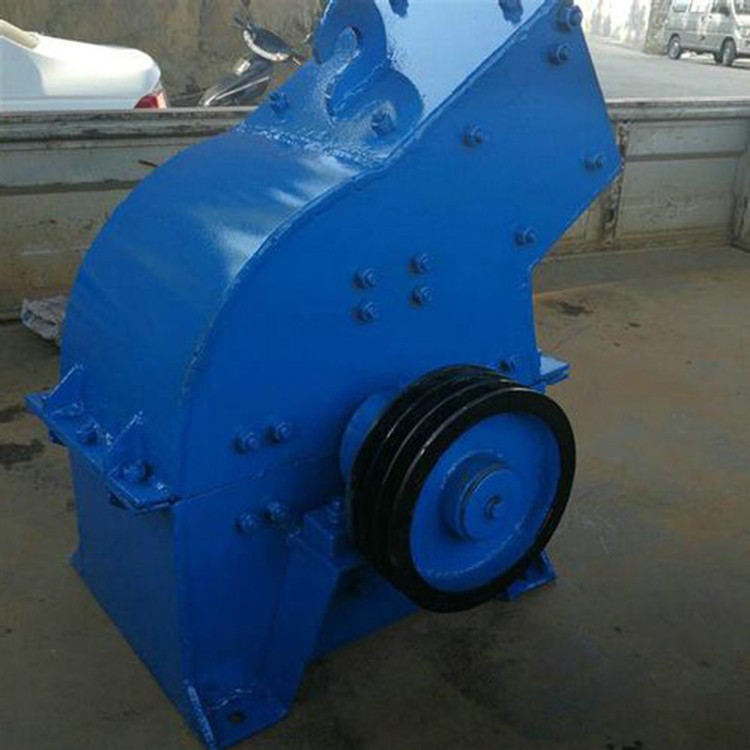


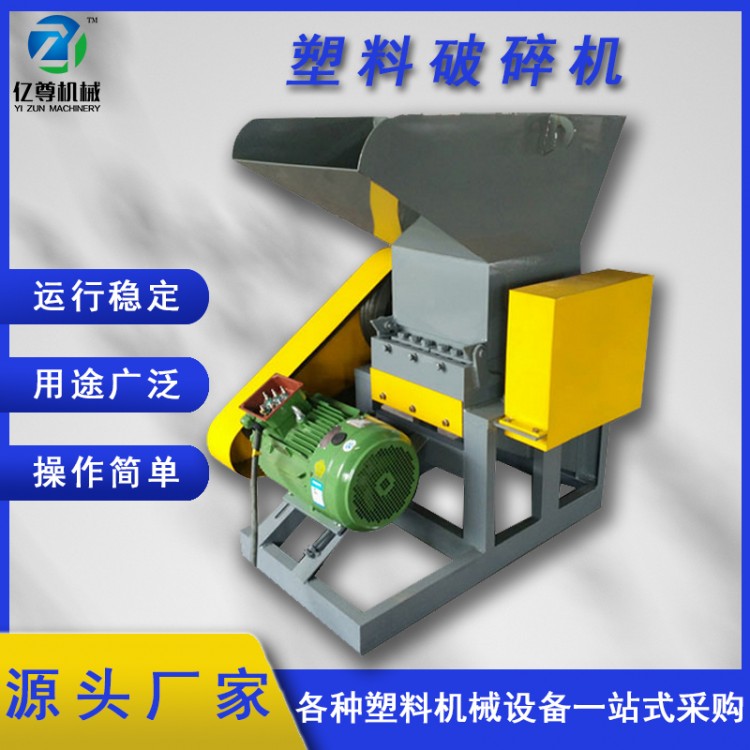





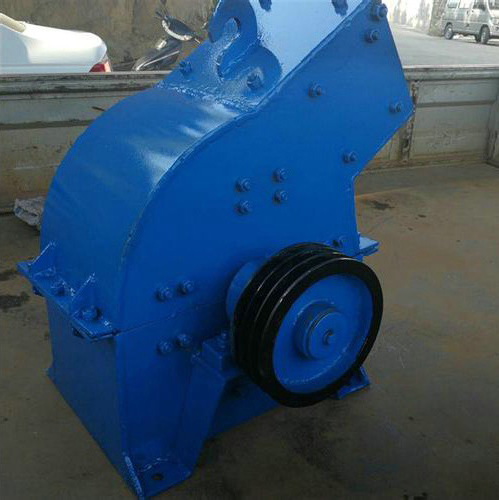
The crusher typically handles larger pieces of material, with product particle sizes generally coarser, exceeding 8 millimeters. Its structural feature is that the crushing elements have a certain gap between them, not touching each other. Crushers can be further categorized into coarse, medium, and fine crushers. Generally, the grinding mill processes finer materials, producing a finer particle size, up to 0.074 millimeters, even finer. Its structural feature is that the crushing elements (or media) come into contact with each other, using media such as steel balls, steel bars, gravel, or ore pieces. However, some machinery combines both crushing and grinding functions, like the self-grinding mill. A 5.5×1.8 meter self-grinding mill can process ore particle sizes up to 350-400 millimeters, with the product fineness reaching around 40% of -200 mesh. What factors influence the crushing capacity of a crusher?
1: The hardness of the raw material. If it's high, it's difficult to break through upwards.
2: Moisture adjusting materials, i.e., materials with higher water content in the raw material, which are prone to adhere to the crusher and easily inserted during the material conveying process.
3: Output Size. Smaller output sizes correspond to lower capacity.
4: Material compound. If it's in the form of raw material powder, it may reduce capacity. As the powder can easily adhere. Screening of the powder content should be done before pulverization.
Material viscosity. That is, higher viscosity makes it easier to adhere.
6: The quality of wear parts (such as hammers, jaw plates). If there are any shortcomings in the fast-wearing areas, it will reduce the downstroke capacity.