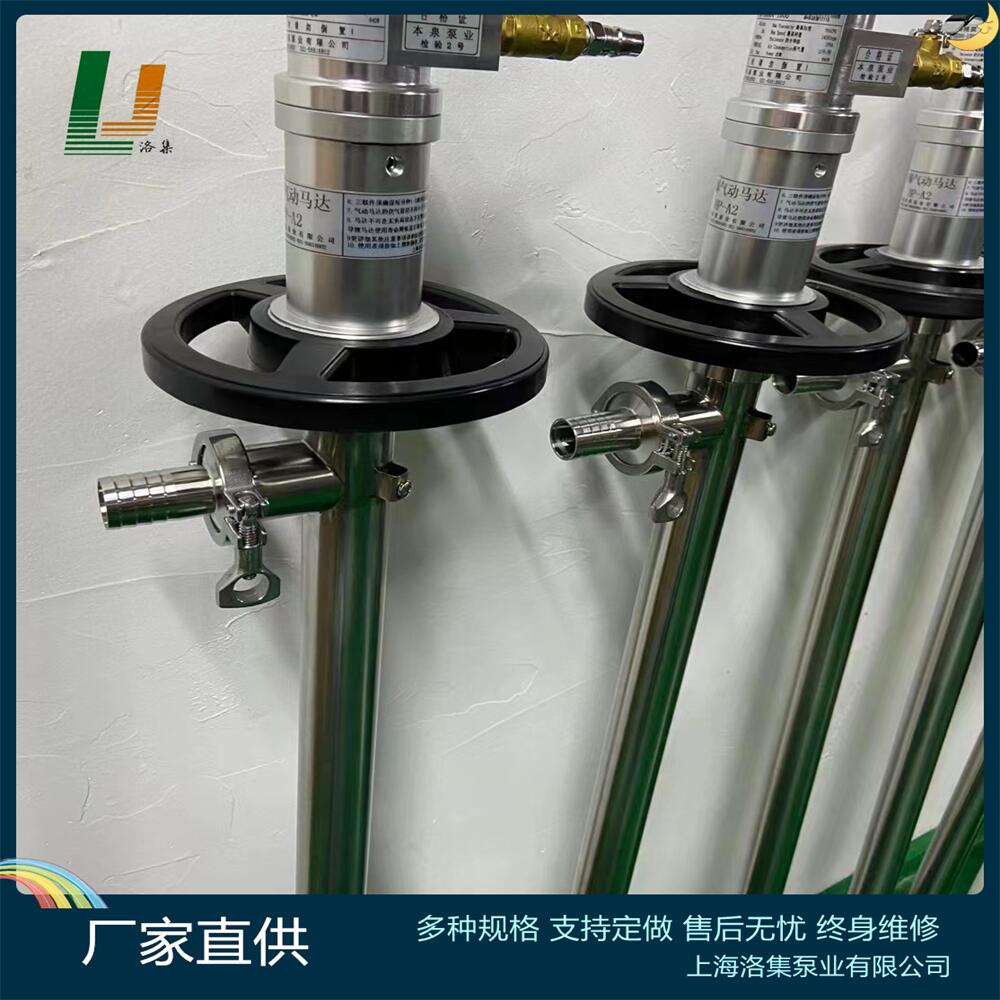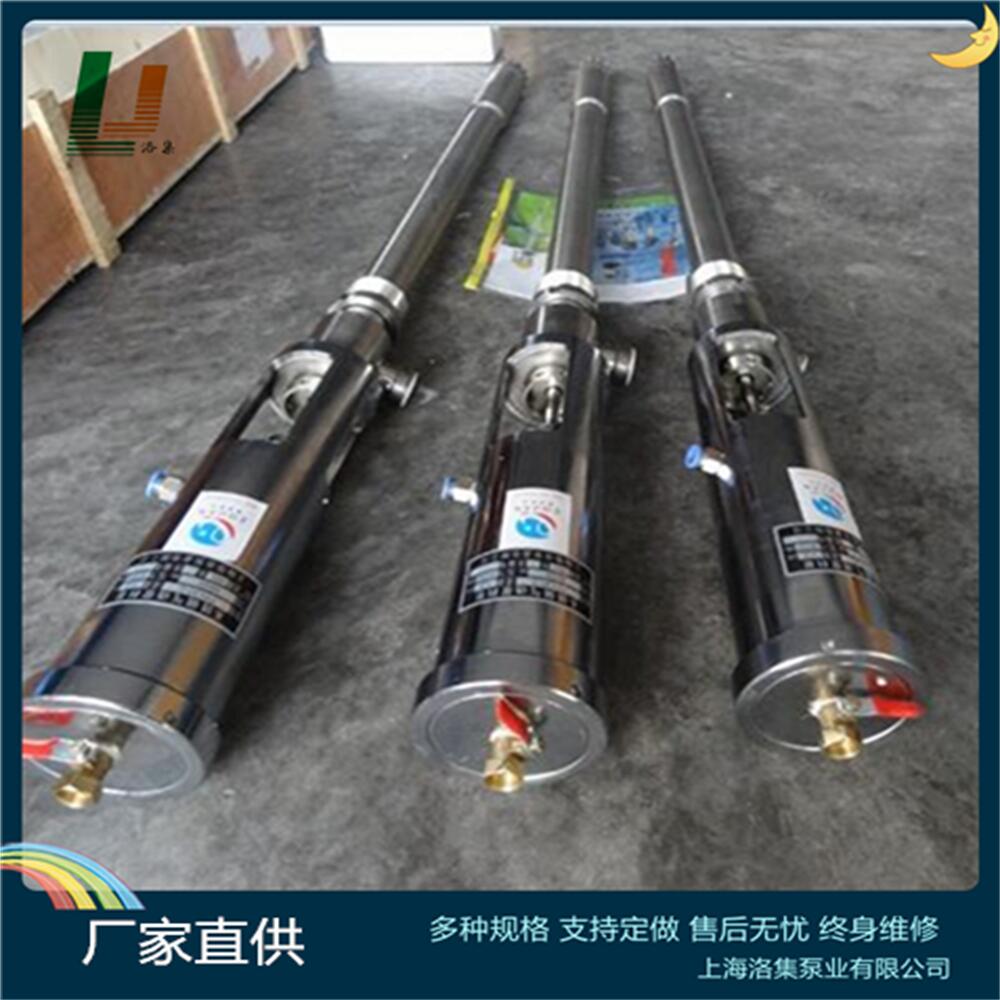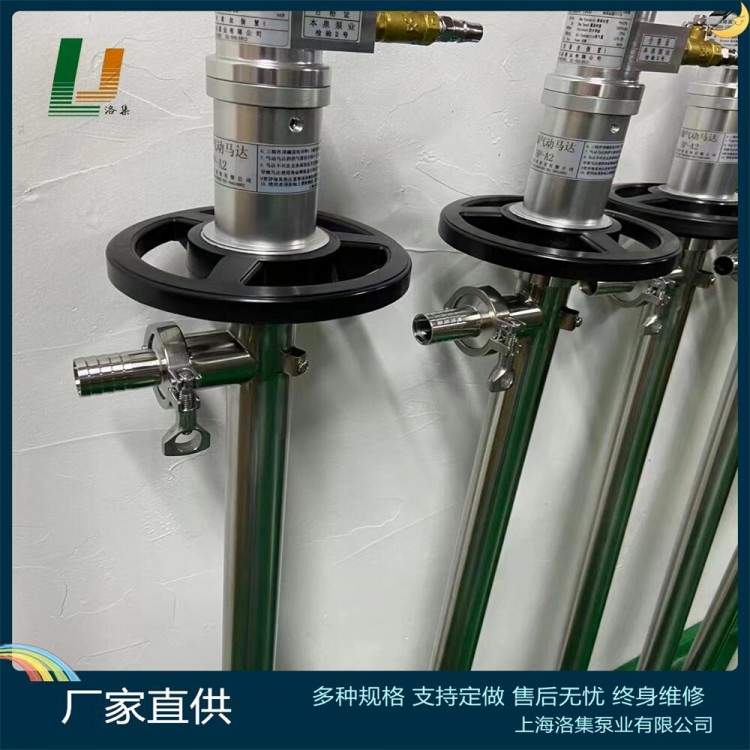

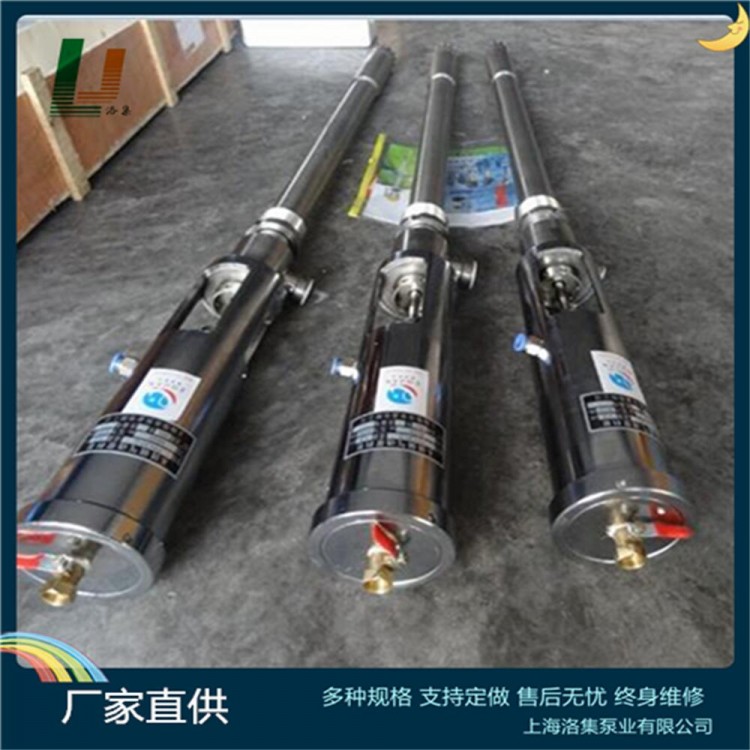












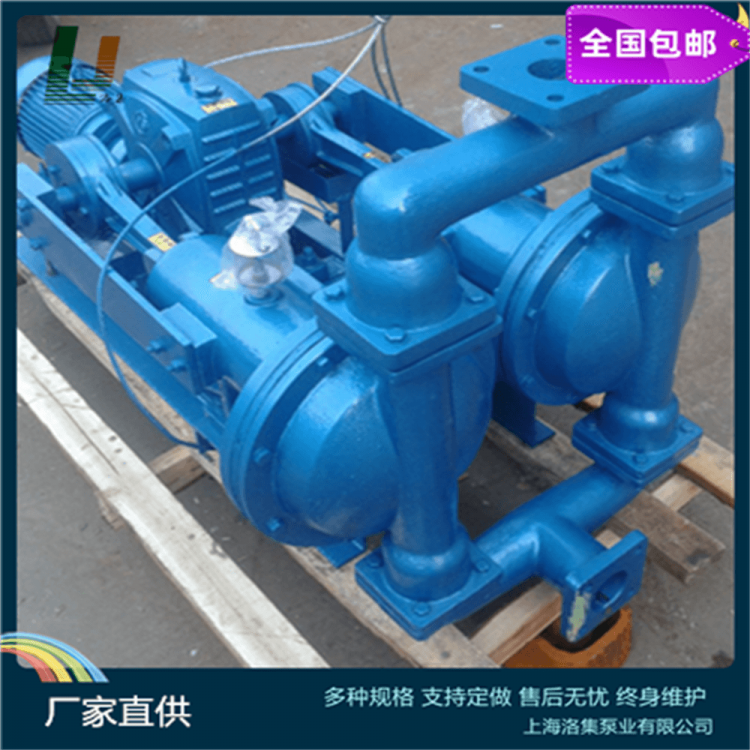
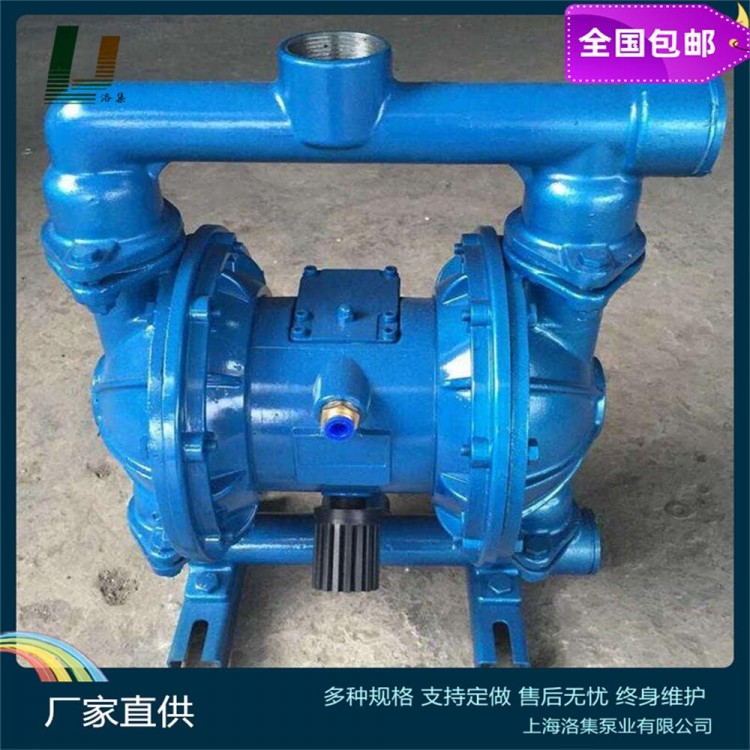
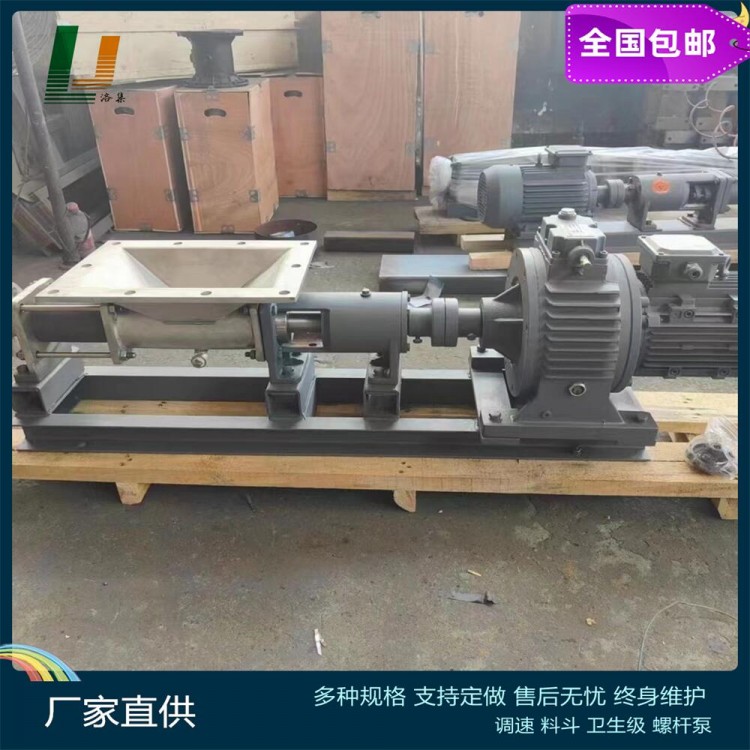
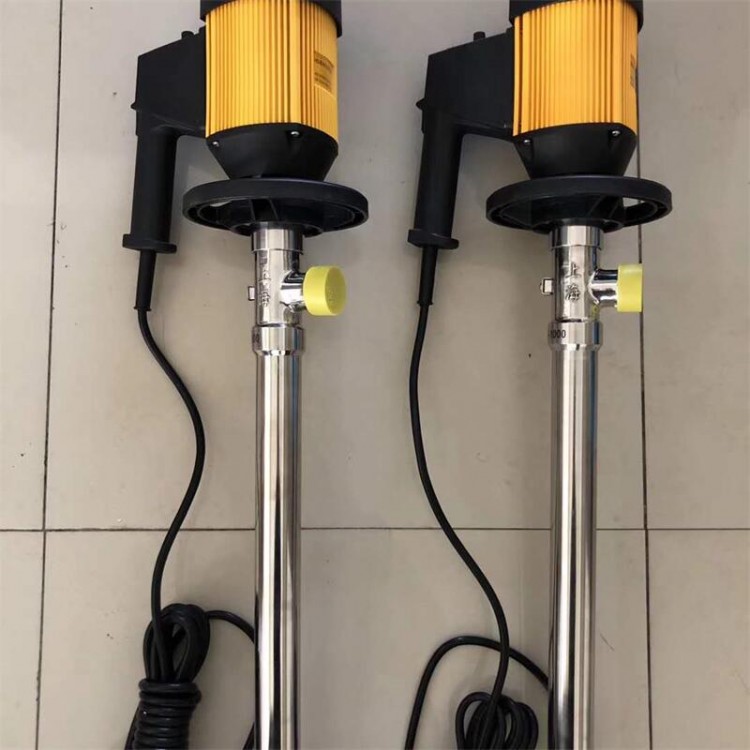
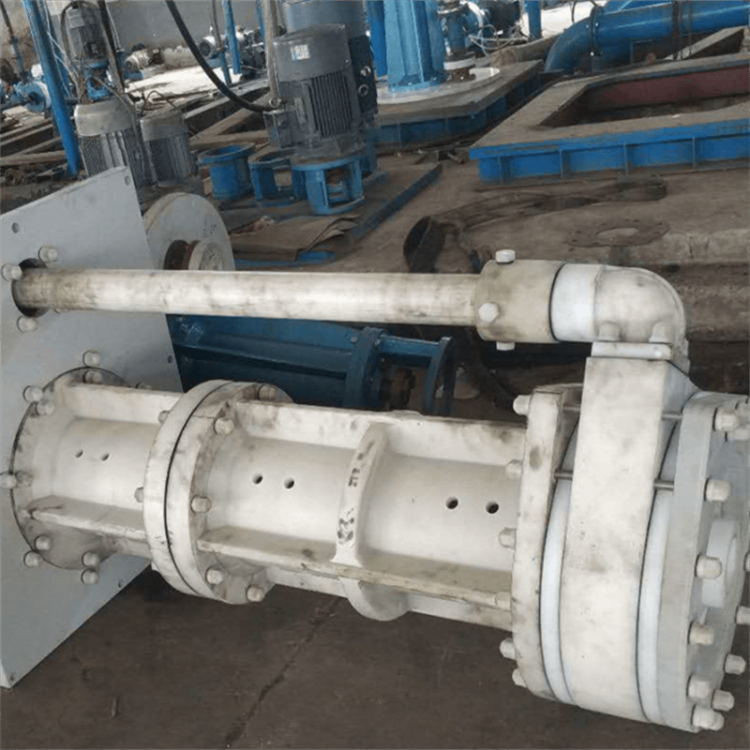
Mastic Pump (also known as leather spray machines, material pumps, pneumatic pumps, pneumatic paint pumps, pneumatic plunger pumps, pneumatic explosion-proof bucket pumps, and pneumatic reciprocating pumps), is used in industries such as leather, textiles, dyeing, plastics, wallpaper, coatings, color-coated steel plates, color steel roofing, food, chemicals, spray painting, film aluminum coating, glass fiber, plastic fiber, oil, mining, shipping, automobiles, communication, and electrical refrigeration. Suitable for transporting liquids of varying concentrations, it features high temperature resistance, corrosion resistance, anti-settling, low noise, and energy-saving capabilities.
Section 2: Application of FY Type Pneumatic Slurry Pump:
Applicable to industries such as leather, textiles, dyeing and printing, plastics, wallpaper, coatings, color-coated steel plates, color-coated tiles, food, chemicals, spray painting, aluminum foil coating, glass fiber, plastic fiber, oil, mining, shipping, automobiles, communication, electrical refrigeration, etc. Suitable for transporting high-viscosity (VIS) liquid slurries up to 120,000 CPS at 25°C, featuring corrosion resistance, anti-settling, low noise, and energy-saving capabilities. It is an ideal mobile conveying equipment.
Section 3: Operating Instructions for the FY Type Pneumatic Slurry Pump
1. First, properly insert the material conduit into the desired material drum.
2. Connect the corrosion-resistant hose material to the feeding location.
3. The intake valve is in the closed position. Next, connect the gas source pipe to the intake connector. Adjust the intake valve to control the air-driven slurry pump's operating frequency based on the required slurry flow rate, and it's ready to operate.
IV. Maintenance and Care for FY Type Pneumatic Slurry Pumps:
1. Prevent impact with the cylinder body during operation of the pneumatic slurry pump to avoid deformation and the occurrence of piston sticking, which may lead to scrapping.
2. After the piston has operated over one million times, the cylinder should be cleaned based on the moisture accumulation during the air supply process of the air compressor, and coated with 30# lubricating oil.
3. If not used for a long time, clean the solvent in the working state before storage to prevent the slurry from freezing and to avoid blocking the feeding conduit.