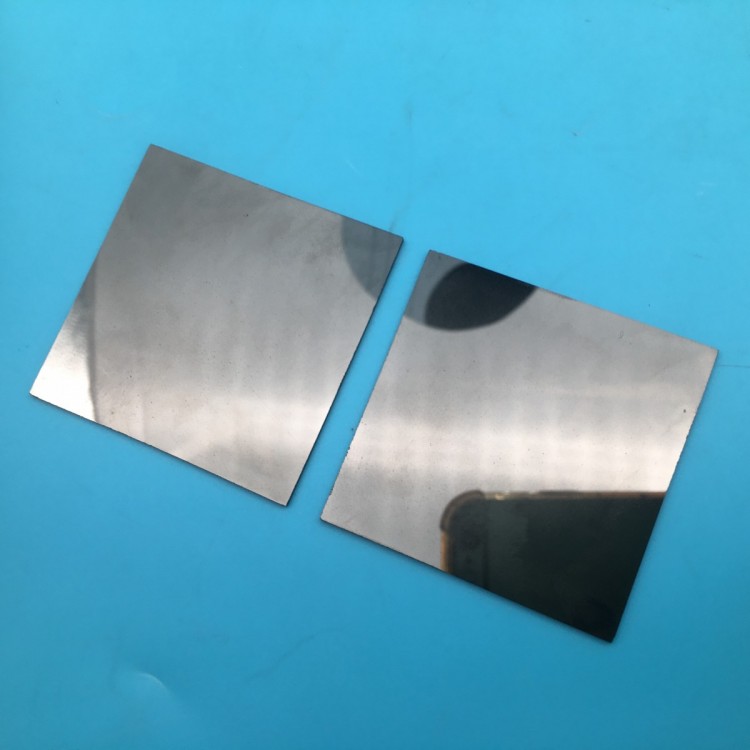

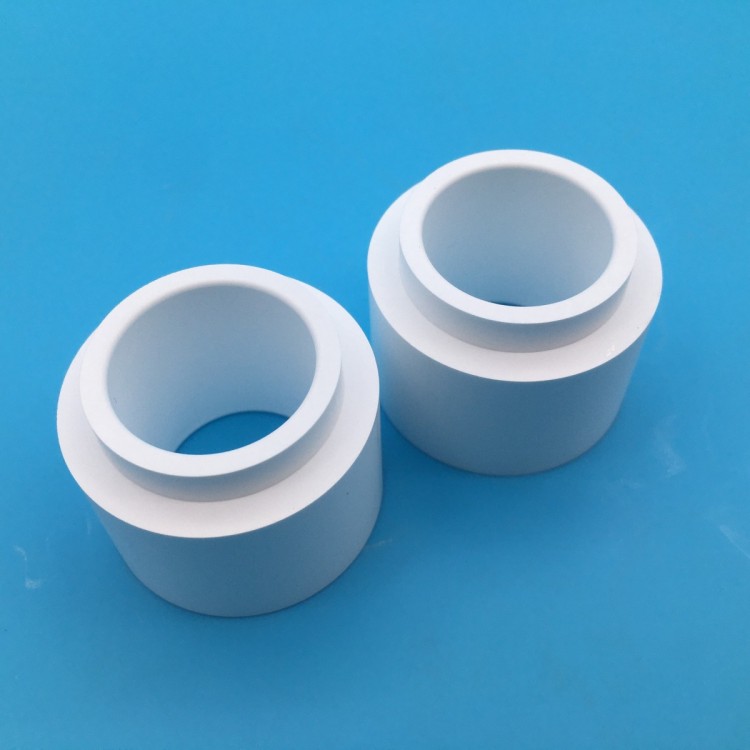
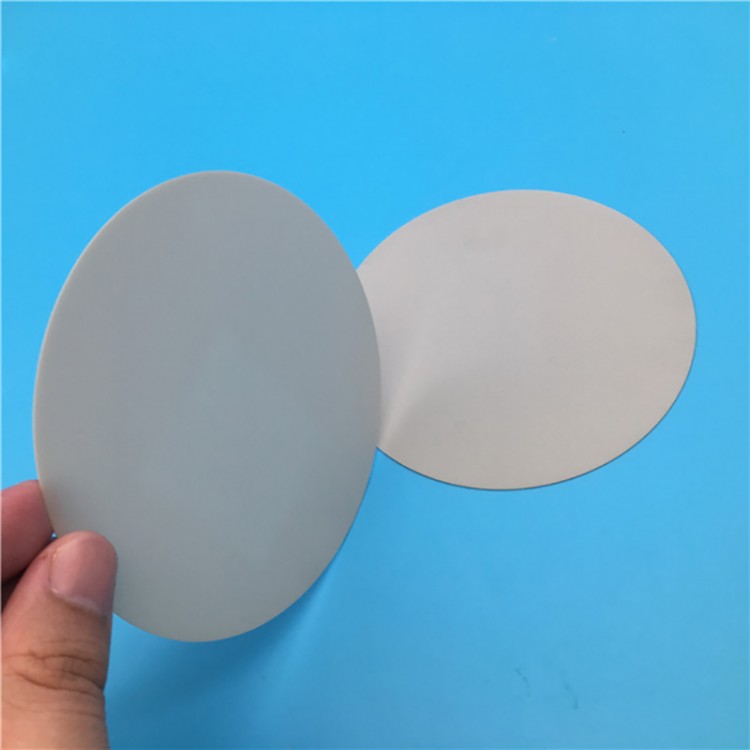
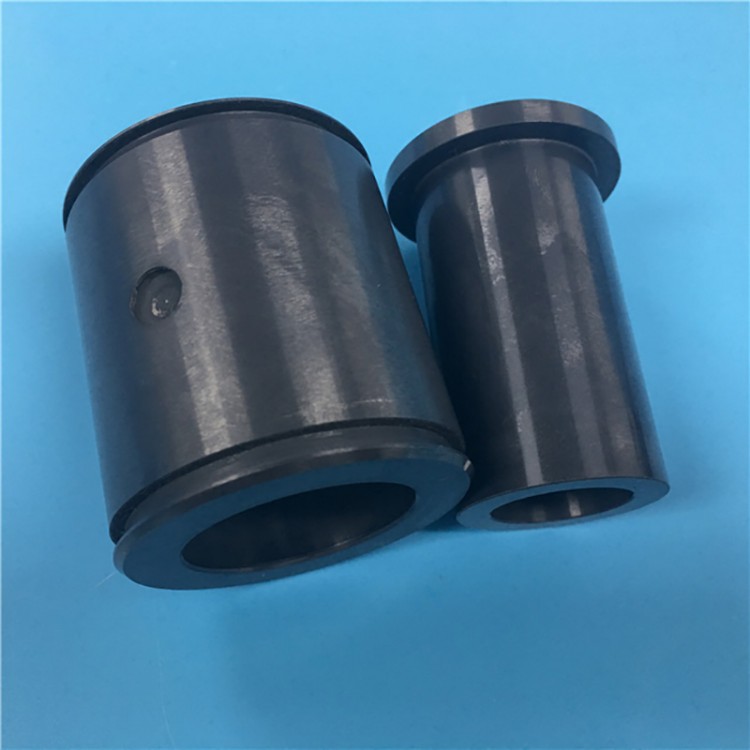
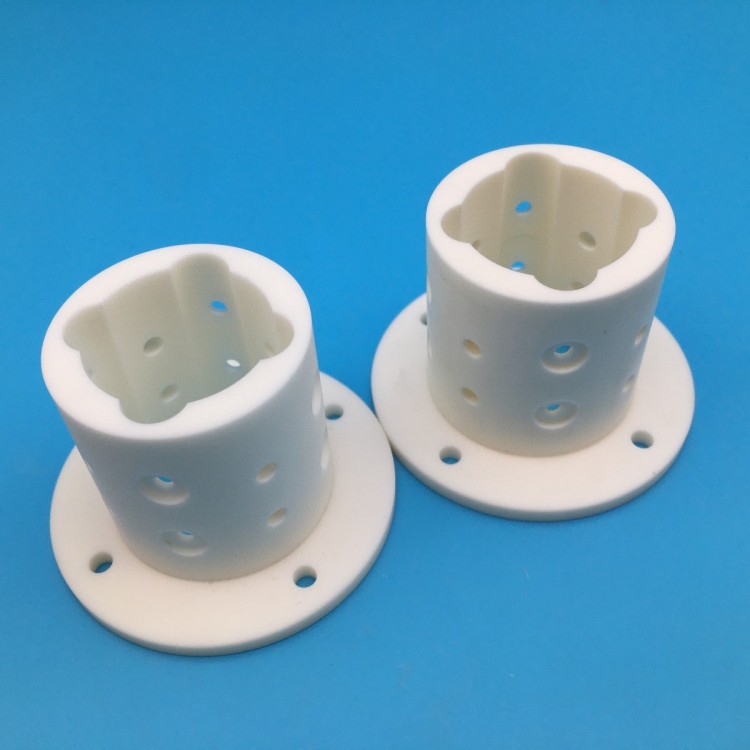
Silicon nitride ceramics refer to a category of ceramics with special mechanical, physical, or chemical properties, which have significantly different raw materials and production processes compared to conventional ceramics. According to their characteristics and applications, special ceramics can be divided into two main categories: structural ceramics and functional ceramics. Structural ceramics are ceramics that can be used as engineering structural materials, generally characterized by high strength, hardness, elastic modulus, high-temperature resistance, wear resistance, corrosion resistance, oxidation resistance, and thermal shock resistance.
Structural ceramics come in a wide variety, each with its unique strengths, weaknesses, and preferred application areas. Among them, "silicon nitride ceramics" is highly regarded for its balanced performance, making it a category of structural ceramics with excellent overall properties. It enjoys a broad range of applications.
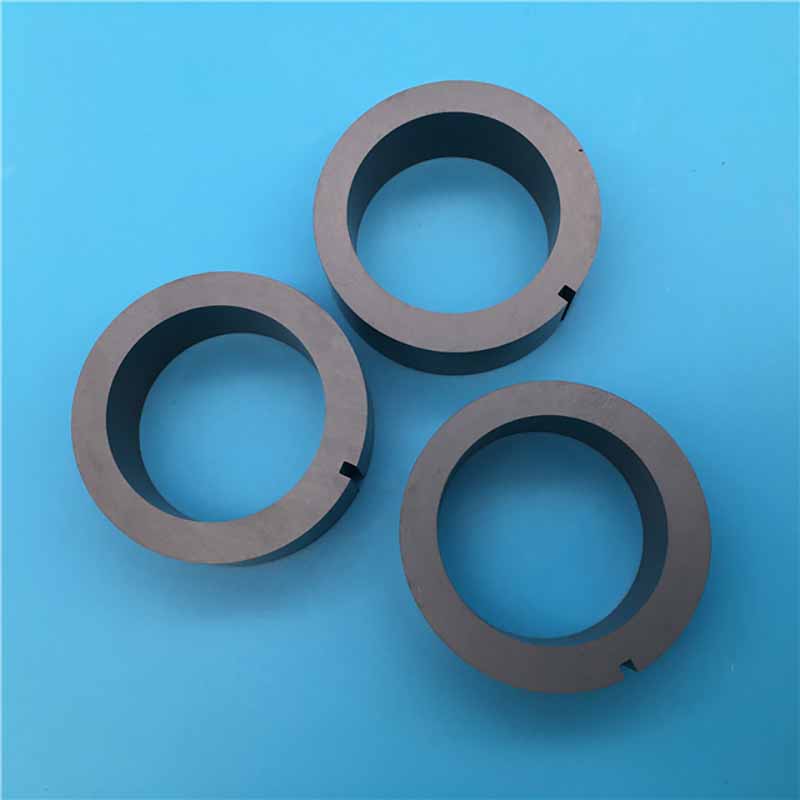
Silicon Nitride Ceramic Advantages and Disadvantages: Silicon nitride is a crucial structural ceramic material. It is an ultra-hard substance with inherent lubricity, excellent wear resistance, and belongs to an atomic crystal; it also resists oxidation at high temperatures. Furthermore, it can withstand thermal shock, remaining unbroken after being heated to over 1000°C in air, then rapidly cooled and reheated. Due to these exceptional properties, silicon nitride ceramics are often used to manufacture mechanical components such as bearings, turbine blades, mechanical seals, and molds.
Performance: Non-shrinking in-sintering inorganic material with low thermal expansion coefficient and excellent high-temperature resistance, maintaining strength up to 1200°C without degradation. It exhibits remarkable thermal shock stability and exceptional chemical corrosion resistance, capable of withstanding almost all alkali solutions and those with less than 30% sodium hydroxide content, making it a high-performance electrical insulating material.
Advantages: Excellent resistance to thermal shock, won't crack even when heated to above 1000°C in air, then rapidly cooled and reheated, and is less conductive of heat compared to alumina.
Drawbacks: Low fracture toughness coefficient, moderate to low mechanical strength within ceramics, prone to cracking and shattering.
Applications: High-temperature bearings, mechanical sealing rings, pipelines and valves for electromagnetic pumps conveying aluminum melt.
In summary, as a high-performance structural ceramic material, silicon nitride's numerous application directions have garnered attention from both the industrial sector and laboratories. It is believed that, thanks to its unique properties, there is still vast room for development in the future.