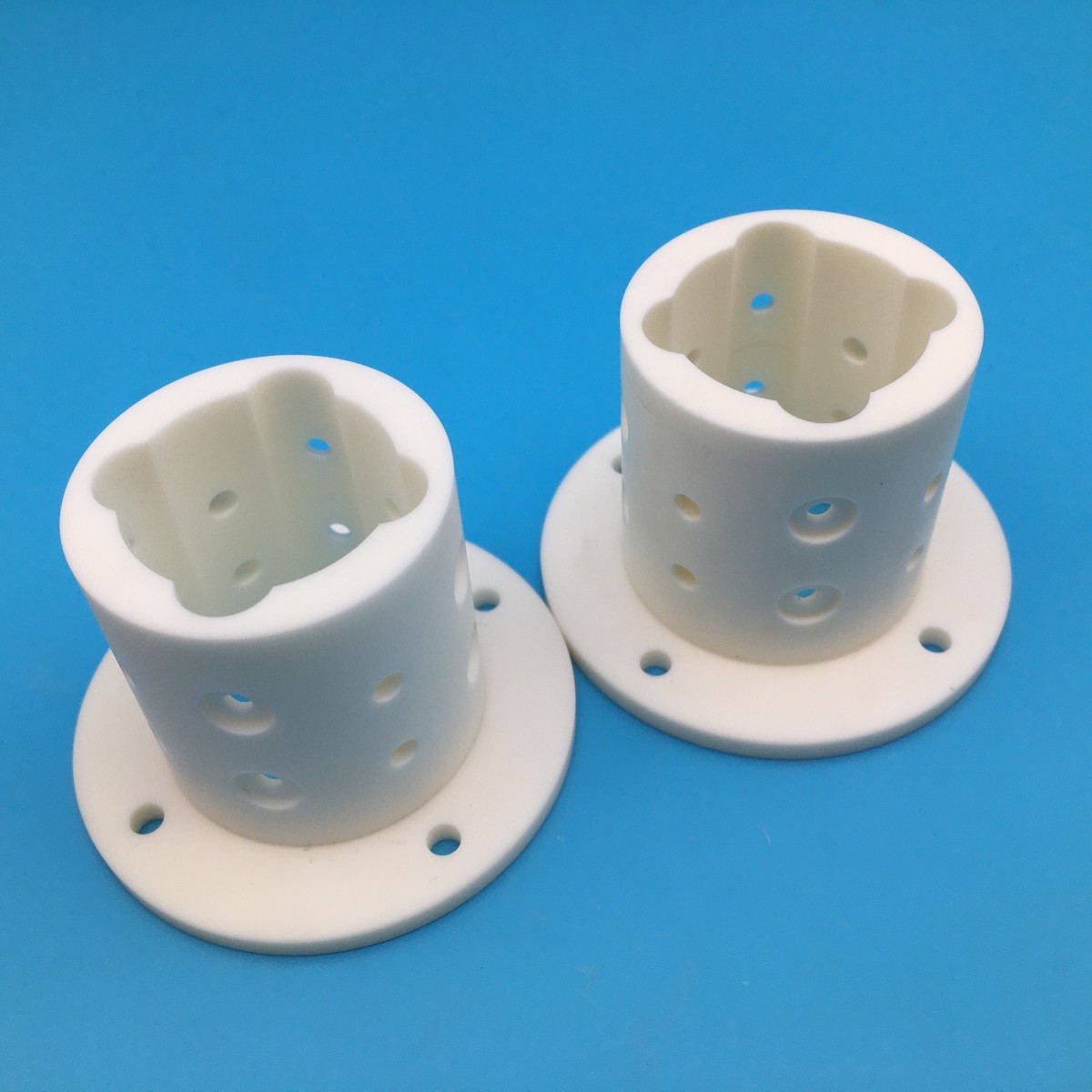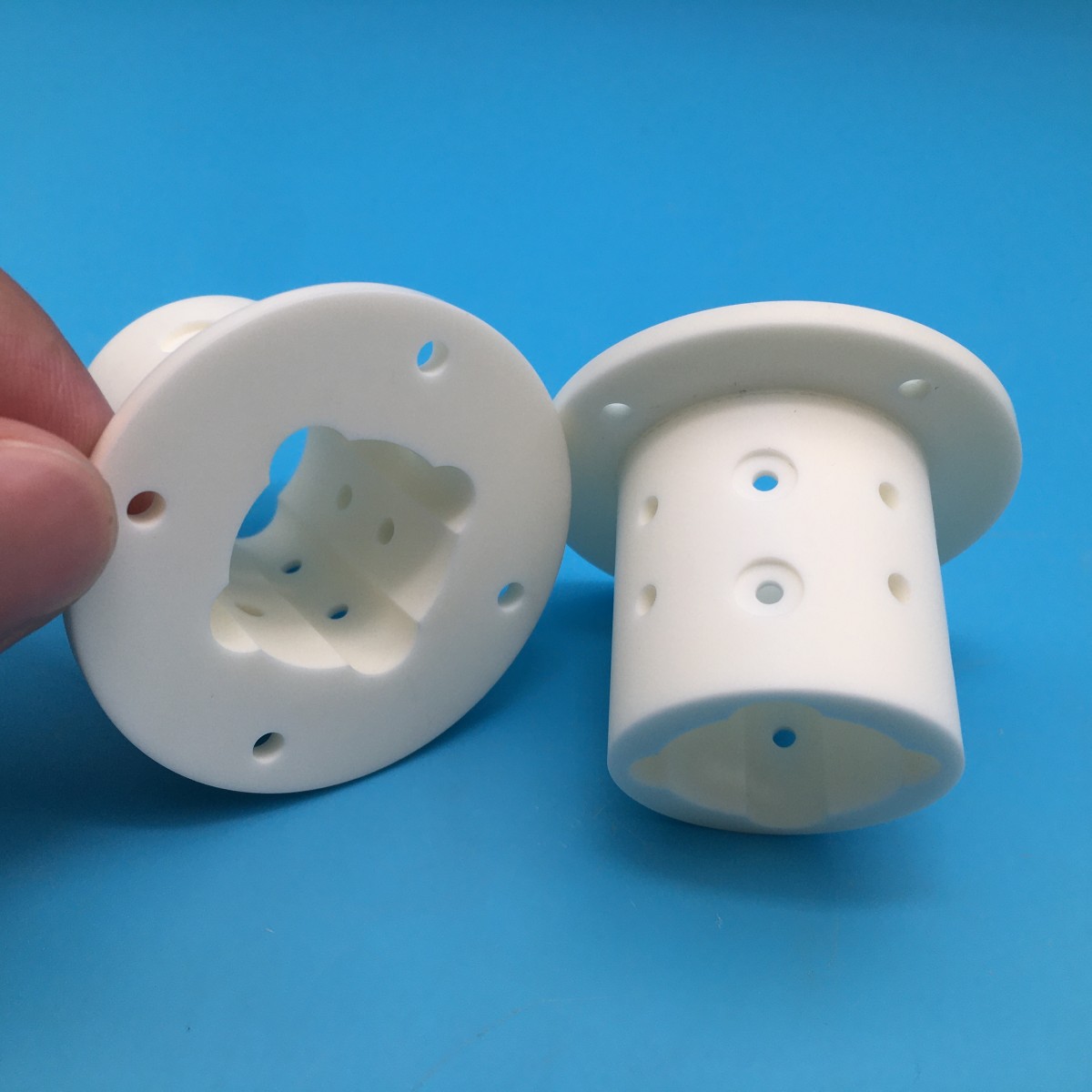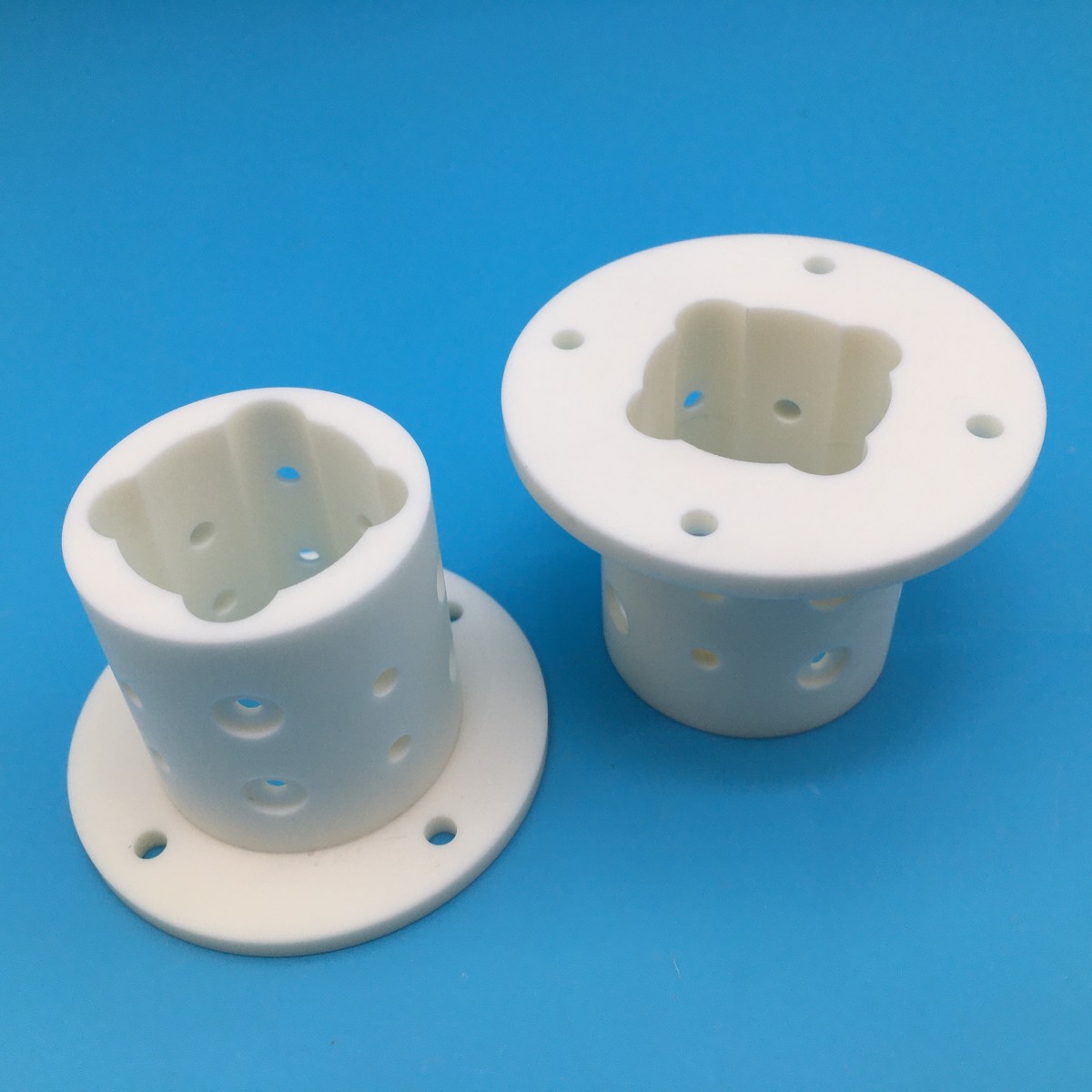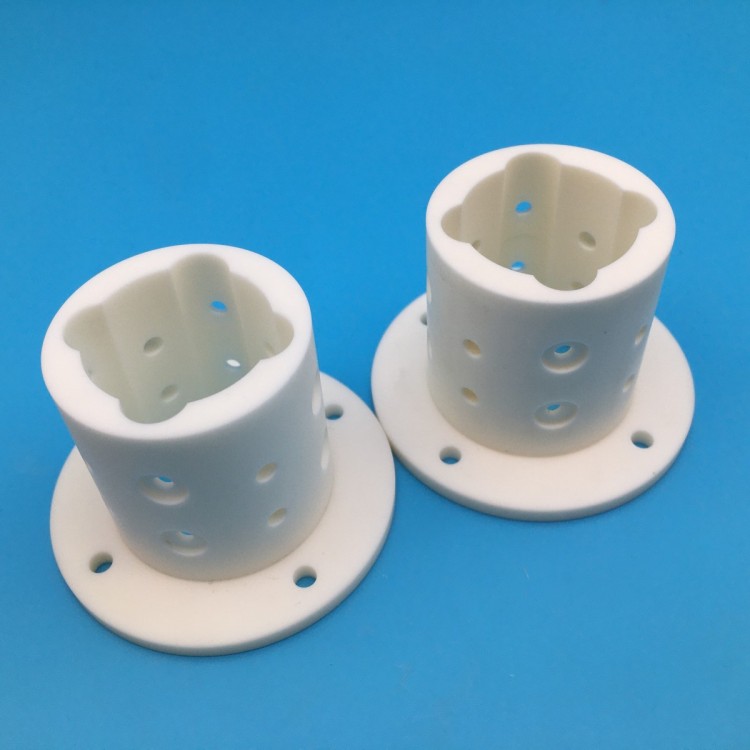

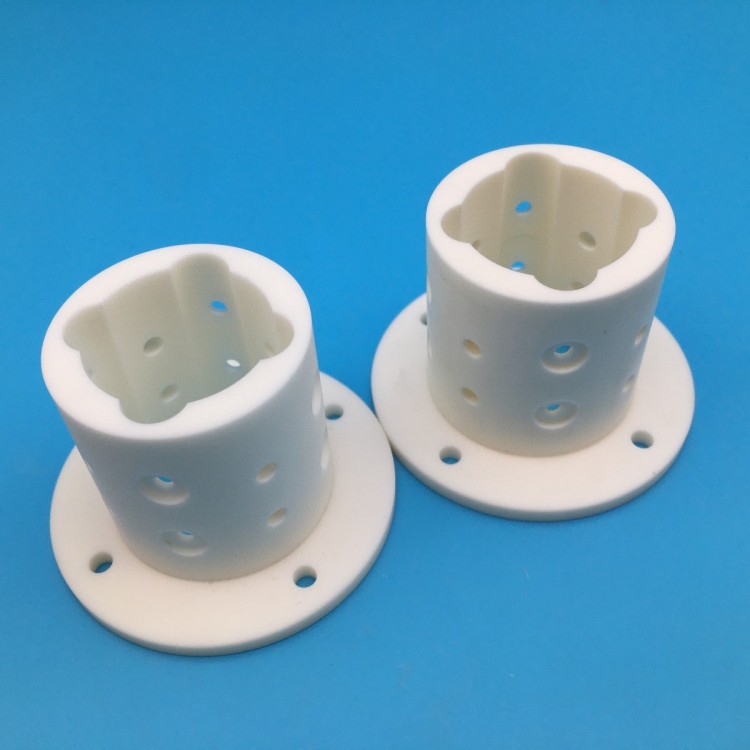

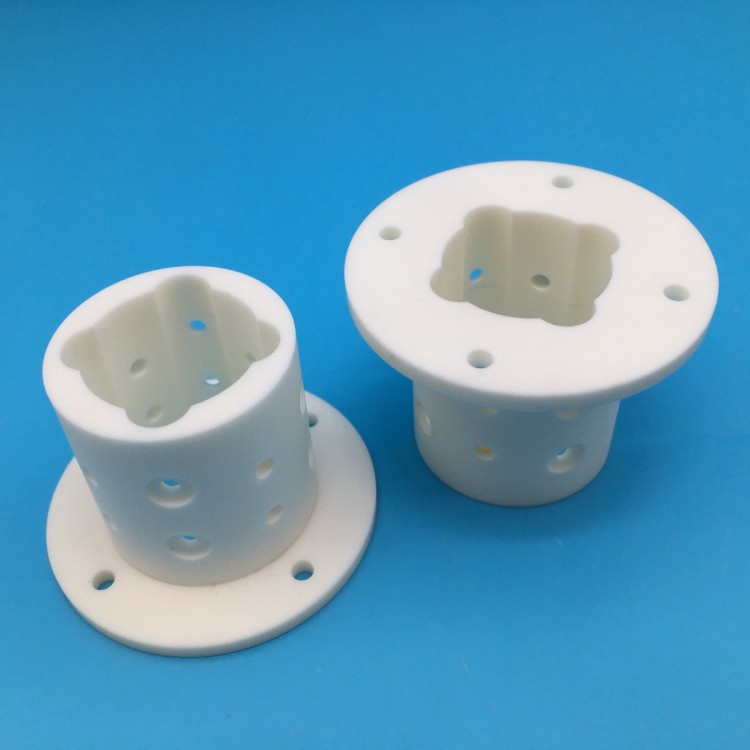








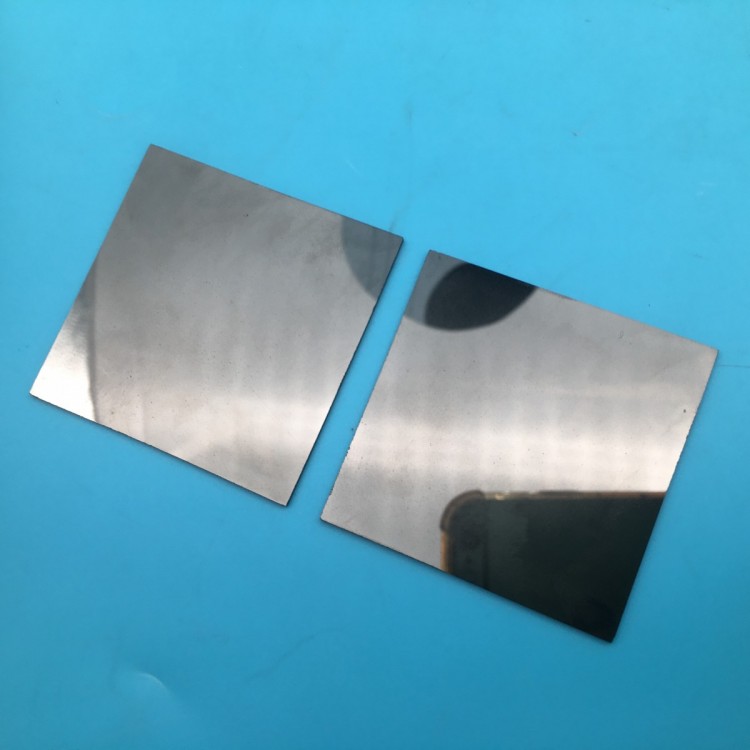

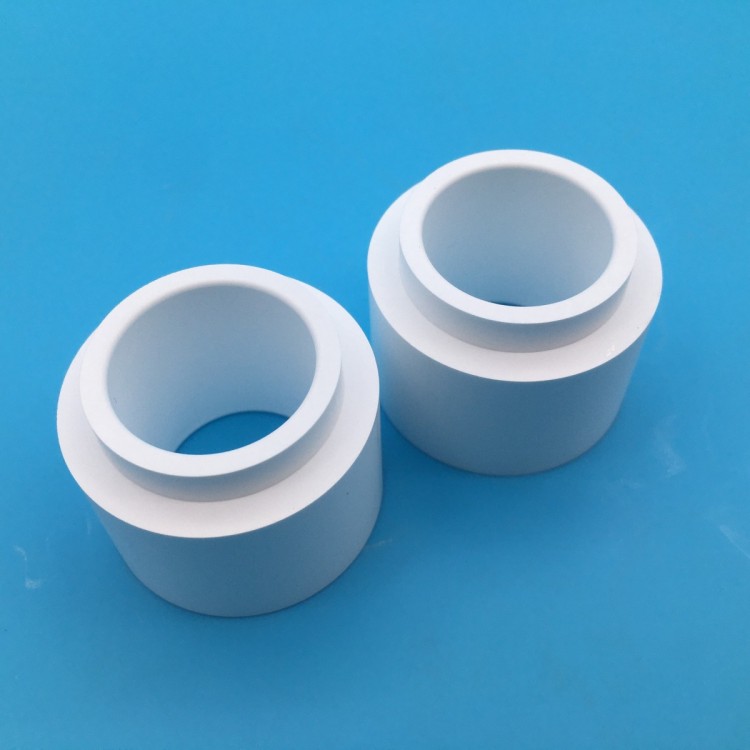
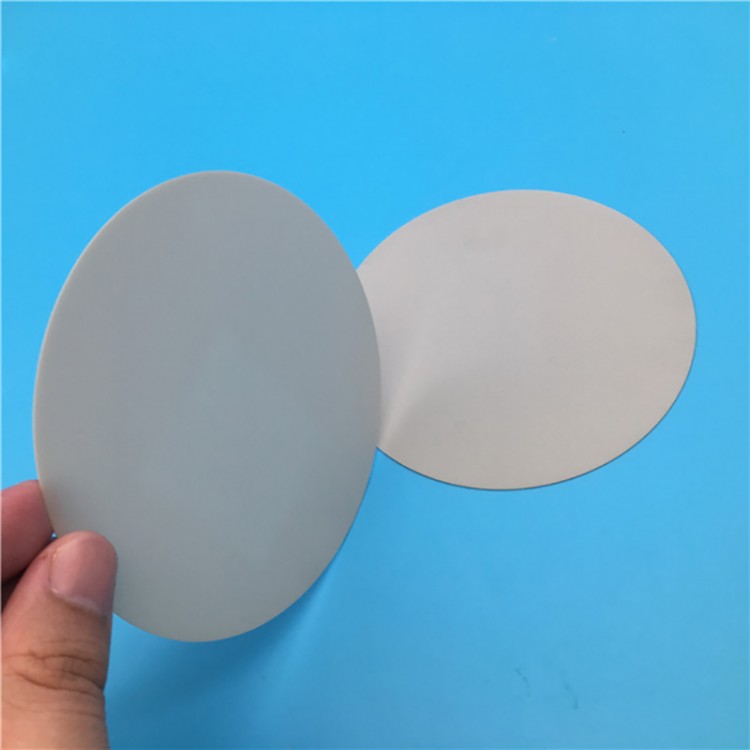
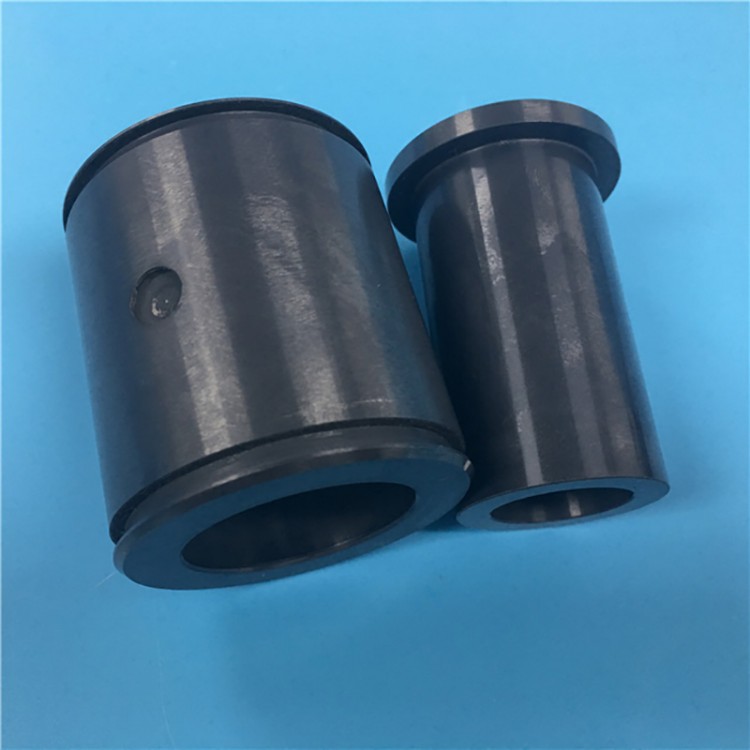
Alumina ceramic (Al2O3) is a highly wear-resistant precision ceramic material, widely used in various industries.
Primary forming methods for alumina ceramic products include dry pressing, isostatic pressing, injection molding, and casting. Different product shapes, sizes, complex designs, and precision levels require various forming techniques. Alumina ceramic products that have been sintered at high temperatures can only be processed using diamond grinding. The purity of common alumina ceramics is typically above 90%.
Alumina Ceramic Performance Parameters Table
Advantages of Aluminum Oxide Ceramics:
Alumina ceramic features excellent insulation properties, with low high-frequency loss and good high-frequency insulation performance.
2. Aluminum oxide ceramic features high heat resistance, low thermal expansion coefficient, high mechanical strength, and good thermal conductivity.
3. Aluminum oxide ceramic features characteristics such as chemical corrosion resistance and fusible metal properties.
4. Aluminum oxide ceramic is non-flammable, corrosion-resistant, and durable, making it less prone to damage than other organic and metal materials, and boasts superior properties that are unmatched.
5. Aluminum oxide ceramic has excellent wear resistance, with hardness comparable to corundum, reaching Mohs hardness level 9. Its wear resistance can rival that of ultra-hard alloys.
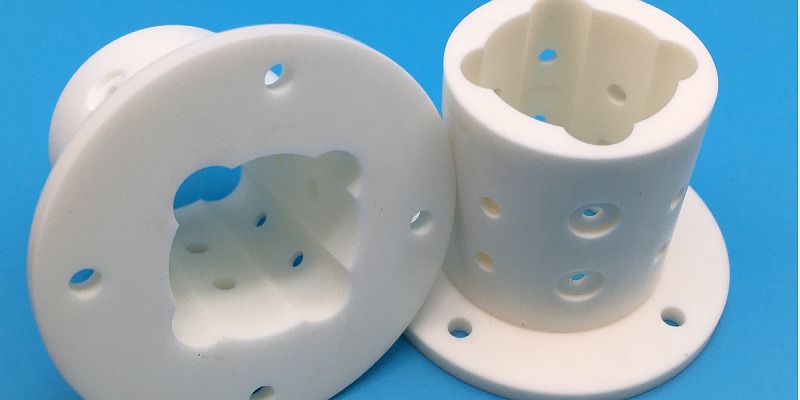
Alumina ceramic performance:
High hardness
The hardness of alumina is measured at HRA 80-90, ranking only second to diamond in hardness and far surpassing the wear resistance of wear-resistant steel and stainless steel.
Excellent wear resistance
Alumina ceramic material, as tested by the Powder Metallurgy Research Institute of Central South University of Technology, boasts a wear resistance equivalent to 266 times that of manganese steel and 171.5 times that of high-chromium cast iron. Based on our decade-long customer tracking survey, under the same operating conditions, it can extend the service life of equipment by at least ten times.
Lightweight
Alumina ceramic materials have a density of 3.7~3.95g/cm³, which is only half that of steel, significantly reducing equipment load.
Wide Application Range
Alumina ceramics are widely used in industries such as machinery, optical fibers, cutting tools, food, chemicals, and aerospace.
Common products include: sealing components, valve seats, mechanical parts, high-temperature electrical insulators, high-voltage insulators, electronic components and substrates, bulletproof armor, bearings, wear-resistant or corrosion-resistant linings, semiconductor parts, laser cavities, tray plates, sandblasting nozzles, knife sharpeners, microwave components, frictionless clutches, high-temperature kiln ware, etc.