









The characteristics of Jiure TPE plastic raw materials
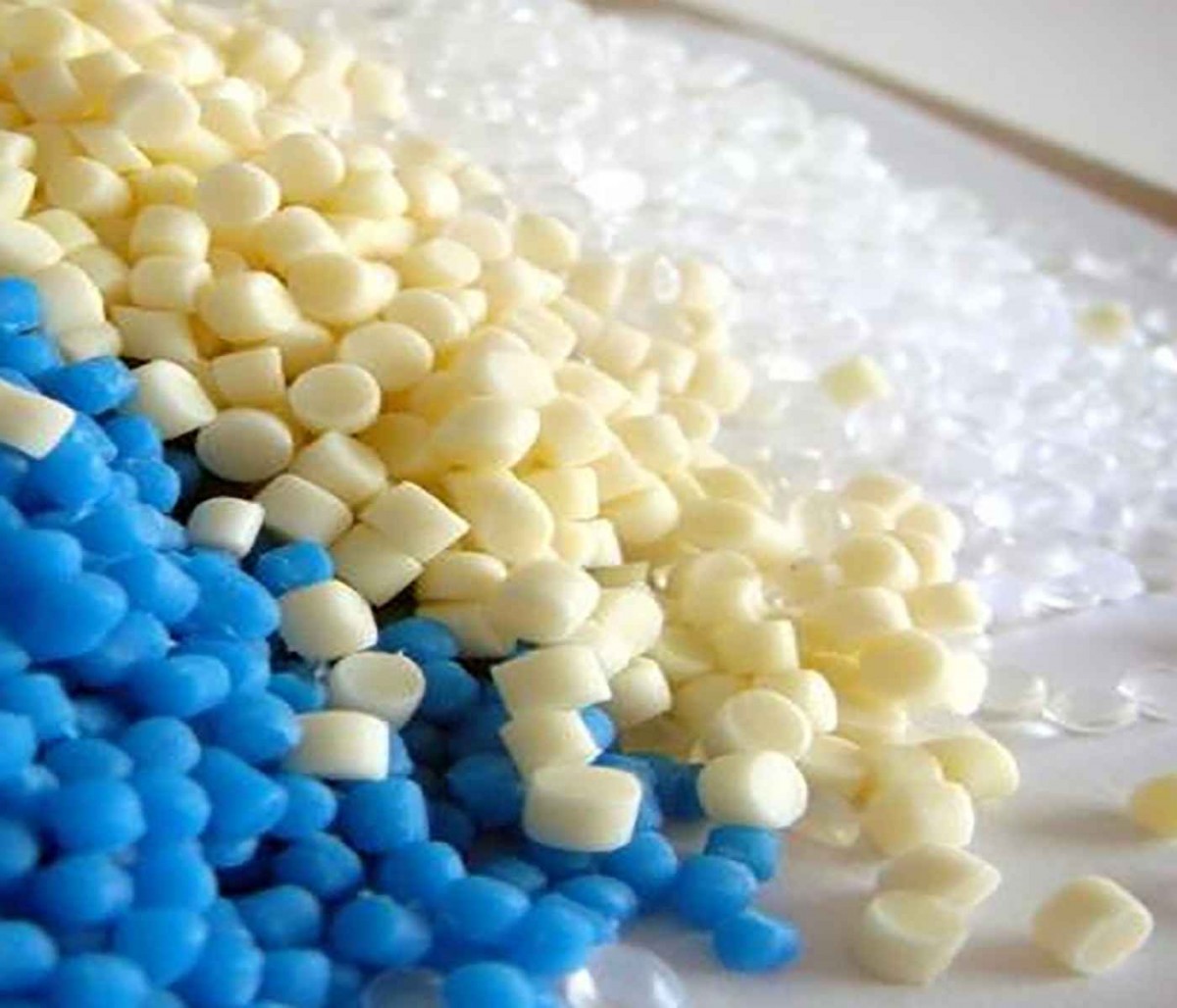
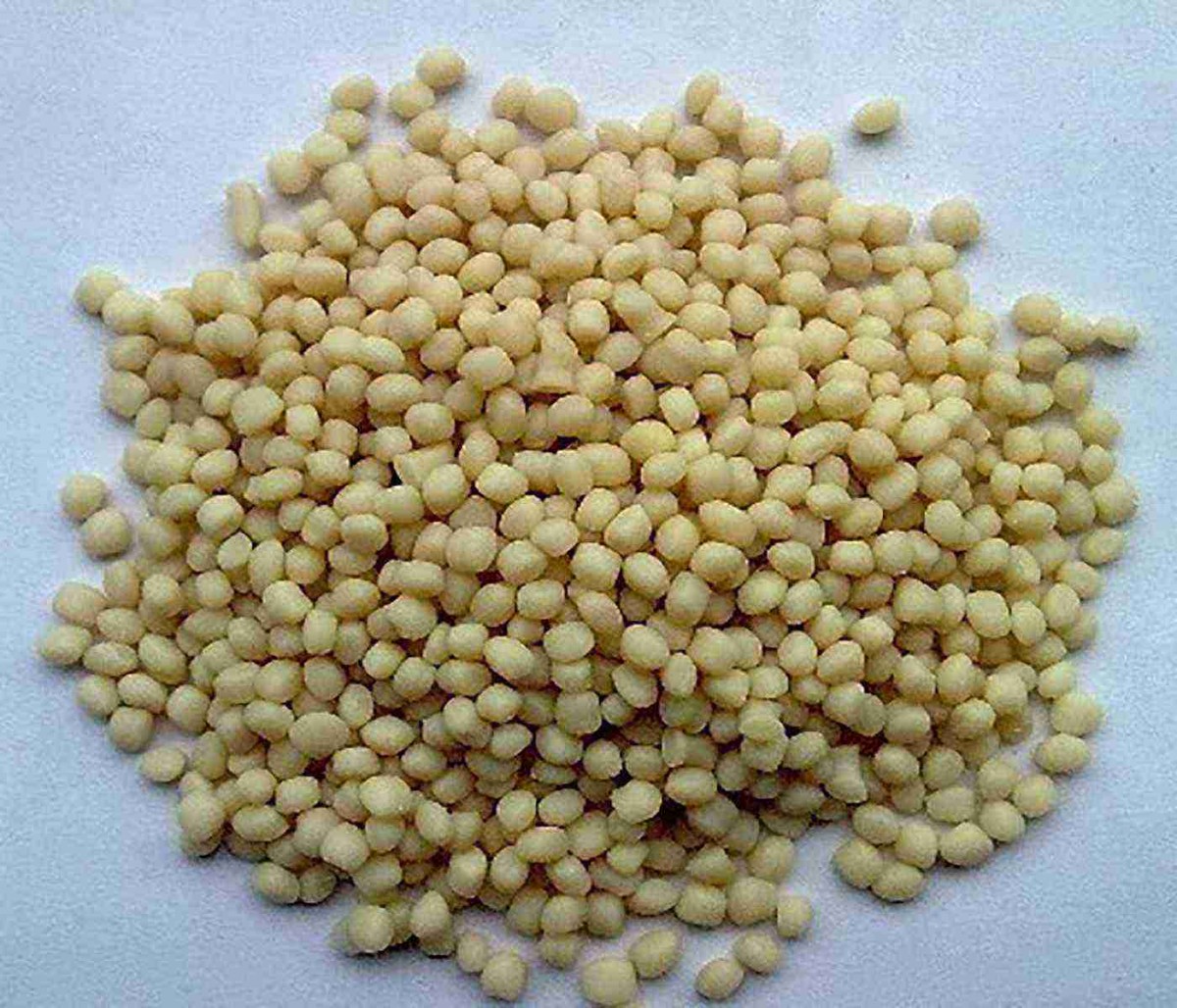
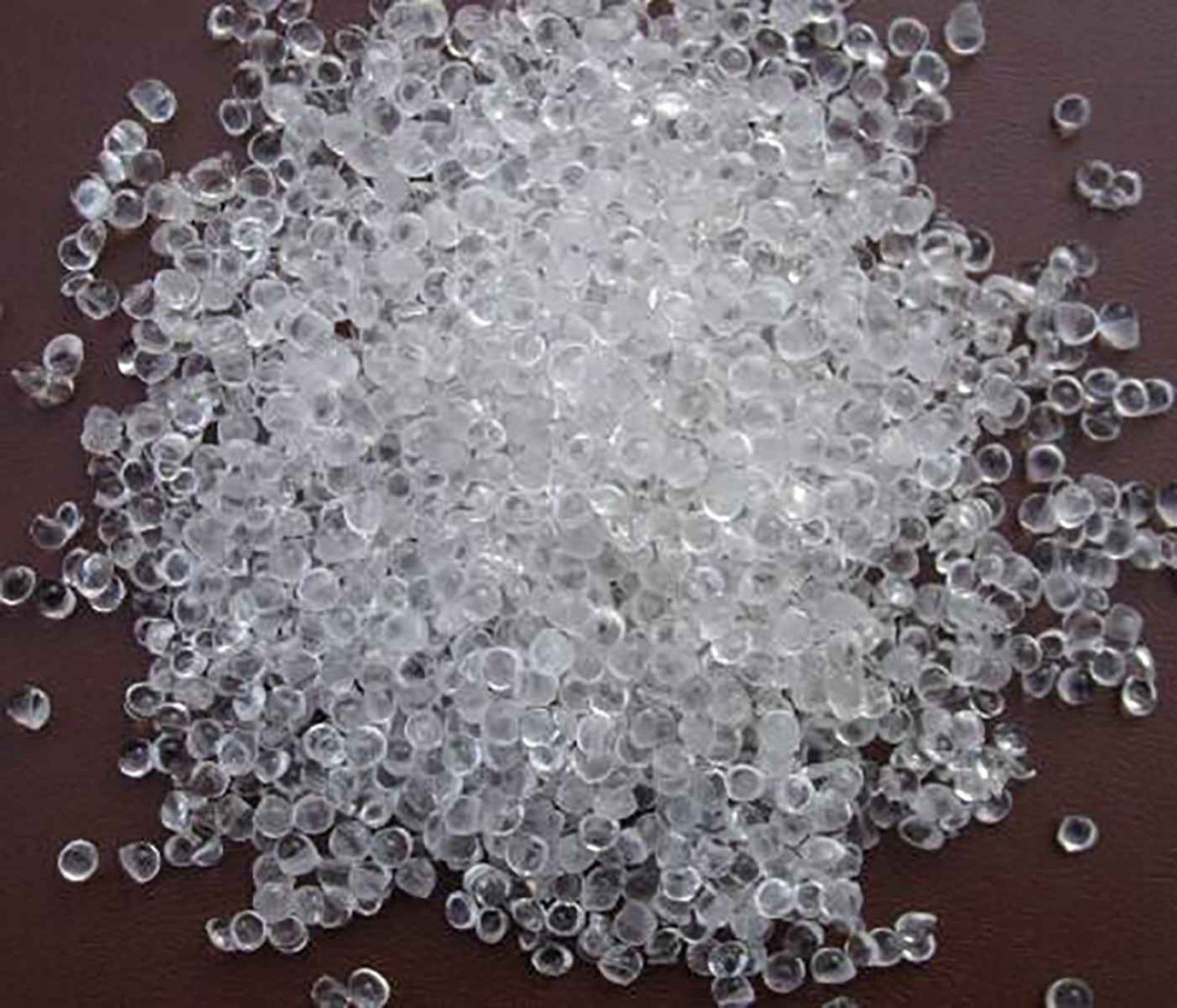
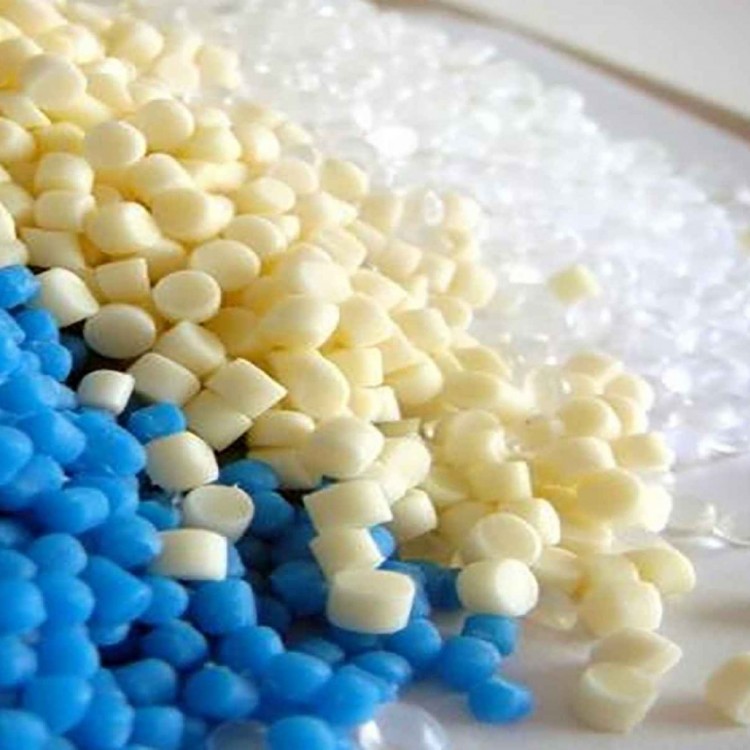
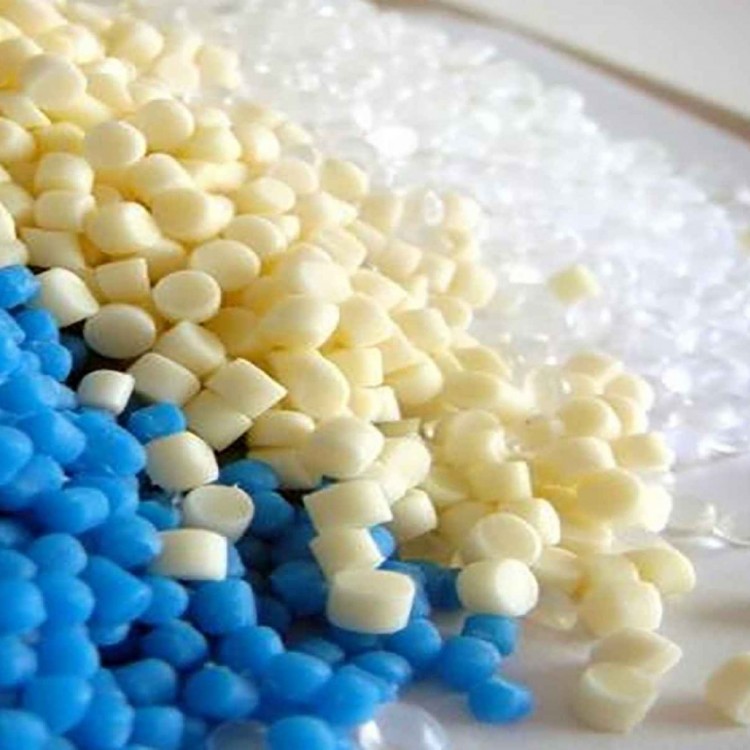
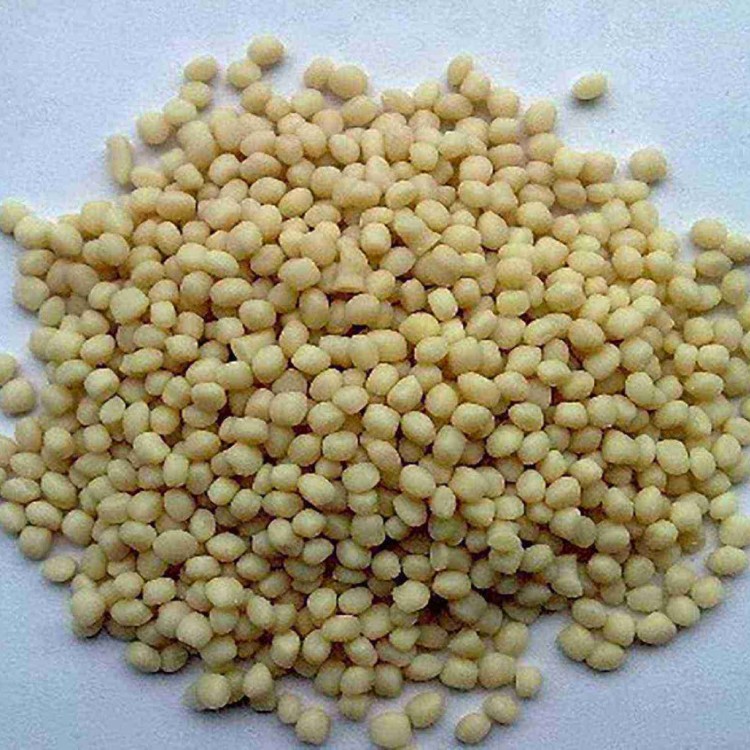
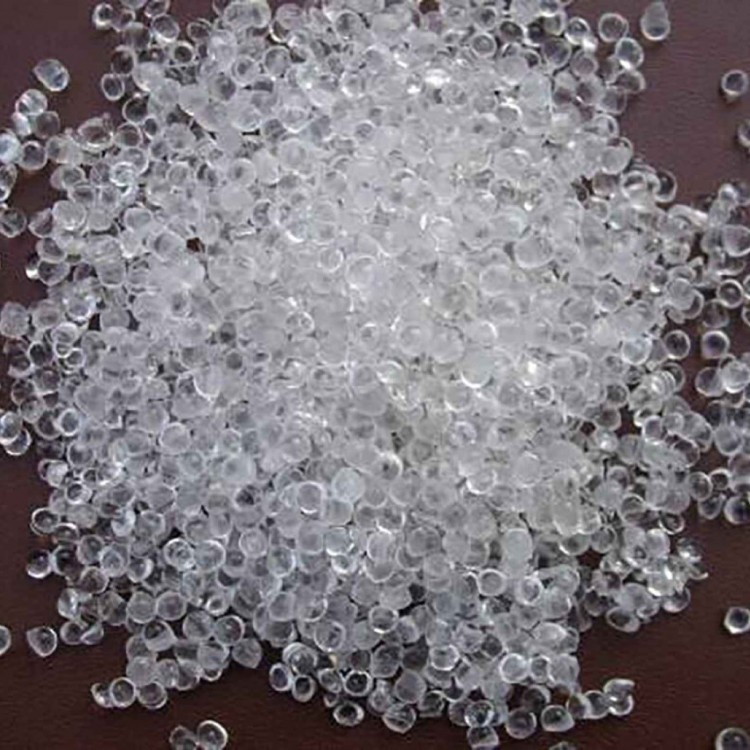
TPE plastic raw material (Thermoplastic Elastomer) is a thermoplastic elastomer that combines the high elasticity, strength, and resilience of rubber with the processability of standard thermoplastic molding machines. It boasts excellent resistance to aging, chemicals, fatigue, oil, and slip, as well as good heat resistance. It's easy to color, has a soft feel, and exhibits superior processing properties. It can be molded independently or encapsulated with PP, PE, PC, PS, ABS base materials for secondary injection molding. It requires low processing temperatures, is energy-efficient and environmentally friendly, non-toxic, and safe for recycling, reducing costs. Its applications are extensive and it's also used in engineering plastics like PA (nylon) and PC polycarbonate. TPE, TPR, TPU, and TPEE thermoplastic elastomers combine the processing characteristics of thermoplastic plastics with the physical properties of vulcanized rubber, offering the perfect blend of plastic and rubber advantages.
Nine Treasure TPE plastic raw materials categories
Styrene-based TPE plastic raw materials
2. Olefinic TPE plastic raw materials
3 Diene TPE Plastic Raw Materials
4. Chlorinated Polyethylene (CPE) TPE Plastic Raw Material
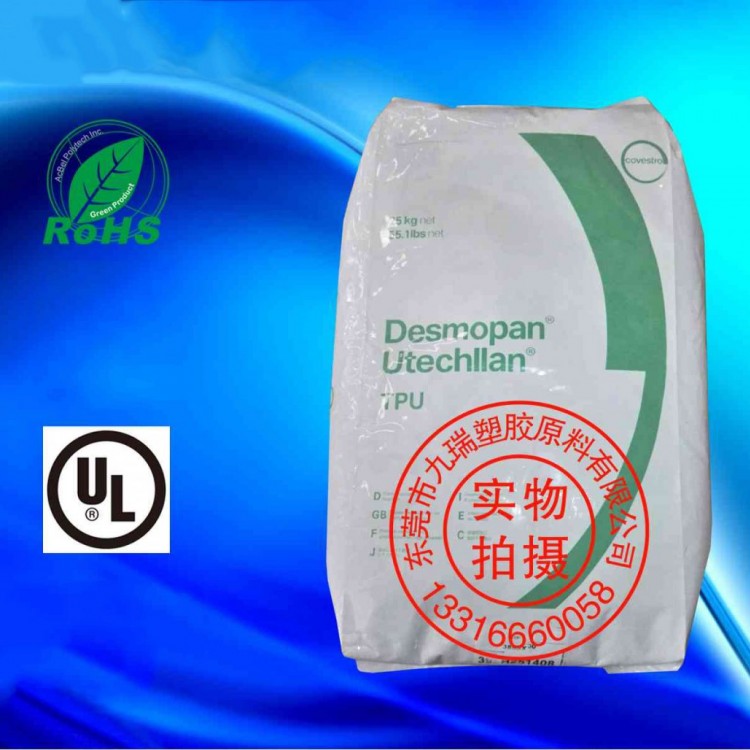
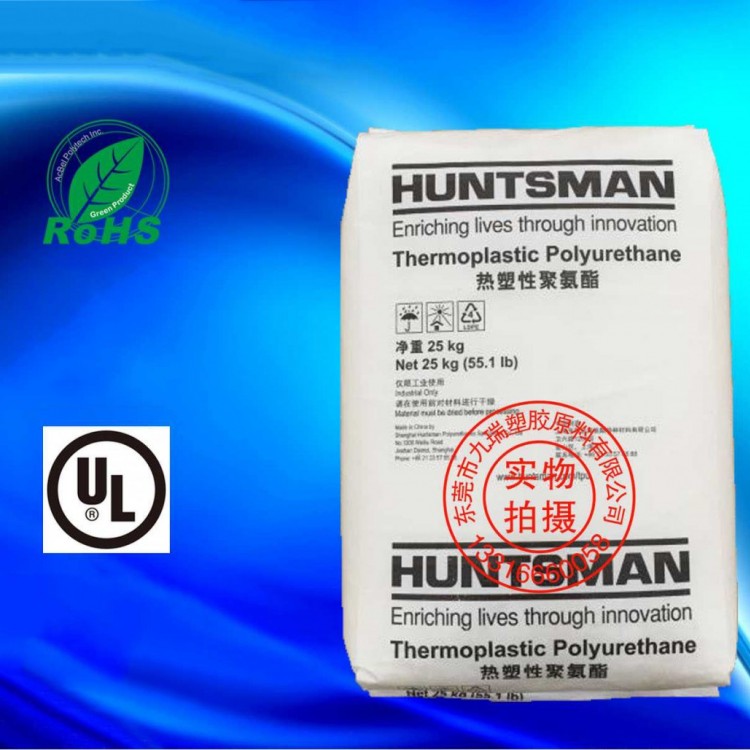
5. Polyurethane TPE Plastic Raw Materials
In simple terms, TPE plastic materials are divided into transparent series and opaque series.
TPE plastic raw material applications
Broadly used in sports equipment, seals, handles, suction cups, stationery, daily necessities, car bumpers, steering wheels, wipers, dust guards, high-pressure hoses, drive belts, conveyor belts, wires and cables, optical fibers, tape, gears, home appliances, gardening tools, footwear, foam, gas masks, bottle caps, orthopedic instruments, stone substitutes, optical films, earphone cables, USB cables, cables, building seals, door and window seals, asphalt modification, waterproof materials, plastic modifiers, and adhesives, etc. TPE products can be processed without special production equipment, and can be injection molded, extruded, blow molded, mixed, secondary molded, drip molded, or cast.