









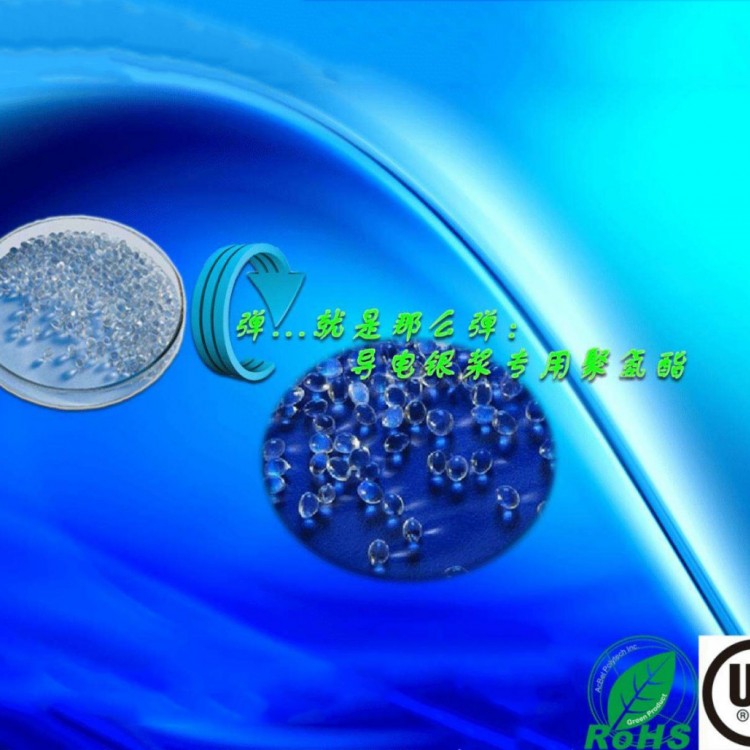
The importance of carrier resin in low-temperature conductive silver paste for thin-film switch touch screen keyboards
Low-temperature halogen-free conductive silver paste belongs to the dry light industry, primarily depending on carrier resin, silver powder, and formula elements.
Low-temperature halogen-free silver paste is a conductive functional material used in the preparation of flexible electronic circuits such as membrane switches, touchscreens, and keyboards, with the quality of the carrier resin being a crucial factor in determining the paste's excellent film-forming properties.
The carrier resin in conductive silver paste must first meet the requirements for thixotropy, conductivity, adhesion, flexibility, printability, resistance to hand sweat, oxidation resistance, and hardness, all at the same time, as required for electronic circuit manufacturing.
Next, the leveling, volatility, and rheological behavior of the silver paste carrier resin are crucial for ensuring that the paste transfers from the silk screen mesh to the workpiece surface during the printing process, forming conductive patterns on the membrane switch touch screen keyboard.
Classic quote in the paste industry: Only high-performance carrier resins can produce superior conductive silver paste.
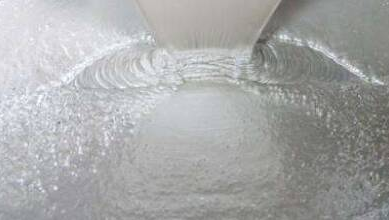
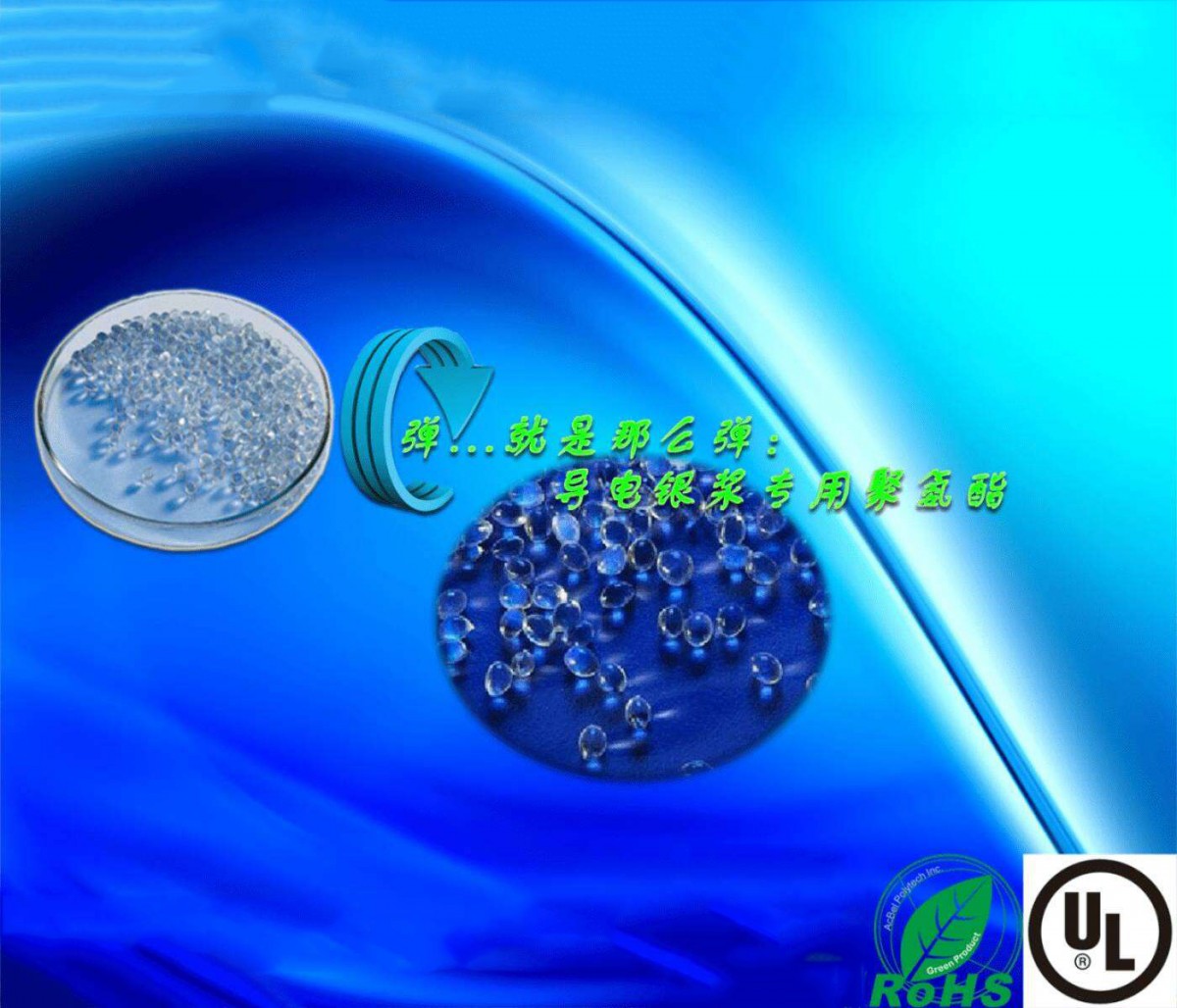
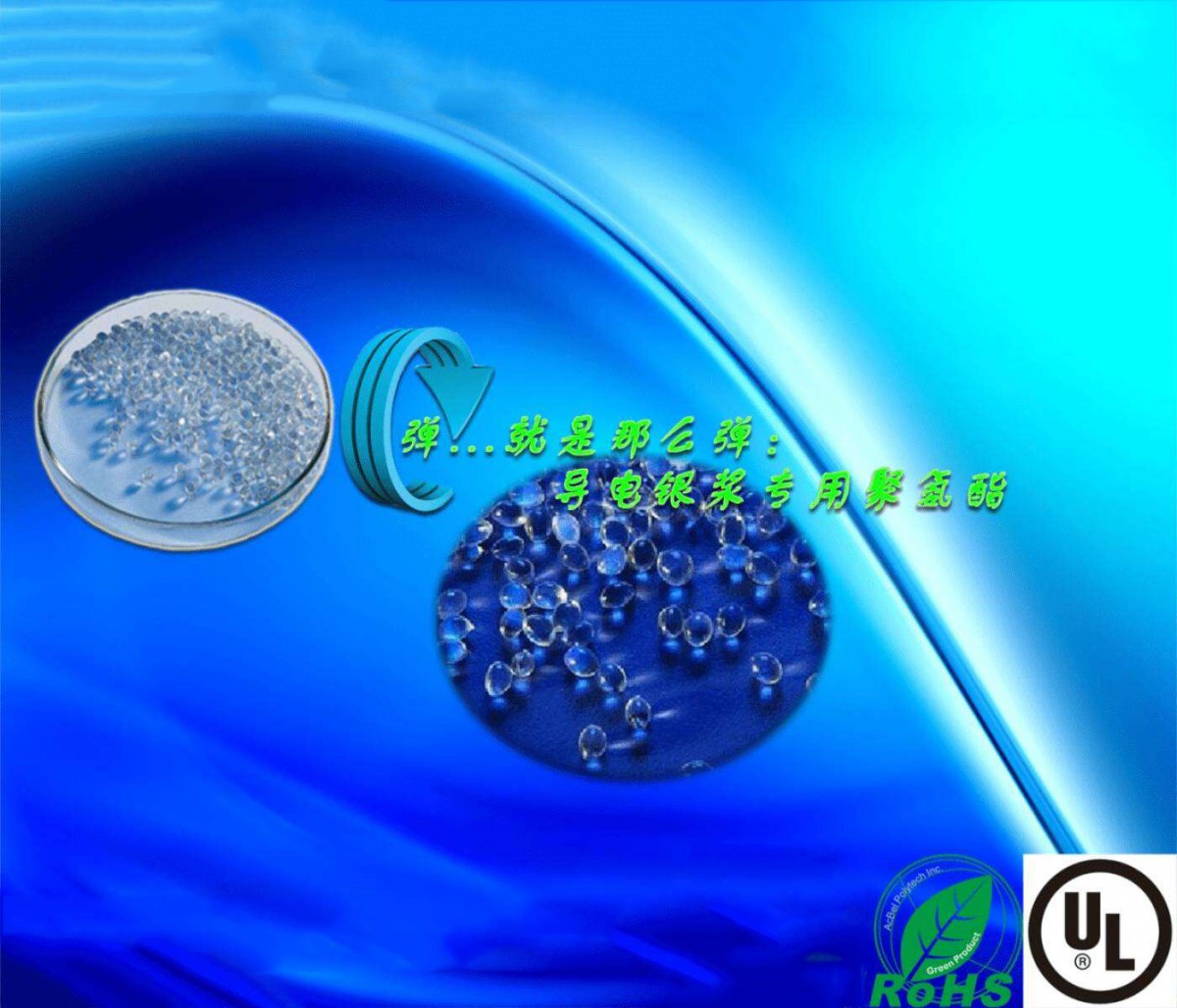
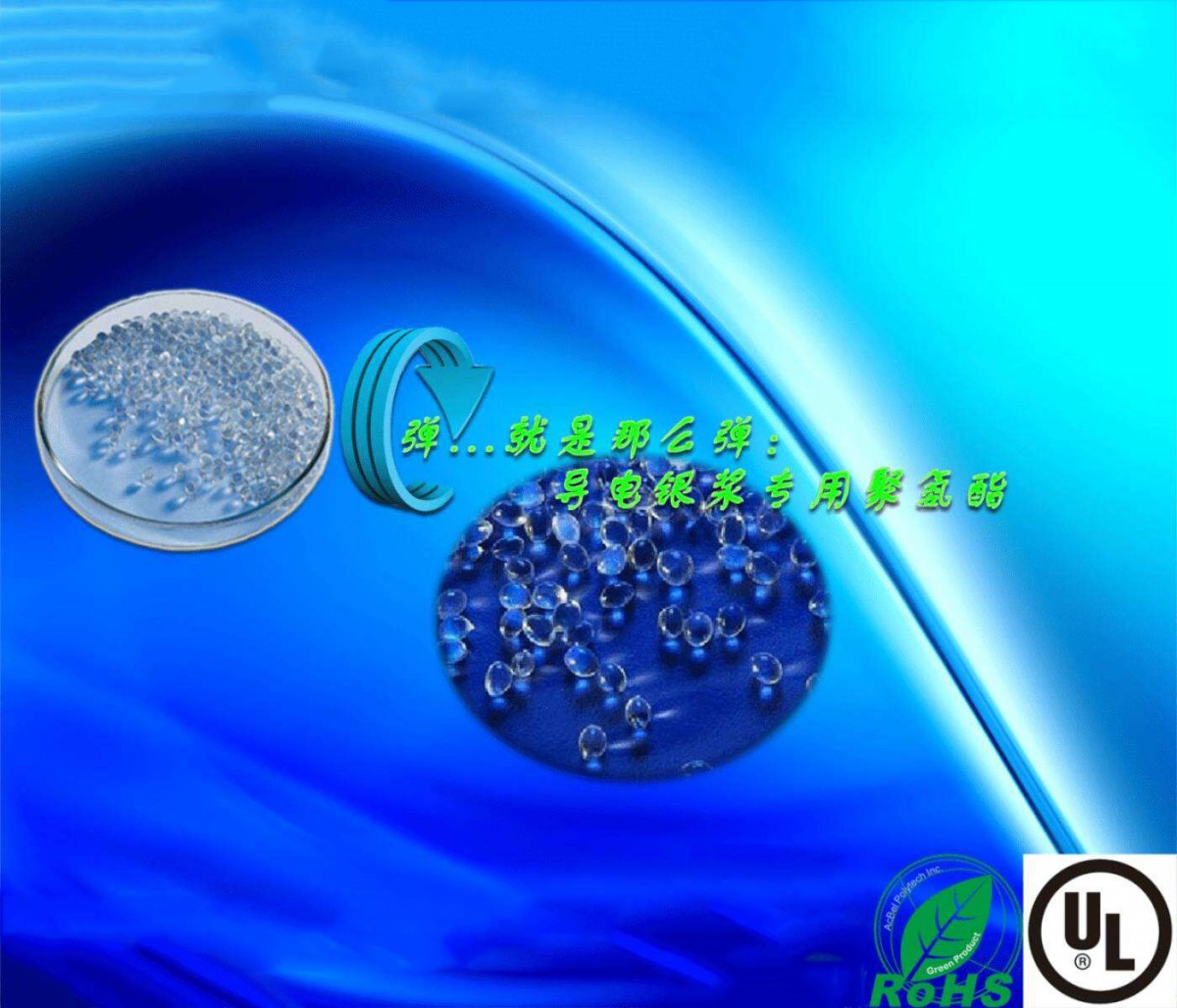
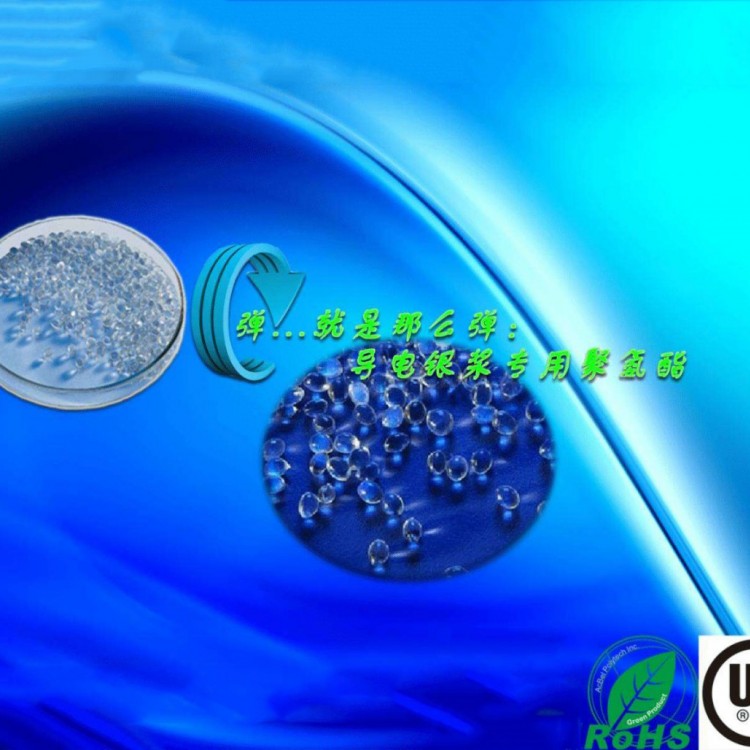
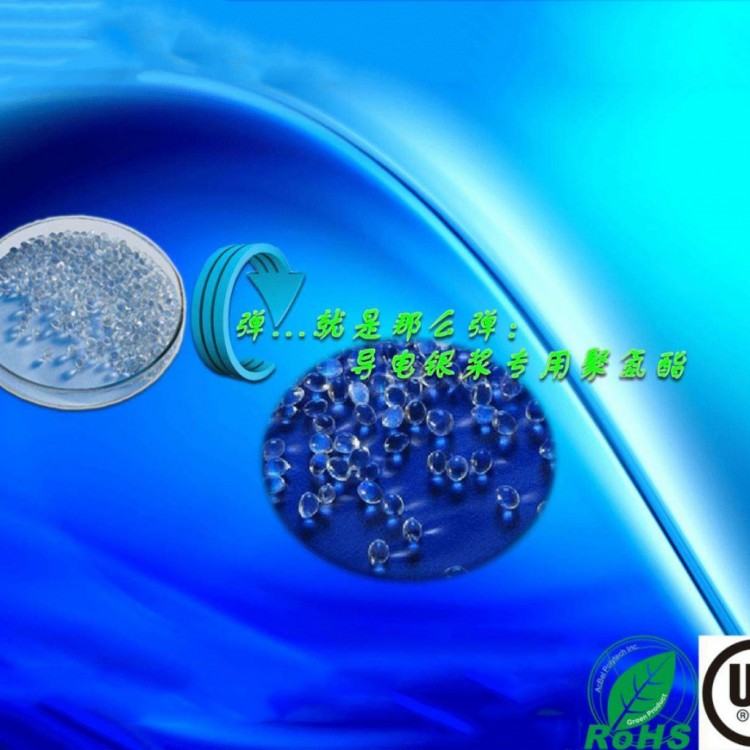
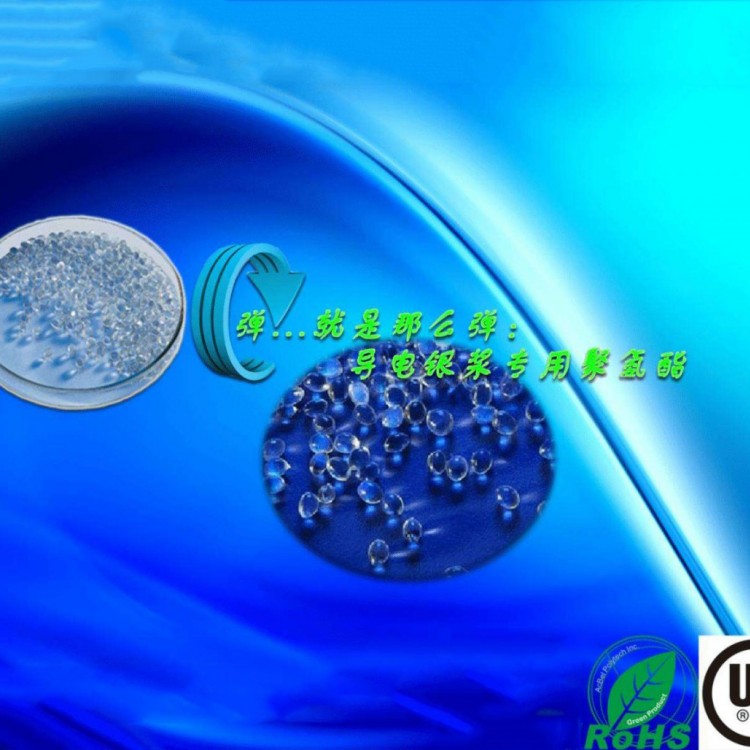
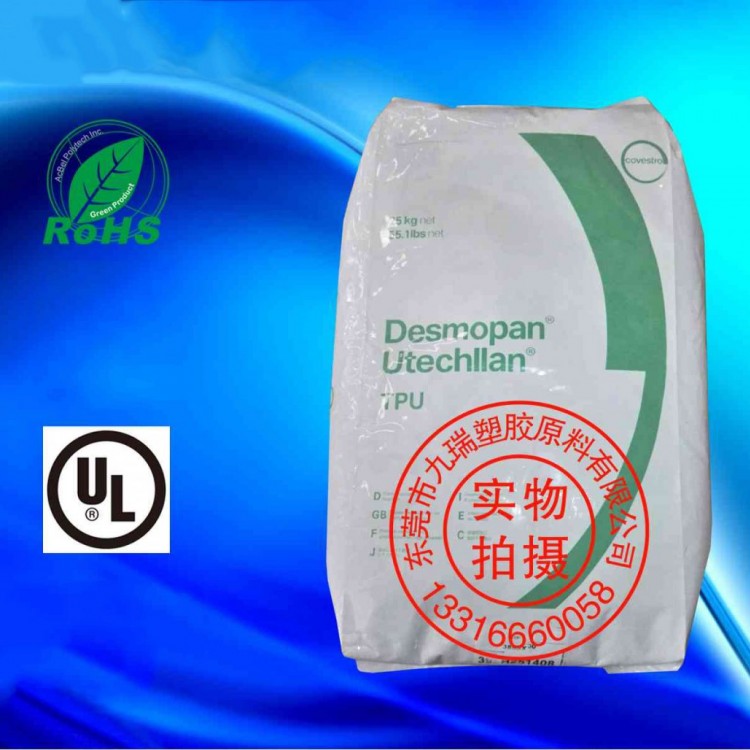
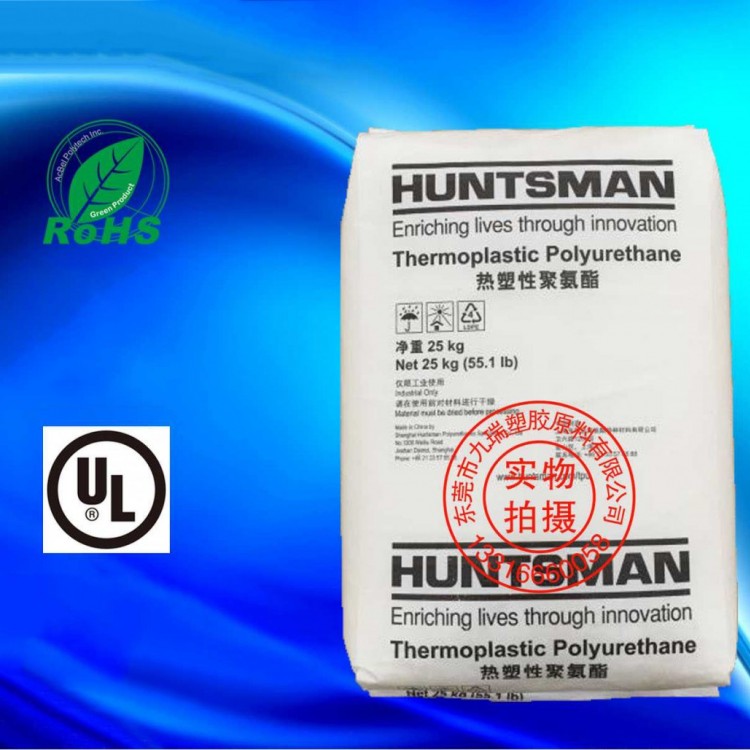
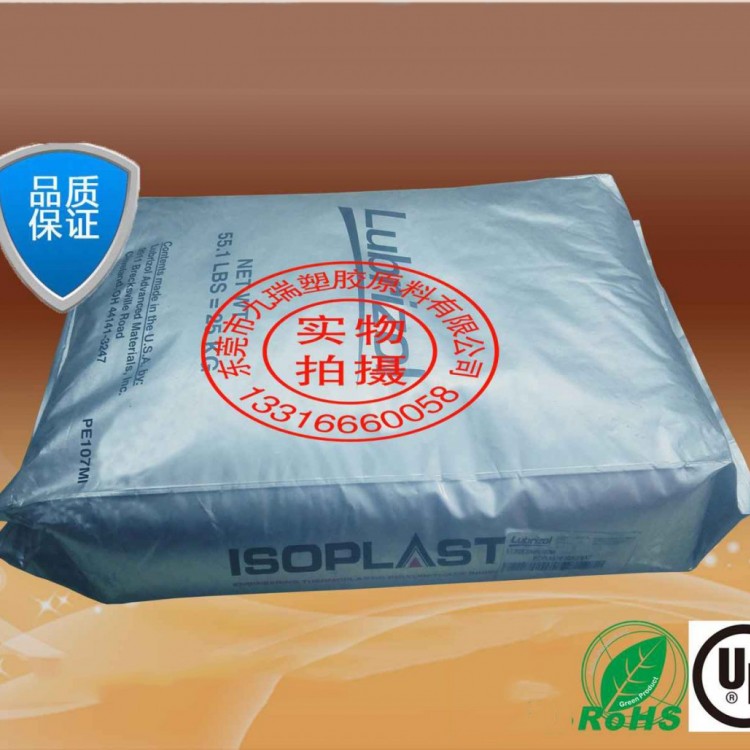
Film Switch Touch Screen Keyboard Conductive Silver Paste Polyurethane Carrier Resin LR-9100
BASF's polyurethane LR-9100 is an excellent carrier resin for conductive silver paste used in membrane switch touch screen keyboards, and it is the preferred material among overseas low-temperature silver paste manufacturers, boasting unique characteristics that other TPU resins cannot match.
The LR-9100 carrier resin boasts exceptional flexibility, wear resistance, and heat resistance as its basic characteristics.
The processability of LR-9100 carrier resin: LR-9100 boasts excellent high molecular weight, and the mechanical properties of conductive silver paste can be adjusted within a certain range by formulation based on the molecular weight.
The LR-9100 carrier resin is halogen-free, free of harmful substances, and meets international standards as an environmentally friendly material.
LR-9100 has excellent wrapping property: LR-9100 has high polarity and good adhesion, excellent wrapping property for silver powder, good conductivity, and is beneficial to the thinning of silver wires.
LR-9100 offers adjustable viscosity and excellent printability; the viscosity of LR-9100 silver paste is adjustable, enabling controlled rheology of the paste, which is beneficial for rapid, high-precision continuous printing onto substrates, ensuring fine-line printing without ghosting or webbing.
LR-9100 Adhesion Adjustable: Adding appropriate additives can significantly enhance the adhesion of LR-9100 on various printing substrates such as PET and PCB.
LR-9100 saves silver powder usage: The carrier resin of LR-9100 and the silver powder can be well dispersed, wetted, and bonded. Through special processes and additives, it can enhance electrical properties, reduce resistance, and improve conductivity.
LR-9100 Silver Paste features rapid curing and good shrinkage rate: The cross-linking density of LR-9100 with the curing agent is high, allowing for fast curing and drying at low temperatures. It has a suitable shrinkage rate, adjustable hardness, and after curing, meets the reliability requirements of the components.
LR-9100 carrier resin has excellent sweat and antioxidant properties: The LR-9100 is chemically stable, improving many shortcomings of conductive silver paste, particularly effective in reducing silver wire oxidation, breakage, increased resistance, and partial detachment caused by acidic or alkaline corrosion during printing operations. It is highly suitable for large-scale production, storage, and use in automated lines.
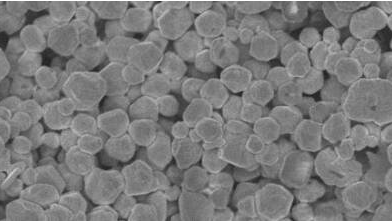
Low-temperature Conductive Silver Paste Carrier Resin LR-9100 for Film Switch Touch Screen Keypad Supplier
BASF's polyurethane resin Laromer LR-9100 not only exhibits the fundamental self-adhesive properties in conductive silver paste but also coordinates the compatibility of all components within the paste, addressing issues such as oxidation, acidic or alkaline liquids, and sweat in large-scale printing, ensuring product stability and durability.