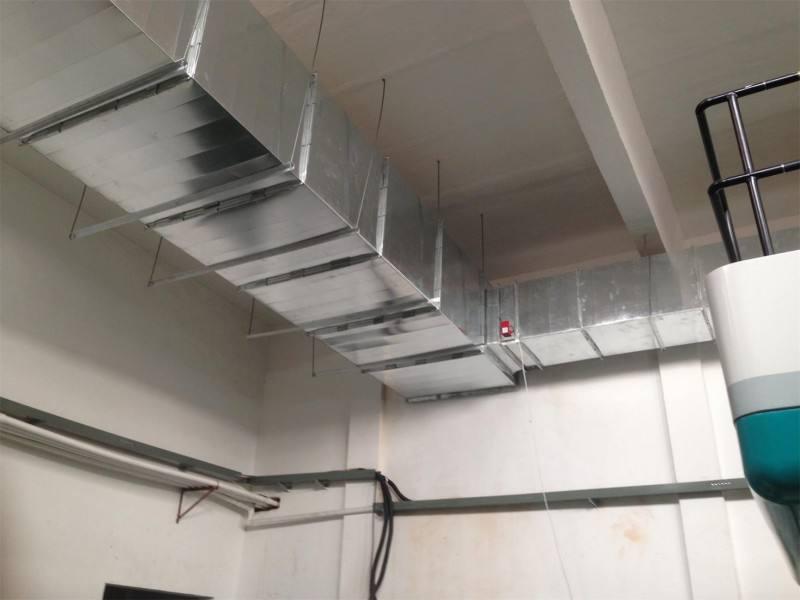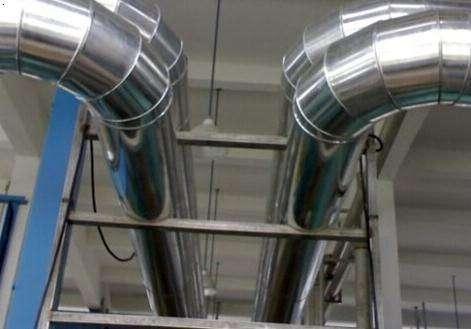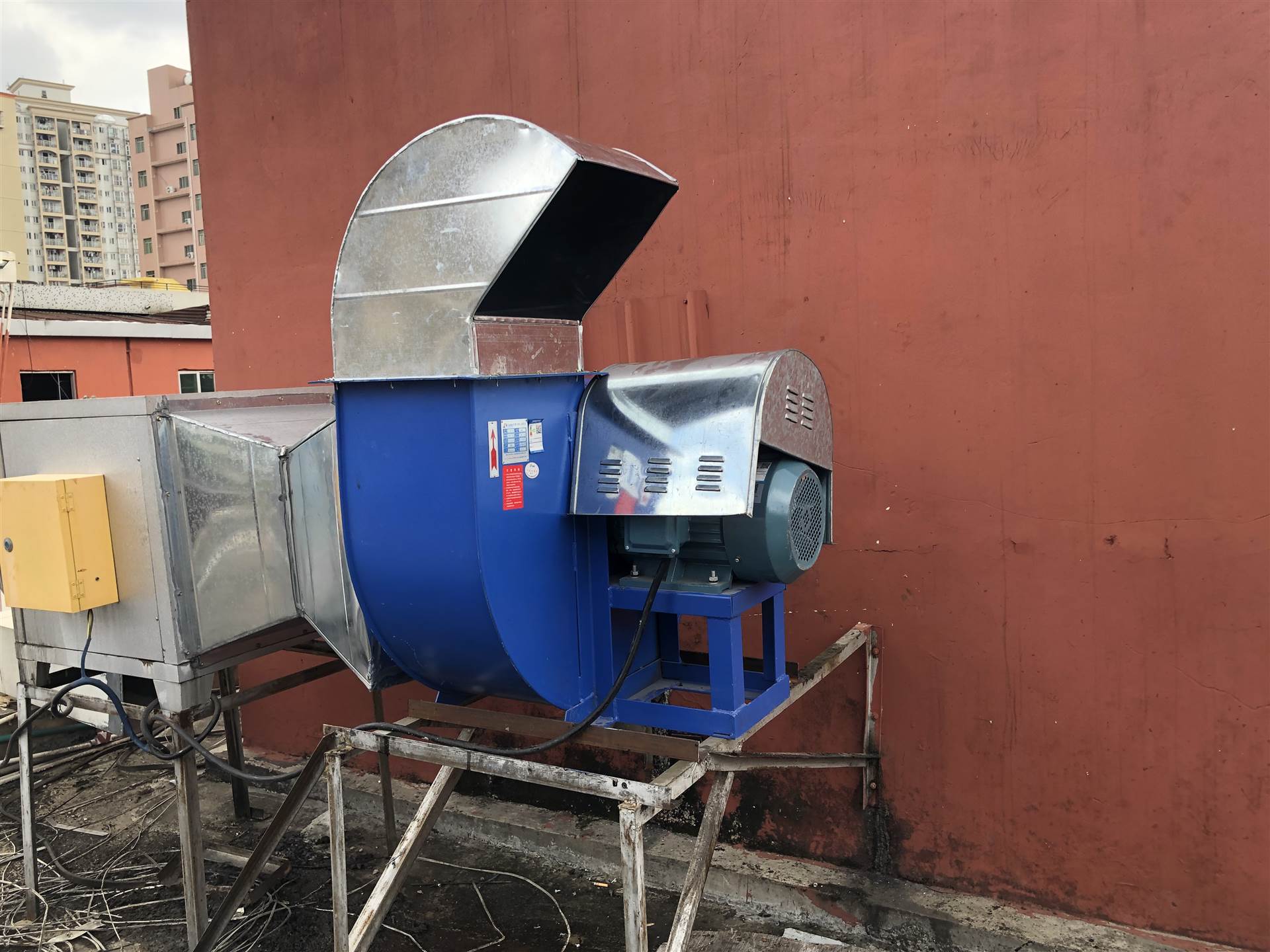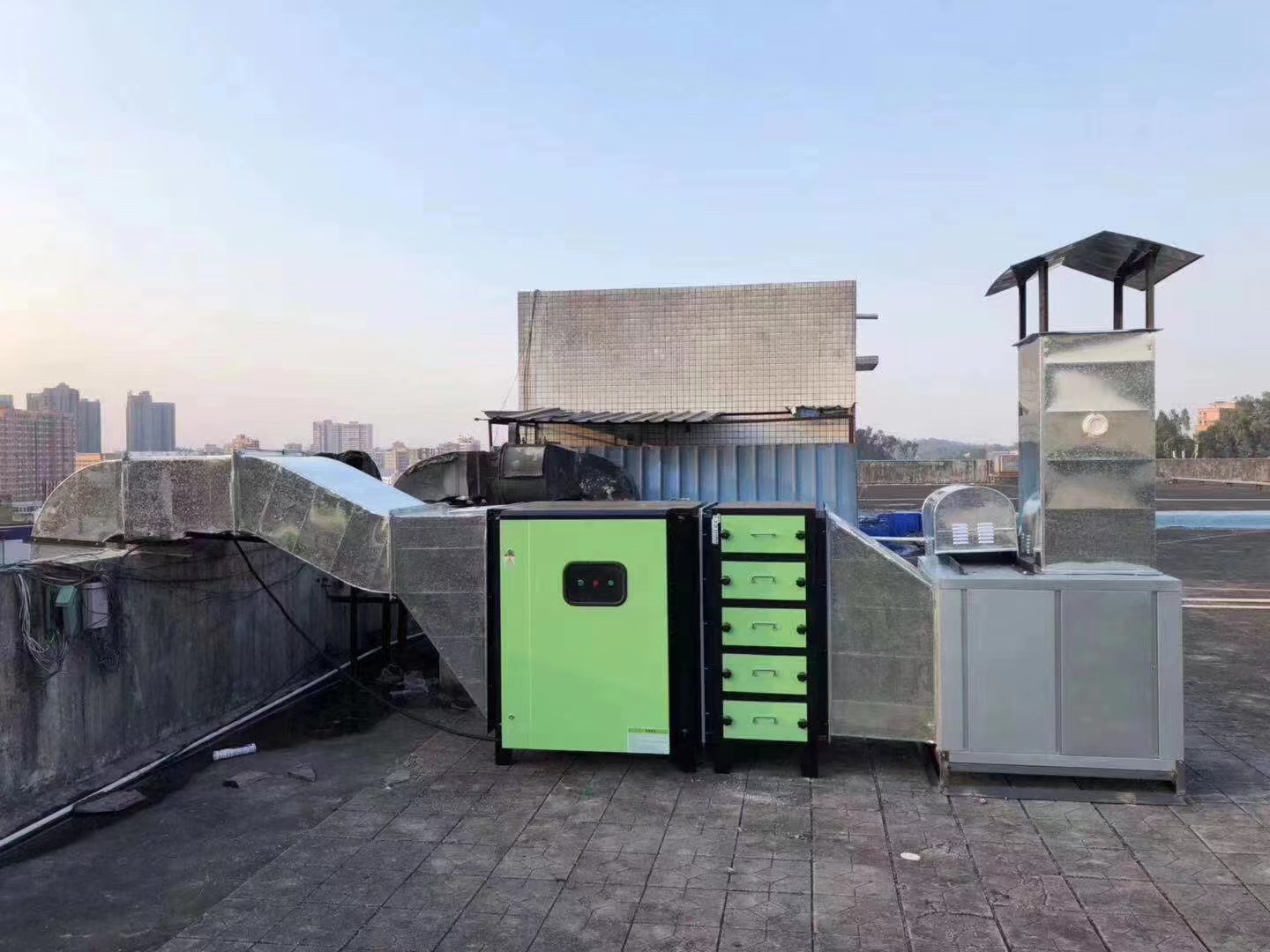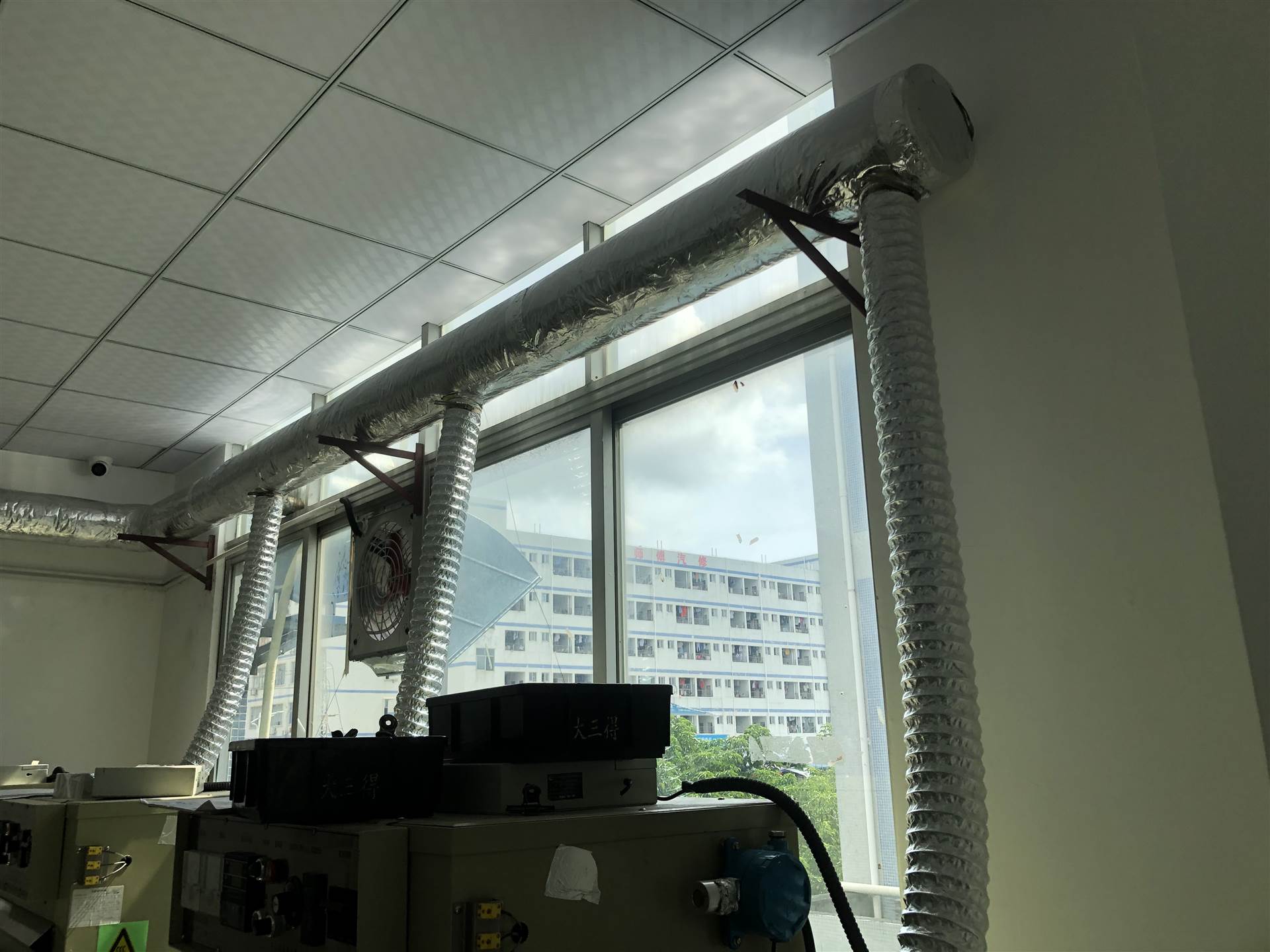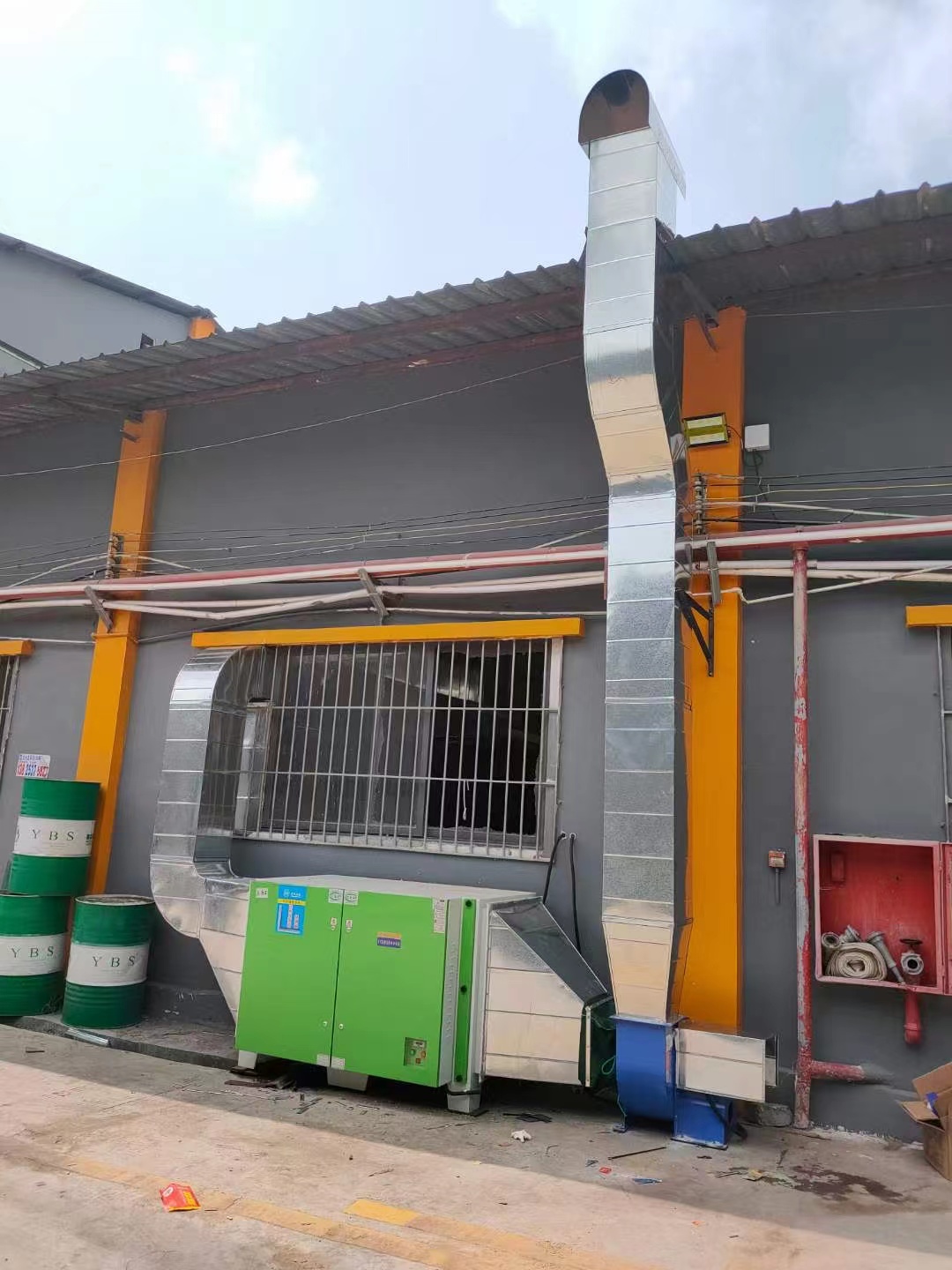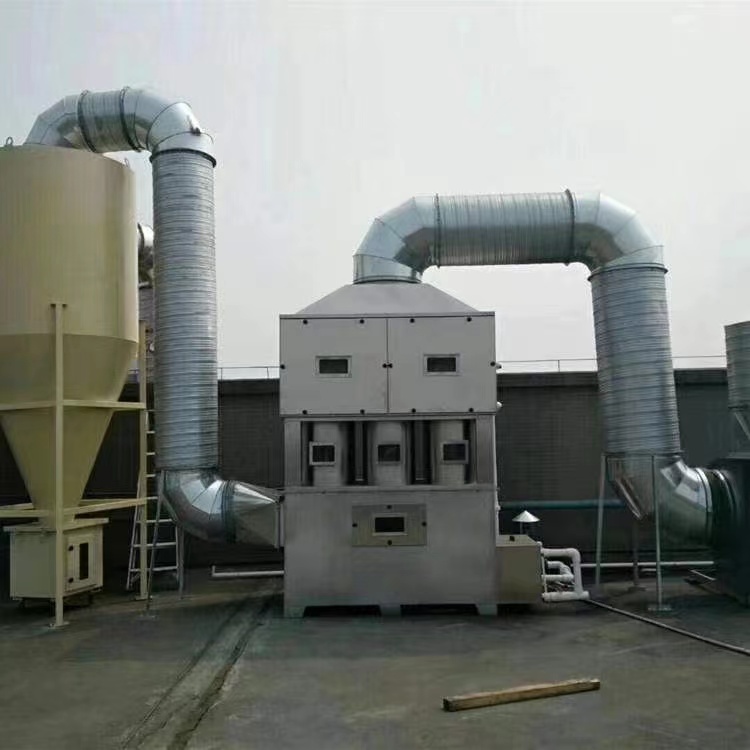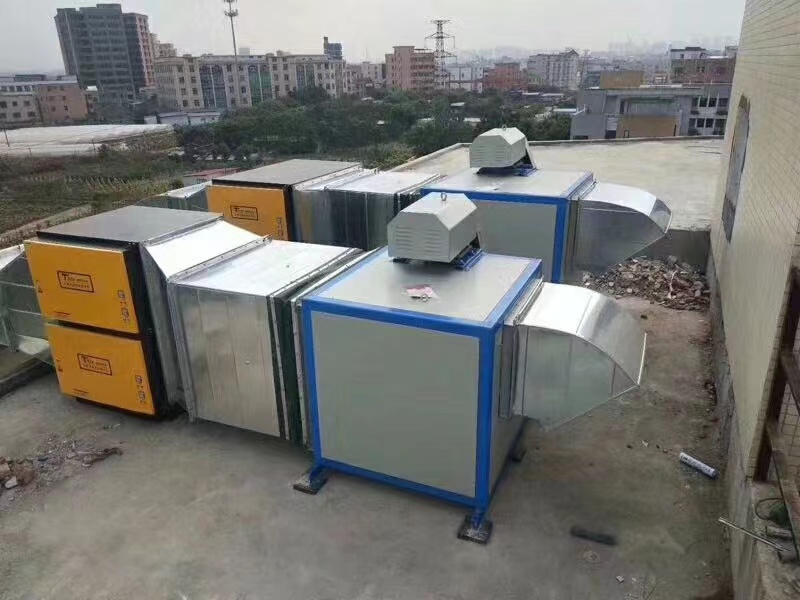
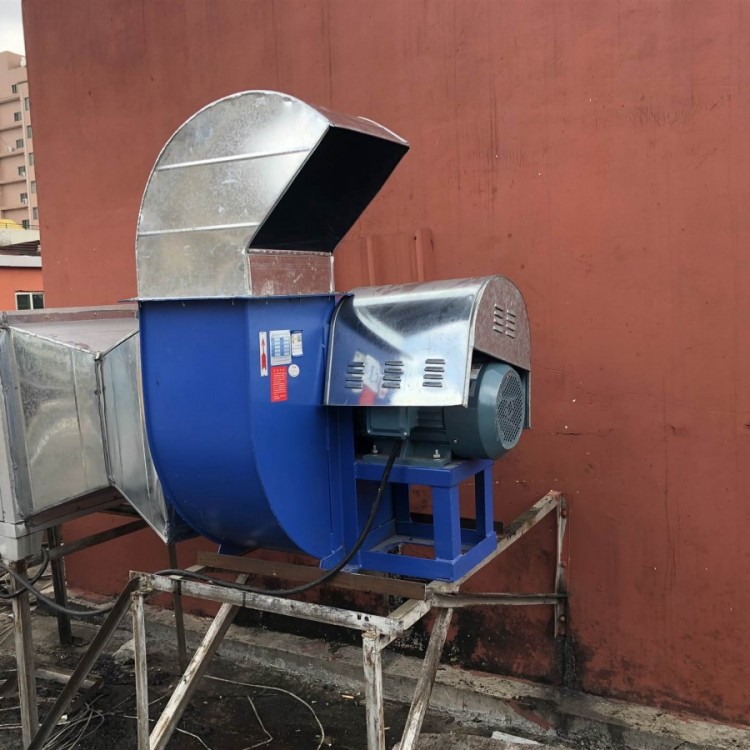
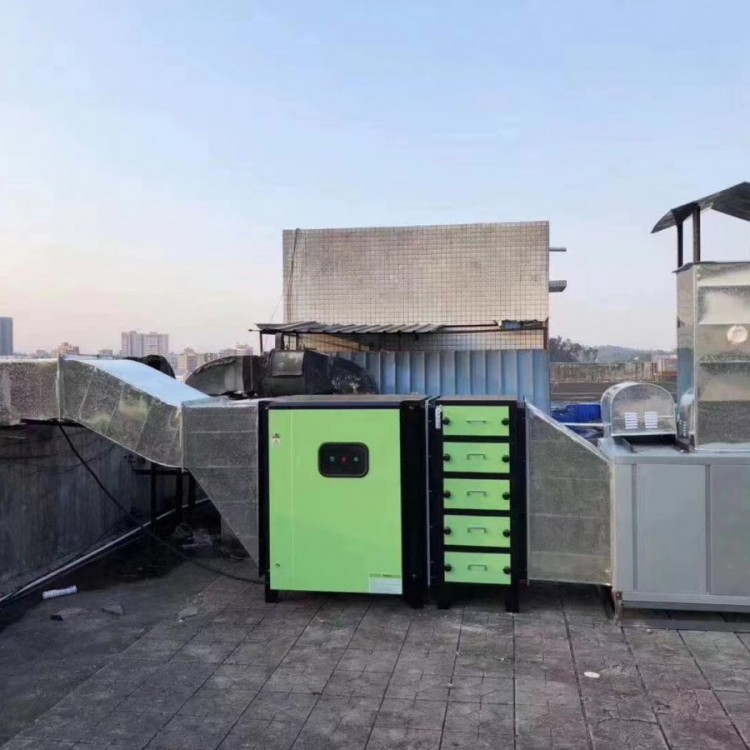







Commercial building fire exhaust pipe installation, fire exhaust pipe processing, fire exhaust pipe installation projects, hotel fire exhaust pipe installation, fire exhaust pipe manufacturers, custom fire exhaust pipes, KTV fire exhaust pipe construction, etc.
Natural Exhaust Ventilation Requirements:
1. The ante room of the smoke-proof staircase, the ante room of the fire elevator, and the area of the opening exterior windows should not be less than 2.00㎡; the shared ante room should not be less than 3.00㎡.
2 The opening area of windows in corridors not exceeding 60 meters in length should not be less than 2% of the corridor area.
In the ante room of a smoke-proof staircase or in a shared ante room, smoke-proofing equipment is not required if natural smoke exhaust is achieved through open balconies, recessed galleries, or operable exterior windows facing different directions within the ante room.
4 The window area for natural exhaust ventilation must meet 2% of the project area. For Liyang City spiral ducts, if the window area does not meet the requirements, it is recommended to add more windows or set up mechanical exhaust ventilation.
5 Increase the number of smoke exhaust windows or install mechanical smoke exhaust if the natural smoke exhaust window is more than 30 meters away from the area requiring smoke exhaust.
Basement layout
The basement layout is a crucial component, often featuring large areas like garages and corridors, usually without a suspended ceiling, with pipelines and terminal equipment directly exposed on the surface. The terminal equipment typically includes a variety of systems such as ventilation and air conditioning, electrical lighting, fire sprinkler systems, water supply and drainage, communication broadcasting, television monitoring, and fire alarm systems. Additionally, the basement structure can vary greatly, such as in the form of strips, arcs, or polygons. During engineering inspections, the installation of spiral ducts is a must-check area in the basement. Its layout becomes a key focus in basement planning, requiring an effective arrangement in the order of trades. The general sequence of consideration is: air (air conditioning and exhaust ducts), water (supply and drainage, fire, and air conditioning water), and electricity (power and low voltage). In many locations where it's feasible to install common supports, after considering the spacing requirements specified by regulations, combined support and suspension brackets can be used. The design of combined support and suspension brackets should take into account load calculations to ensure safety.
Additionally, the colors of paints, insulation materials, fire-resistant coatings, and their coatings should be reasonably matched. The configuration of various pipeline markings will greatly affect the overall appearance. Therefore, a systematic consideration is required; individual actions should not be taken arbitrarily.
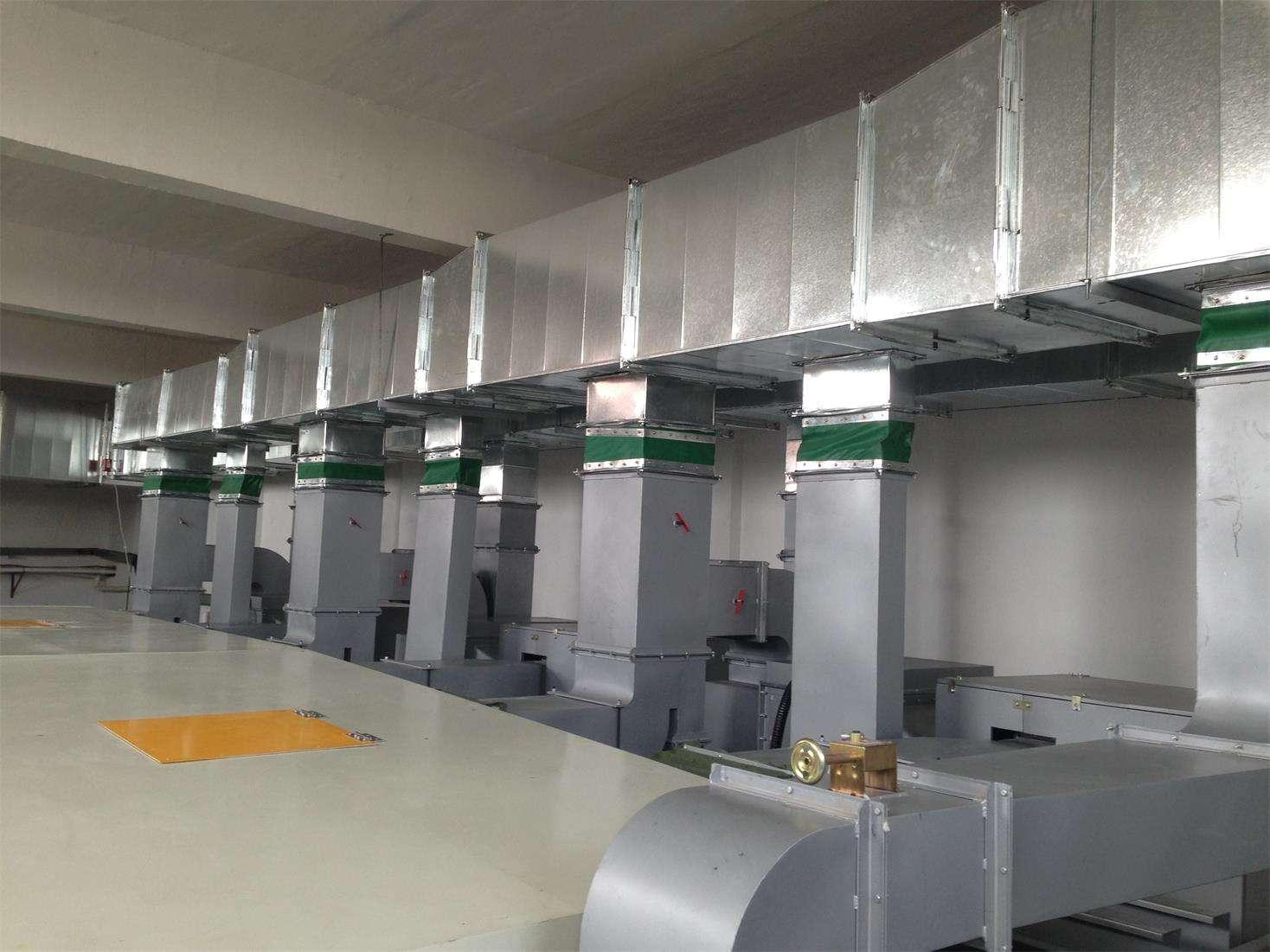
Helical ducts feature the following characteristics:
1. Smooth surface, free of zinc nodules and burrs, with a silvery white appearance.
2. Easy installation, minimal connection points.
3. Low ventilation resistance and noise.
4. Good strength and rigidity.
5. Thickness is fully adjustable, with options ranging from 5 to 107μm.
6. Free from hydrogen embrittlement and temperature damage, ensuring the material's mechanical properties remain unchanged.
7. Can replace some processes requiring hot-dipped galvanizing.
8. Excellent corrosion resistance, neutral salt spray test for 240 hours.
9. Hot-dipped galvanized for durability in environments with strong corrosive factors like various strong acids and alkaline fumes.
10. Custom design and manufacture various sizes of ductwork according to customer requirements.