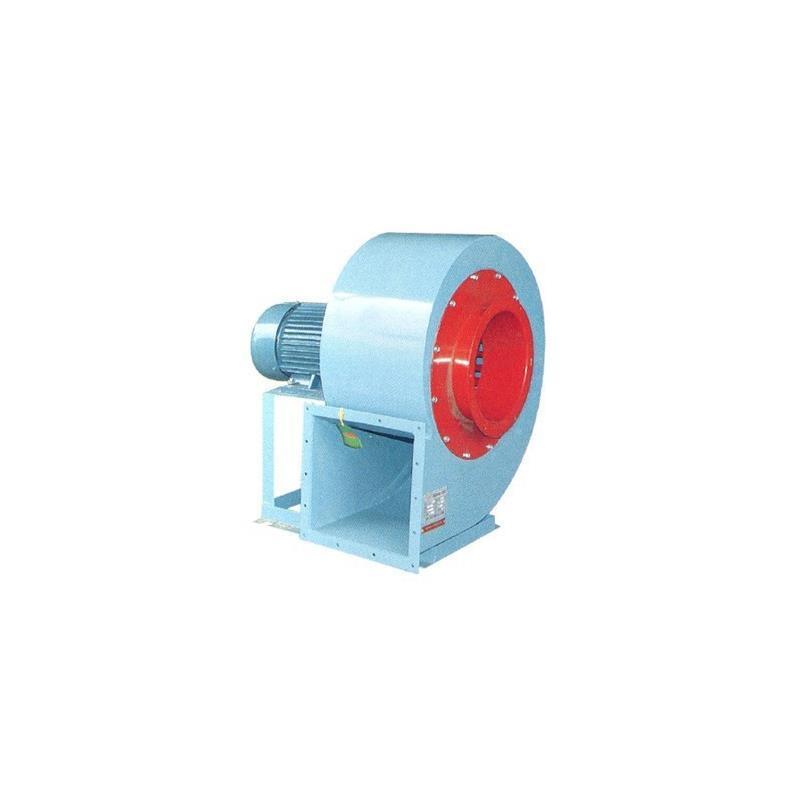









G6-41 Type Centrifugal Blower: This blower is designed for industrial boilers burning various coal qualities with dust and smoke elimination devices, ranging from 0.5 to 10 t/h, and features a full pressure efficiency over 80% with low noise. It is suitable for any application where the intake conditions are equivalent and the performance is compatible. The blower boasts high strength and wear resistance, long service life, and features large air volume, high efficiency, stable operation, and easy installation.
Smoke and exhaust systems are composed of equipment such as air supply and exhaust ducts, shafts, fire dampers, door switching devices, supply and exhaust fans. The smoke control system is set up with positive pressure in stairwells. The exhaust volume of mechanical exhaust systems is directly related to the smoke control zones. Smoke control facilities in high-rise buildings should be divided into smoke control facilities for mechanical pressure ventilation and natural exhaust facilities through operable exterior windows. Local terminal demand for ventilation equipment manufacturers is increasing, but it's difficult to initiate in a timely manner.
The price of ventilation equipment in the United States has slightly increased under a series of favorable messages, allowing the use of Grade I forgings for manufacturing.
The smoke and exhaust system is a general term for both smoke control and exhaust systems. The ventilation equipment with straight-buried pipes, polyurethane straight-buried pipes, also known as "pipe-in-pipe," consists of a two-step method and there are many variations. Moreover, for a company, a smoke control system that does not require an auxiliary pipe trench can adopt mechanical pressure ventilation or natural ventilation methods to prevent smoke from entering the evacuation routes; the exhaust system uses mechanical exhaust or natural ventilation to expel smoke outside the building.
Mechanical smoke and exhaust system
Fire and Smoke Exhaust System
Mechanical smoke and exhaust systems are composed of equipment such as air supply and exhaust ducts, shafts, fire dampers, door control devices, supply and exhaust fans. The smoke control system is set to positive pressure in stairwells. The exhaust volume of the mechanical smoke extraction system is directly related to the smoke control zones.
Fittings to include: elbows, tees, crosses, fixed supports, sliding (guide) supports, compensators, drain traps, water-tight end caps, etc. Pipe fittings are produced in accordance with CJ/T manufacturing standards.
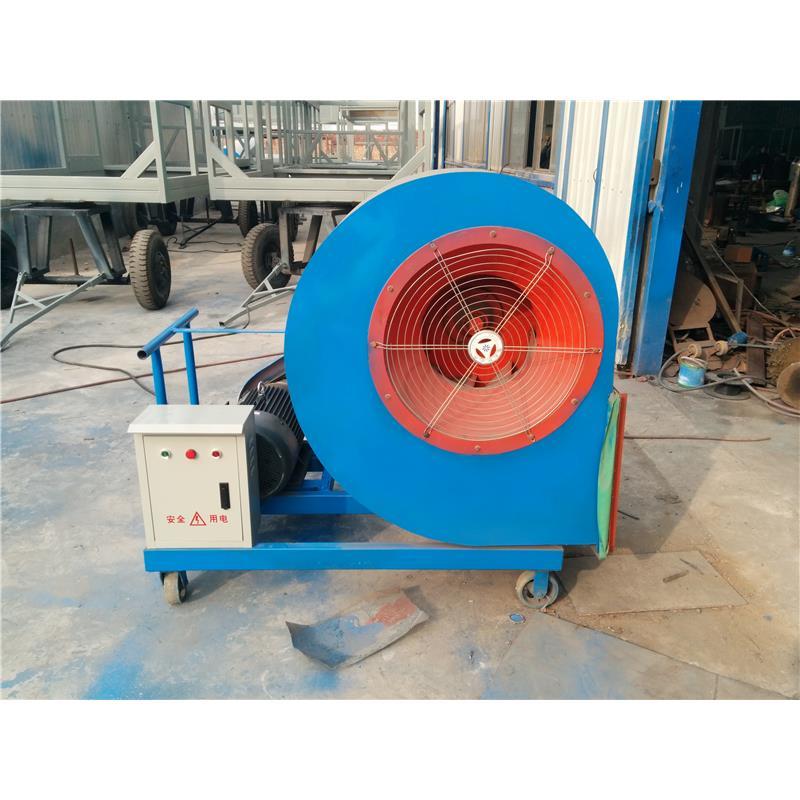
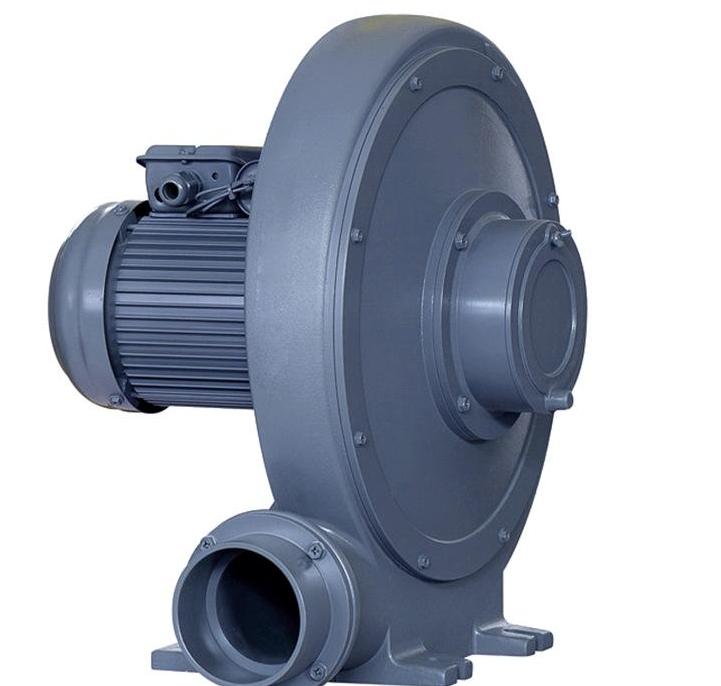
Centrifugal fans alter the flow direction of the medium inside the duct, whereas axial fans do not. An axial fan is characterized by the wind flow being parallel to the shaft (e.g., smoke exhaust fans for fire protection). Conversely, it is a centrifugal fan. The main difference between centrifugal and axial fans is that centrifugal fans change the flow direction of the medium inside the duct, while axial fans do not. An axial fan is named as such because the wind flow is parallel to the shaft (e.g., smoke exhaust fans for fire protection). The other type is a centrifugal fan. The installation of the former is more complex. The fundamental difference between axial fans and cabinet centrifugal fans lies in the mechanical structure of the fan. The former typically connects the motor to the fan via a belt-driven pulley, while the latter usually has the motor inside the fan. The former is commonly installed at the inlet and outlet of air conditioning units, boiler blowing and induced draft fans, and so on.
The latter is commonly installed in ducts or at the front end of duct outlets. Compared to axial flow fans, the main drawback of centrifugal fans is their larger size. Due to the different construction of the two, under the same air volume and pressure conditions, centrifugal fans consume significantly more electricity than axial flow fans, although they produce less noise. Therefore, axial flow fans are more often used in fire protection and ventilation applications, while centrifugal fans are generally preferred for regular use. In high-end buildings like hotels, there is often a preference for centrifugal fans.
Axial flow fans should be kept clean and tidy in their operating environment. The fan surface must be kept clean, and there should be no debris in the inlets and outlets. Dust and debris inside the fan and pipes should be removed regularly. The fan can only be operated when it is fully on the correct position. Meanwhile, ensure that the power supply facilities have sufficient capacity and stable voltage, and strictly prohibit phase loss operation. The power supply lines must be dedicated lines and should not be powered by temporary lines for extended periods. If abnormal sounds, severe overheating of the motor, electrified housing, circuit breaker tripping, or inability to start are observed during the operation of explosion-proof axial flow fans, the machine should be immediately shut down for inspection.
For safety reasons, maintenance is not permitted while the fan is in operation. After maintenance, a trial run of about five minutes should be conducted to confirm there are no abnormal phenomena before restarting. Depending on the operating environment, lubricating oil should be replenished or replaced at irregular intervals (for enclosed bearings in motors, lubricating oil does not need to be changed during the service life). To ensure good lubrication during the fan's operation, oiling should be done no less than once per hour. Fill the inner and outer rings of the bearings with ZL-3 lithium-based lubricating grease for both enclosed and motor bearings. Operation with insufficient oil is strictly prohibited. Explosion-proof axial fans should be stored in a dry environment to prevent the motor from getting damp. When stored outdoors, measures to prevent rain should be in place. During storage and handling, prevent the fan from being bumped to avoid damage.