







Negative pressure is generated within the motor cavity, forcing external air to pass through a wet curtain evaporator, thereby lowering the air temperature and transforming it into fresh cool air that is blown out through the air conditioner's outlet, achieving a cooling temperature difference of 4-10℃ from the external environment. To make it easier to understand, let me give you a simple example: When we come out of a river after swimming, our bodies are covered in water droplets. Even a gentle breeze can make us feel unusually cool and comfortable. This is a simple example of water evaporation absorbing heat.


Environmental Air Conditioning Advantages: Low investment: Compared to installing central air conditioning under the same conditions, the total investment for central air conditioning is 5 times that of environmental air conditioning, and the maintenance costs are also very high. Low electricity consumption: Compared to installing central air conditioning under the same conditions, the electricity consumption of central air conditioning is 8-10 times that of environmental air conditioning, requiring only 1 kWh per hour. High quality: From material selection to production, from hardware to control system, strict quality control is maintained, ensuring very stable product performance!

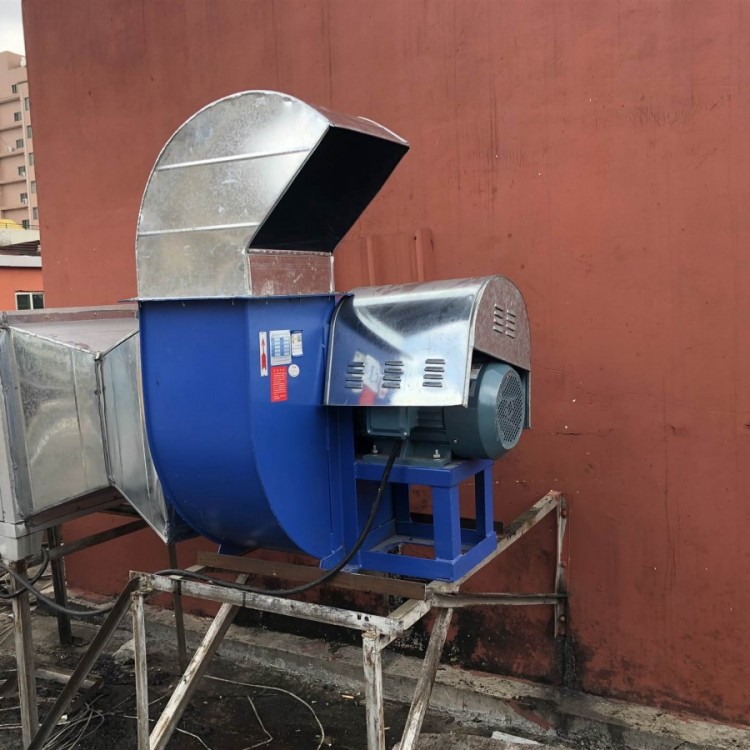
Eco-friendly air conditioners not only provide cool air but also circulate indoor air. Pollutant gases and odors, as well as heat, produced during the production process in some industrial factories can be harmful to human health. The eco-friendly air conditioner's cooling fan can expel these harmful air particles, then intake fresh outdoor air that has been cooled.