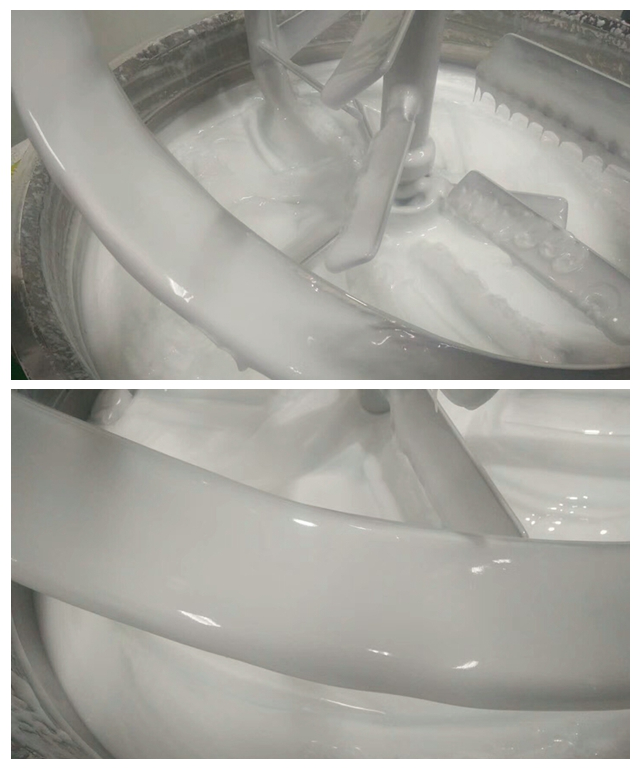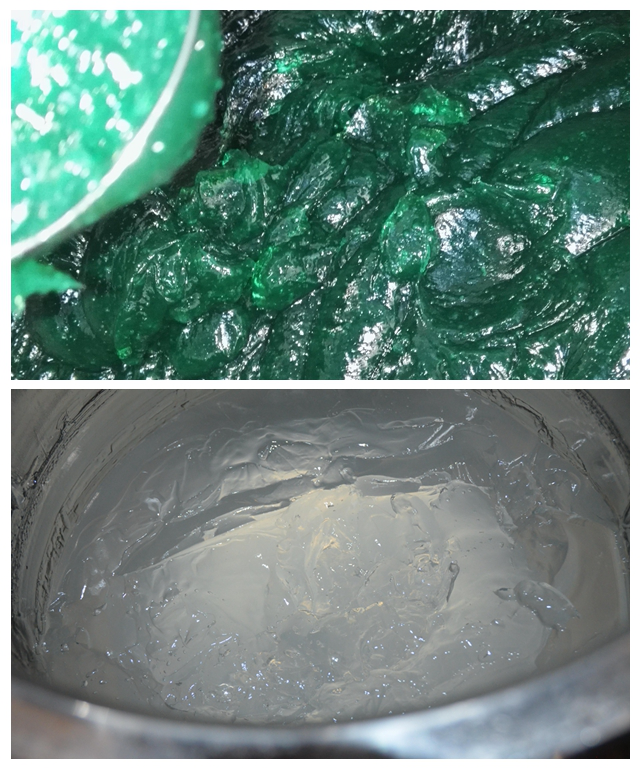







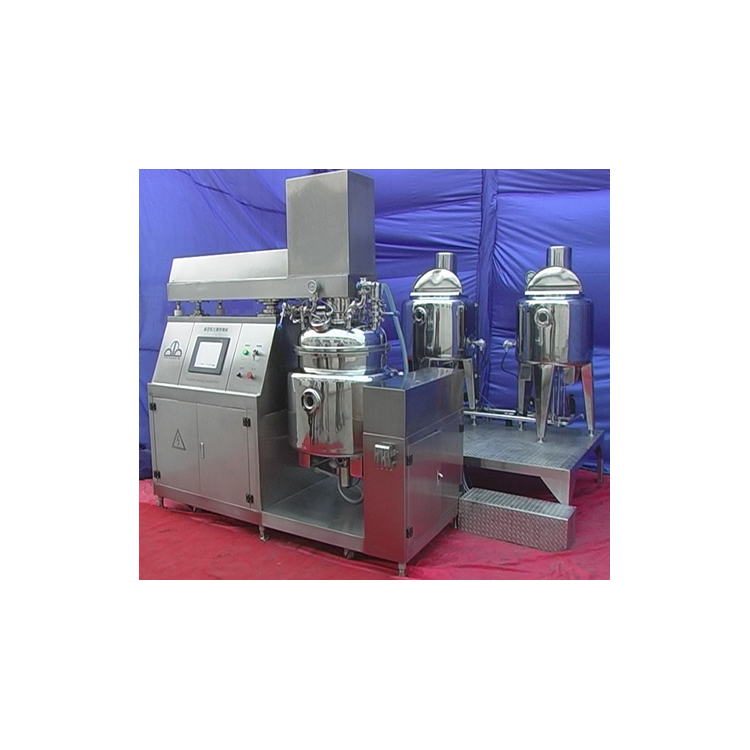
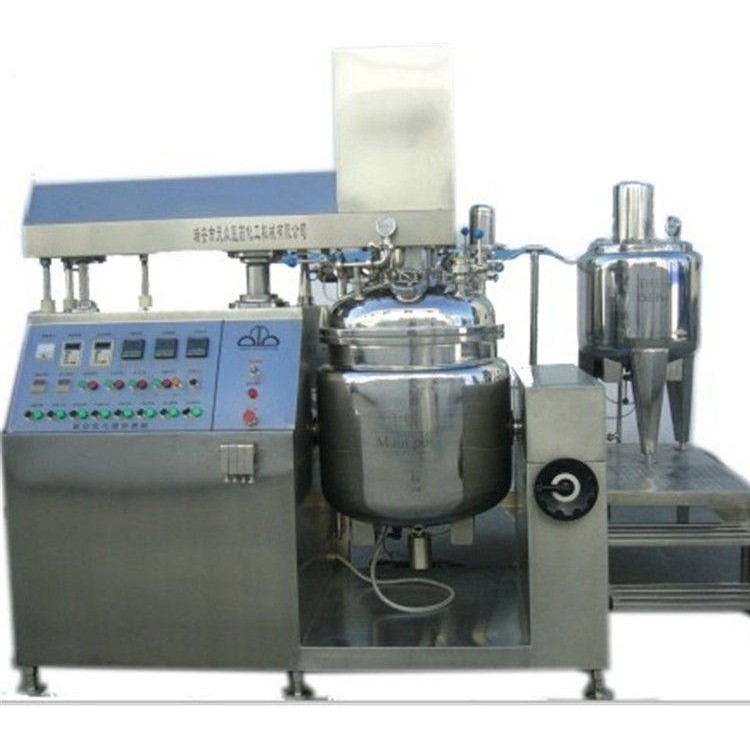
Application:
The applications of the emulsifying machine are extremely wide-ranging, including food,Adhesives, paints, plastic resins, dyeing, inks, asphalt, and other industries have extensive applications.
Laundry Detergent, Concentrated Laundry Detergent, Liquid CleanserPlease wait.
Biological: Coated sugar, protein dispersants, etc.
Fine Chemicals: Plastic, filler, adhesive, resin, silicone oil, sealant, slurry, surfactant, carbon black, defoamer, brightener, leather auxiliary, coagulant, etc.
Petroleum & Chemicals: Heavy oil emulsification, diesel emulsification, lubricating oil, etc.
Paints and Inks: Latex Paint, Interior and Exterior Wall Coatings, Water-Based and Oil-Based Coatings, Nano Coatings, Paint Additives, Printing Inks, Printing Ink, Textile Dyes, Pigments, etc.
Food Industry: Chocolate Coatings, Fruit Purees, Mustard, Crumbs, Salad Dressings, Soft Drinks, Mango Juice, Tomato Paste, Sugar Solutions, Food Flavors, Additives, etc.
Nano Materials: Nano calcium carbonate, nano coatings, various nano material additives, etc.
Road Asphalt: Ordinary Asphalt, Modified Asphalt, Emulsified Asphalt, Modified Emulsified Asphalt, etc.
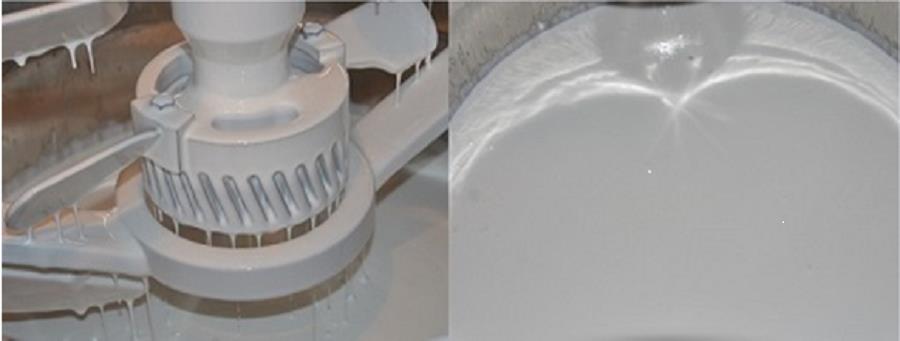

Structure:
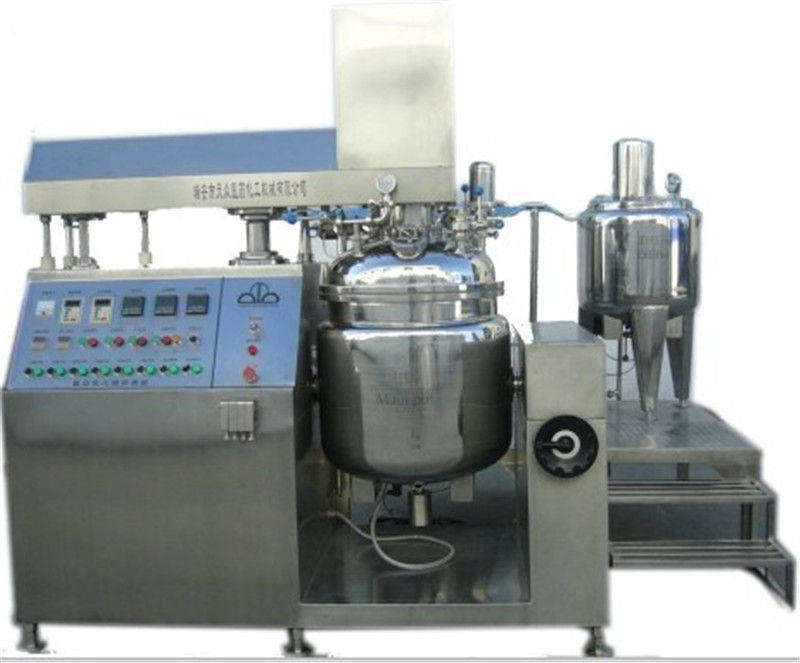
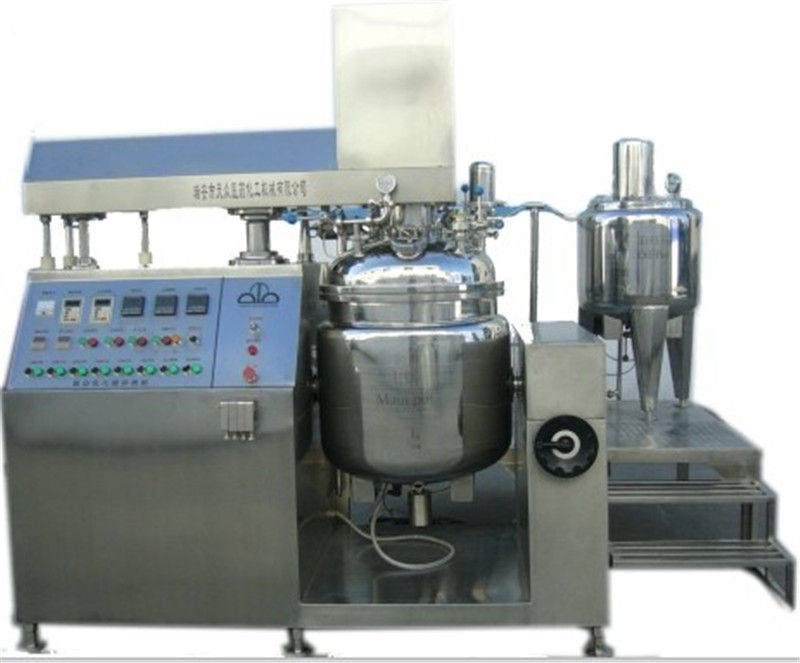
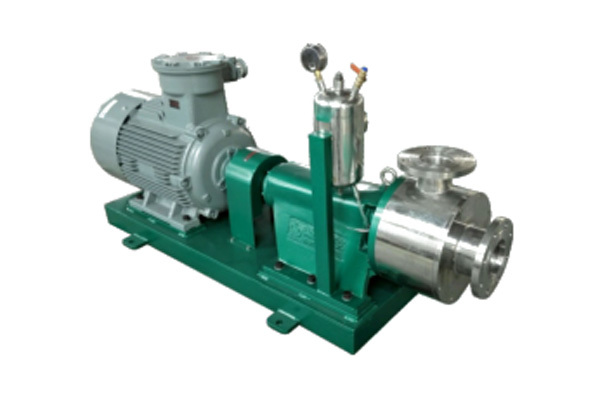
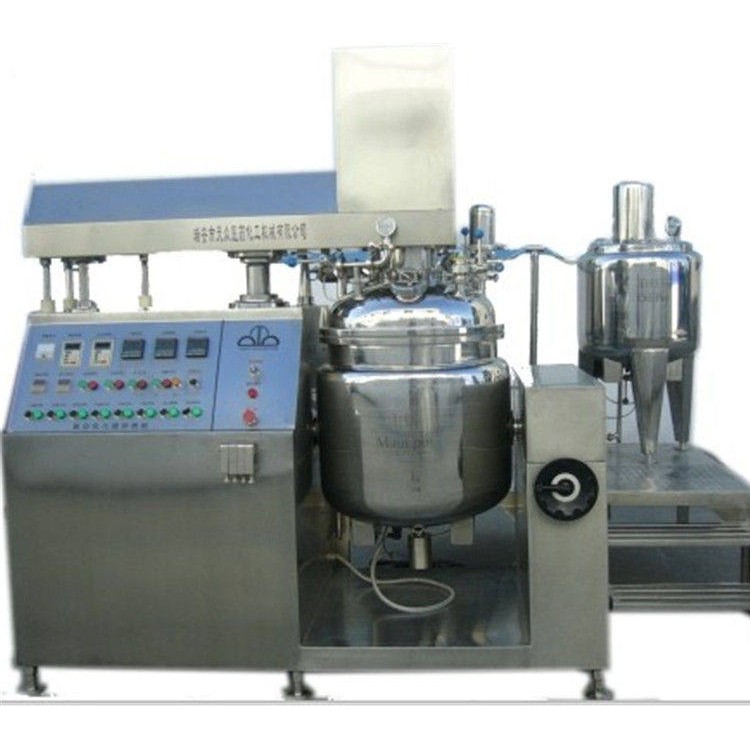
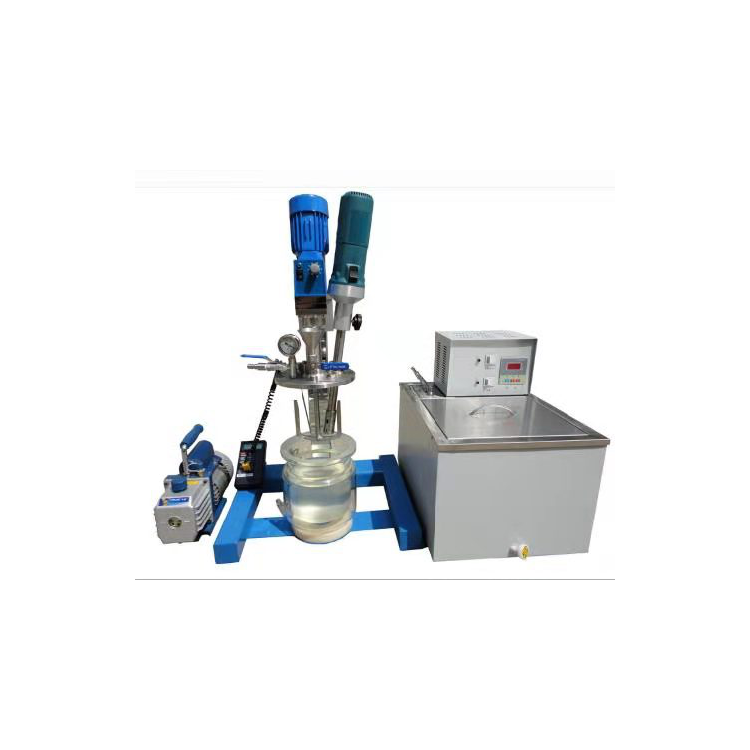
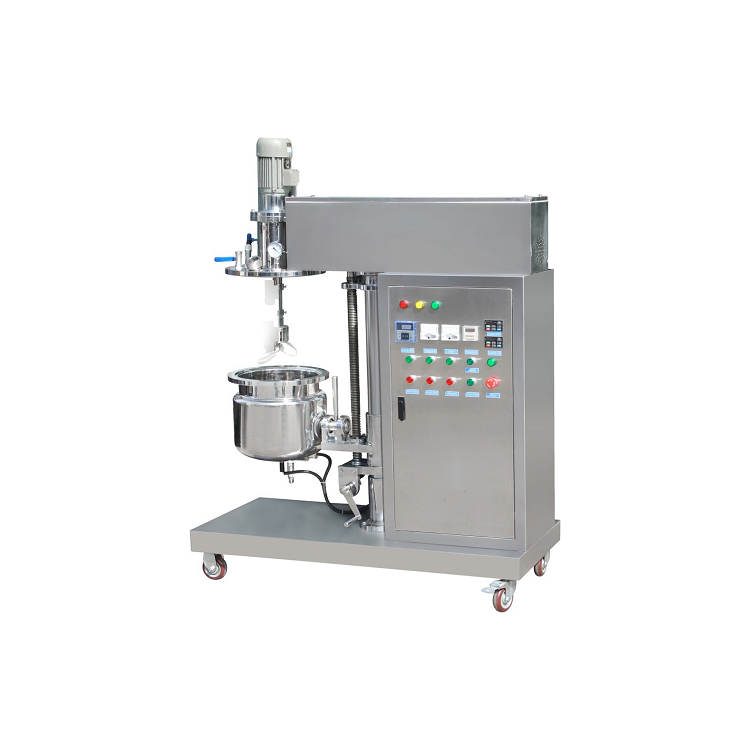
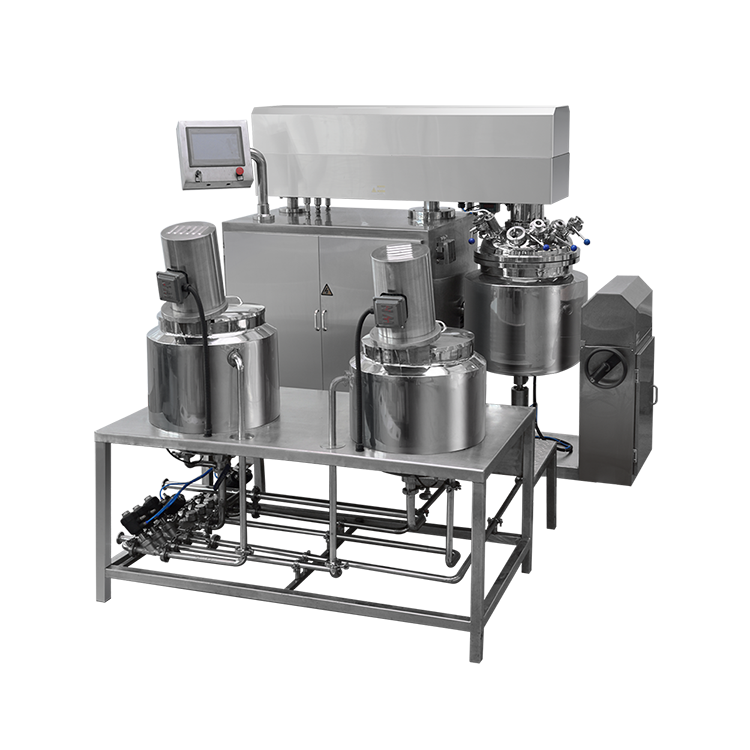
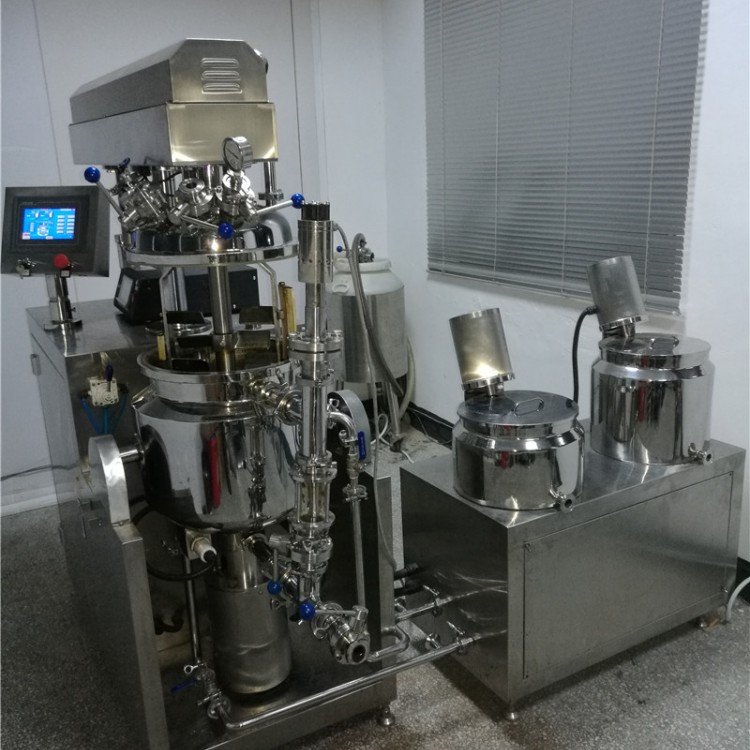
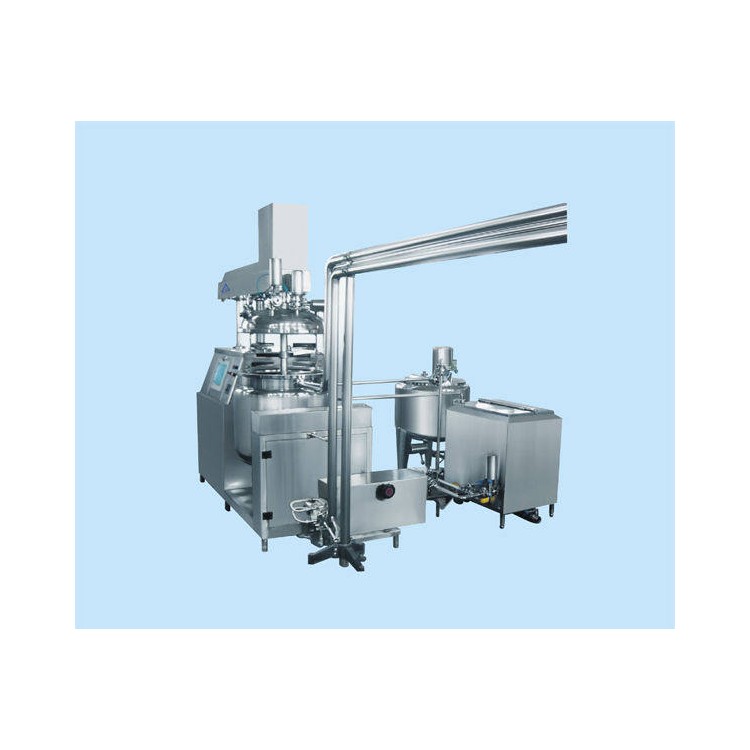
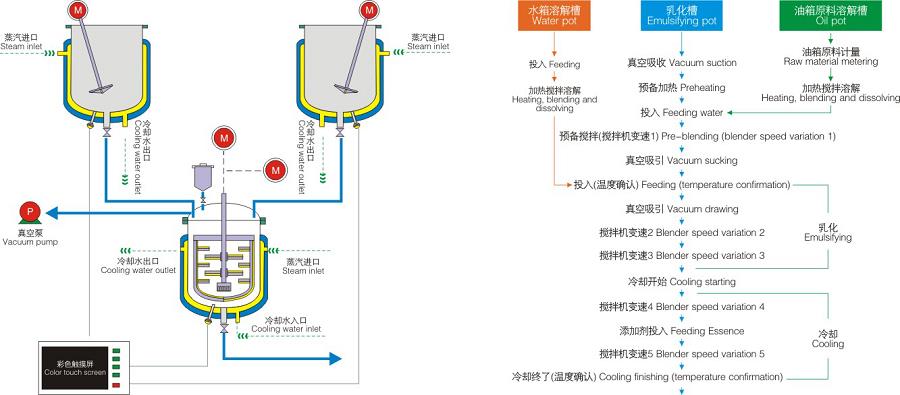
The homogenizer includes the main pot, water pot, vacuum system, lifting system, temperature system, control system, etc.
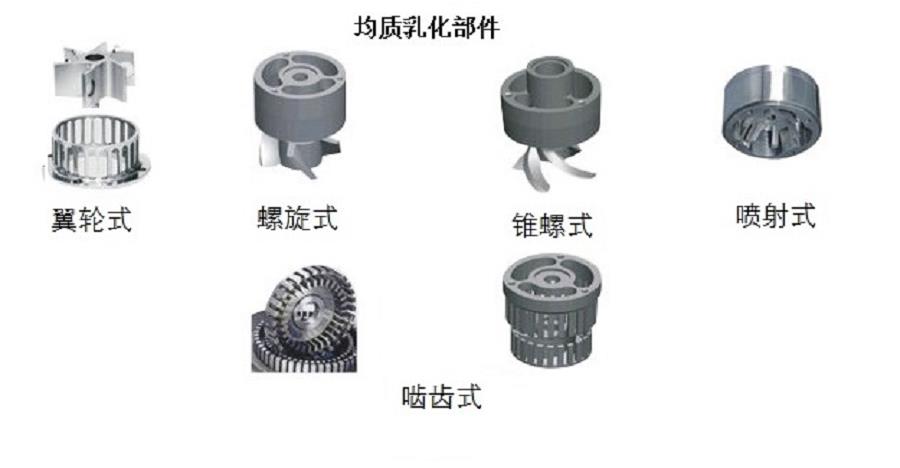
Principle:
Place the water-soluble materials in a pot of water, then heat and mix.
Two: Place the oil-soluble ingredients into the oil pot, heat and mix them together, then transfer the two ingredients into the main pot, and homogenize the two materials using a homogenizer.
Features:
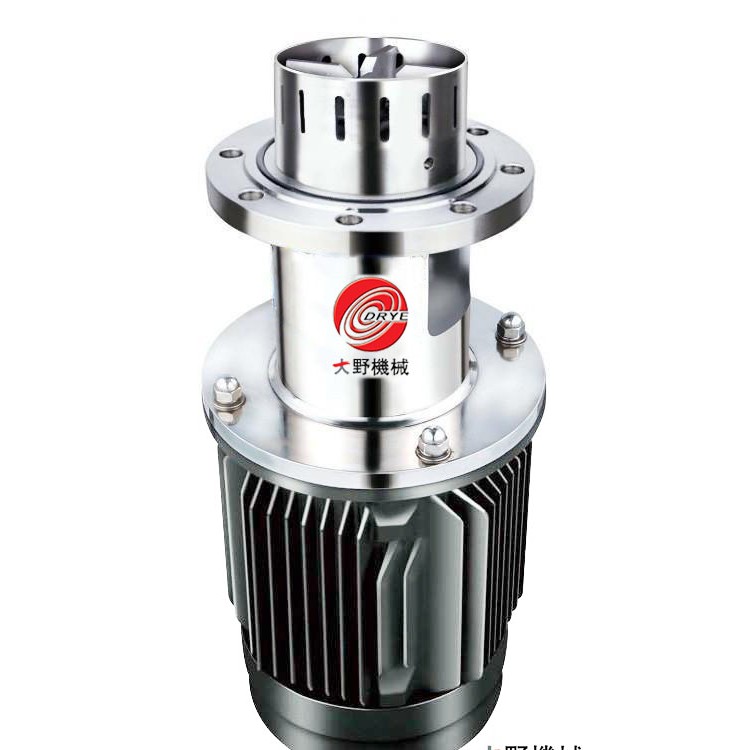
1. The new emulsifying machine can be customized with emulsifying heads based on the particle size of the customer's product.
2. We can produce nanoparticles or microparticles, with the size determined by the customer.
The perfect choice for stable homogeneous emulsions and suspensions.
4. Dispersed heads can be freely assembled, modular, and easy to maintain.
5. Achieve a concentrated particle size distribution with just one processing step
6. Variable Speed Drive (VFD)
All contact material is made of SS316.
8. Meets CIP/SIP cleanliness standards, suitable for food production
Parameters:
Model | Volume | Emulsifying Power | Agitator Power | Equipment dimensions | |||||
Kw | r/min | Kw | r/min | L | W | H | M H | ||
CBZRJ-30 | 30L | 1.5 | 0-3500 | 0.75 | 0-70 | 1500 | 800 | 1500 | 2050 |
CBZRJ-50 | 50L | 3 | 0-3500 | 0.75 | 0-70 | 2750 | 2100 | 1900 | 2600 |
CBZRJ-100 | 100L | 3 | 0-3500 | 1.5 | 0-70 | 2800 | 2150 | 2100 | 2800 |
CBZRJ-150 | 150L | 4 | 0-3500 | 1.5 | 0-70 | 2850 | 2150 | 2150 | 2900 |
CBZRJ-200 | 200L | 4 | 0-3500 | 1.5 | 0-70 | 3000 | 2200 | 2200 | 3100 |
CBZRJ-350 | 350L | 5.5 | 0-3500 | 2.2 | 0-70 | 3650 | 2650 | 2550 | 3600 |
CBZRJ-500 | 500L | 7.5 | 0-3500 | 2.2 | 0-50 | 3800 | 2800 | 2700 | 3950 |
CBZRJ-750 | 750L | 11 | 0-3500 | 3.7 | 0-50 | 3900 | 3900 | 2900 | 4400 |
CBZRJ-1000 | 1000L | 11 | 0-3500 | 3.7 | 0-50 | 3900 | 3400 | 3150 | 4550 |
CBZRJ-2000 | 2000L | 22 | 0-3500 | 7.5 | 0-50 | 4850 | 4300 | 3600 | |
Ordering Information:
What materials do you produce?
How many kilograms of material will be produced in a batch?
What is the heating method? Steam heating or electric heating?
Do you require an automatic or button control?
Do you need an oil-water pot?
What are the dimensions of your workshop, and what about the door size?
What is the material of the contacting material, 316 stainless steel or 304?
Do you need a vacuum system? Temperature control system? Cooling system?