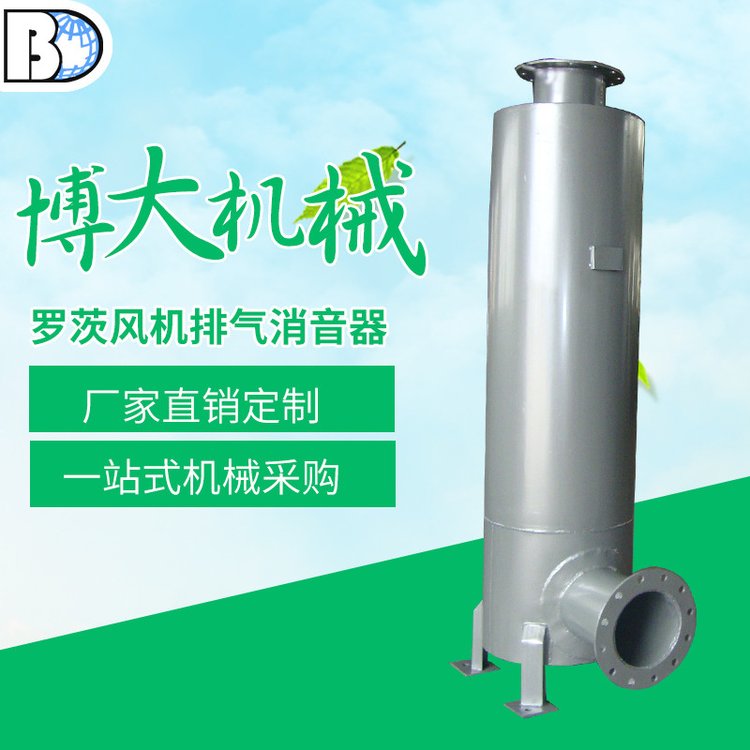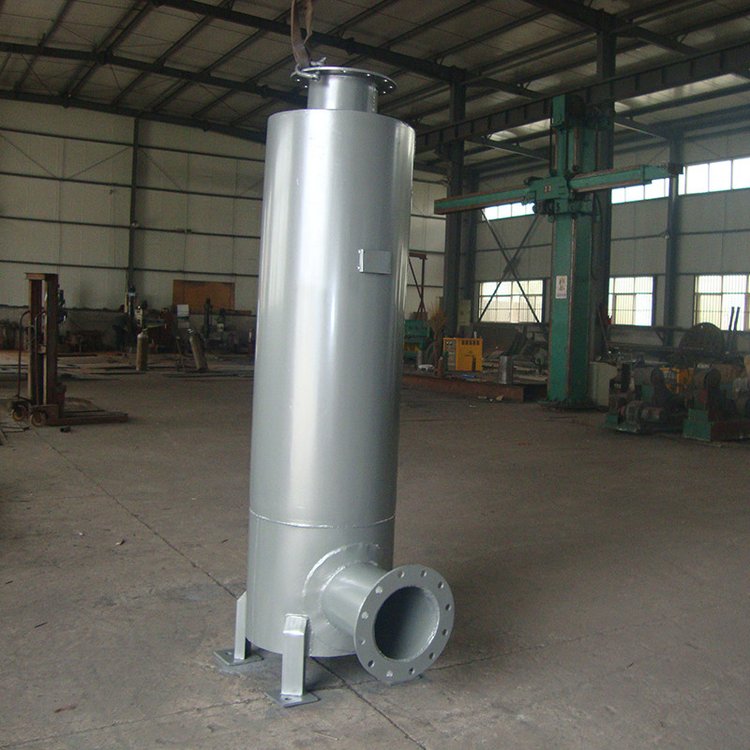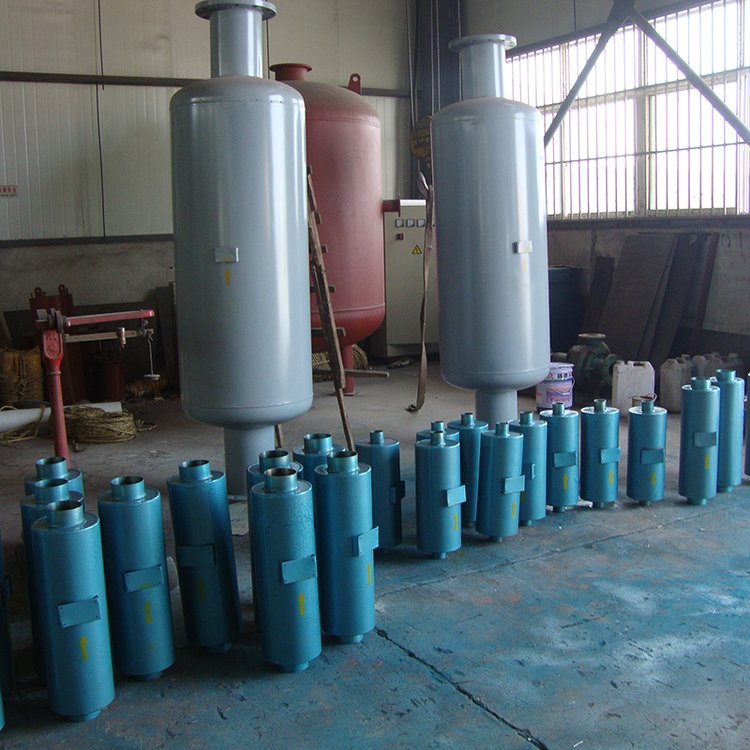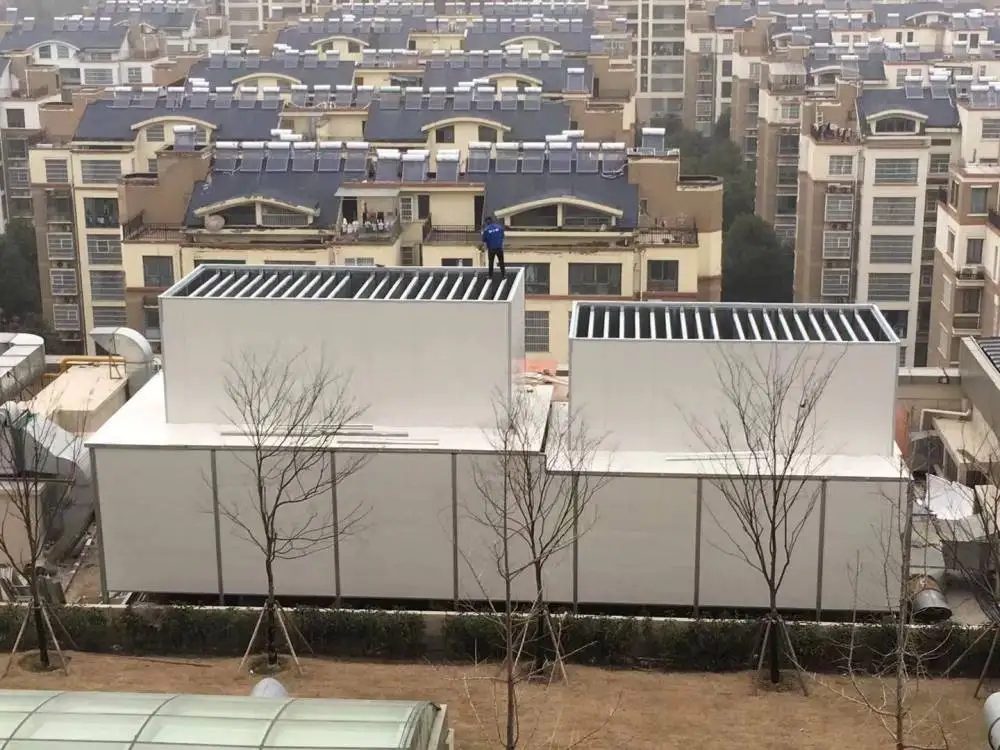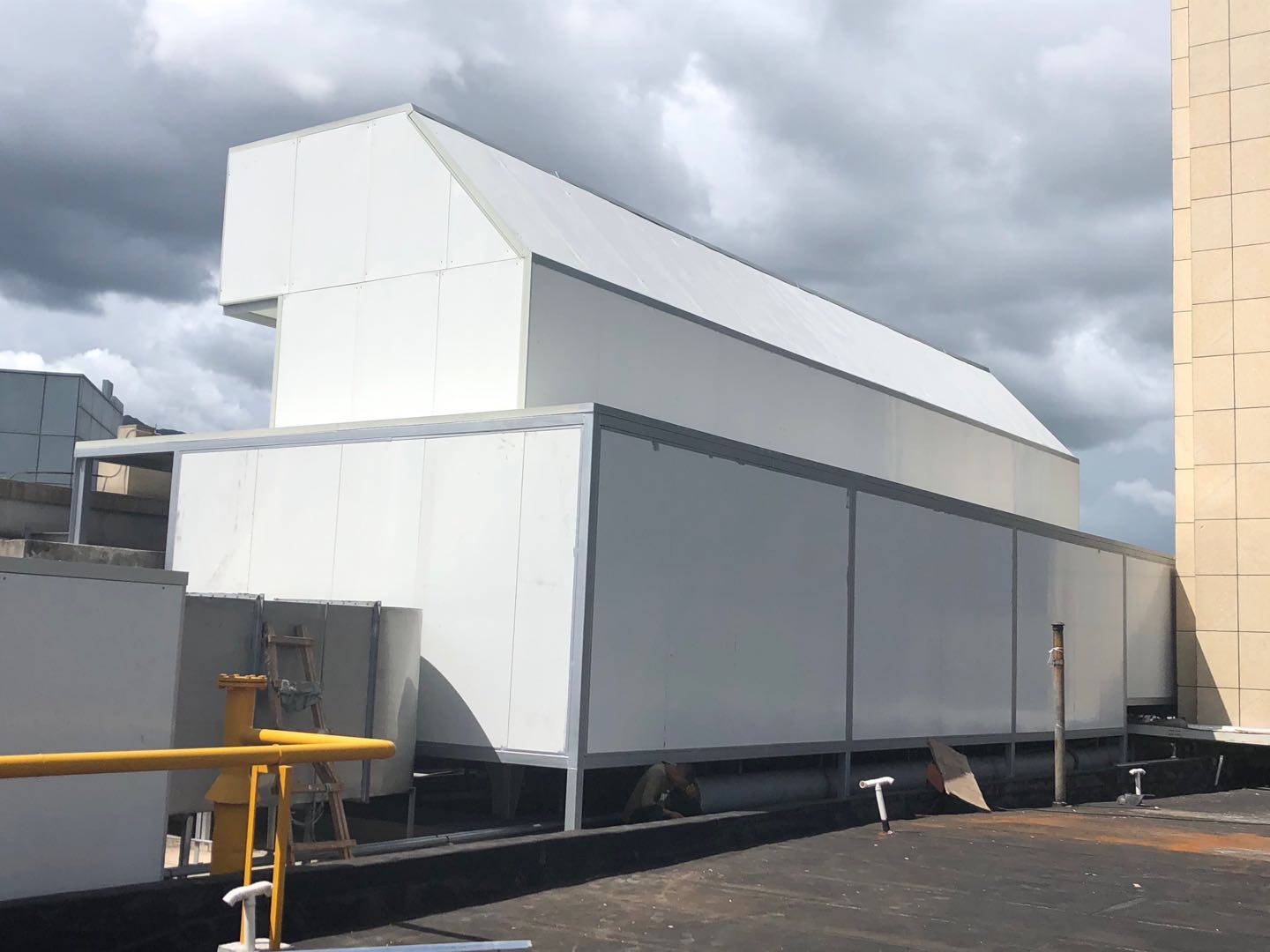

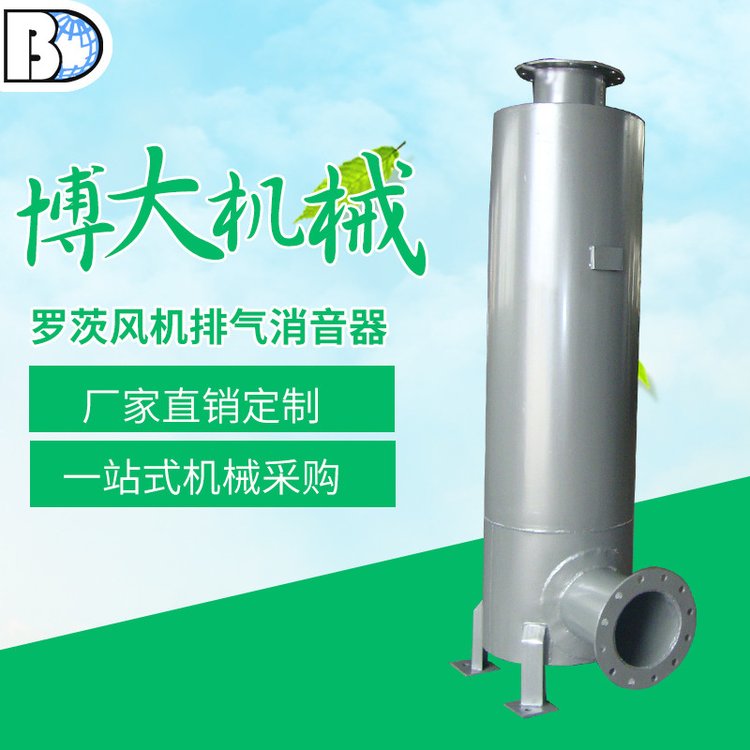


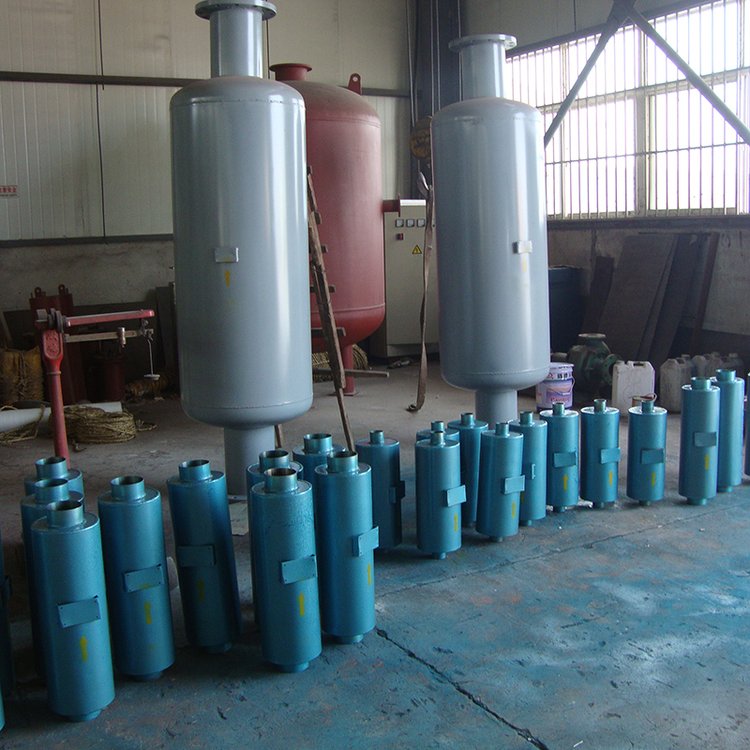



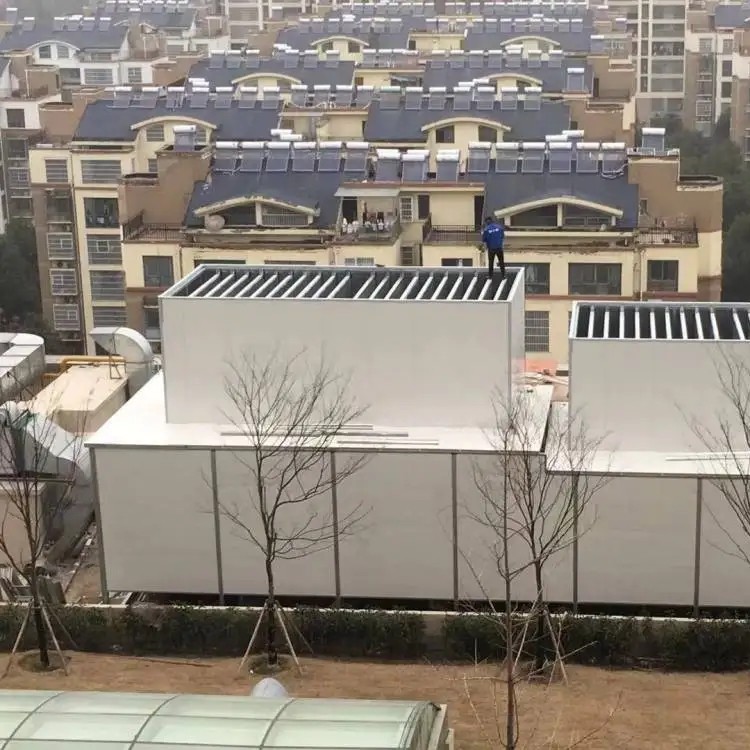
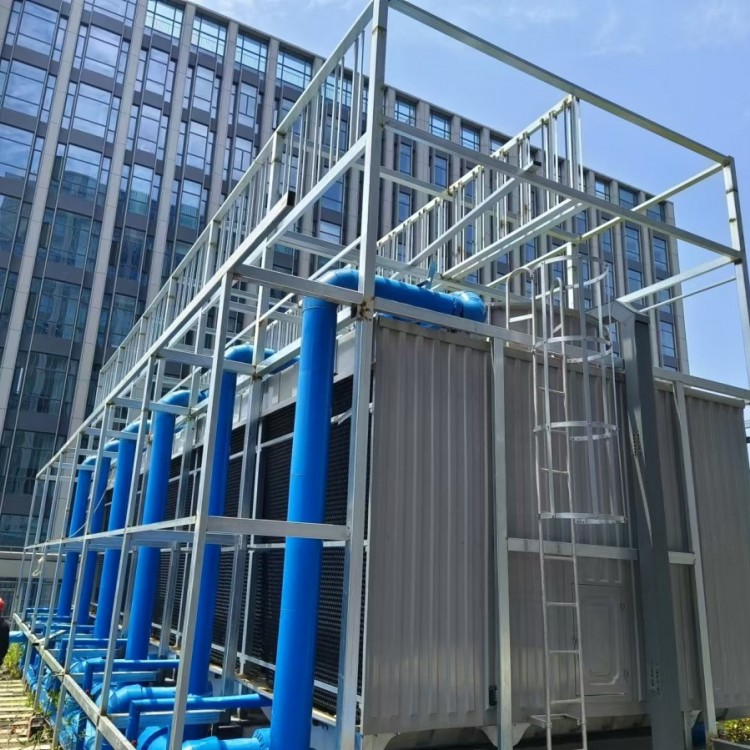





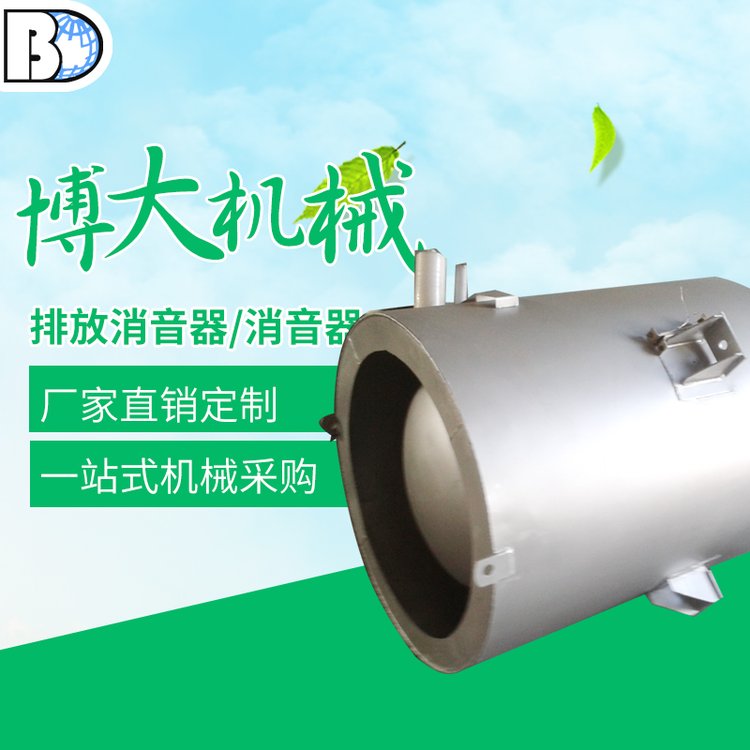
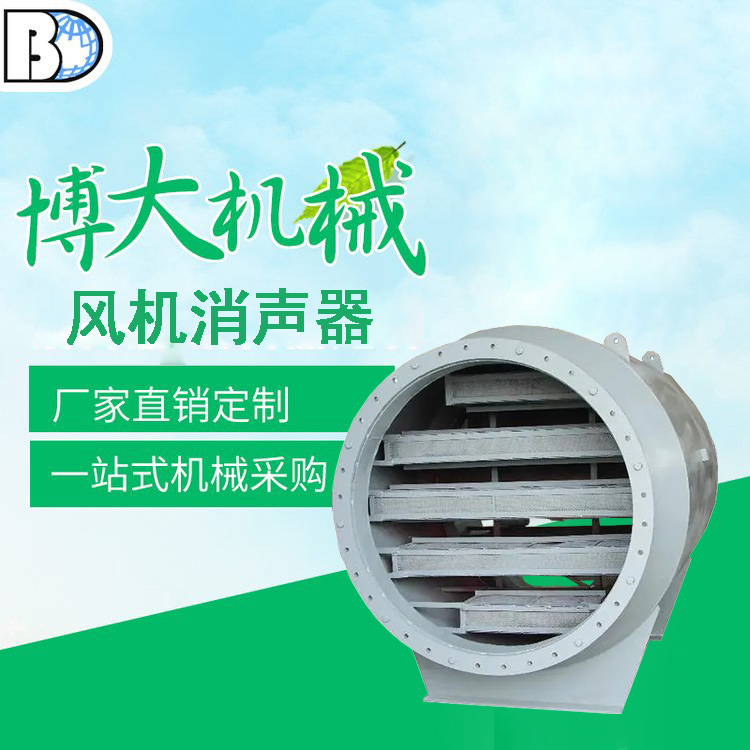
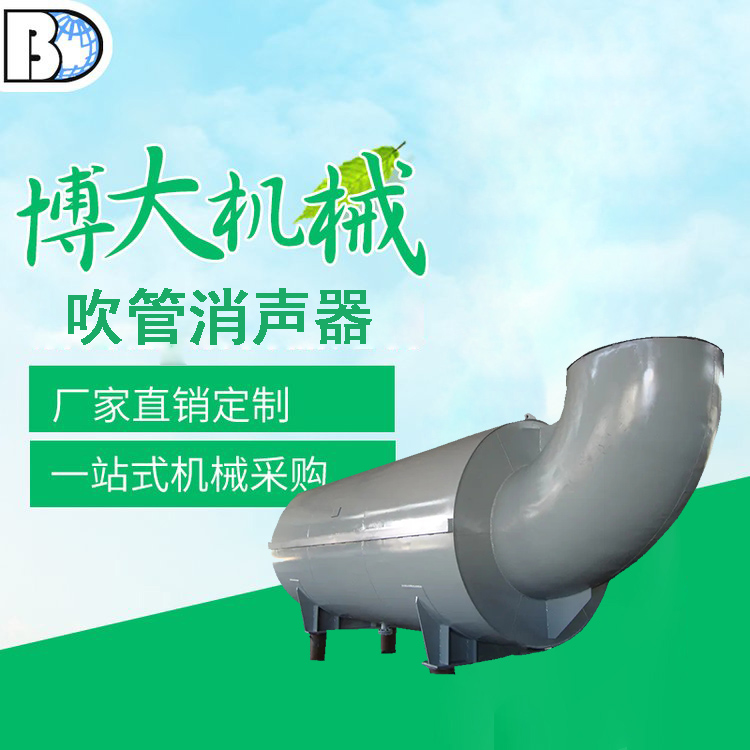
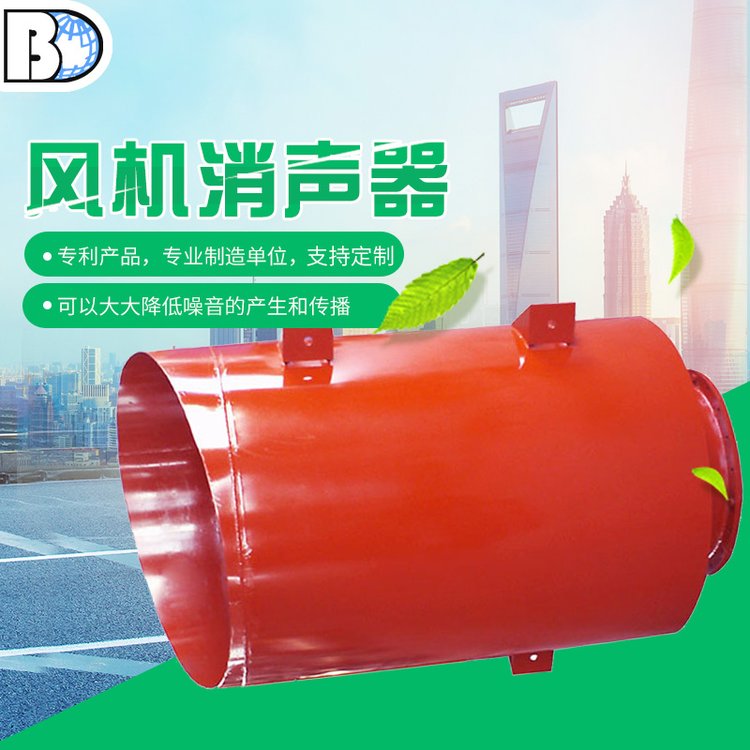
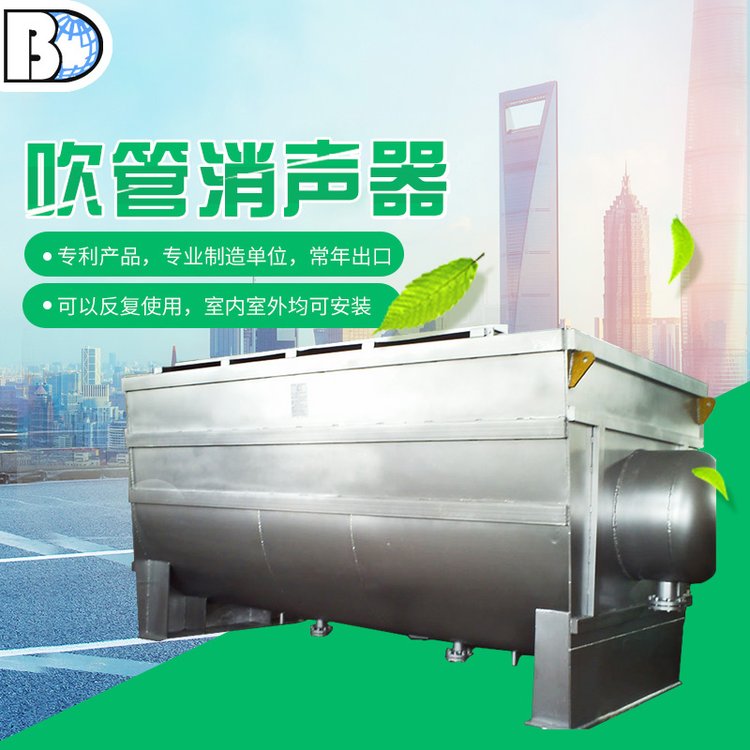
Roots blower muffler, also known as Roots blower silencer, designed to reduce intake/exhaust noise of various blowers and can also be used for noise reduction in exhaust ducts and other high-pressure blowers.
Fans are a general type of mechanical equipment with a wide range of applications, including power, mining, machinery, metallurgy, and chemical industries, where the sales cannot do without fans. The noise generated during the operation of fans often becomes a source of harm to workers' health and interference with the environment. Particularly, fans located near residential areas, whose intake and exhaust air flow noise, are major contributors to environmental pollution, forming a public hazard. They have been one of the main targets for noise pollution control by our country's industrial sector in recent years.
Industrial fans, designed for continuous operation. The International Organization for Standardization (ISO) sets noise standards for such equipment at ≤90 decibels. Our new standards are identical to this, serving as the basis for continuous noise compliance in industrial enterprises. However, without noise reduction measures, the noise emitted from the intake and exhaust of the fan can reach 110-120 decibels, significantly exceeding the compliance requirements.
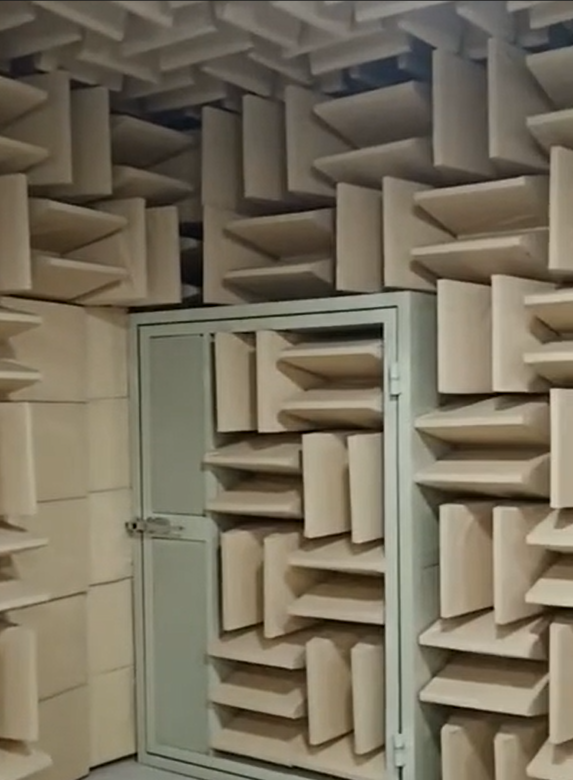
The muffler series is of impedance type. The design of the acoustic absorption panel structure and fluid channels is primarily based on the frequency characteristics obtained from actual noise source tests at various fan operation sites in power plants, determining the required amount of noise reduction at which frequency ranges. A narrow rectangular channel with a large acoustic absorption material surface is also used to enhance the absorption effect. We know that the noise sources of fans often have multiple frequency values at the highest noise level, and the requirements for noise reduction vary for different frequency bands. Therefore, this product employs a resistive structure for high and medium-frequency noise reduction and an anti-structure for medium and low-frequency noise reduction. Additionally, two noise reduction zones for high and low frequencies are used in the resistive channel to maximize the broadening of the noise reduction frequency band, achieving excellent noise reduction performance.