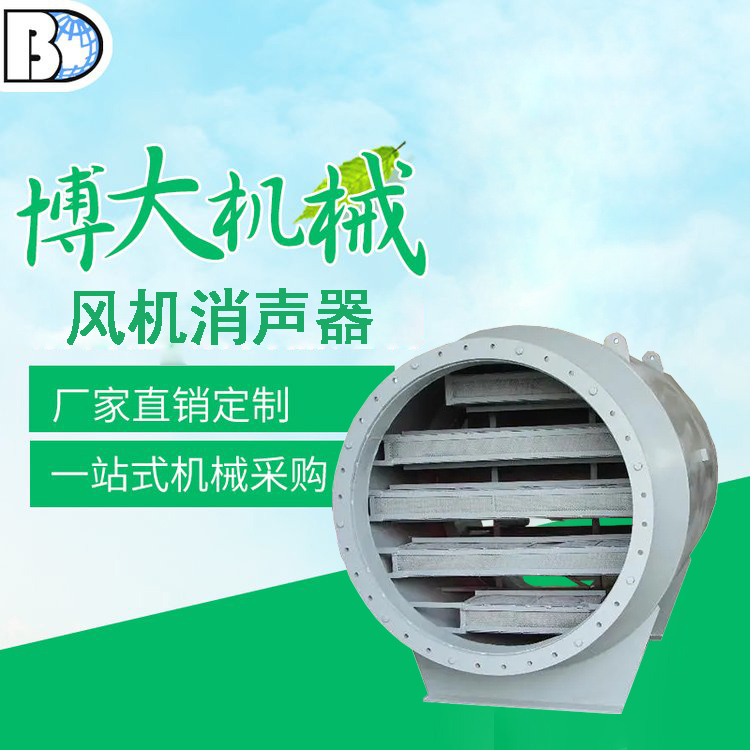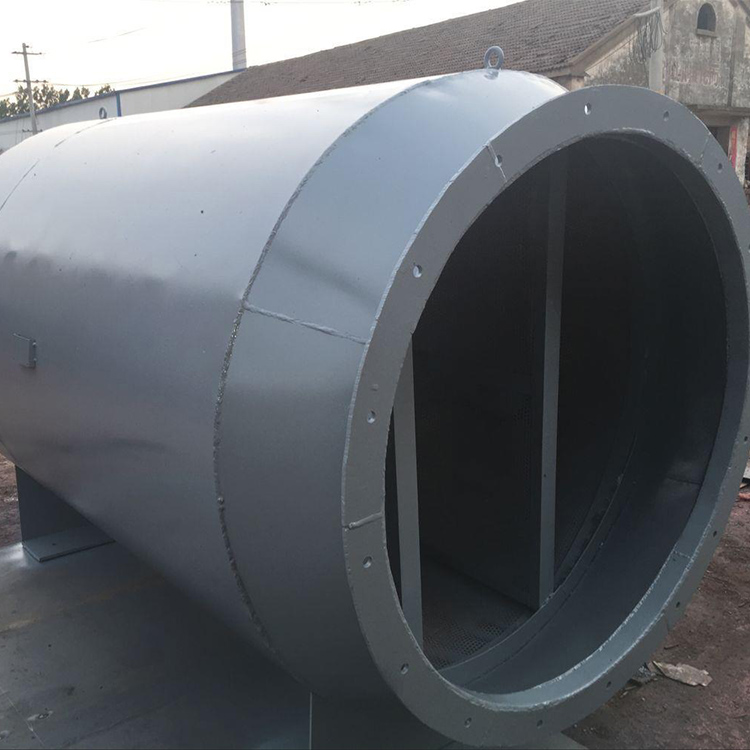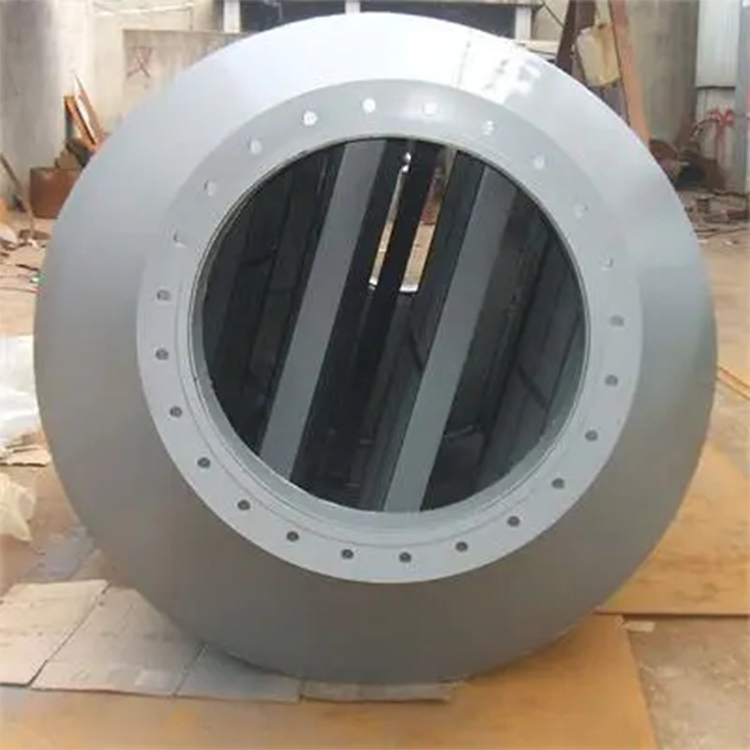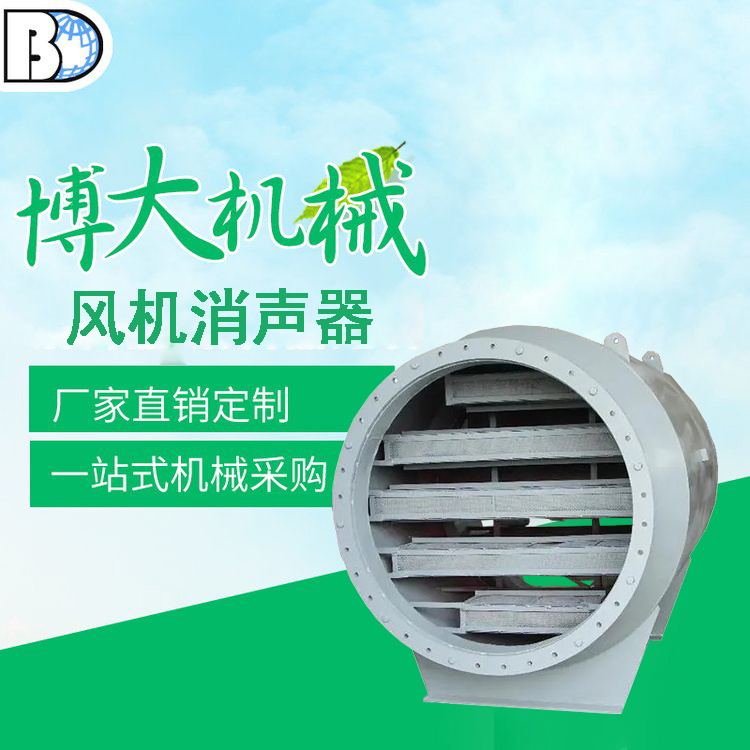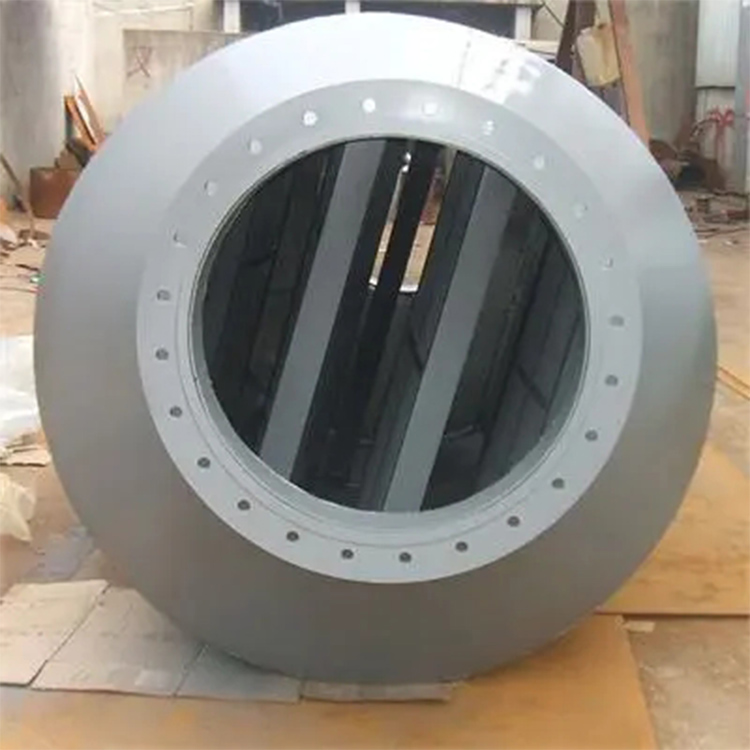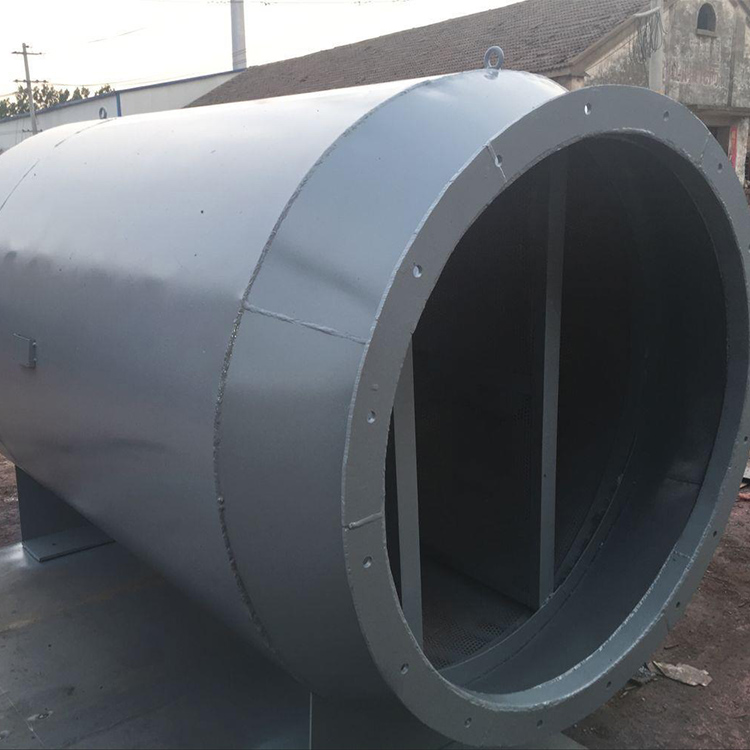

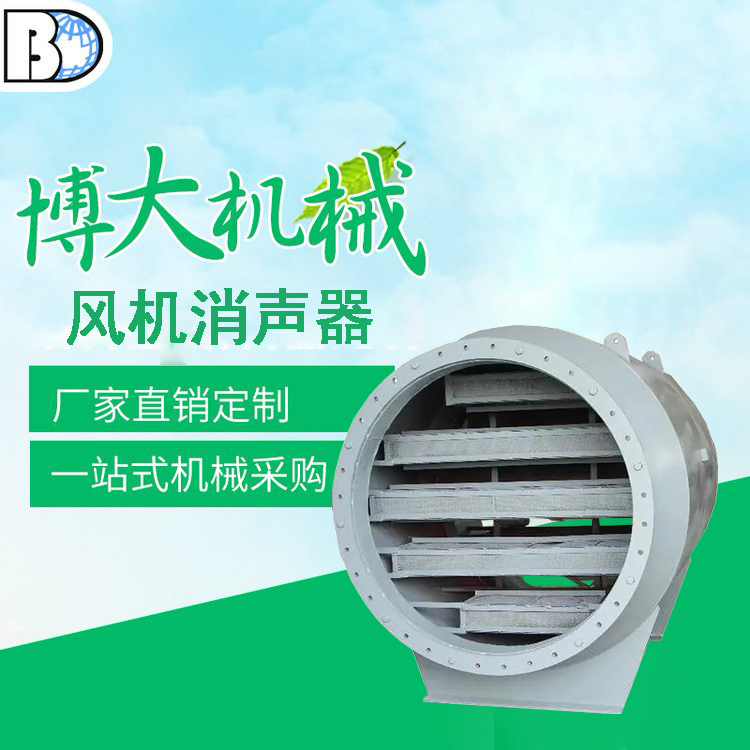

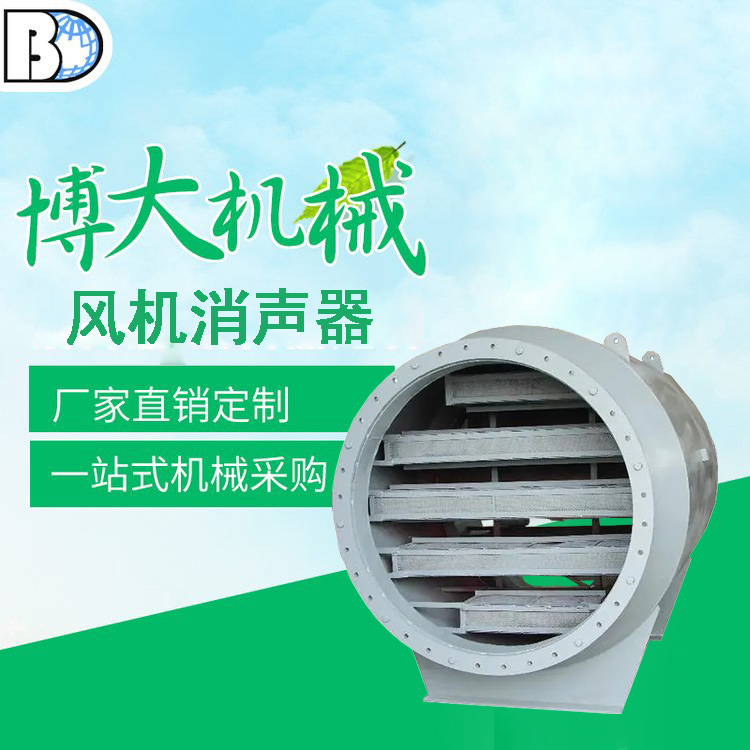
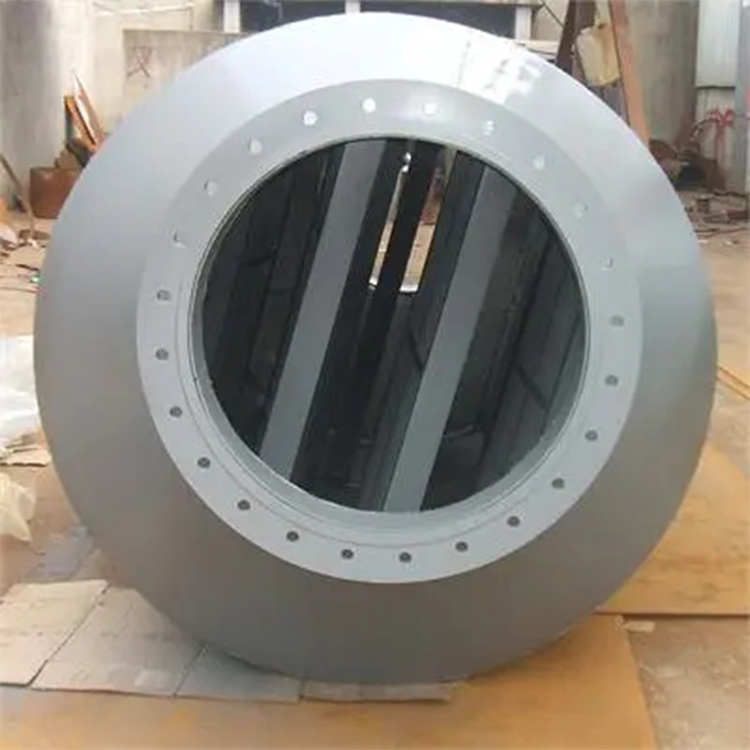
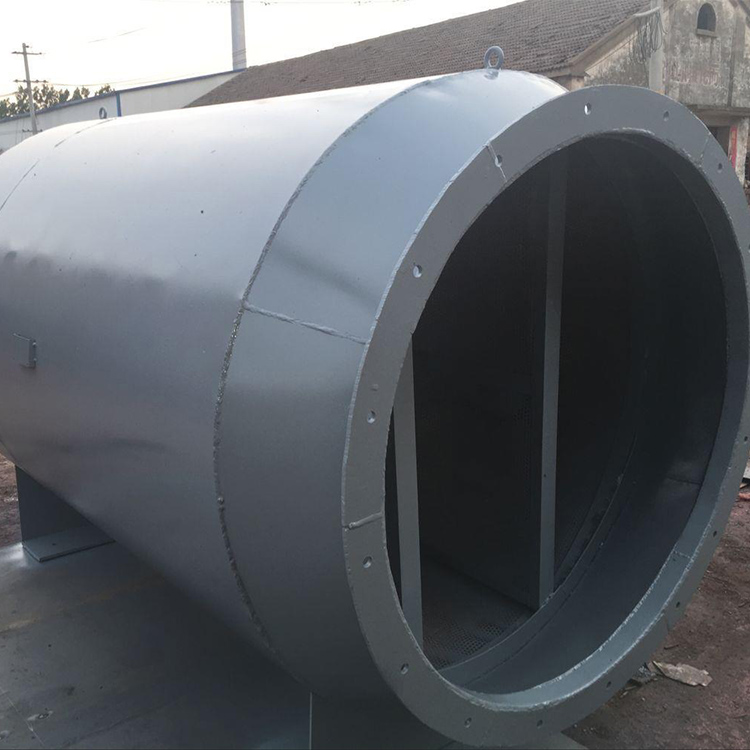







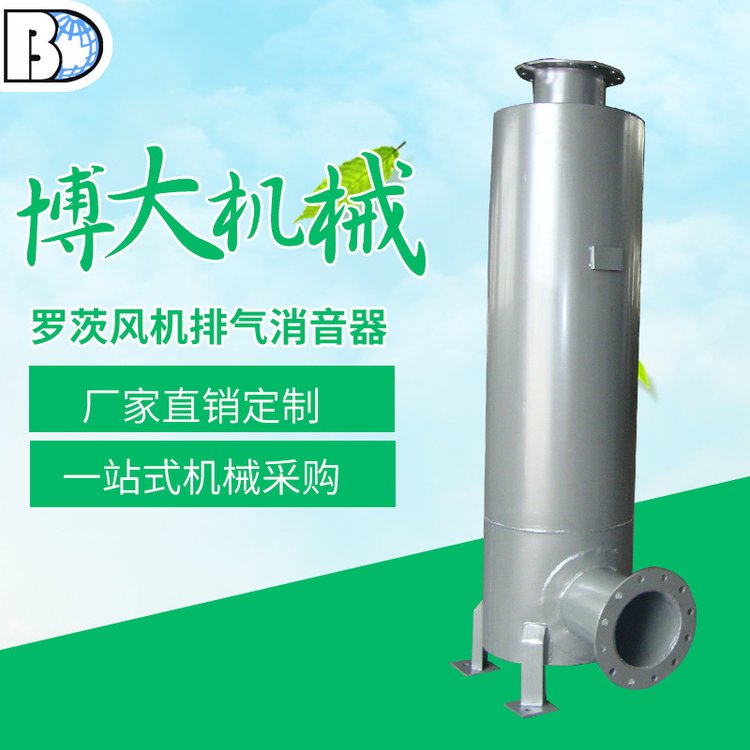
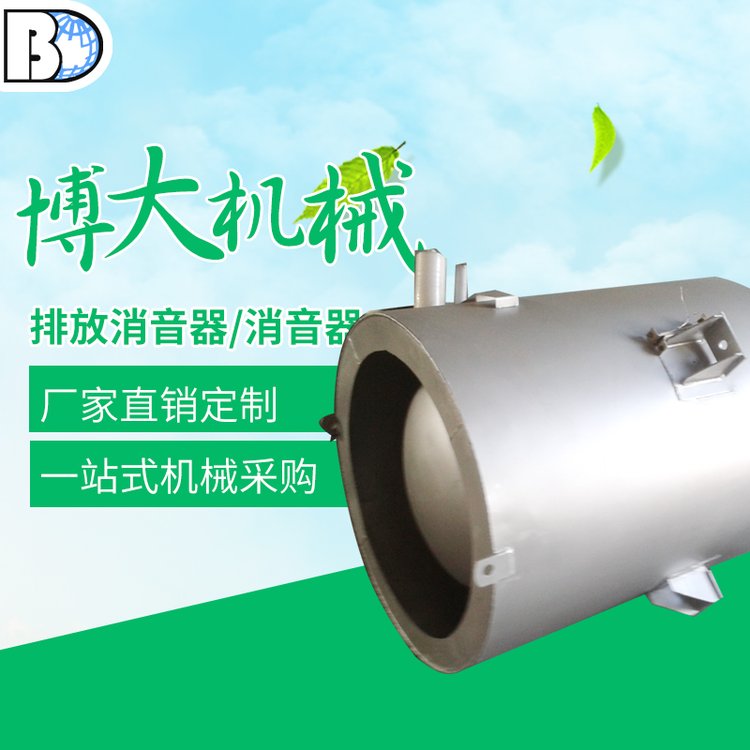
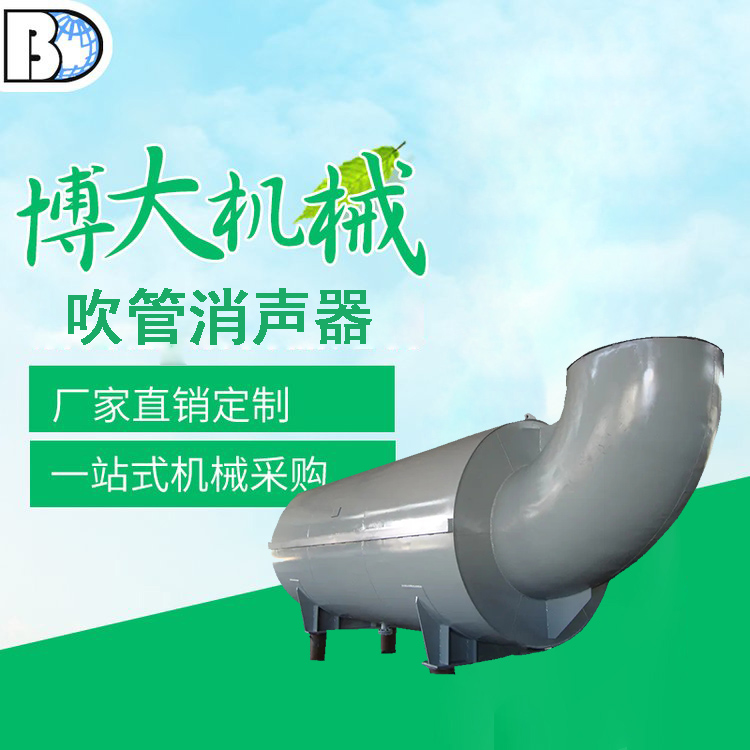
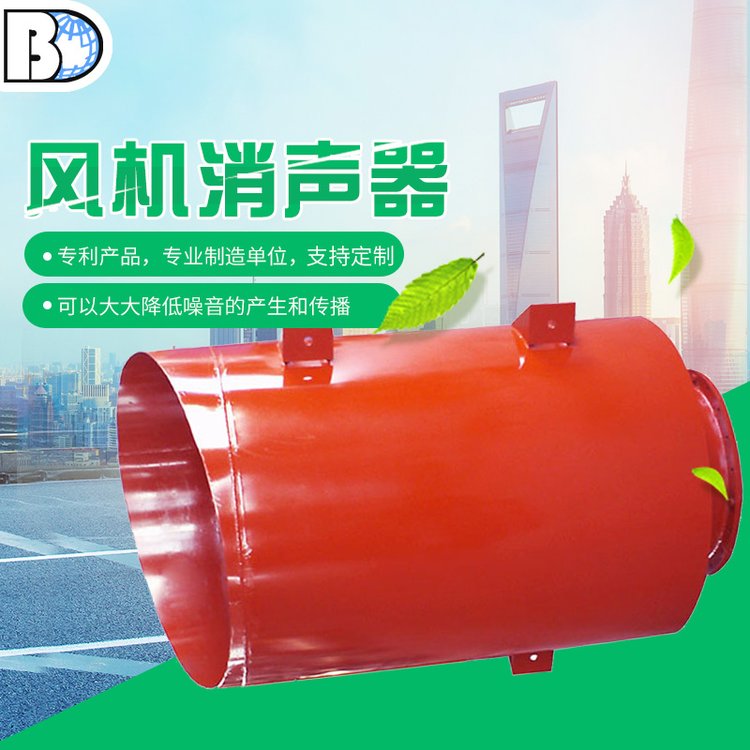

Fan silencers, exhaust pipe silencers, and blower silencers are of the same form, all utilizing resistive sound absorption and noise reduction principles with good performance on medium and high-frequency broadband characteristics, as well as resistive sound absorption and noise reduction principles with good effects on low and medium frequencies and pulsating characteristics, and micro-perforated silencers and impedance composite silencers.
Resistive silencers are a type of absorbing silencer produced, which are generally categorized into straight tube, plate, corrugated, honeycomb, acoustic flow, labyrinth, and elbow designs based on the structure of the air flow channels. They work by converting sound energy into heat energy and dissipating it through friction and viscosity resistance as sound waves propagate through porous acoustic materials, thereby achieving the purpose of noise reduction. They are one of the most widely used types of silencers among all.
The resistance muffler operates on a different principle than the resistive muffler for noise reduction. It does not directly absorb sound energy but instead utilizes abrupt interfaces or auxiliary resonance cavities on the pipes. This causes certain frequencies of sound waves propagating along the pipes to reflect and interfere at the abrupt interfaces, thereby achieving the purpose of noise reduction. It is categorized into expansion chamber mufflers and resonance mufflers.
In practical noise control engineering, noise is predominantly宽带, so it is common to combine resistive sound absorption and resistive sound attenuation structures to control intense broadband noise.