








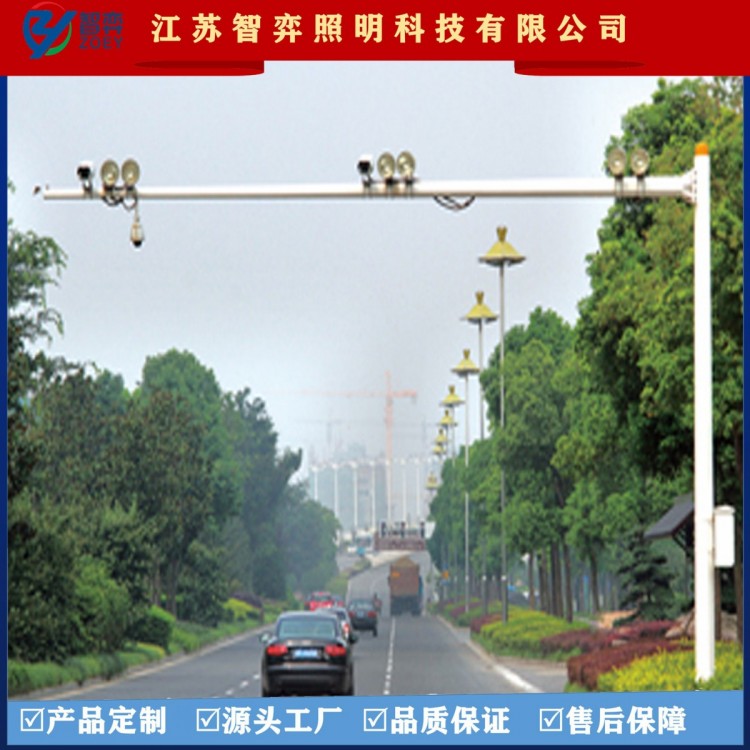



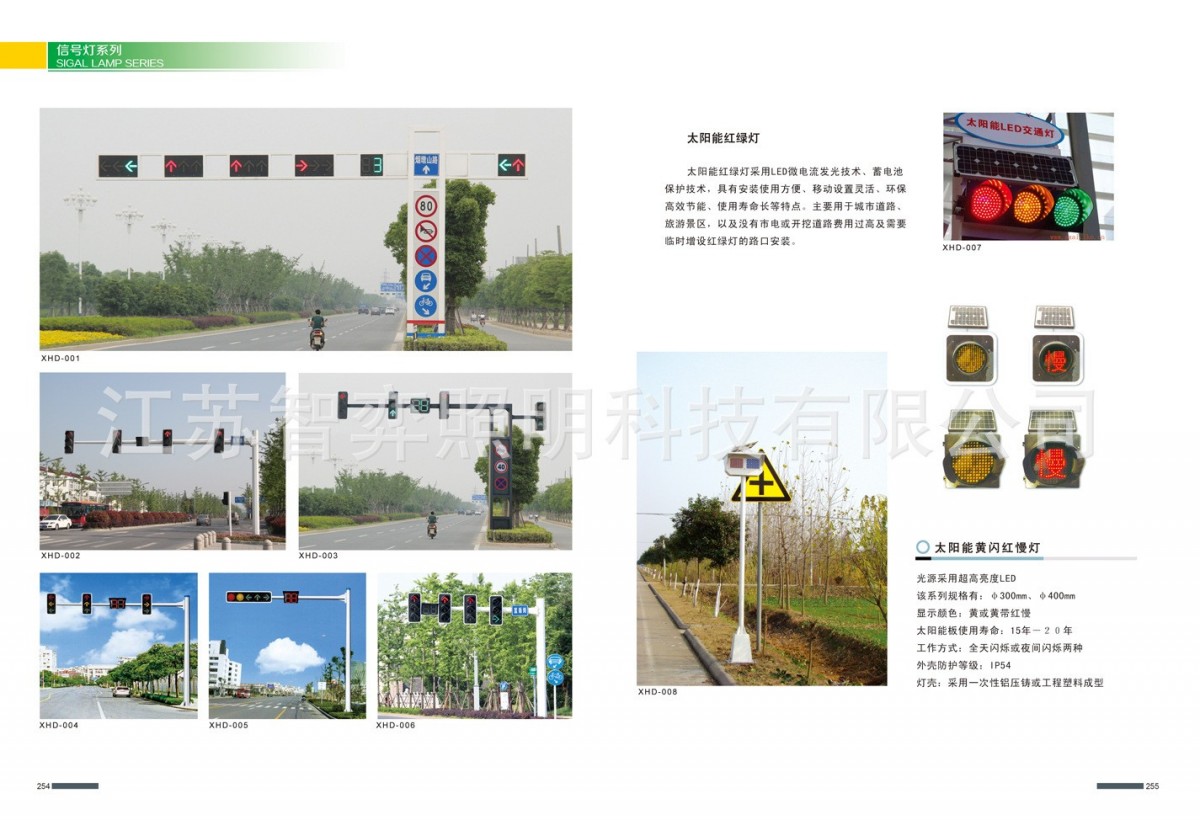
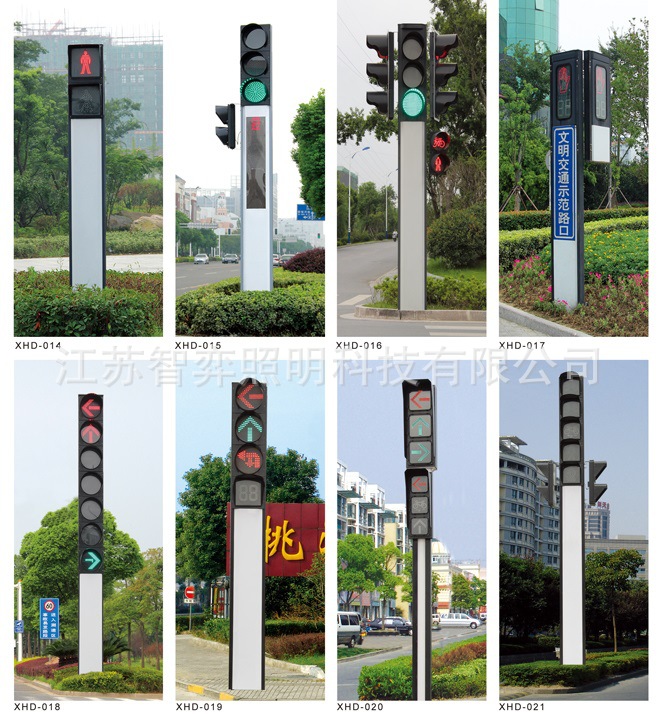
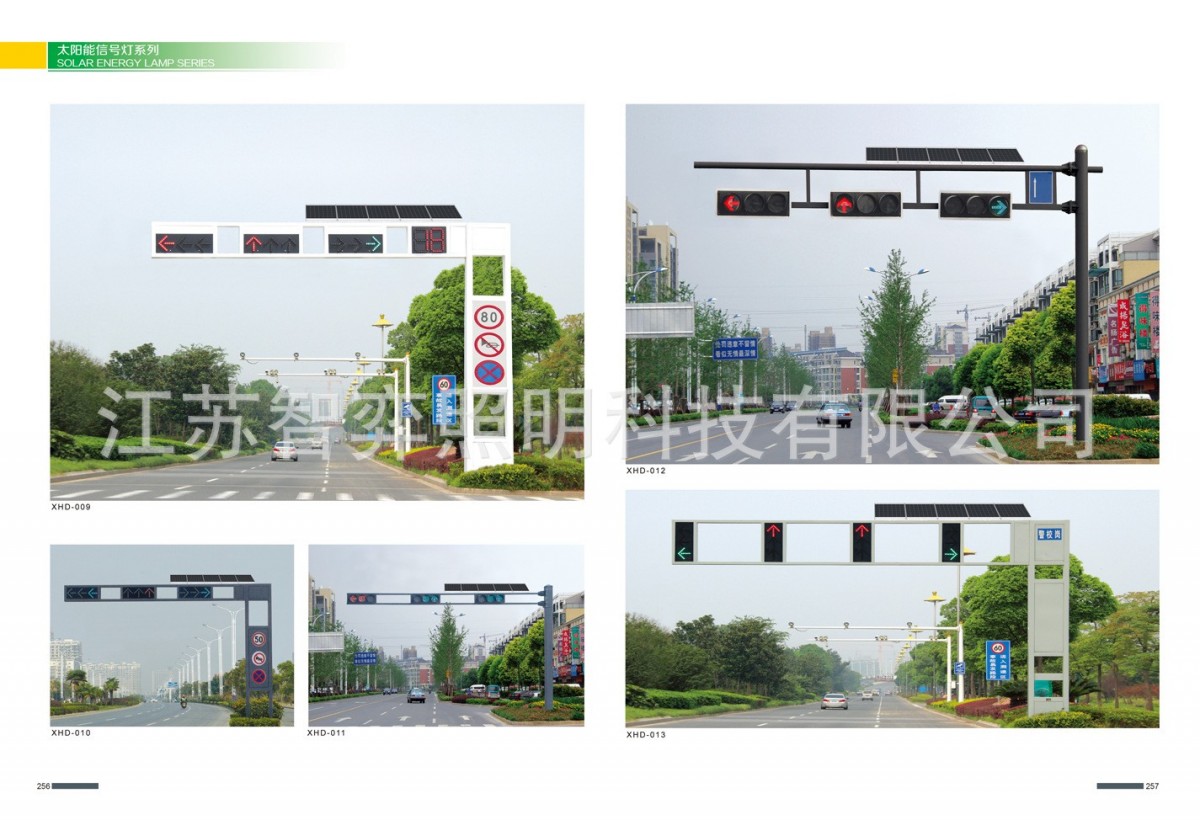
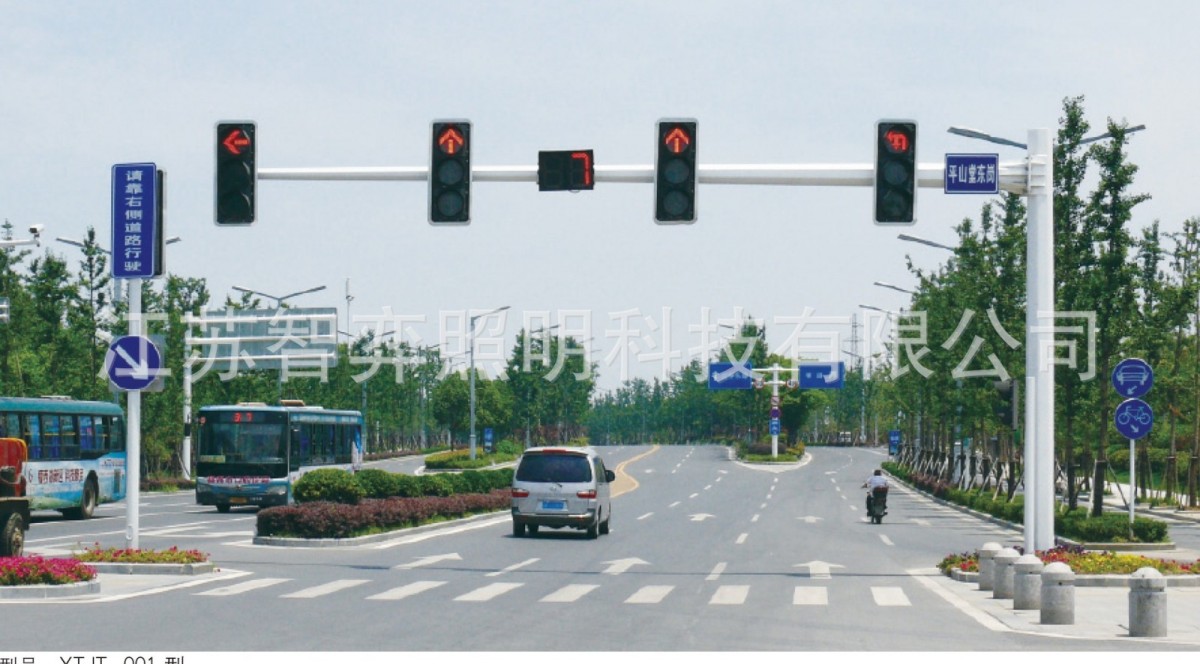
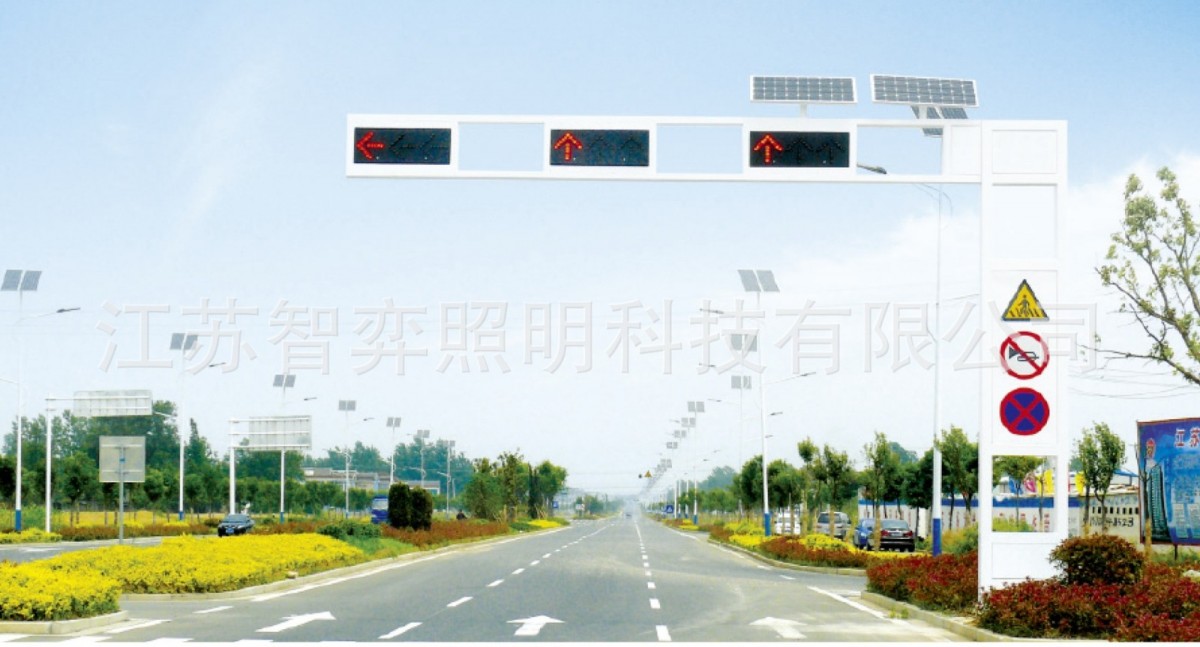
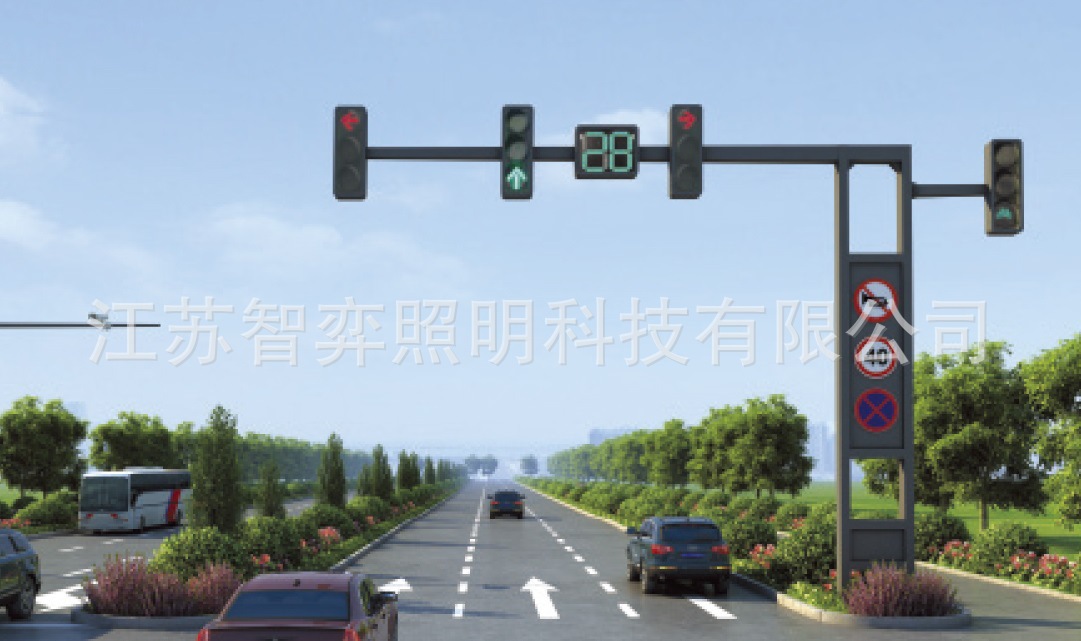
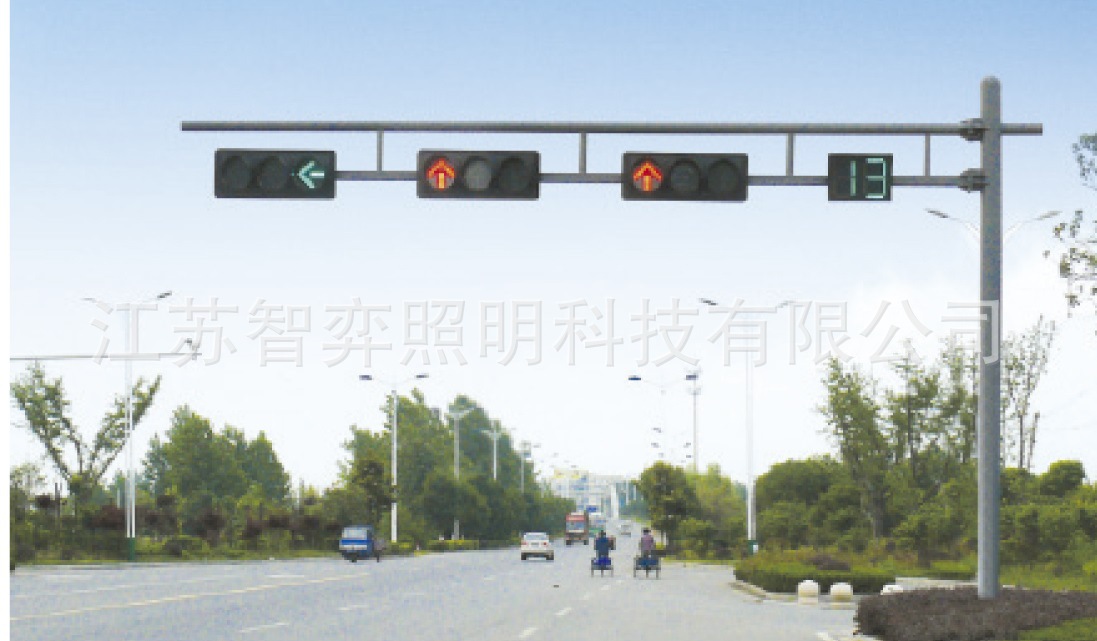
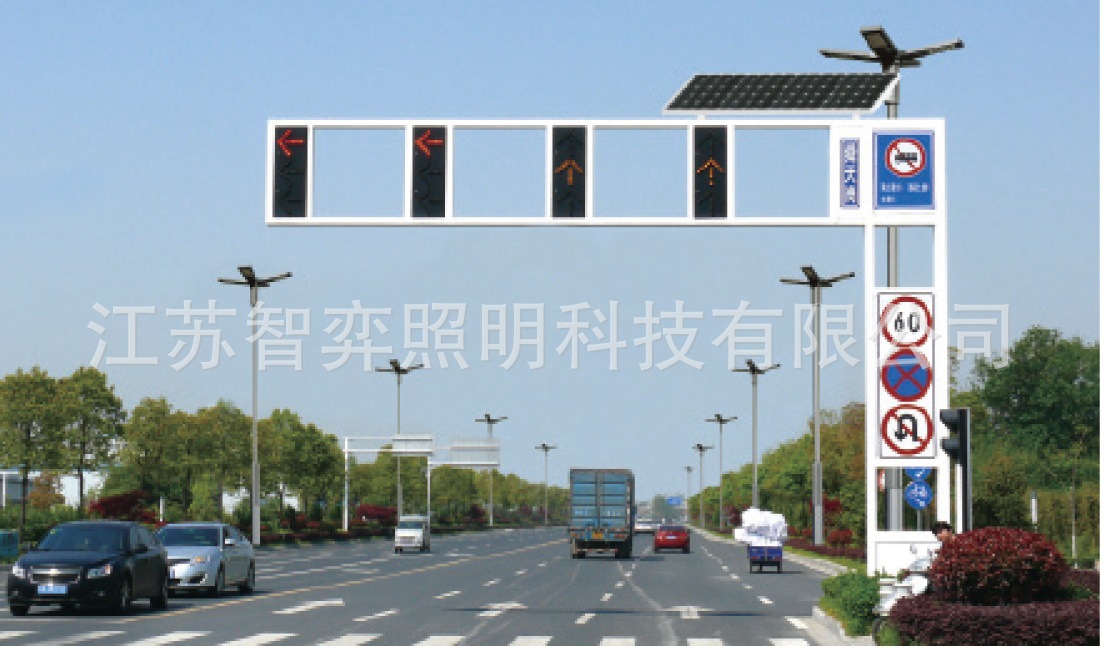
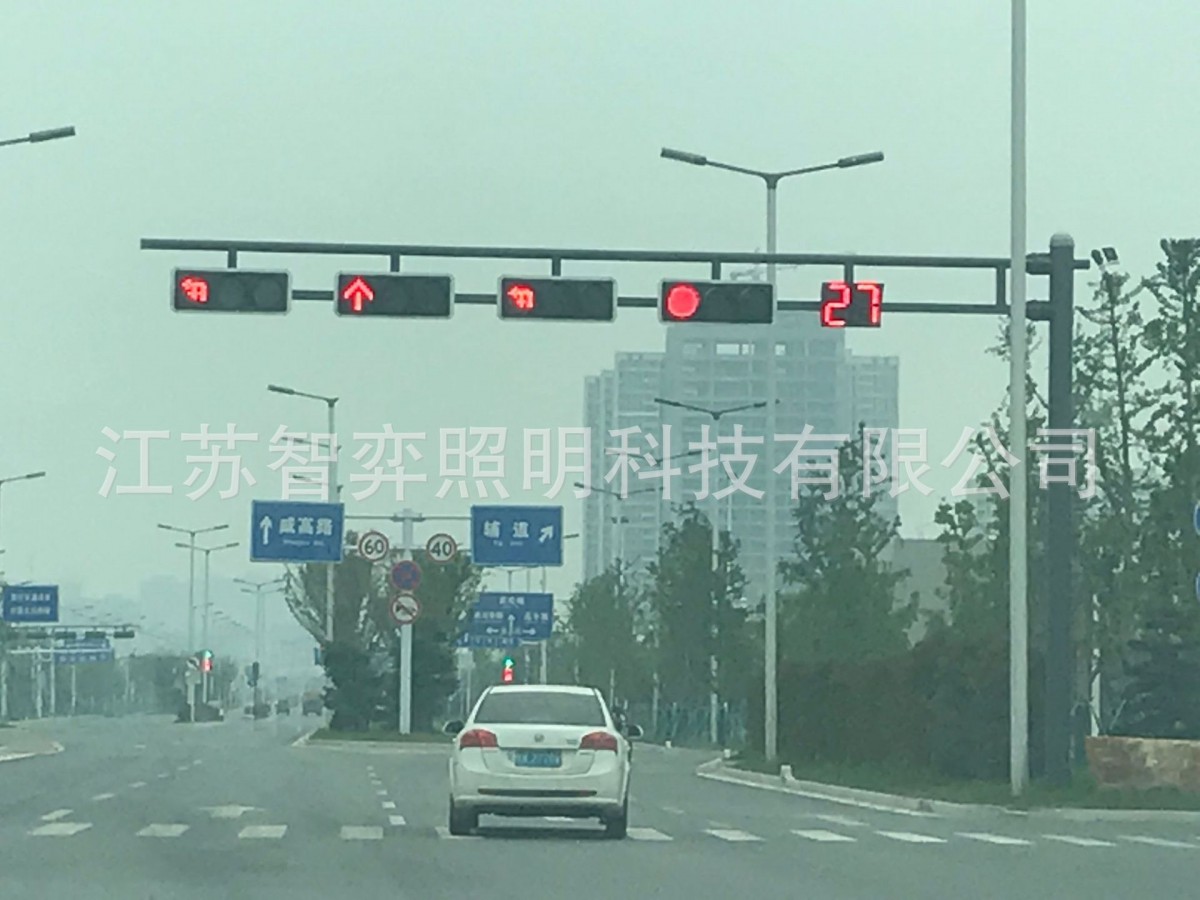
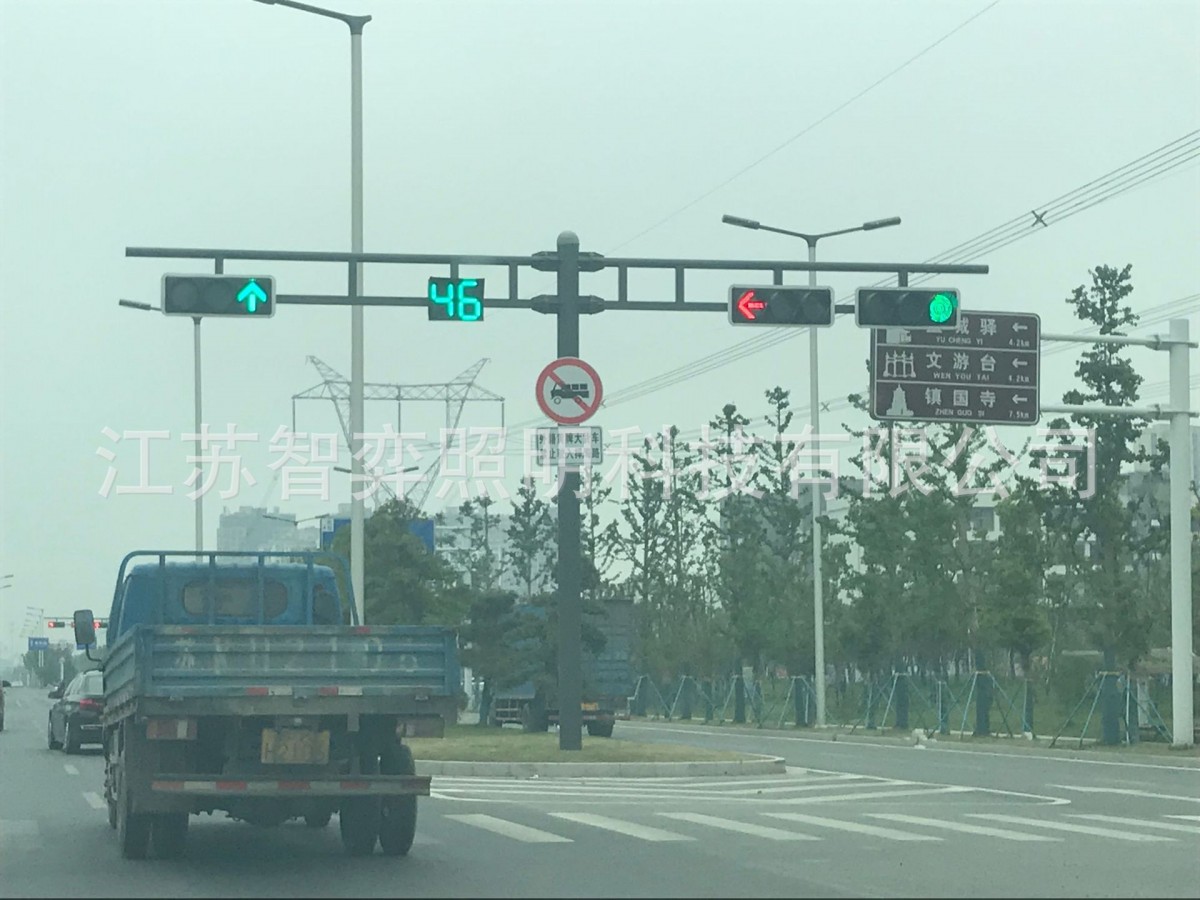

Traffic Signal Pole Series
Categories and Applicable Scope
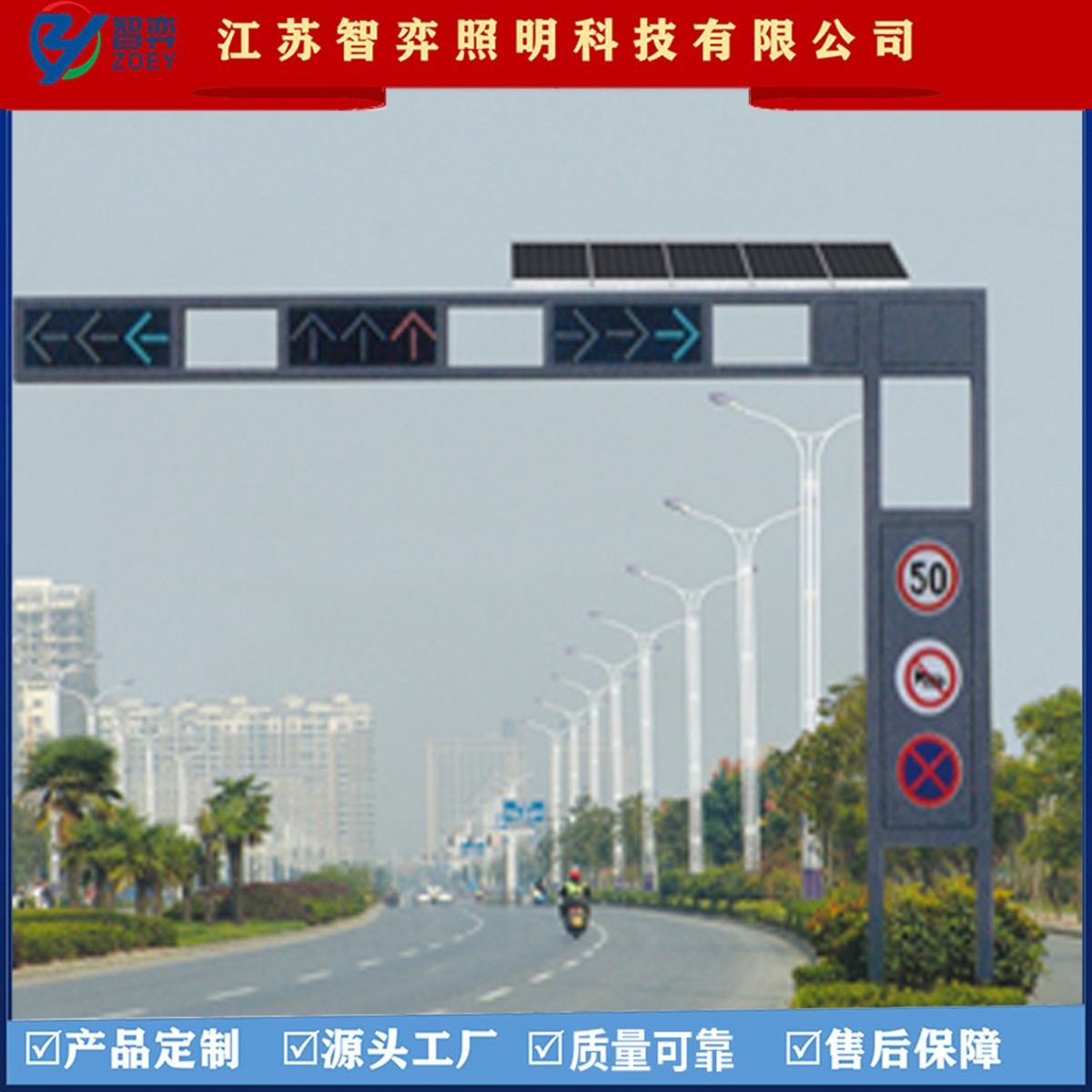
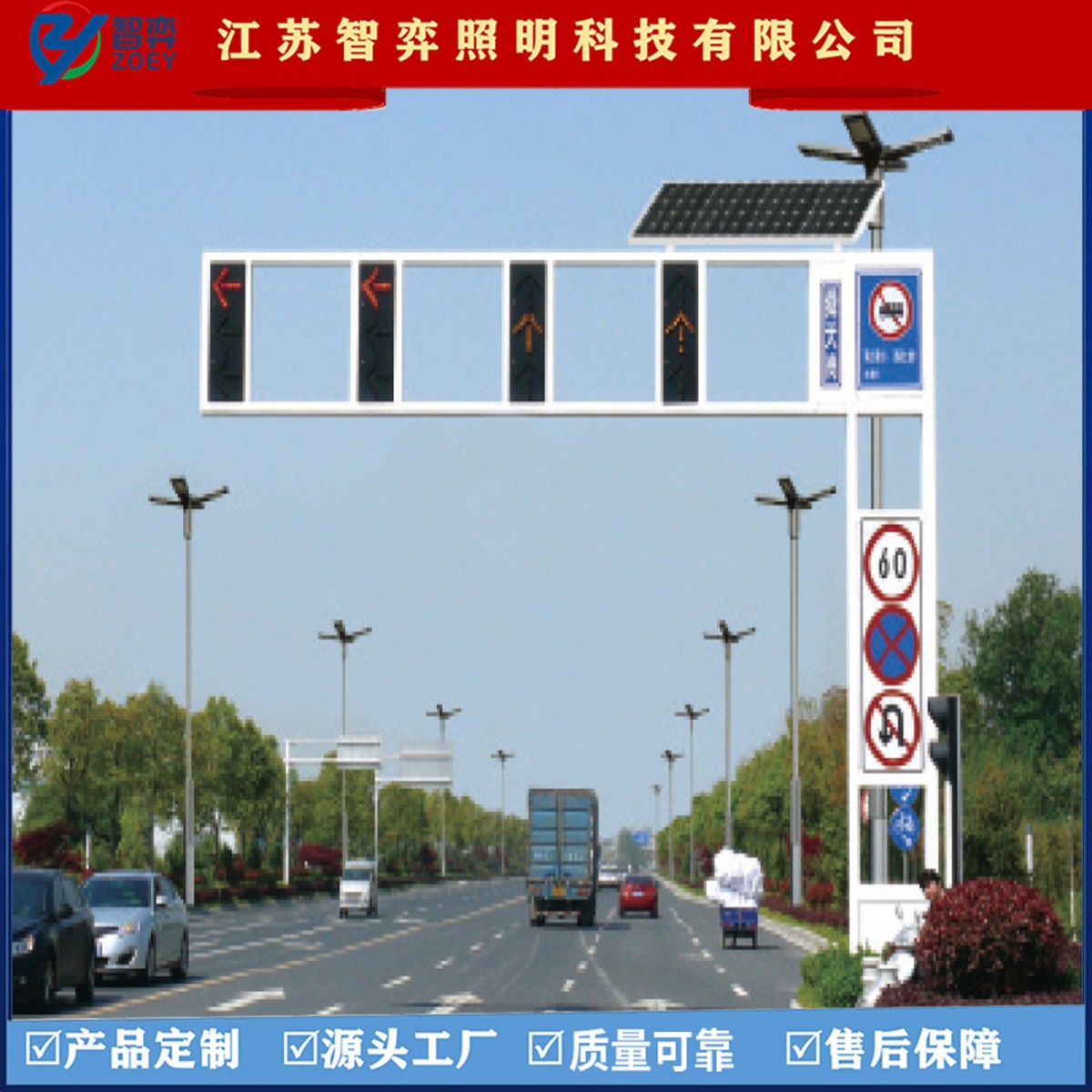
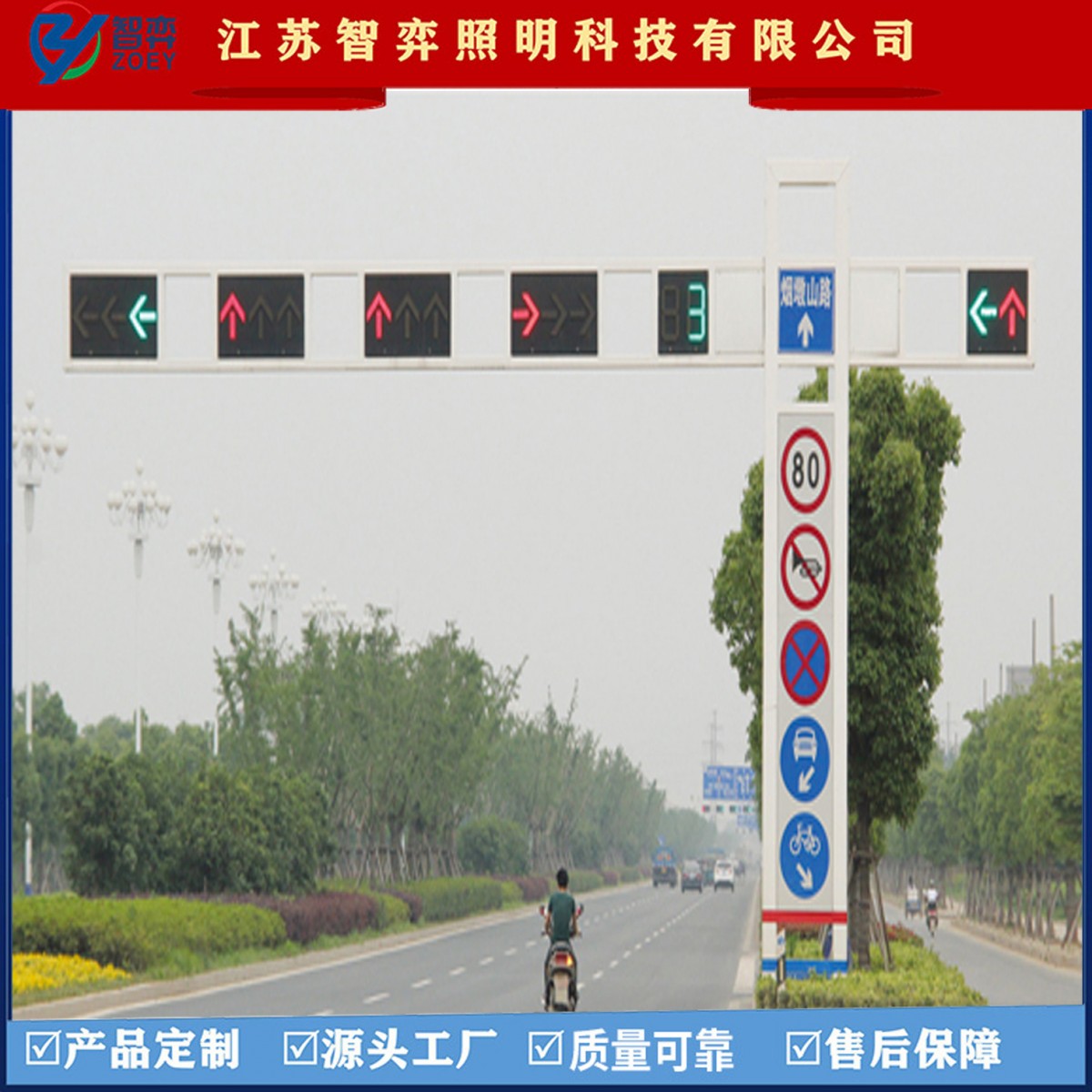
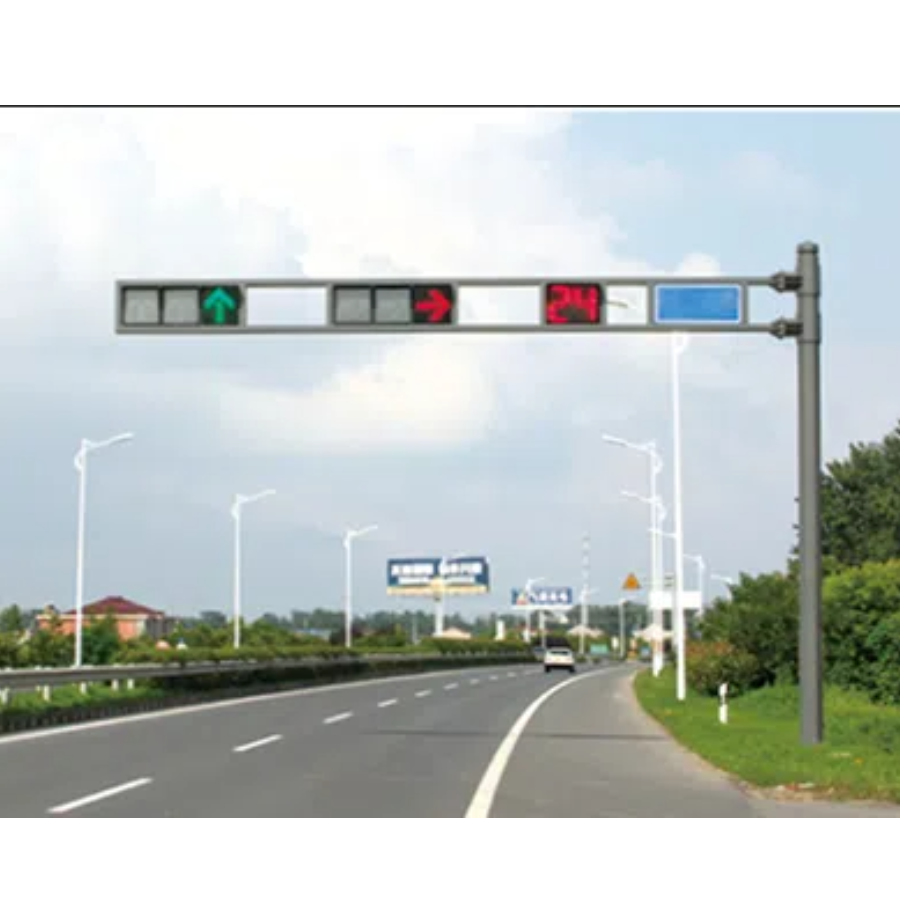
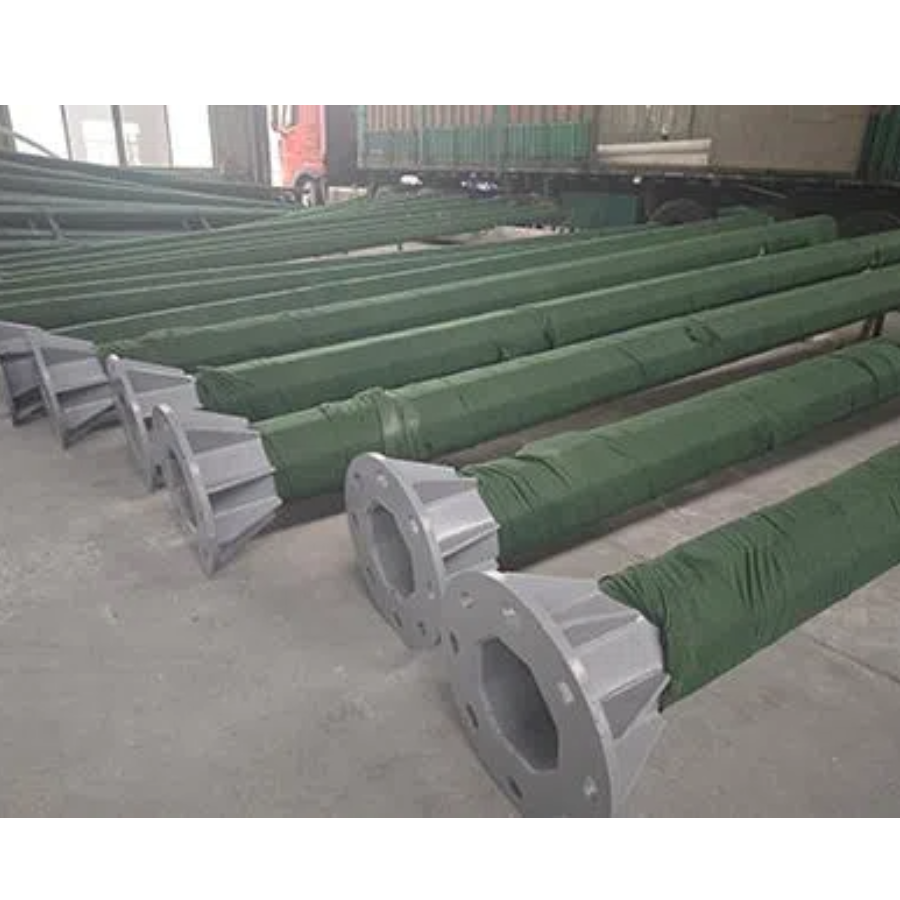
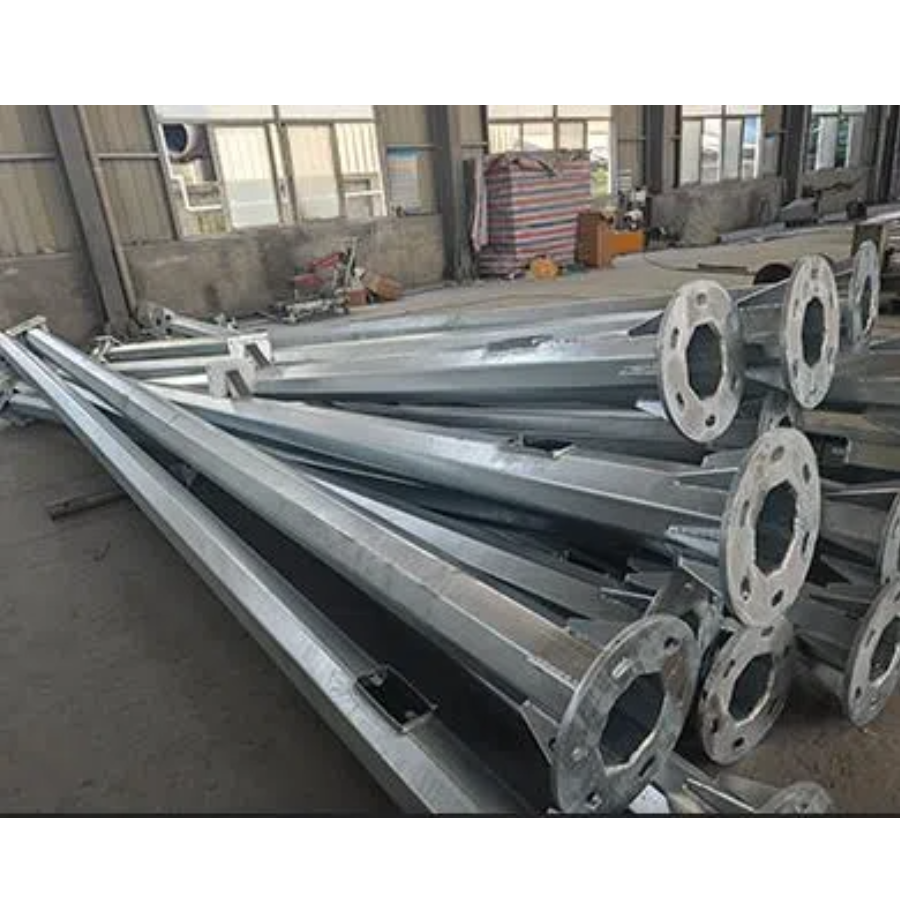
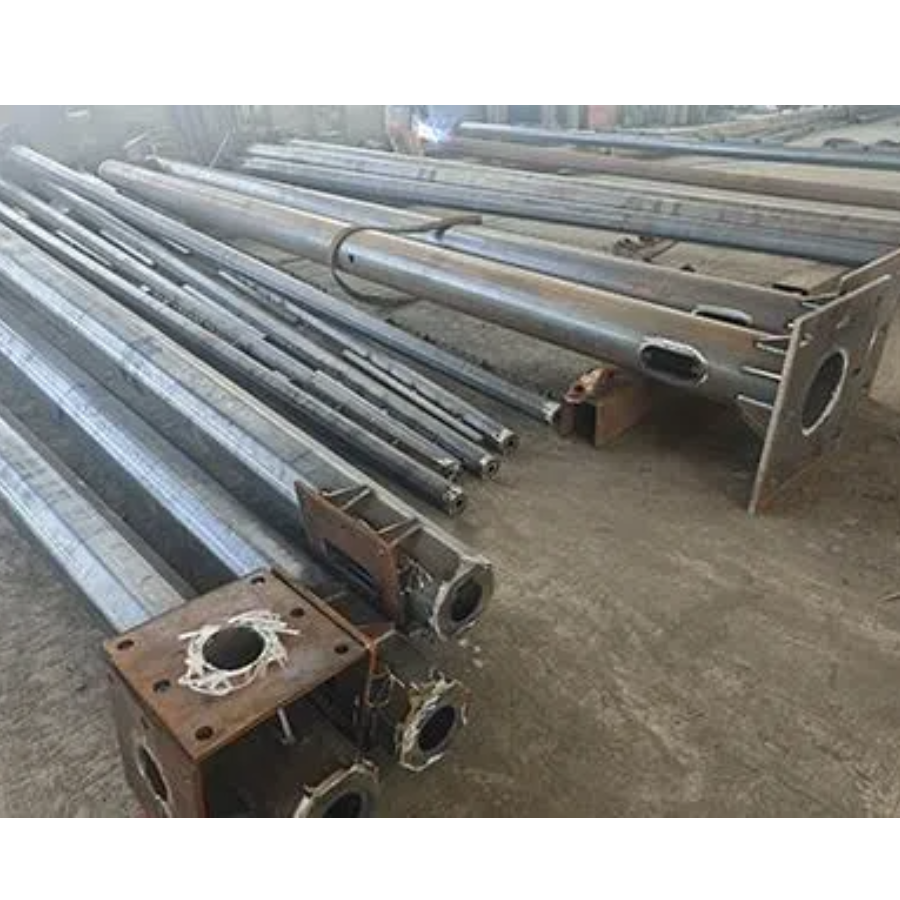
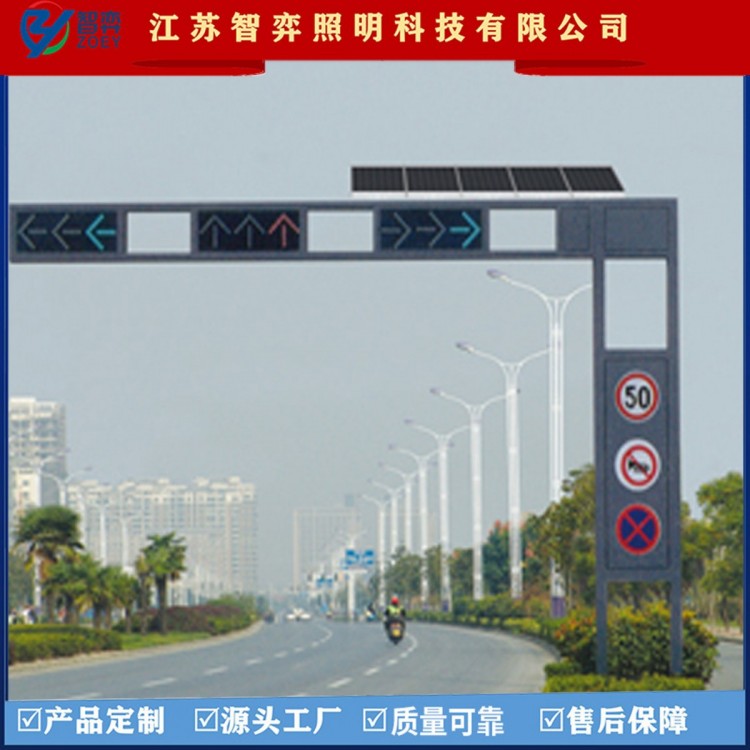
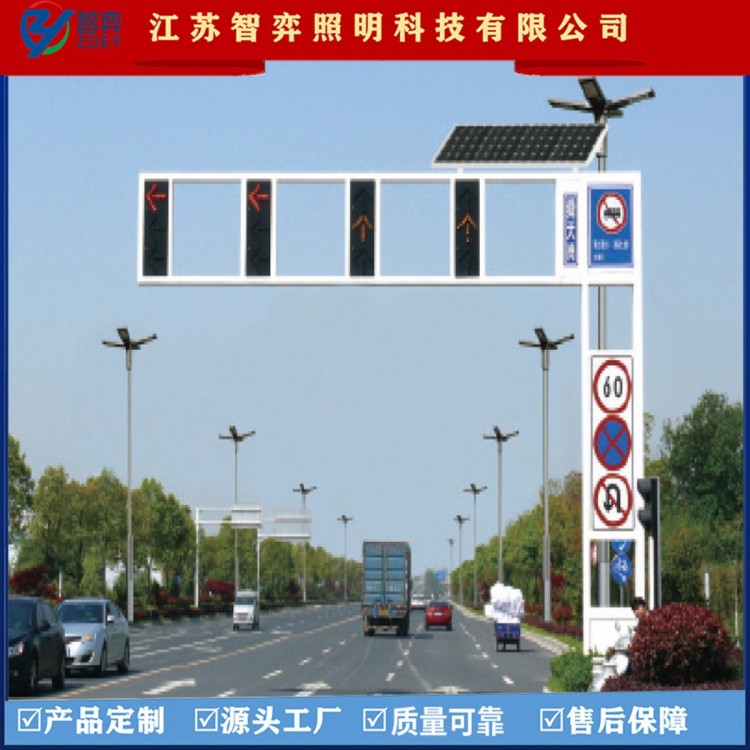
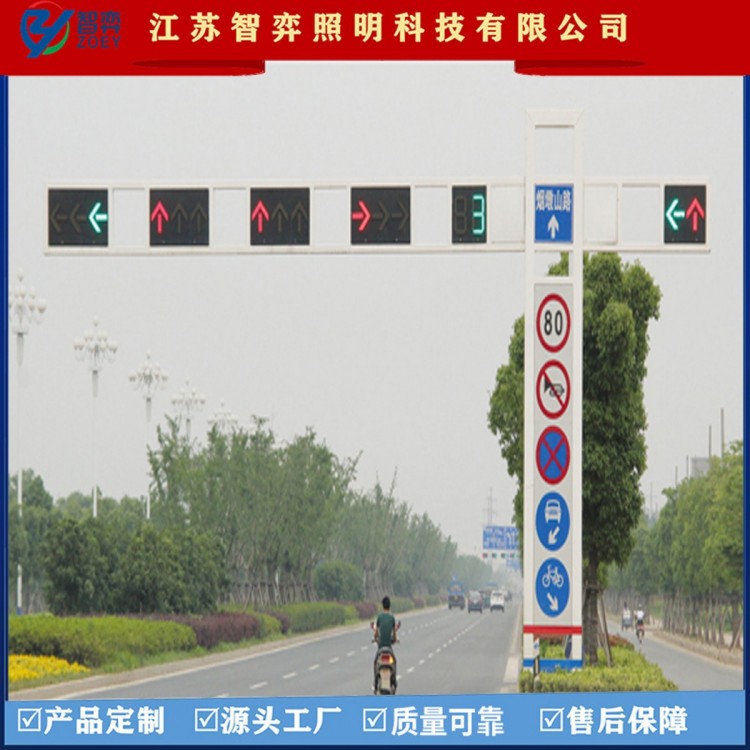
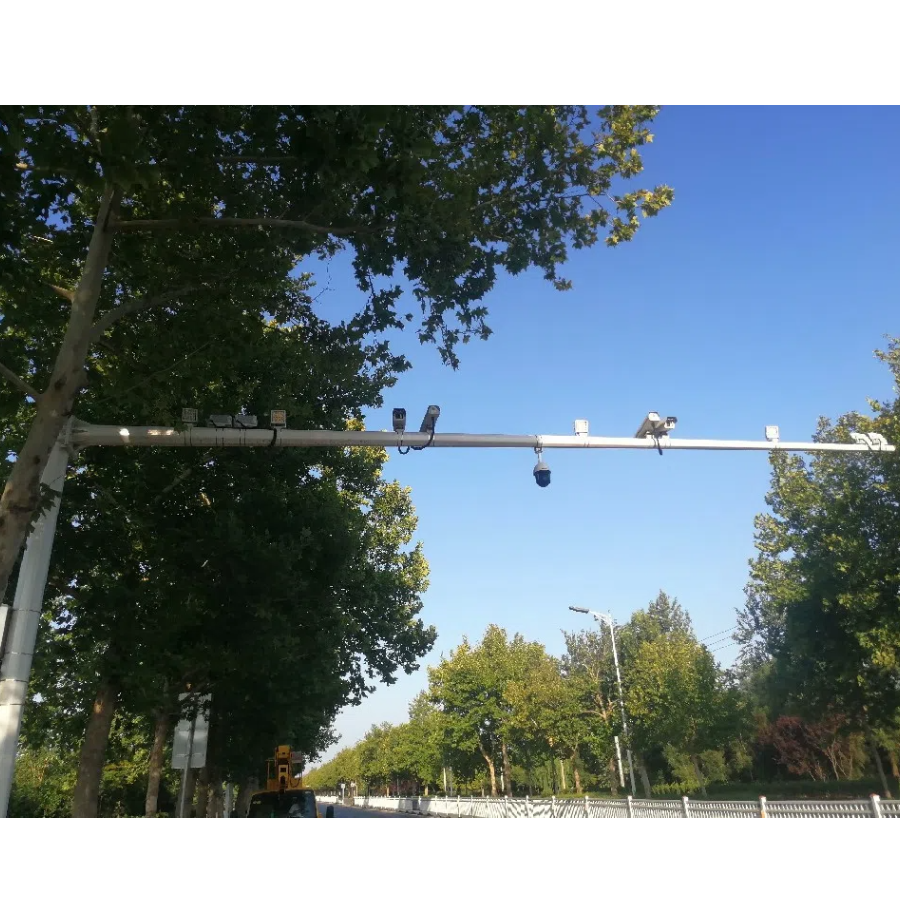
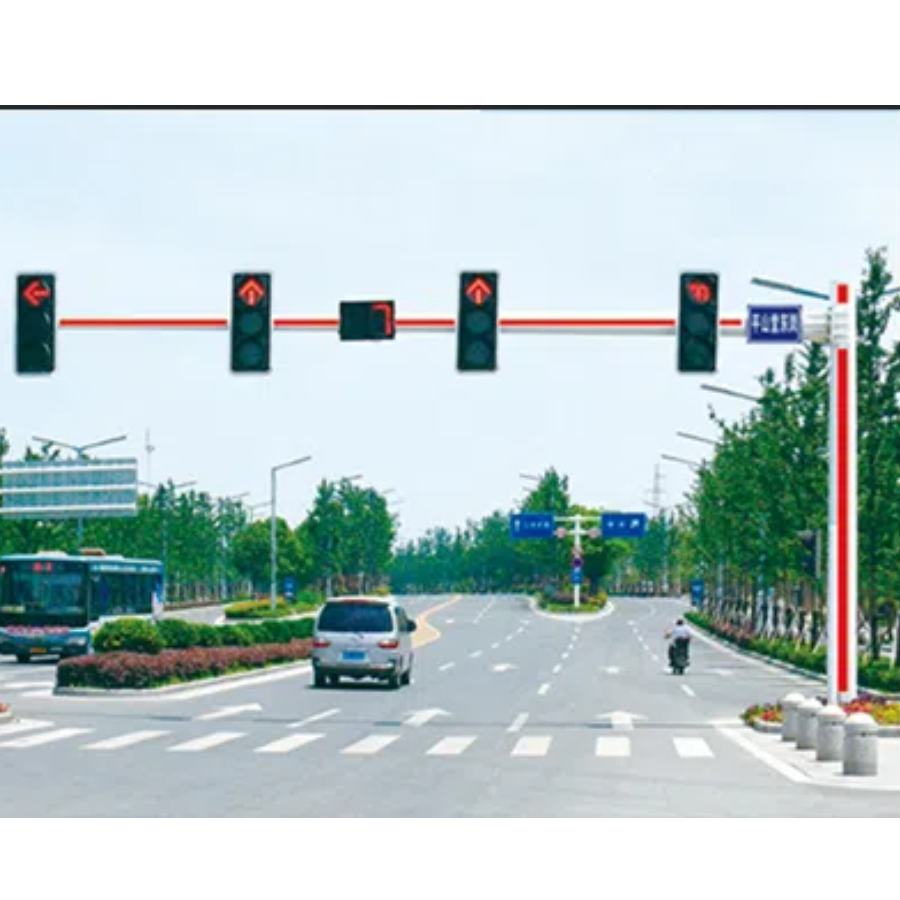
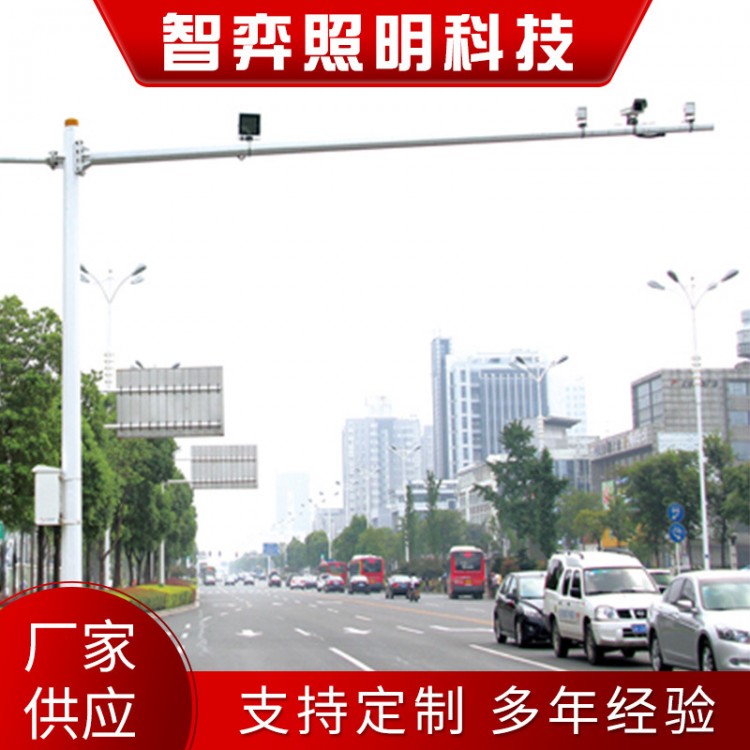
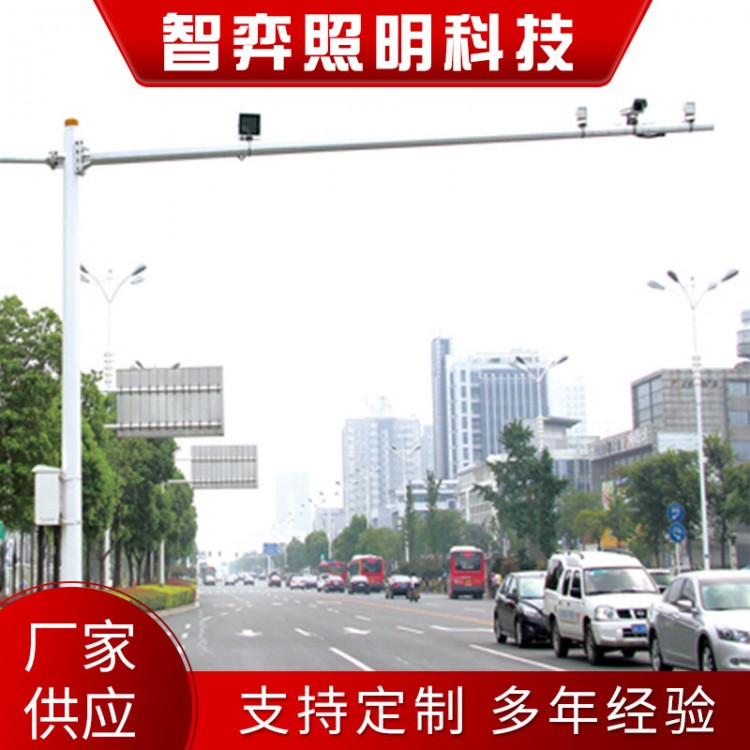
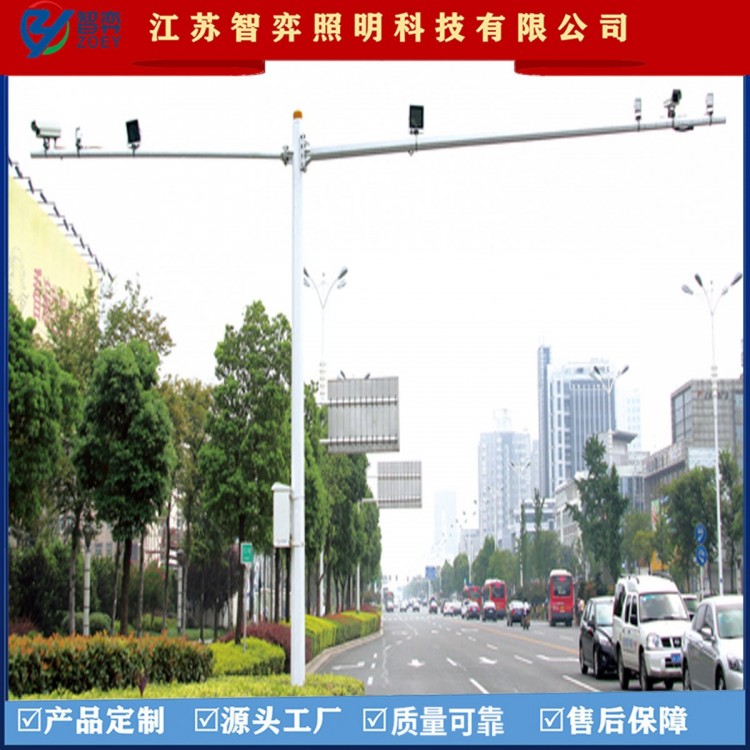
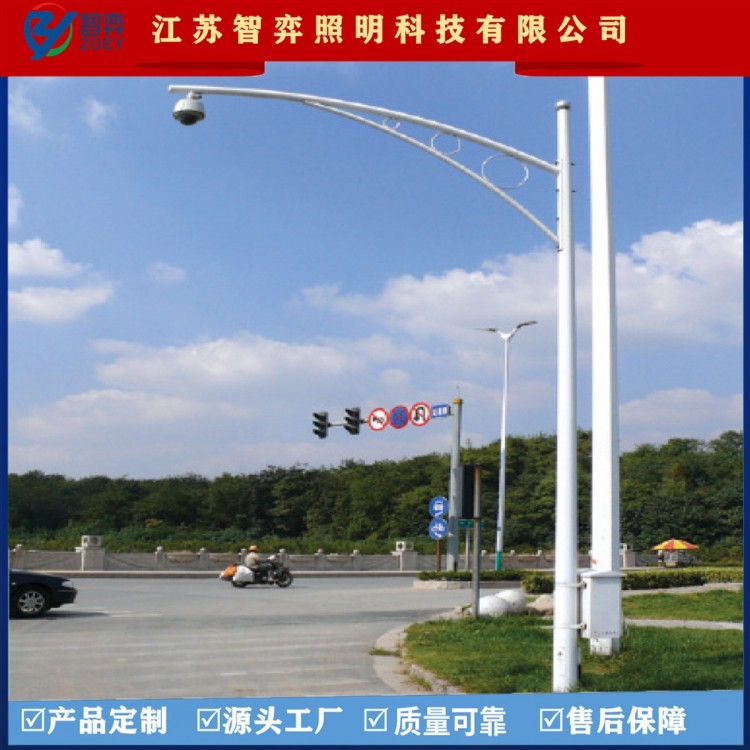
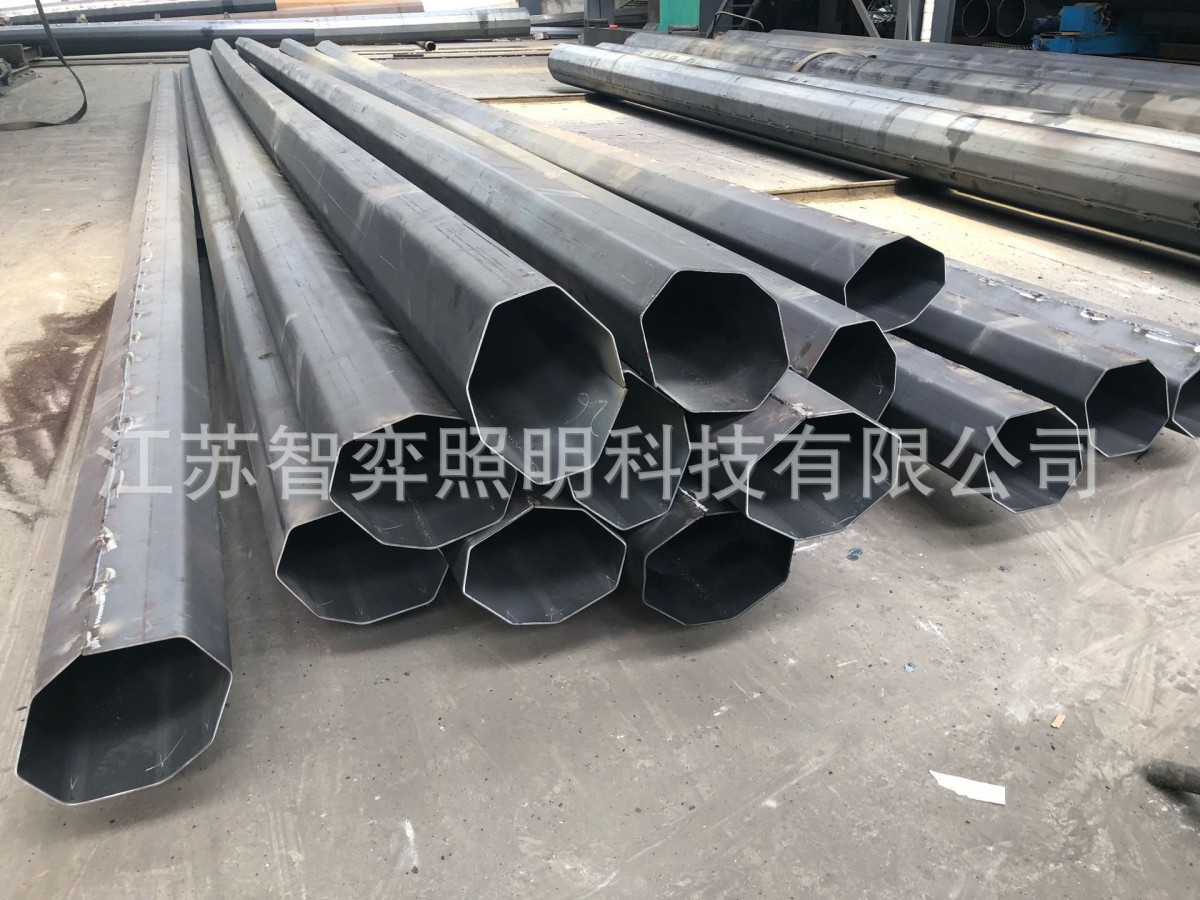
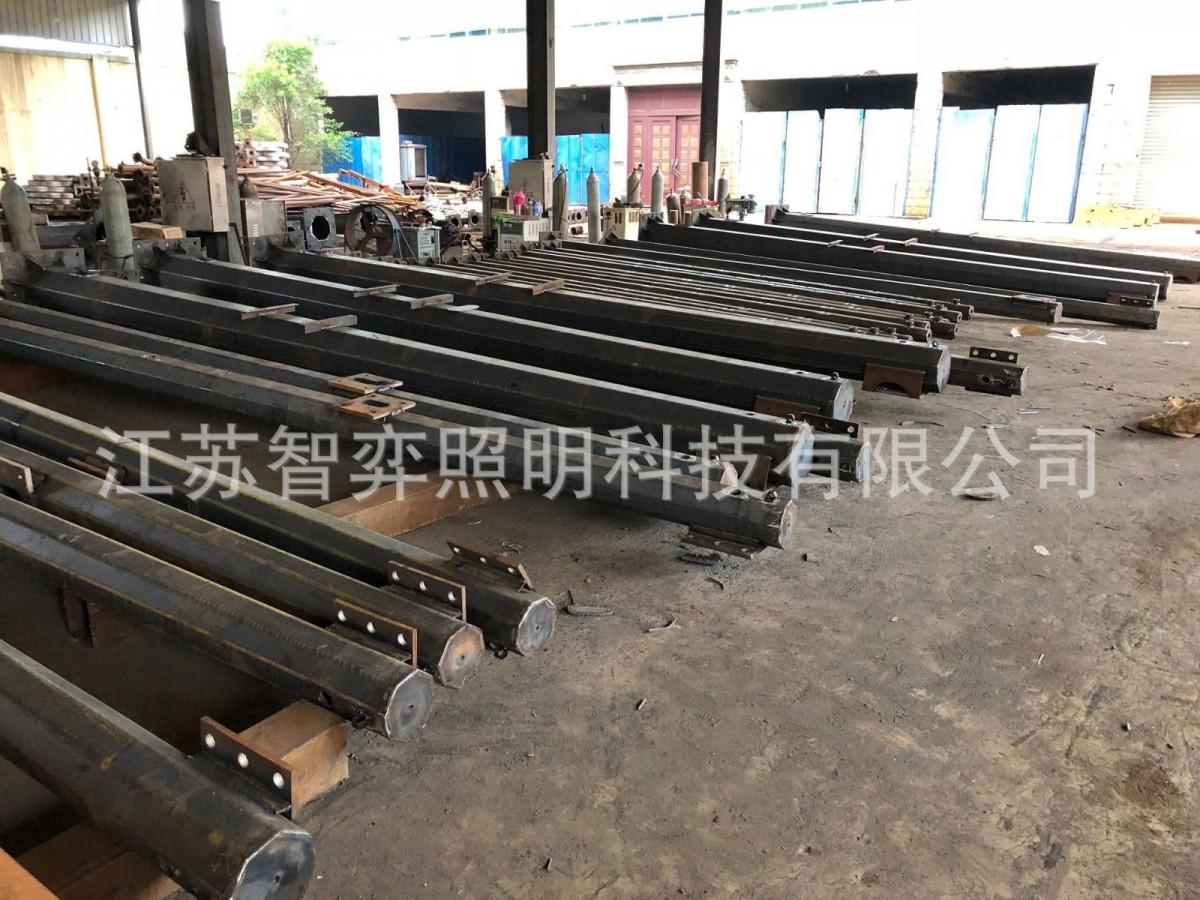
Signal poles, also known as traffic light poles, are generally categorized into types such as I-type, T-type, and F-type. Specific specifications can be customized according to customer requirements. Signal poles are commonly made from high-quality steel plates, processed into an octagonal or hexagonal shape using large bending machines, or assembled and welded from rectangular tubes. The surface is treated with hot-dipped galvanized corrosion protection and spray painting, making them suitable for urban roads, expressways, elevated bridge intersections, or T-intersections.
1) Traffic signal poles are installed using submerged arc welding with suspended hoisting.
2) Surface treatment: hot-dip galvanized electrostatic powder coating.
3) Wind resistance: 45 kg/m²/h.
4) Surface Treatment: Pickling and phosphatizing followed by hot-dip galvanizing and powder coating.
5) Welded flat, smooth, and solidly reliable
6) Shape: Constant diameter, tapered, variable diameter
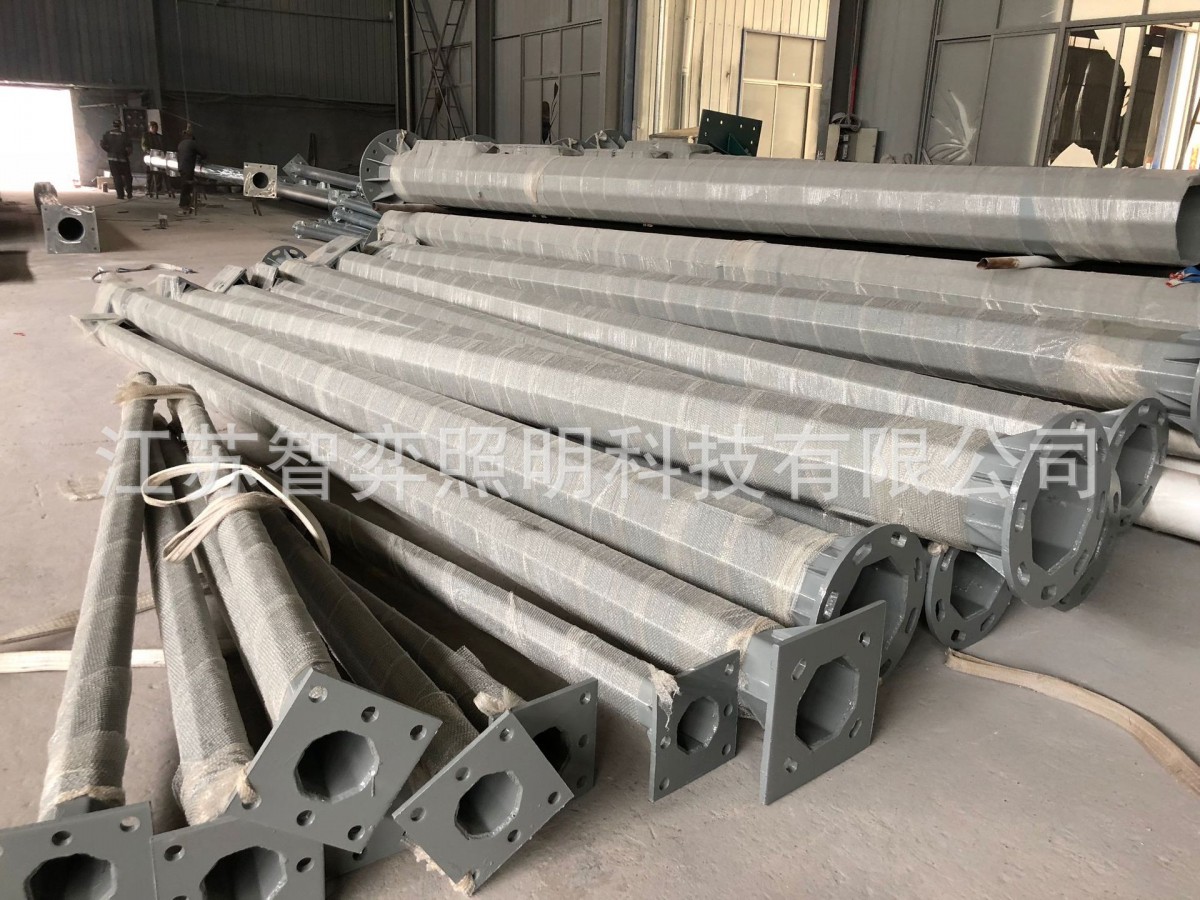
7) Basic Structure: Traffic signal poles and sign poles should consist of upright posts, connecting flanges, shaped brackets, mounting flanges, and pre-buried steel structures.
8) The upright and its main components should be made of durable structures, composed of materials capable of withstanding suitable mechanical, electrical, and thermal stresses. These materials and electrical components should be moisture-proof, non-igniting, fire-resistant, or flame-retardant products.
9) All exposed metal surfaces of the upright and its main components should be protected with a hot-dip galvanized coating, ensuring uniformity and a thickness of not less than 55μm.
10) The quality of assembly for the upright and its main structural components should meet the following requirements:
11) The height of the pole and its main components is allowed to deviate ±200mm.
12) The allowable deviation for the cross-sectional dimensions of the upright and its main components is ±3mm.
13) The allowable deviation for the tower axis displacement after the installation of the upright and its main components is ±5mm.
14) The vertical deviation of the upright and its main components is allowed to be 1/1000 of the tower height.
15) The poles and their main components should be proportionate and consistent in size. The truss tower should serve as an effective guide and positioning for the lighting bracket's lifting and lowering.
16) The connecting bolts for steel structures should be simple and uniform, with M16 being a suitable specification. The joints should have anti-loosening measures and be firmly reliable.
17) All welds on the upright and its main components must meet the standard requirements, with a smooth and even surface, free of defects such as voids, slag, incomplete welding, and open joints.
18) Under conditions of meeting reasonable wind load intensity, the displacement (deflection value) at the top of the vertical rod and its main components should not be less than 1/200 of the height of the vertical rod and its main components.
19) The poles and their main components are equipped with lightning protection. The non-electric metal parts of the lighting form an integral structure, connected to the grounding wire via grounding bolts on the housing.
20) The protection rating for the upright and its main components' housing shall not be less than IP55. The protection rating of the upright and its main components should meet the requirements of outdoor usage environments.
21) The pole and its main components should be equipped with a reliable grounding device, with the grounding resistance ≤10 ohms.
22) The type and dimensions of the pole and its main components' foundations should be determined based on the seismic intensity at the lighthouse installation site, wind load strength, geological conditions, and specific requirements from the customer. Detailed installation drawings and construction requirements should be provided as requested (specifically including: the concrete strength of the foundation should not be lower than C20; an M24 anchor bolt should be pre-buried at the top of the foundation, with the bolt protruding at least 100mm above the foundation, and the deviation in the pre-burial position of the bolt should not exceed ±2mm; the location and specifications of the pre-buried steel pipe for the incoming cable).
23) The outdoor control switch boxes for the uprights and their main components should be made of stainless steel and coated with plastic spray on their surfaces.
24) The uprights are made of Φ159×6 seamless steel tubes; the connection end (0.2m) of the upright to the cross arm is made of Φ89×4.5 seamless steel tubes, with a reinforcing plate (δ10 steel plate) for protection. The upright is connected to the foundation with a flange and pre-buried bolts, with a reinforcing plate (δ10 steel plate) for protection. The cross arm is connected to the upright end with a flange, and a reinforcing plate (δ10 steel plate) is welded for protection; the centerline of the upright is 5m away from the end of the cross arm nearest to the road centerline. The cross arms are made of Φ89×4.5 seamless steel tubes; three vertical pipes are evenly welded in the middle of the cross arm, using Φ60×4.5 steel tubes.
25) The flag pole is fully hot-dipped galvanized.
26) During construction, the foundation is cast on-site. Before casting, a 20CM thick sand cushion layer is laid in the pre-dug trench. The upper surface of the sign post foundation is at the same elevation as the road infrastructure nearby the post.
27) When the area of the signboard in compliance with national standards does not exceed 4.5 square meters, its wind resistance is 8 levels.
The flag pole is installed, and the base nut is welded for protection.
1. Basic Structure: Traffic signal poles and sign posts shall be composed of upright poles, connecting flanges, shaped support arms, mounting flanges, and pre-buried steel structures.
2. uprights or transverse bracing arms are made of straight seam steel pipe or seamless steel pipe; the connection ends of the uprights and transverse bracing arms are connected with steel pipes identical to the transverse arms, with reinforced plates for welding protection; the uprights are connected to the foundation with flanges and pre-buried bolts, with reinforced plates for welding protection; the connection method between the transverse bracing arms and the uprights' ends uses flange connections, with reinforced plates for welding protection.
3. All welds on the uprights and their main components must meet the standard requirements, with a smooth and even surface, ensuring even, smooth, solid, and reliable welding without any defects such as air holes, slag, loose welding, or incomplete welding.
4. The uprights and their main components are equipped with lightning protection. The non-electric metal parts of the lighting form an integral unit, connected to the grounding wire through grounding bolts on the housing.
5. The upright posts and their main components should be equipped with a reliable grounding device, with the grounding resistance not exceeding 10 ohms.
6. Wind resistance: 45 kg/m²/h.
7. Surface Treatment: Pickling and phosphatizing followed by hot-dipped galvanized and powder coating.
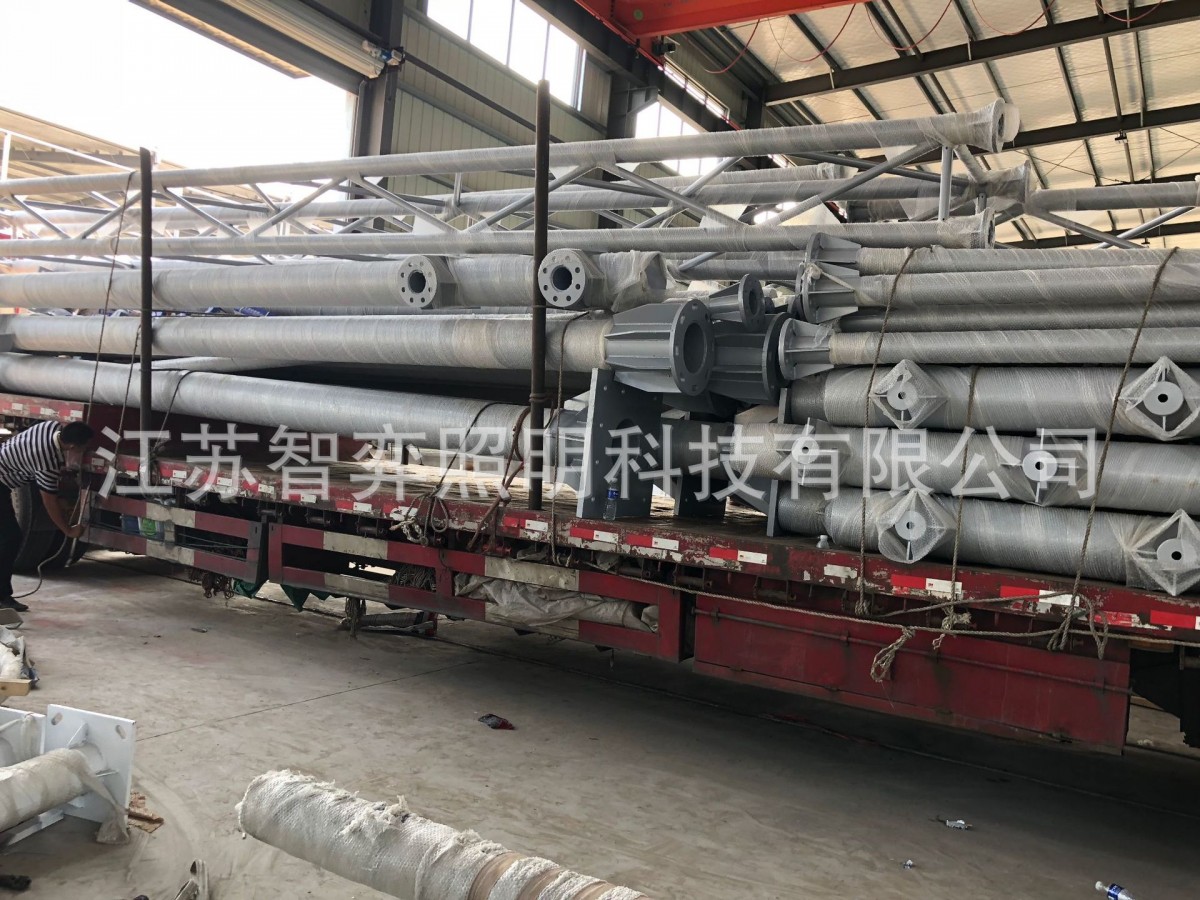
8. Traffic Signal Pole Styles: Round, Conical, Variable Diameter, Square Tube, Frame
9. Traffic Signal Pole Material: Generally made of Q235 steel pipe welding. Main Technical Parameters: Pole Height: 6000mm-7500mm Arm Length: 2000mm-24000mm Main Pole: Wall Thickness: 4mm-12mm Crossbar: Wall Thickness: 2mm-8mm Pole Surface: Hot-Dipped Galvanized Protection Grade: IP54