







1. Overview
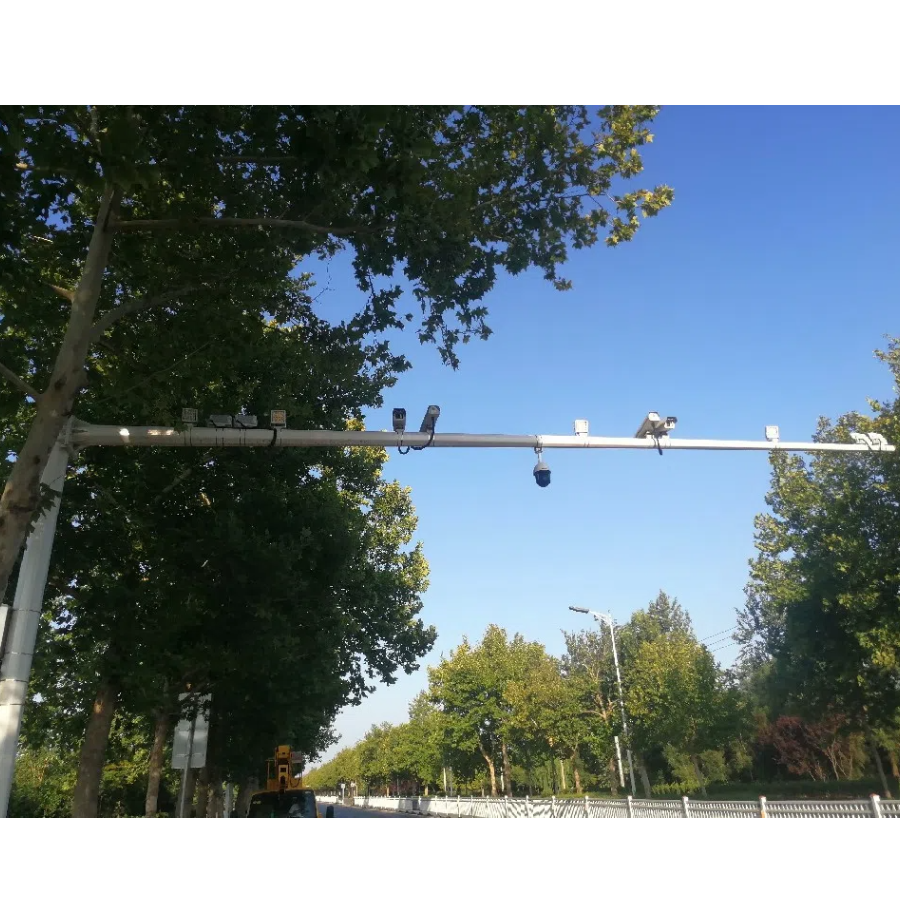
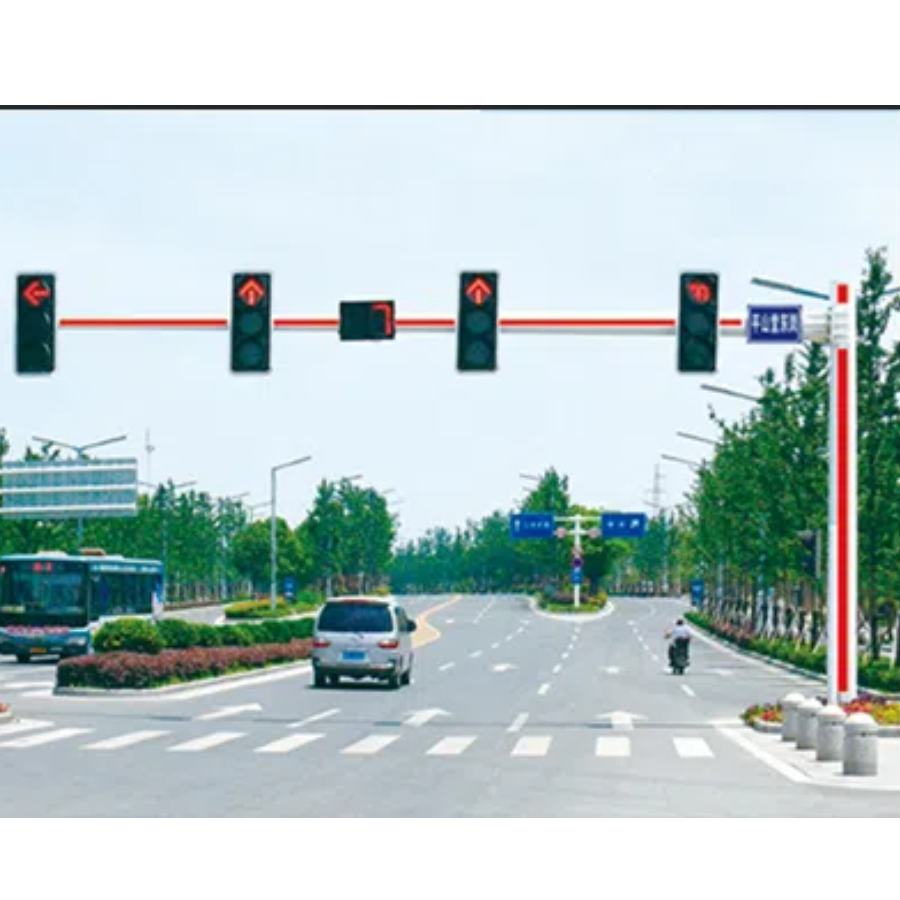
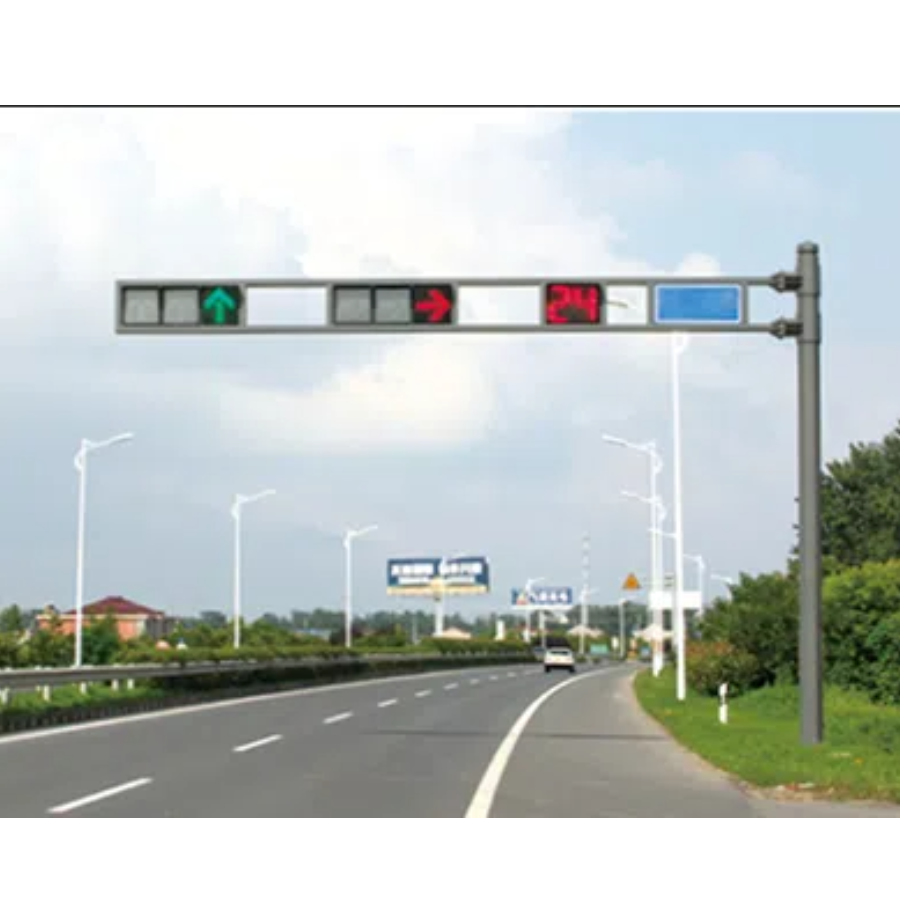
The video vehicle detection system consists of cameras (which can utilize resources such as intersection electronic surveillance cameras), the main receiver of the video vehicle detector, and configuration software. It can collect images using intersection cameras for vehicle analysis, without the need for any wiring or additional hardware. It features simple installation, large information collection, accuracy, intuitive reliability, and can flexibly set detection areas as needed, with direct reflection of road conditions.
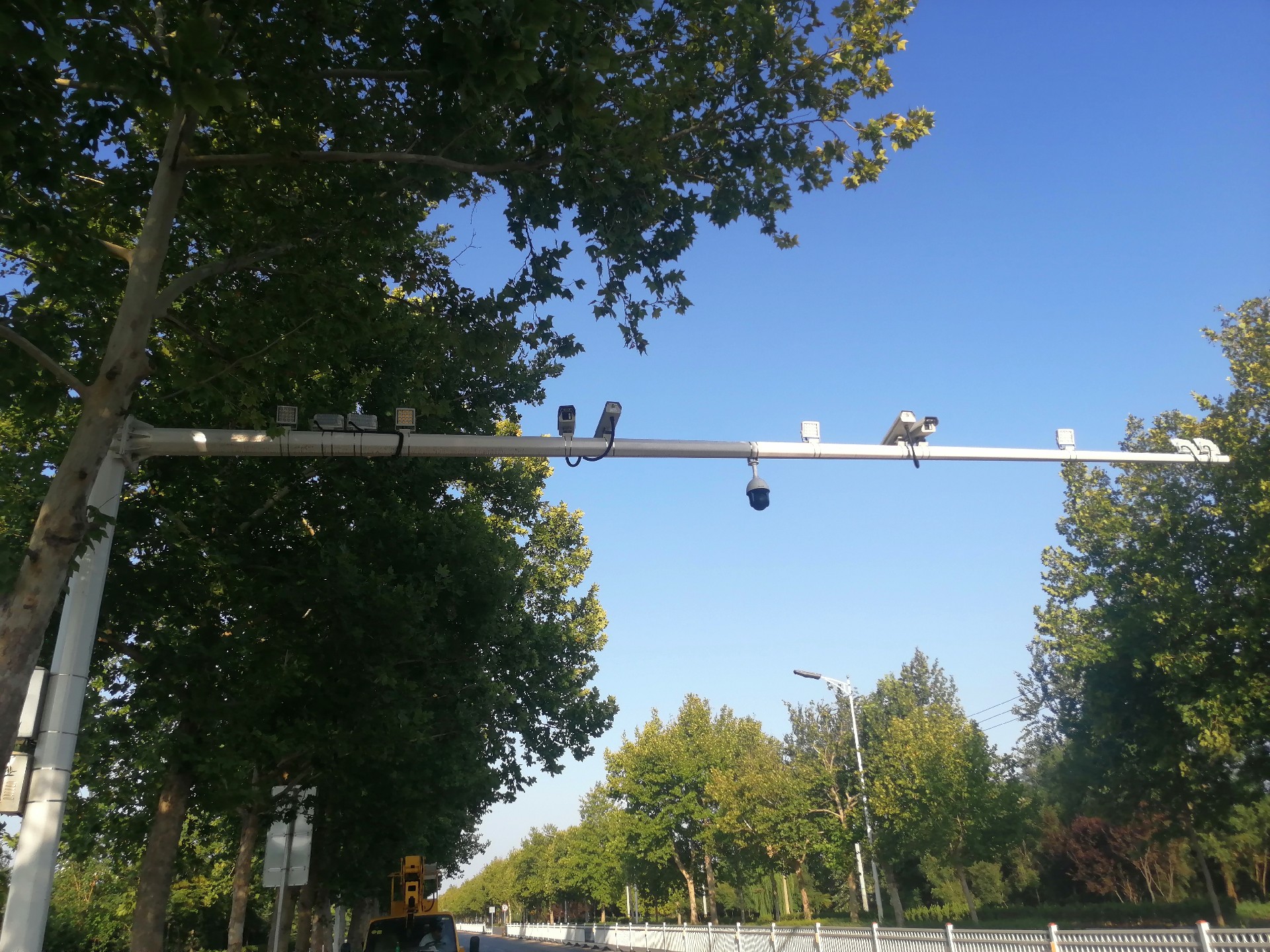
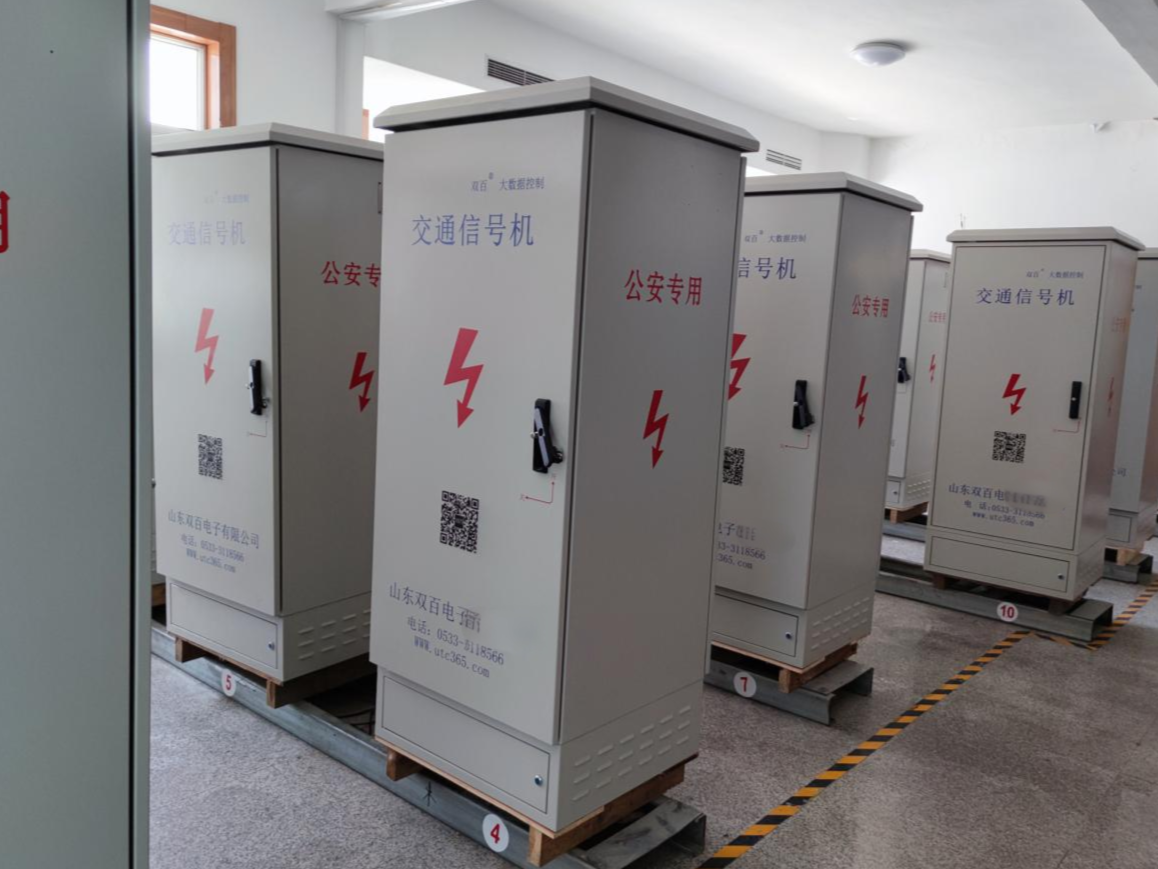
This product utilizes a video vehicle detector to monitor traffic flow in intersections, road sections, and areas in real-time, simultaneously uploading traffic information to the traffic signal and enabling the calculation of vehicle speed and time occupancy at intersections, among other data.
1) The single-point sensing and adaptive control functions can be achieved through real-time data signal units.
2) Multiple intersections within the region can process video traffic data uploaded through a big data control platform, combining with superior machine algorithms to control traffic signals within the region, achieving the goal of regional coordination.
3) Features functional line coordination induction (inductive green wave band).
2. Technical Specifications
Rated Voltage: AC 220 ± 20%
Operating Temperature: -40℃ to 85℃
③ Communication Methods: EIA RS-232C (DB-9), EIA RS-485, 10/100 Base-T Ethernet interface (RJ-45)
④ Support Channels: 64 Channels.
3. System Control Strategy
Traffic data and other information from video vehicle detection systems can enable the following control strategies.
1) Single-point Inductive Control
When traffic conditions at intersections with single-point control change frequently and irregularly, single-point induction control can be used; its control mode is more effective at intersections with heavy and variable traffic flow, where traffic volumes differ significantly in each direction, especially when there is strong randomness in traffic flow. The green light duration for each phase is determined by the traffic volume in each direction, but each phase has a minimum green light duration, a maximum green light duration, and step count as limiting conditions. This reduces the time of empty green light in the direction with no traffic, thereby increasing the intersection's traffic efficiency.
2) Single-point Adaptive Control
The signal controller calculates the traffic load at intersections based on traffic information detected by video detectors, including vehicle flow and occupancy rate, to optimize the control cycle and green-to-red ratio of the signal controller. Adaptive control can optimize the green-to-red ratio based on the queue length set for the signal controller and the real-time phase traffic intensity (a parameter reflecting the traffic state at the intersection), with the green-to-red ratio calculated from the smoothed lane flow values detected by the video detector.
When traffic intensity is less than the critical value corresponding to the current phase number for single-point optimization control, adopt the cycle duration corresponding to the current phase number. Utilize the real-time generated optimization plan, correct the historical optimization plan, and store the corrected results in the traffic signal controller.
3) Line Coordination Inductive Control (Inductive Green Wave Band)
Green Wave Guidance: Coordinates the timing of signals at adjacent intersections along a trunk road, ensuring that most vehicles can proceed through an intersection on green and arrive at the next one also on green, allowing for uninterrupted passage through the trunk road, reducing the need to wait at red lights, and shortening travel time.
Inductive Green Phase Lanes: Enhanced with inductive control, these green phase lanes add the non-coordinated phase's idle time without vehicles to the coordinated phase, thereby increasing the green signal ratio on main arterials and further improving traffic flow efficiency.
4) Regional Coordination and Control
Regional coordination control unifies several network junctions with strong correlation, into a centralized management and control mode that coordinates with each other.
Regional coordination control targets all signal-controlled intersections within a certain area, unifying the coordination of signal cycles, phase differences, and green-to-red ratios to enhance the traffic network's capacity. Regional coordination control is a type of traffic signal control method. All controlled traffic signals within the control area are centrally controlled by the traffic control center, with their control basis still derived from data from the video vehicle detection system.