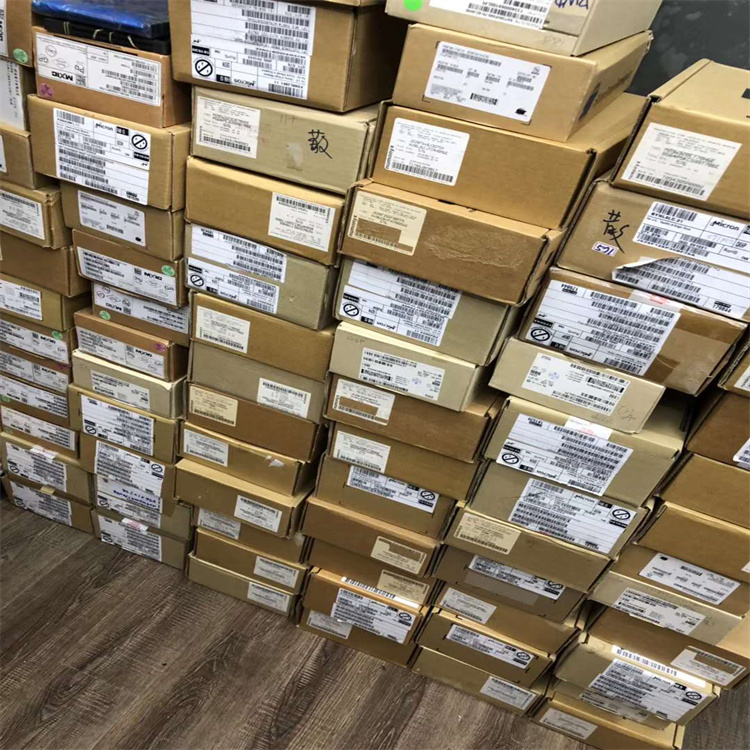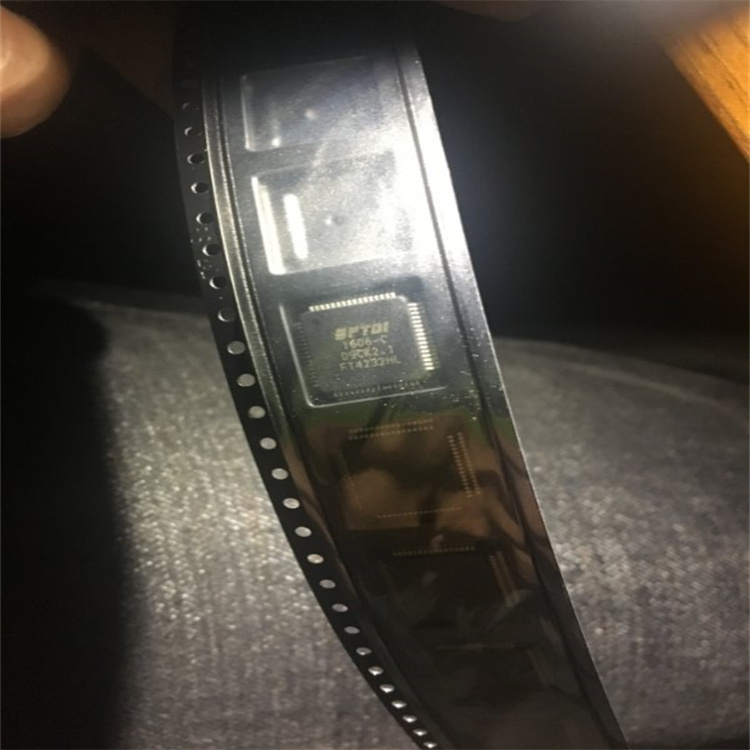












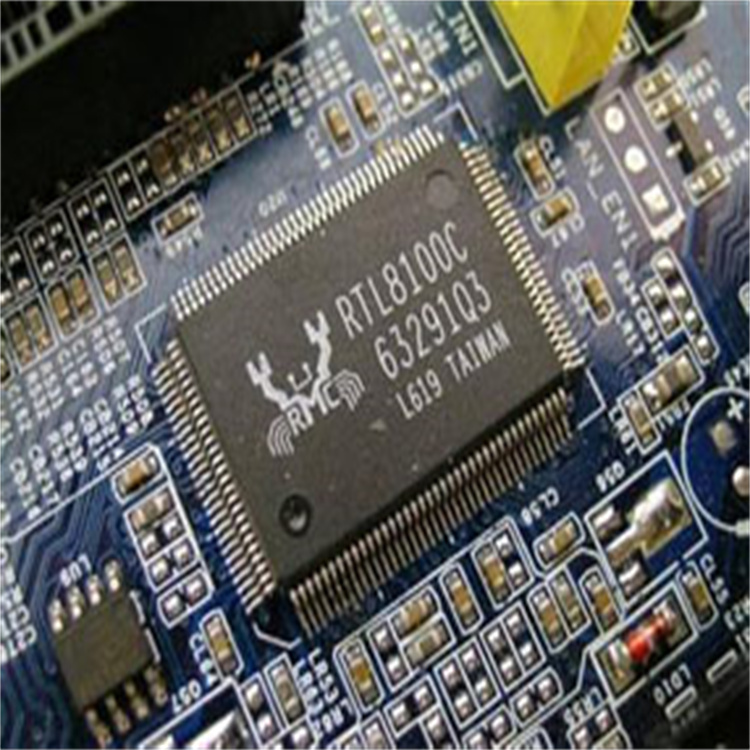
Electronic waste recyclers shall process the discarded electronic appliances and products they collect in accordance with these Regulations. Unprocessed discarded electronic appliances and products shall be handed over to treatment enterprises specializing in the handling of such items. Electronic waste that has been repaired and resold must meet the mandatory requirements of health and technical standards, and should be clearly labeled as second-hand. The specific management measures shall be established by the commerce authorities.
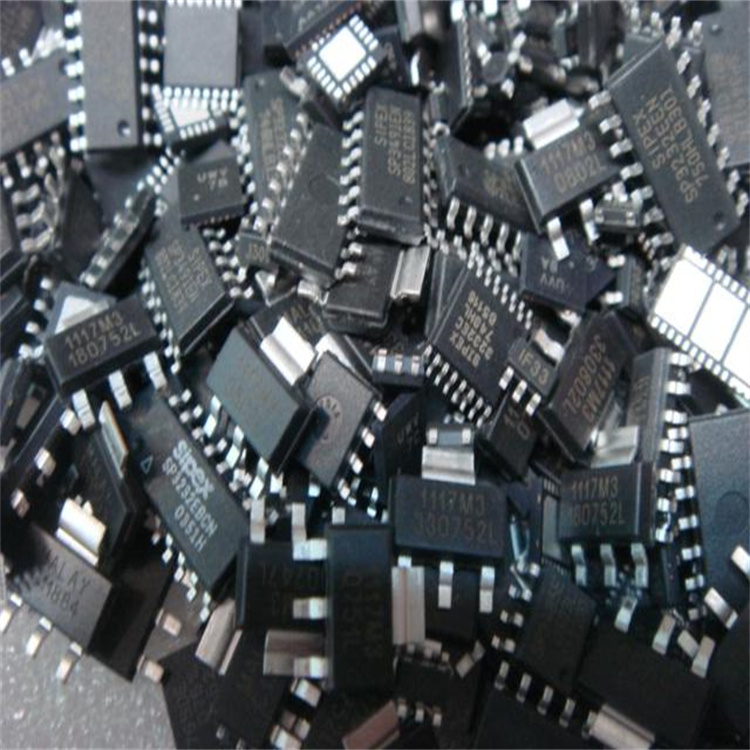
Recycled electronic goods, after repair and sold, must comply with mandatory requirements of regional technical specifications for human health and safety, as well as property safety, and be clearly marked as second-hand. Specific management measures are to be established by the relevant commerce authorities.
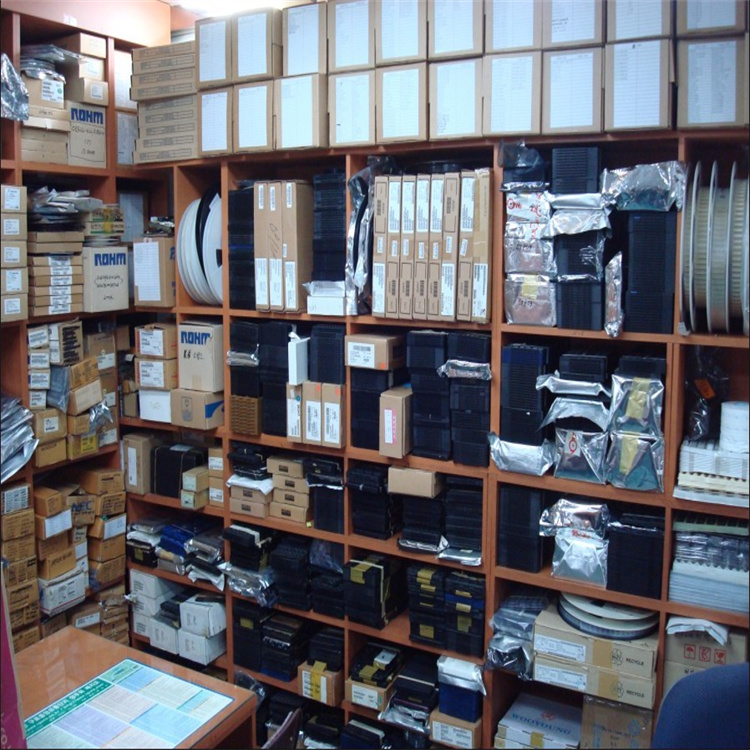
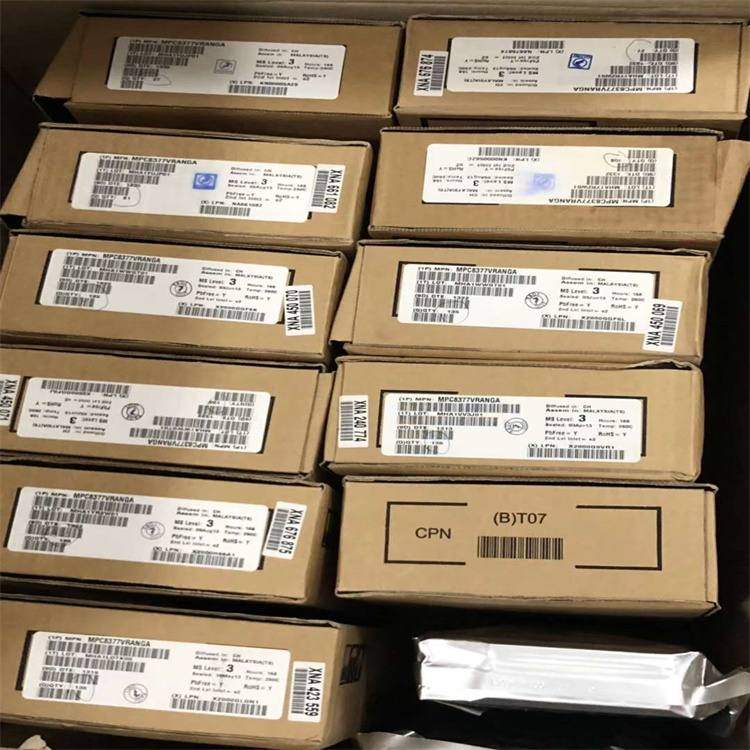
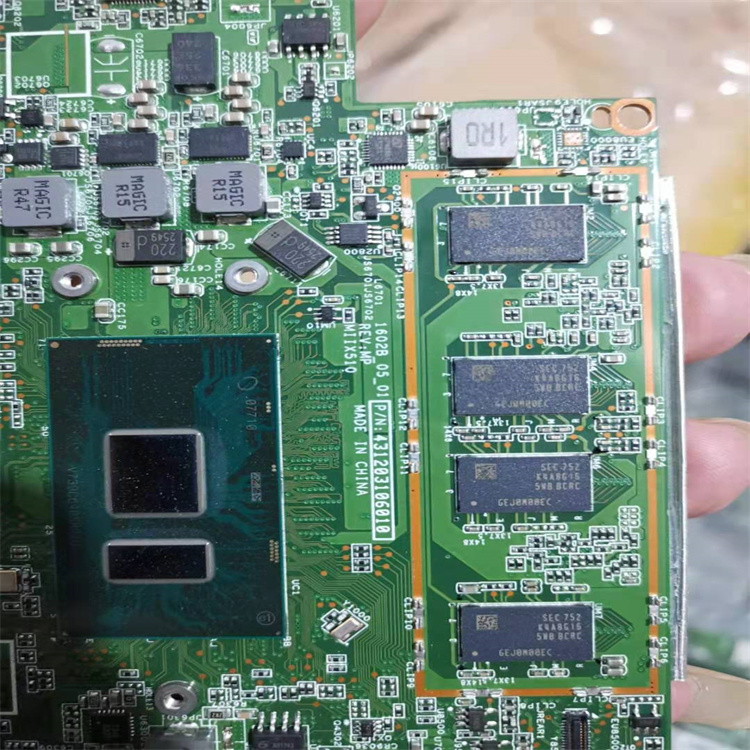
Recycling old electronic waste allows for the disassembly of electronic materials. Components from these discarded electronics can be separated and reused, as they are highly recyclable and their prices are not significantly different from those of new electronic components. This includes items like capacitors, resistors, inductors, oscillators, and more, all of which can be disassembled and repurposed, yielding a substantial return.
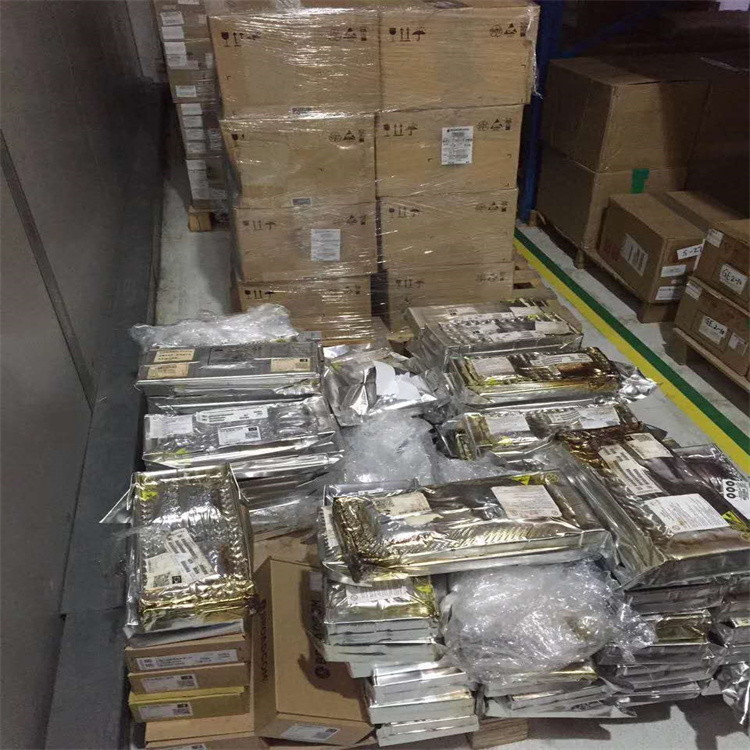
The severity of the electronic waste issue stems from its sheer volume, which is only increasing year by year. We're purchasing more electronic products and replacing them more frequently; it's not uncommon to change phones or computers annually. A significant amount of precious metals is wasted in electronic waste, but if properly recycled, the economic value is still substantial. The gold, copper, silver, titanium, and platinum found within have high recyclability rates. Plastics and rubbers, among other materials, can also be recycled and reused.
Waste electrical and electronic products contain many valuable resources, such as copper, aluminum, iron, various rare metals, glass, and plastic, which are highly recyclable. The cost of obtaining resources through waste electronic recycling and regeneration is not only directly lower than that of extracting resources from ores and raw materials but also saves energy. Strengthening the recycling and utilization of waste electrical and electronic products is of great significance for developing a circular economy and overcoming the constraints of resource shortages on China's economic development.
Our firm adheres to the corporate philosophy of "people-oriented, honest and trustworthy, mutually beneficial, and common development." We sincerely welcome merchants from home and abroad to inquire, negotiate, by visiting in person, sending letters, or making phone calls.