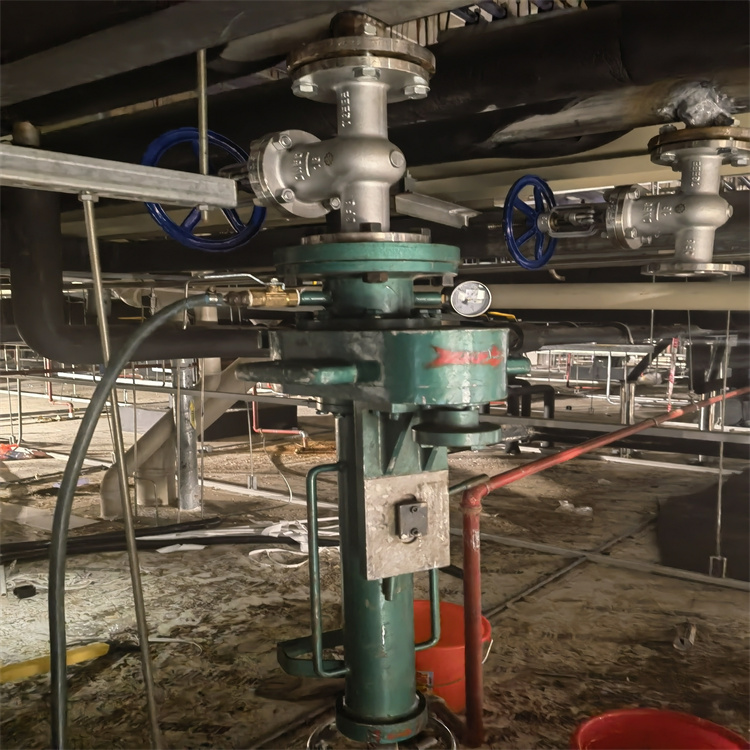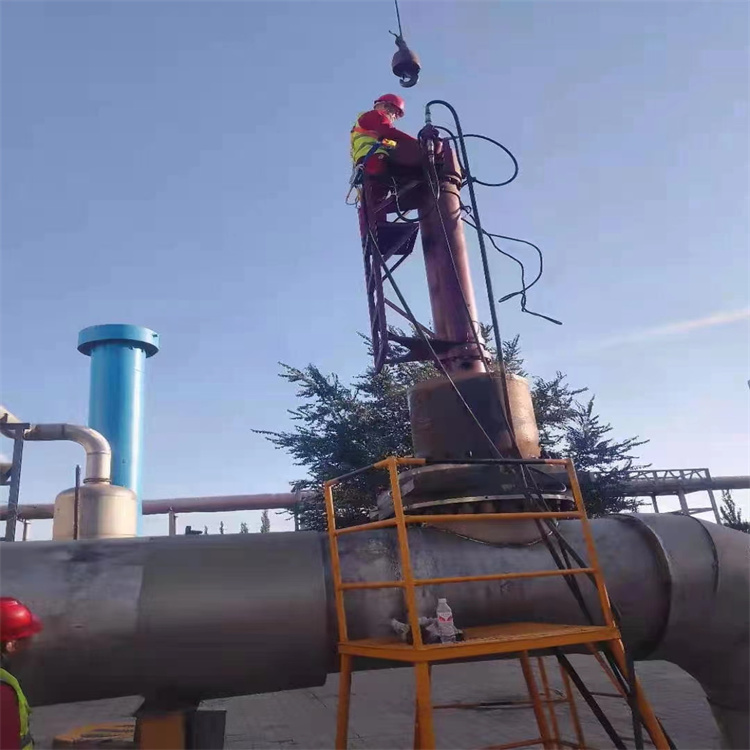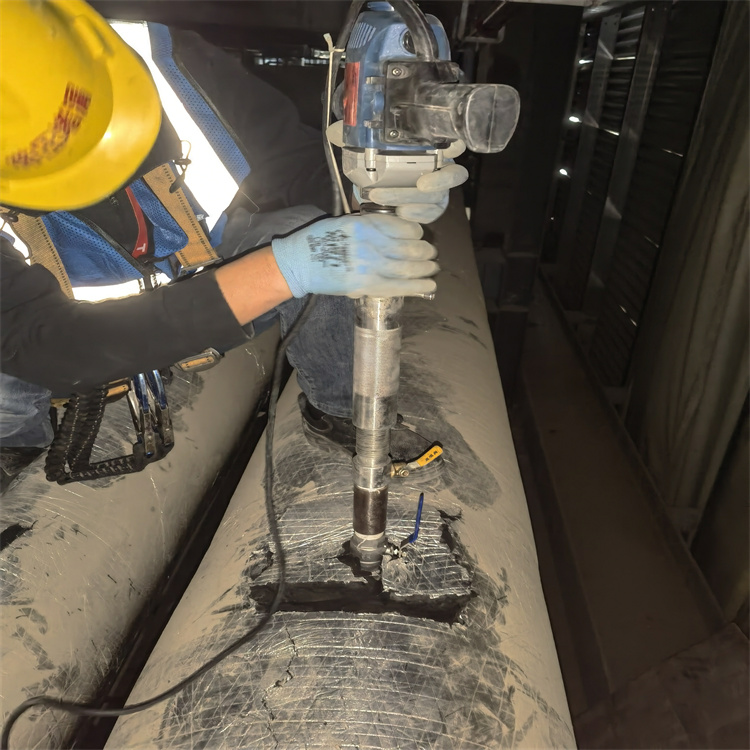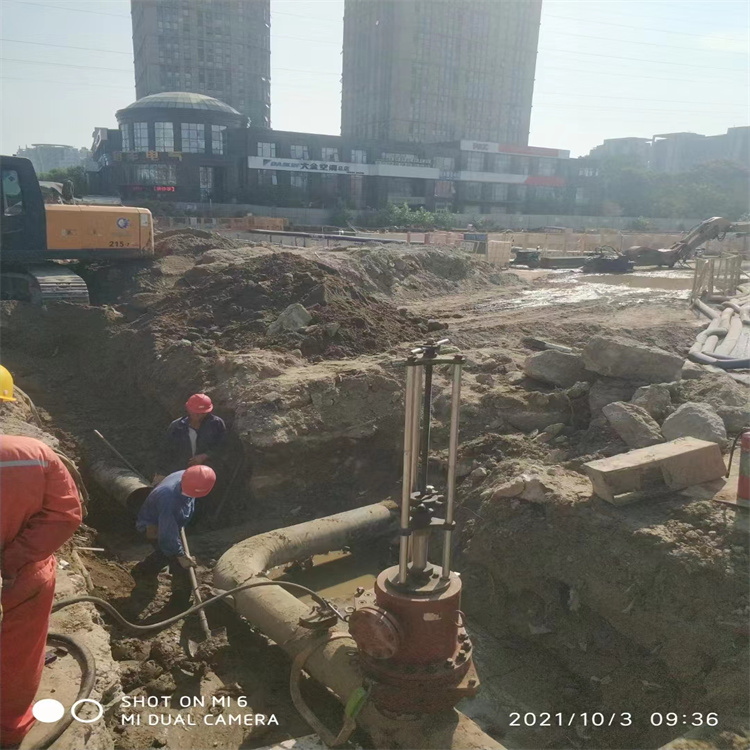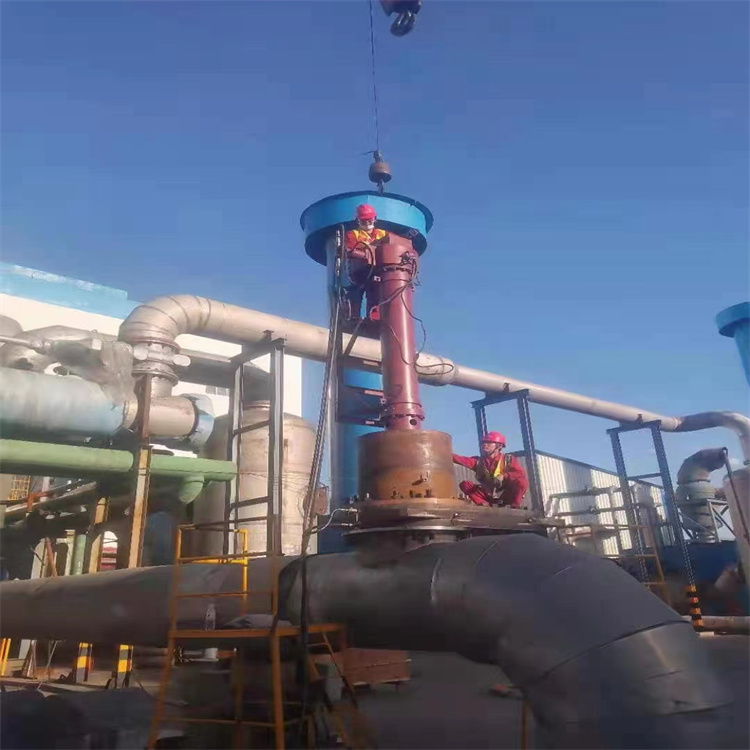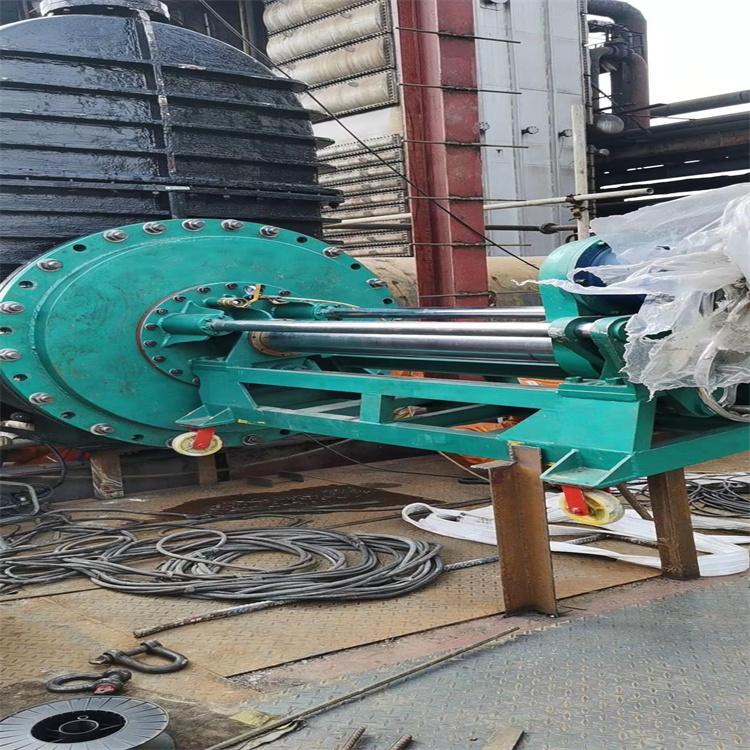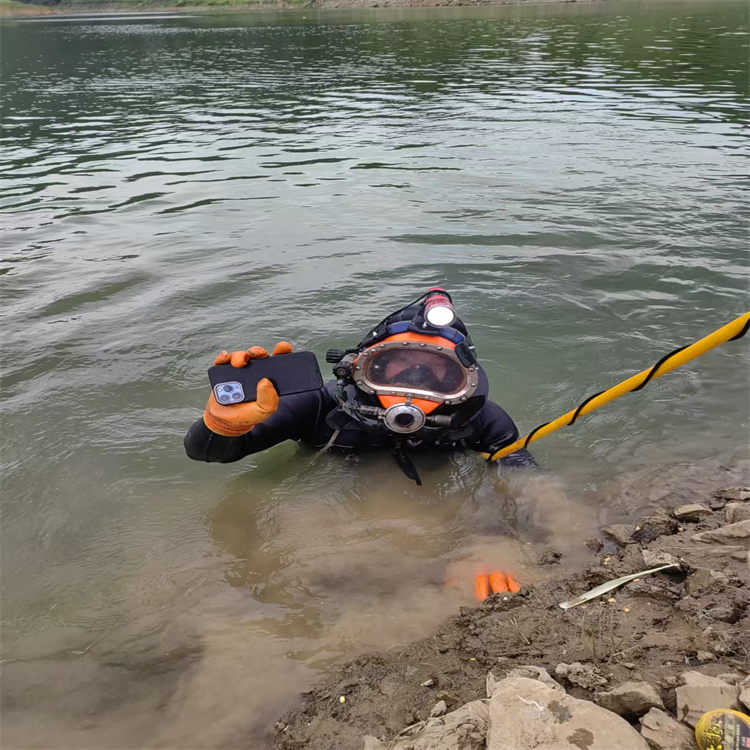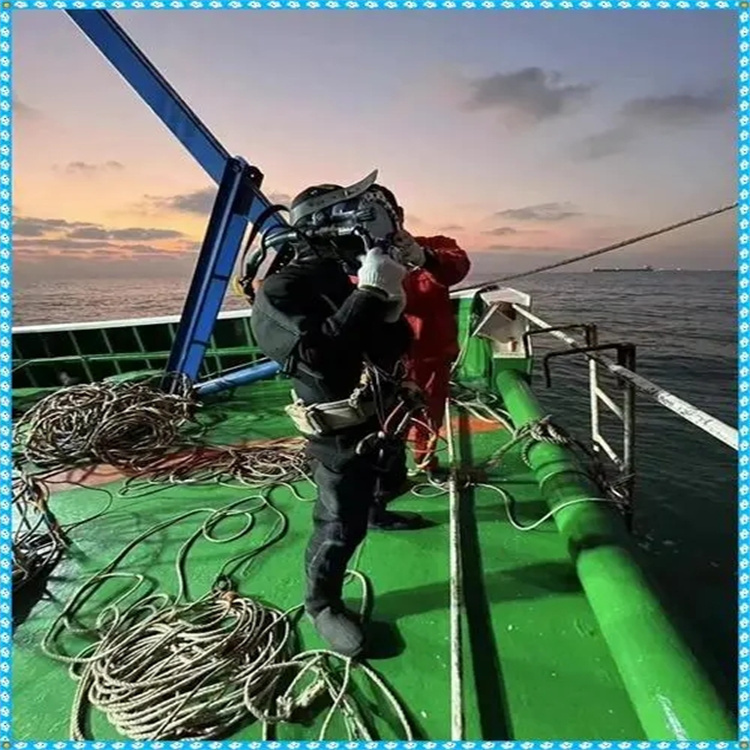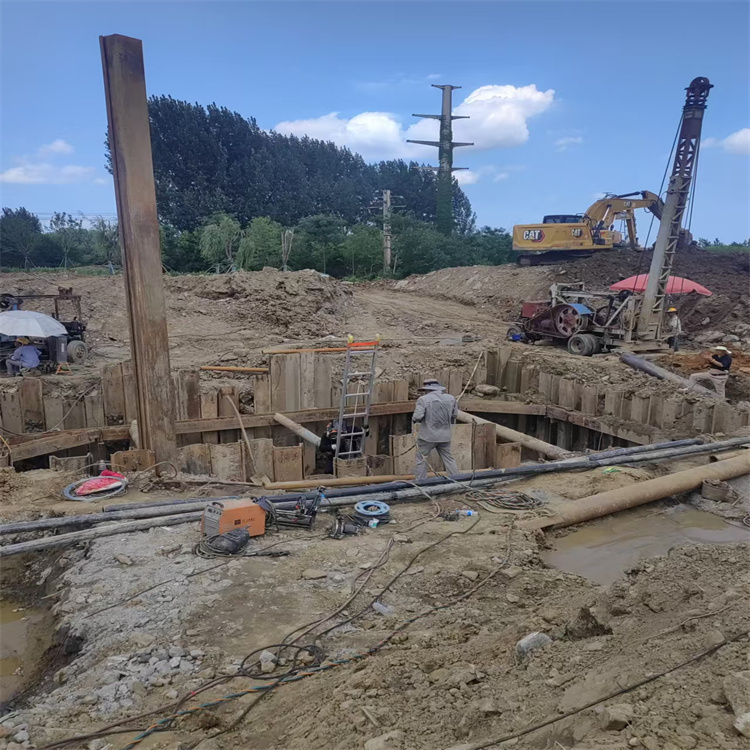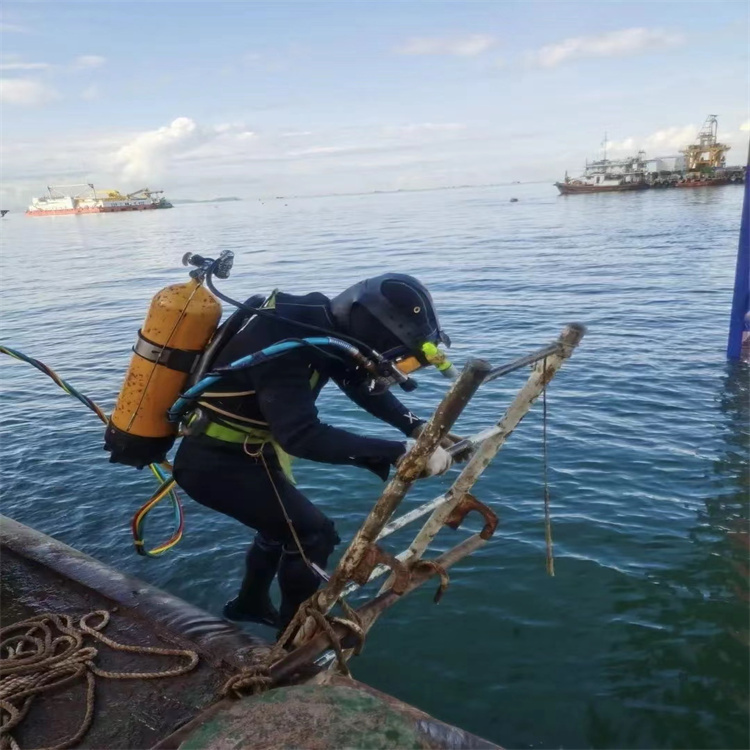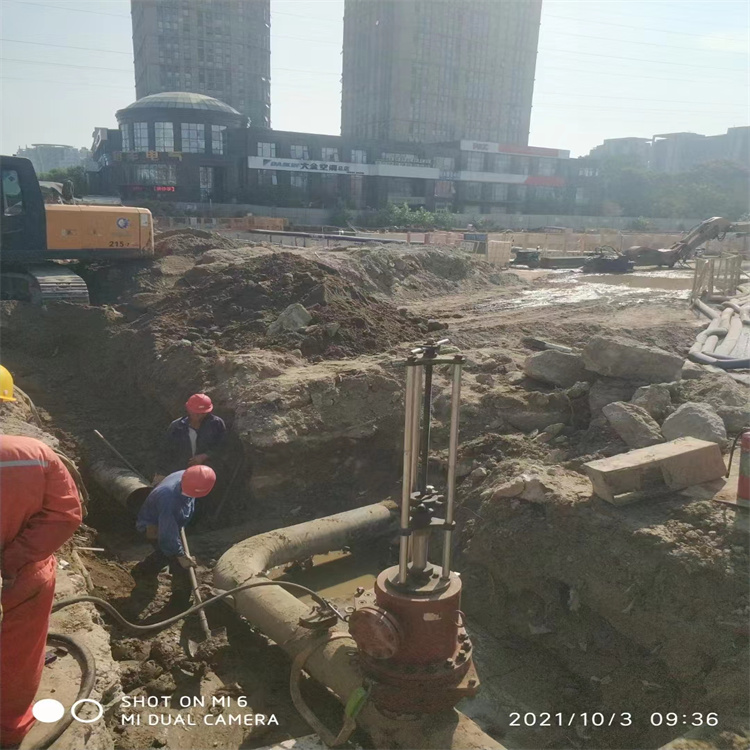

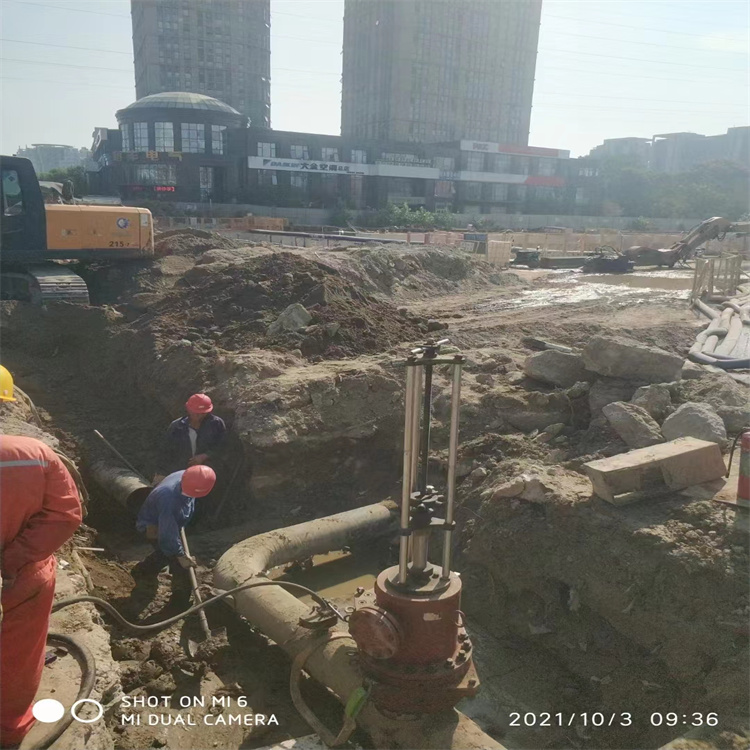









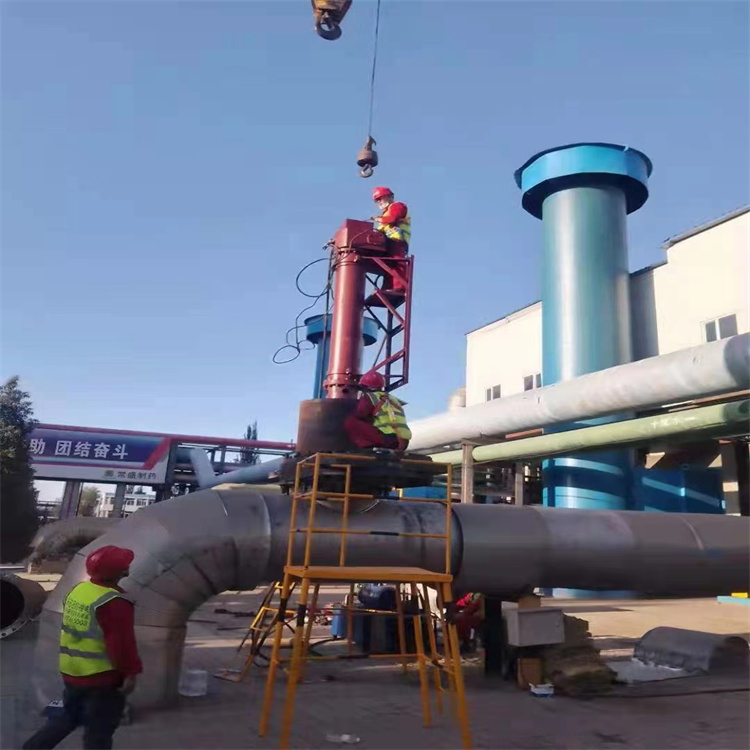
Pipe pressure opening and sealing is a specialized sealing skill with strong summarizing power, high technicality, and significant responsibility. There are various methods for sealing. Of course, the approach should be determined based on the actual situation. Below, I'll give you a specific example to illustrate this:
1. Due to leakage at the sealing surfaces between gaskets, packing, mechanical seals, or the valve seat and ball in globe valves, and the plug body and plug cone in gate valves, the leakage can be eliminated by a tightening and sealing method, which involves applying an appropriate preload to the leaking sealant.
2. Leaks in the gate valves, stop valves, or mechanical seals in the oil storage facility are caused by impurities adhering to the sealing surfaces. These leaks can be resolved through cleaning and sealing methods, which involve using the medium (oil) itself or other liquids (such as water) to clean the impurities from the sealing surfaces, thereby eliminating the leaks.
3. Leaks caused by small holes such as sand holes, corrosion pits, or bullet holes in oil tanks and medium-pressure oil pipelines can be sealed using the mechanical plug method, which involves securing a bolt directly on the tank or pipeline to directly plug the leak.
4. Leaks at junction flanges on oil pipelines or equipment in oil storage facilities, leaks in the stuffing box (or chamber) of sealing equipment for oil pump shafts, valve stems, or gearboxes, and leaks caused by localized wear on equipment components can all be resolved through adjustment and sealing methods, which involve adjusting operations, adjusting the preload of sealing elements, or adjusting the relative positions of the sealing parts.
5. Low-pressure pipelines or small-diameter leak points on equipment such as oil tanks, pipelines, and filters can be sealed using mechanical clamps, which involve selecting clamps (clips) to tightly secure a sealing gasket and cover over the inside or outside of the hole, thereby eliminating leaks.
6. Leaks in the gate valves, stop valves, or mechanical seals in the oil storage facility are caused by impurities adhering to the sealing surfaces. These leaks can be resolved through a cleaning and sealing method, which involves using the medium itself (such as oil) or another liquid (like water) to clean the impurities from the sealing surface, thereby eliminating the leaks.
7. Leaks in the walls of large equipment containers such as oil tanks and filters can be sealed using mechanical support methods, which involve setting up support frames around the equipment, tanks, and pipelines, and then using gaskets and seals to block the leaks.
8. Sealing of threaded joints, pipe fittings, and other pipe sections can be achieved through mechanical clamping, which involves using hydraulic clamping devices to grip the leakage area, causing deformation for a tight fit or pressing a gasket against the leakage point, followed by eliminating the leak.
9. Leaks in low-pressure, user-friendly oil storage equipment and pipelines can be sealed using mechanical clamp methods, which involve using bolts to securely fasten a sealing gasket and clamp over the inside or outside of the hole, thereby eliminating the leak.
10. Leaks at pipe, flange, threaded areas, etc., can be sealed using the encapsulation method, which involves enclosing the leak with a metal sealed cavity and filling it with sealing material or adding a sealing gasket at the junction.
11. Equipment such as oil tanks and pipelines, with thick walls and large holes, may exhibit leaks. These can be sealed using the plug plug method, which involves drilling and threading a hole in the leaky area of the tank, pipeline, or other equipment, followed by tightening a plug and a sealing washer to stop the leak.
12. Sand holes, small holes, and other defects in oil tanks and medium-low pressure pipelines present leakage issues. These can be addressed by the plug wedging method, which involves creating conical or flat wedges from materials with high tensile strength (such as lead, aluminum), wood, or plastic and inserting them into the leaking holes or gaps, then eliminating the leakage.
13. The oil tank is leaking and is difficult to ignite. A method called coating sealing can be used to stop the leak, which involves applying sealants like anaerobic sealants or liquid sealants to gaps, threads, and holes to achieve a seal and prevent leakage.
14. Oil tanks and pipeline equipment in storage are showing oil leakage and are not suitable for fire. They can be sealed using a patching method, which involves directly applying a adhesive material to the leaky areas or coating threads to create a seal and stop the leakage.
15. Leaks are present on the in-warehouse pipelines and equipment with small diameters, especially in severely corroded areas. It's difficult to apply fire, so the method of wrapping sealing can be used, which involves applying adhesive to the leaky areas and the wrapping bands to stop the leakage.
16. Equipment such as valve packing and pump shaft packing exhibit leakage, which can be addressed through a replacement sealing method, i.e., using new sealing components to replace old ones for sealing purposes.
17. Equipment in the oil storage facility, such as packing and flanges, leaks and is difficult to ignite. A solution is to use the strong injection sealant sealing method, which involves pre-making a sealing cavity at the leak and then forcibly injecting the sealant material into the cavity, allowing it to quickly solidify into new packing material to stop the leak.
18. The majority of equipment in the oil storage facility shows leakage through small holes, cracks, and fissures, and the procedures for firework operations have not been properly handled. It is necessary to carefully implement all safety measures, and direct welding to seal the leaks is feasible, which involves directly filling in welding rods into the leak points to stop the leakage.
19. If leakage persists after replacing the sealing parts, it can be addressed by improving the sealing method, which involves enhancing the structure of the sealing parts or sealing equipment at the leakage point to stop the leak. This can include using O-rings or flexible graphite in place of rope packing, using polytetrafluoroethylene rubber tape instead of lead oil and cotton string, and employing spiral seals in place of outdated packing seals, etc.
20. When a sealing method is not effective, it is advisable to use a combination of techniques, known as the comprehensive sealing method. For instance, first insert a wedge, then apply adhesive, and finally secure it mechanically; or initially weld a fixing bracket, then use sealing glue, followed by mechanical pressure.
21. Leaks are present in areas with high bottom tank pressure, large leakage surfaces, or thin, low rigidity walls. It is essential to properly handle firework operations and implement thorough safety measures. The leak can be sealed by direct welding, which involves using the weld seam to secure the pressure cover and sealing components, rather than directly plugging the leak.
22. Leaks at flanges, threaded areas, valves, and piping sections, with proper firework permit procedures in place, and necessary safety measures meticulously executed. These leaks can be sealed using the encapsulation welding method, which involves enclosing the leak in a metallic cavity and then stopping the leakage.