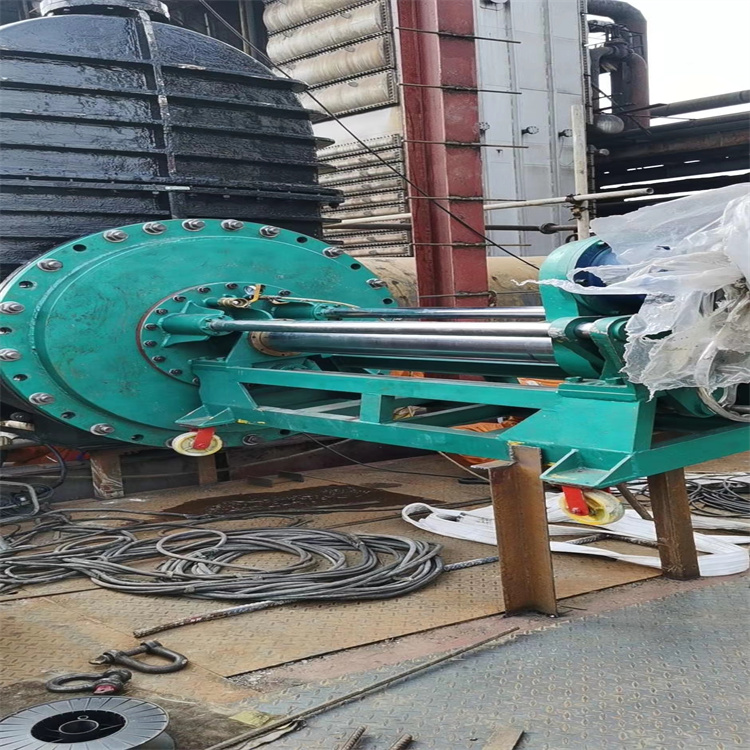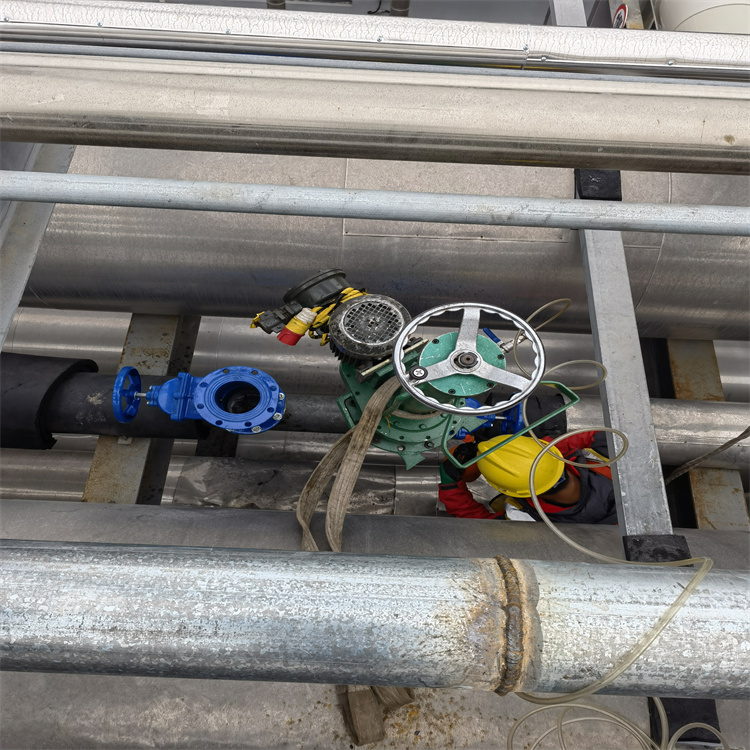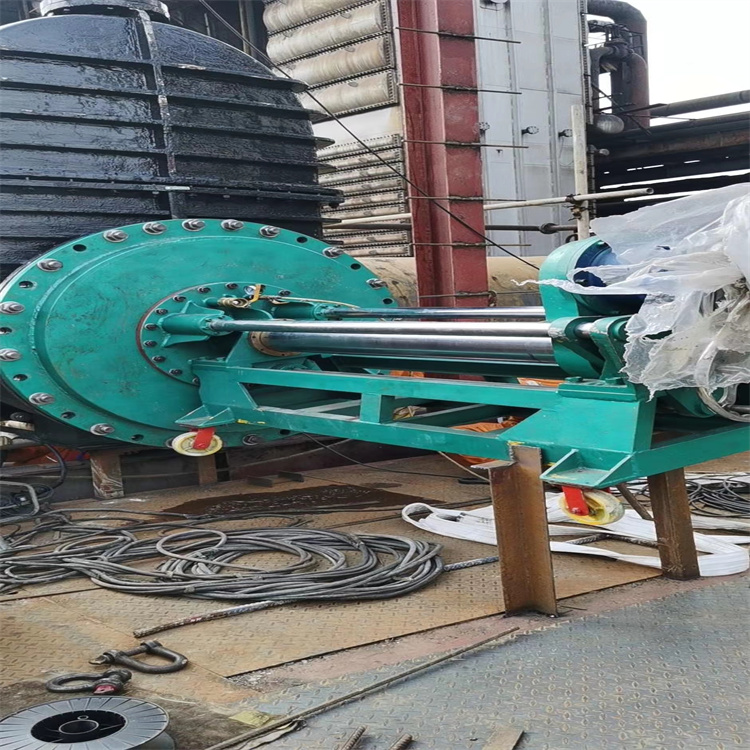








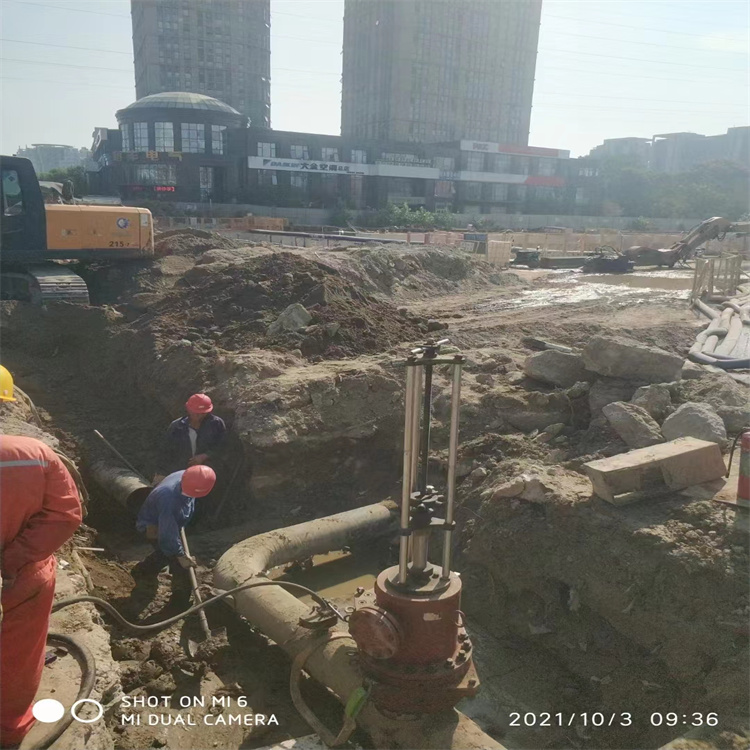
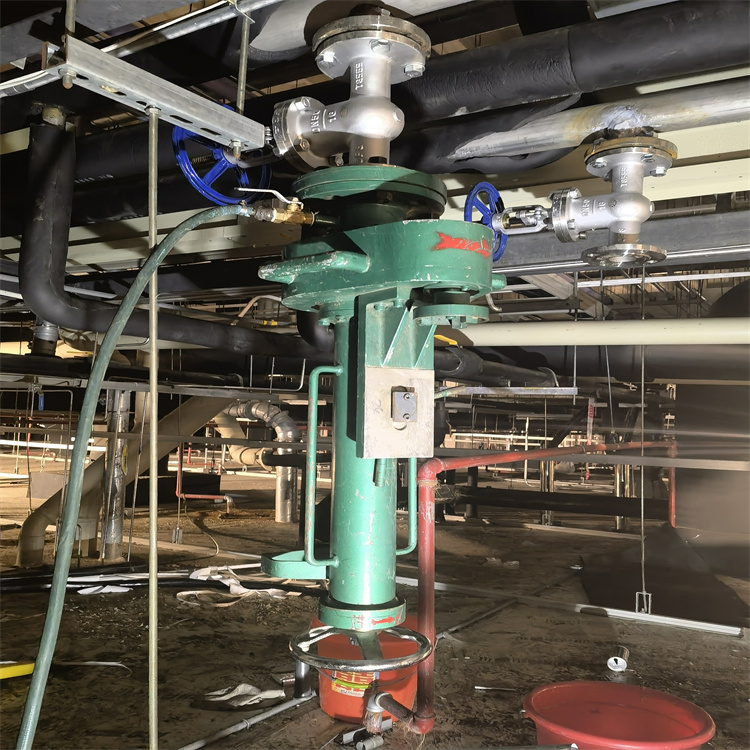
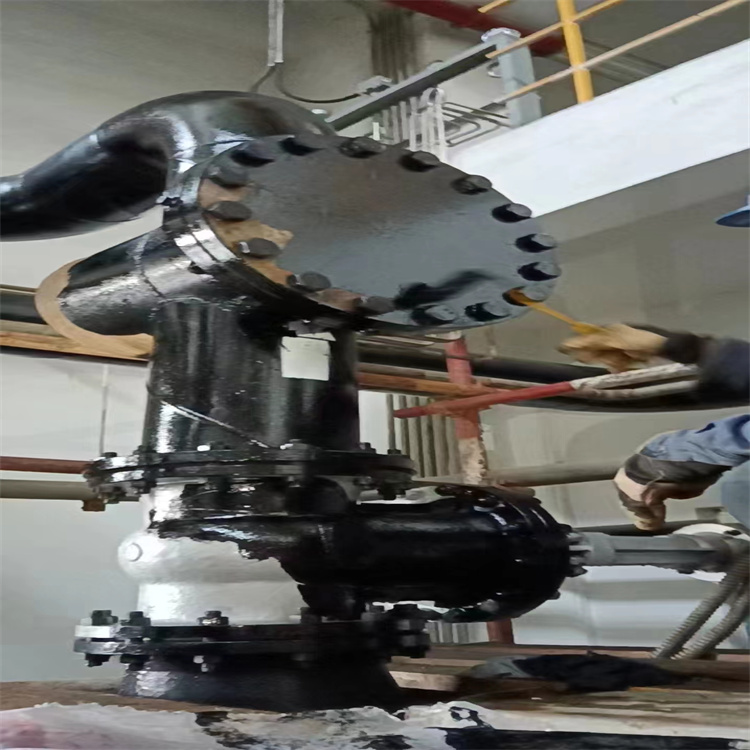
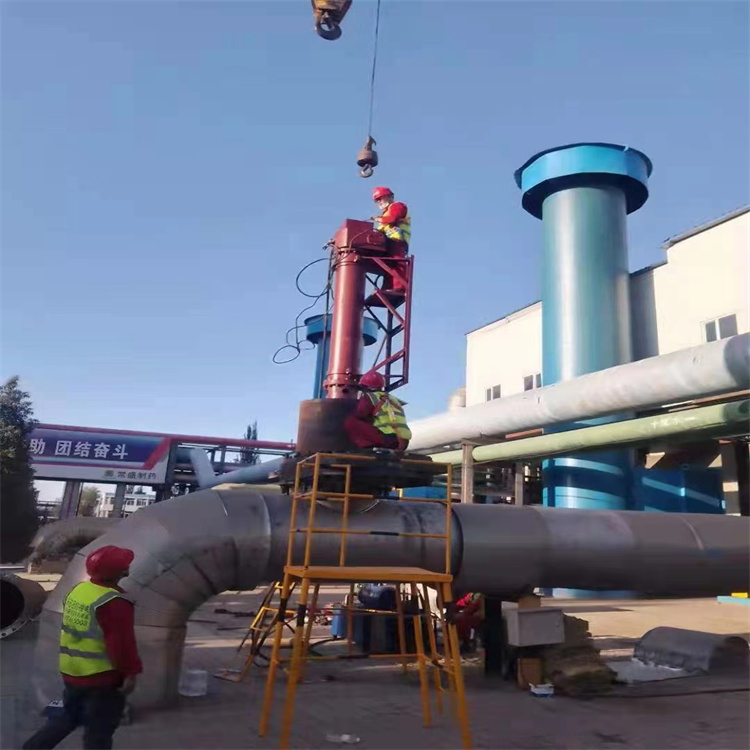
The purpose of pressure tapping is to add bypasses, tees, and other construction techniques to pipelines without halting production under pressure. Firstly, a flanged short section is welded onto the pipeline, followed by a pressure-rated gate valve installed on the flange. The valve must be concentric and have the correct bore diameter; once positioned, the valve
The purpose of pressure tapping is to connect bypasses and tees without interrupting the continuous operation of the pipeline. Firstly, a flange reducer is焊接 onto the pipeline, followed by installing a pressure-rated valve on the flange, ensuring the valve is concentric and with the correct diameter. After positioning, the valve is fully opened, and the tapping machine is then bolted on top. The tapping is carried out according to the operational procedures. Once tapping is complete, the cutting tool is raised to the manifold, and the cut pipe material is removed simultaneously. The valve is then sealed, the drilling machine is removed, and the bypass connection is made.
Pressure-Vessel Drilling refers to a technique that involves machining circular holes in operating pipelines under sealed conditions using mechanical cutting methods, primarily used in the oil, chemical, and pipeline industries. When it's necessary to install a branch pipeline on an in-service pipeline, the pressure-vessel drilling technique can be employed to complete the task, ensuring both the normal operation of the pipeline and the safe, environmentally friendly connection between the old and new pipelines.