
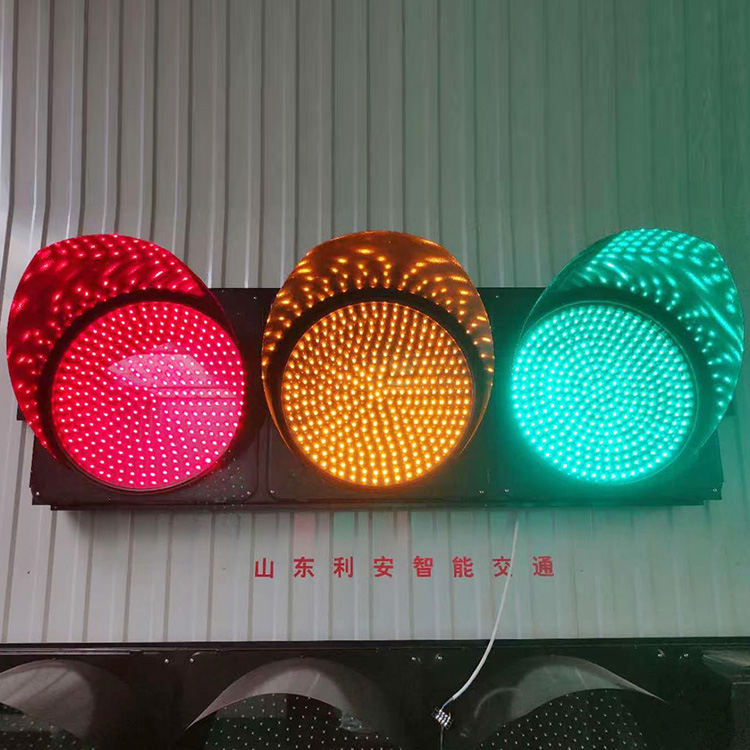


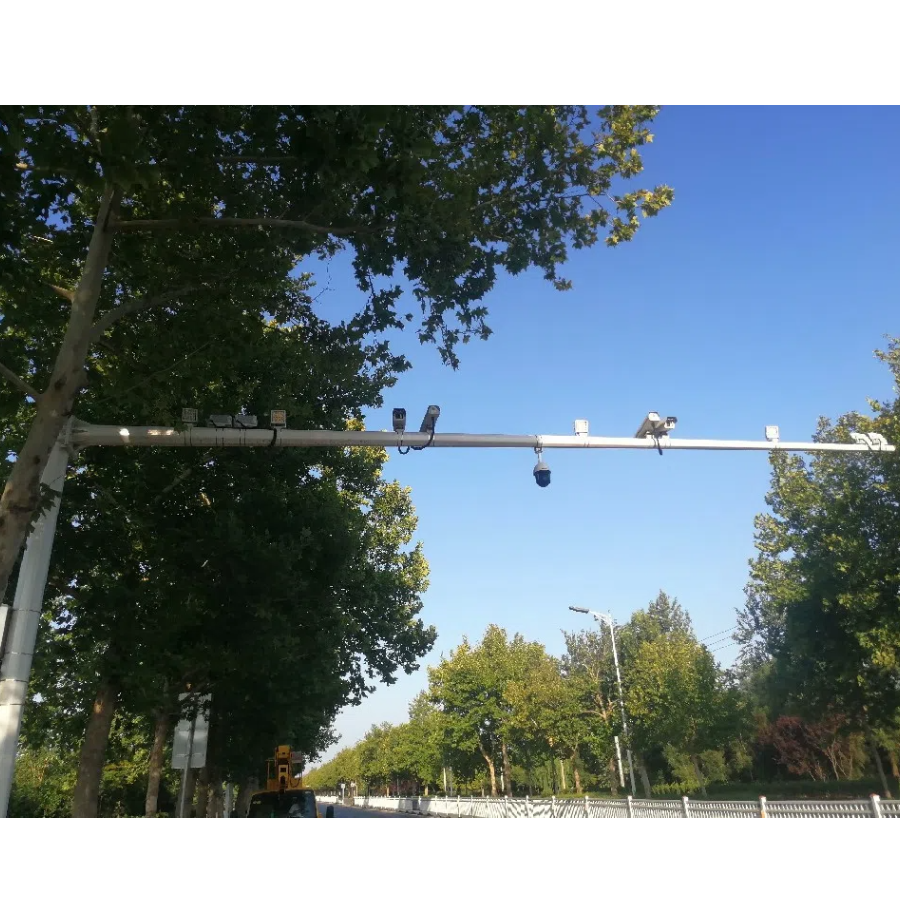
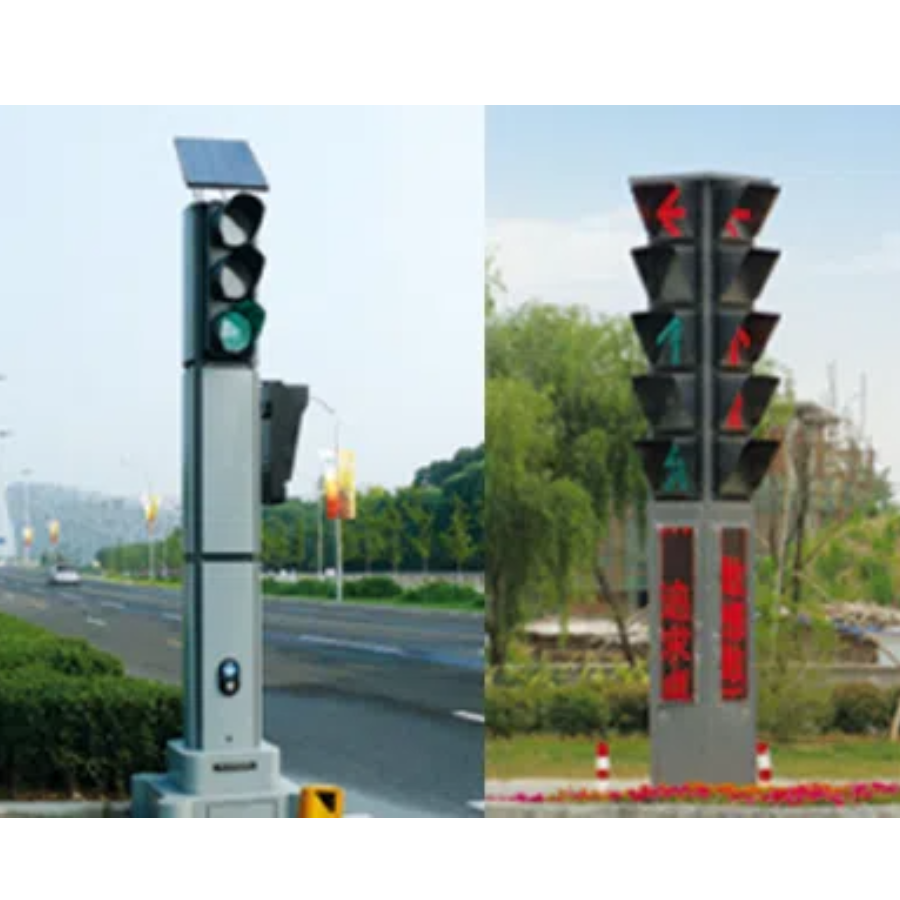
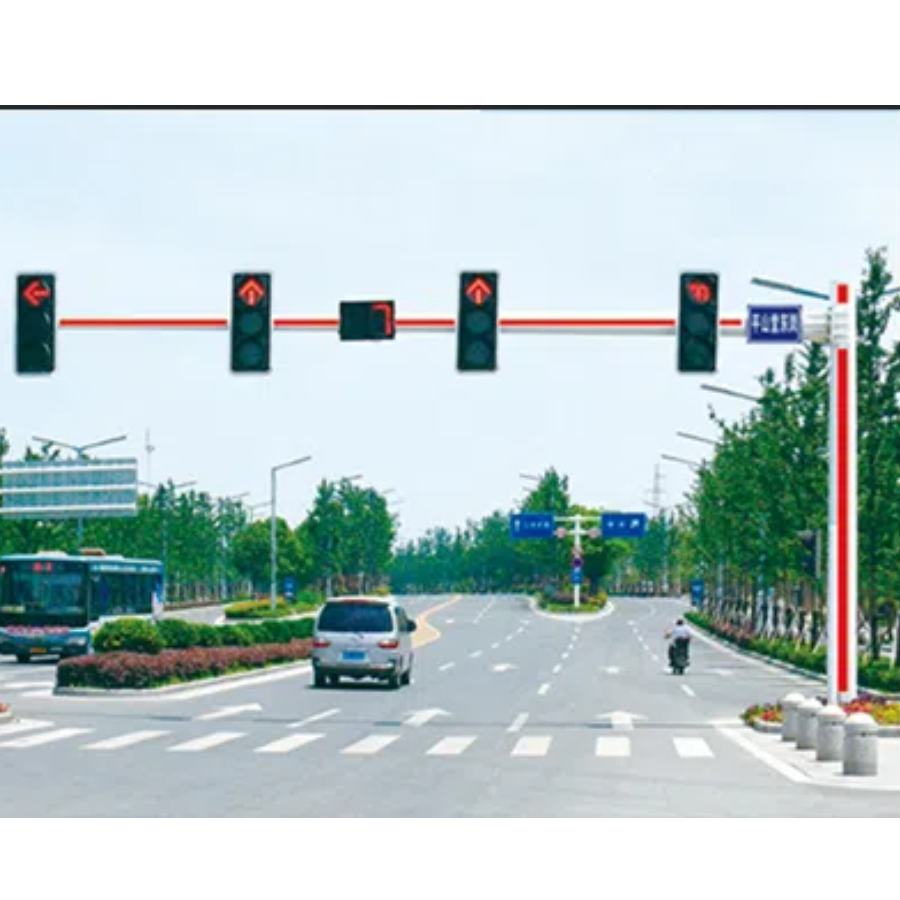





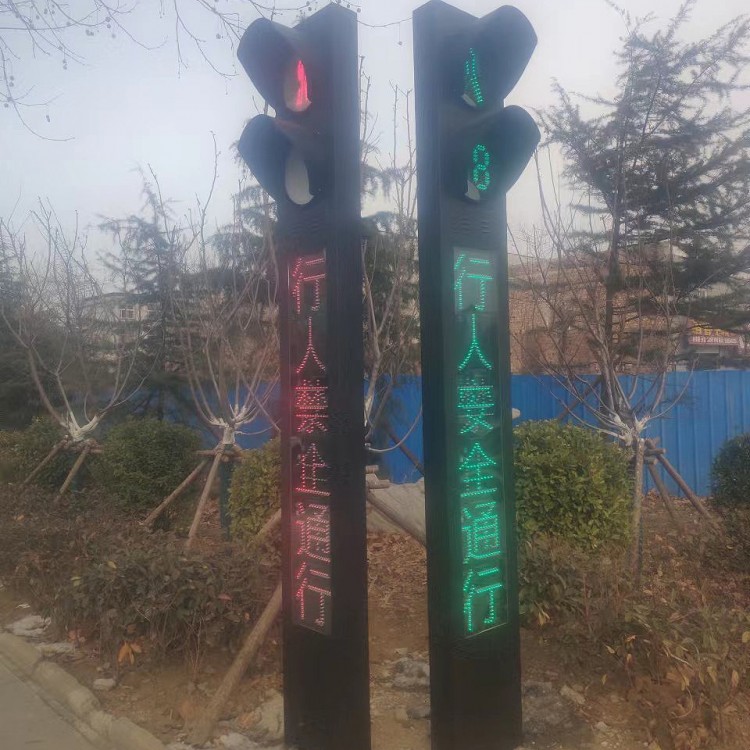
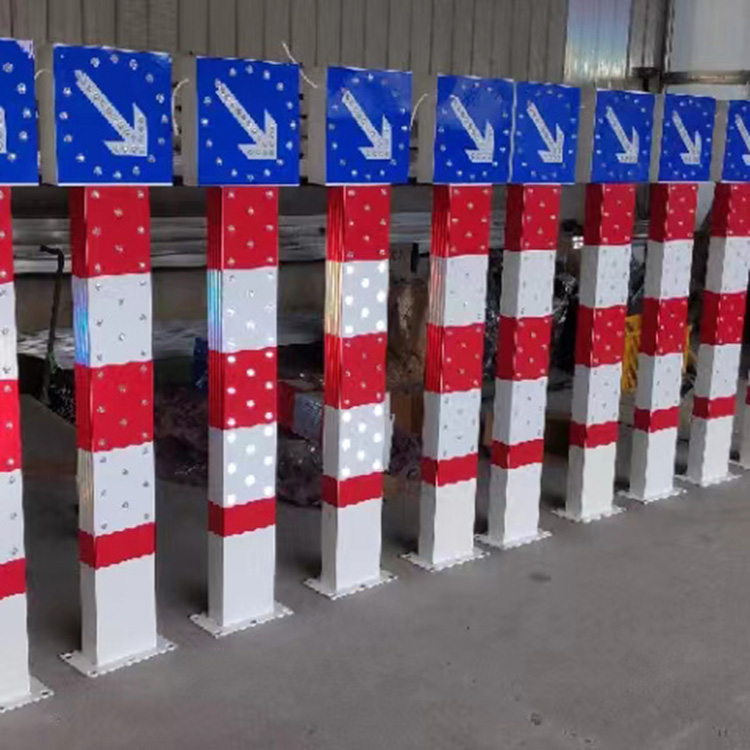
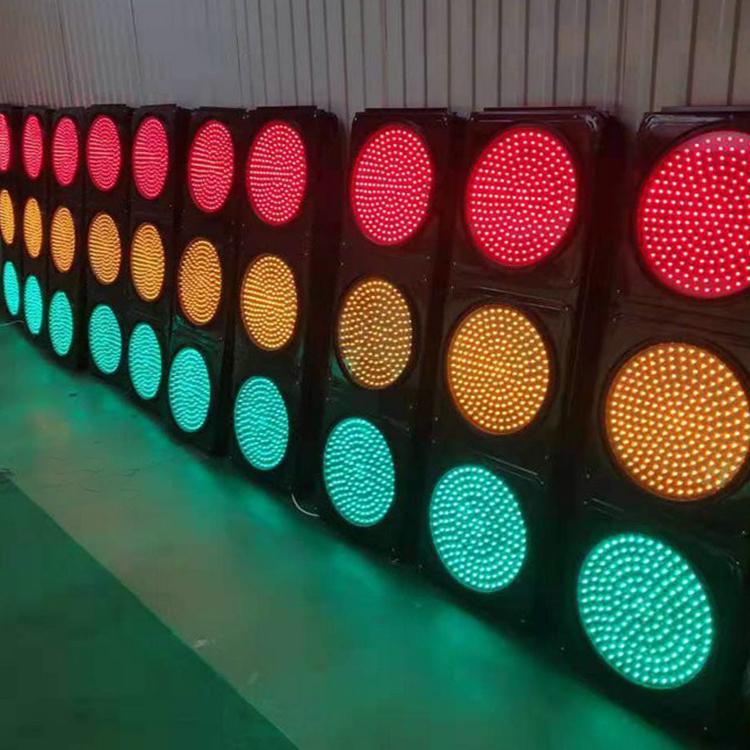
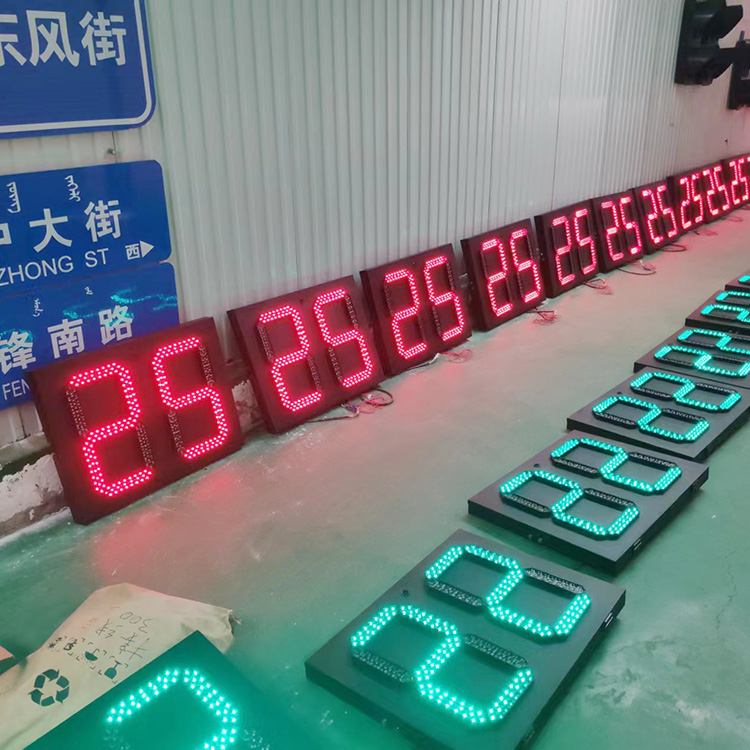


Advantages of using LED traffic signals:
1. Work Visibility
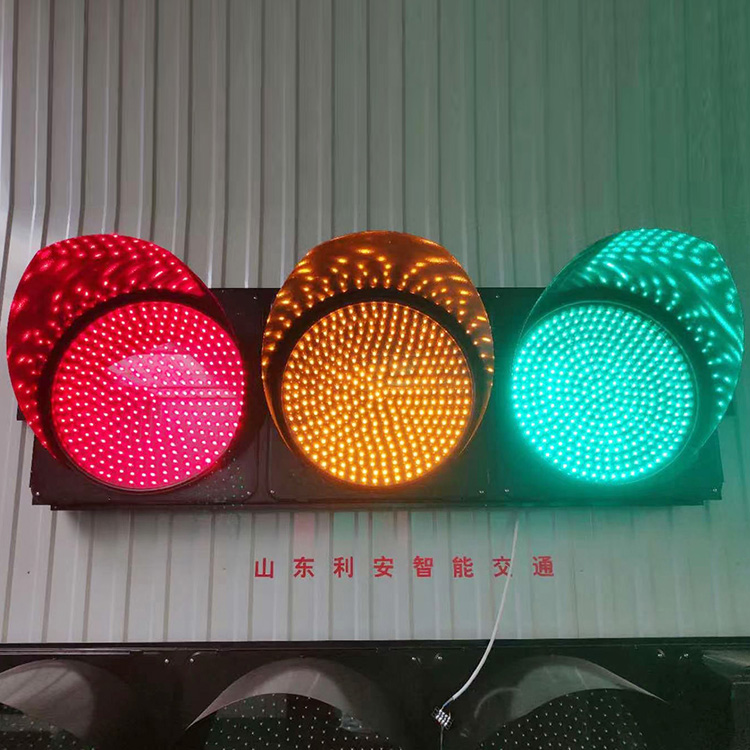
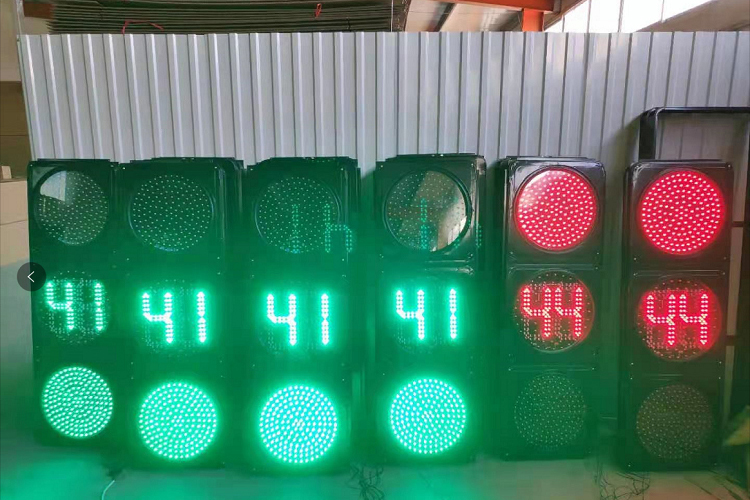
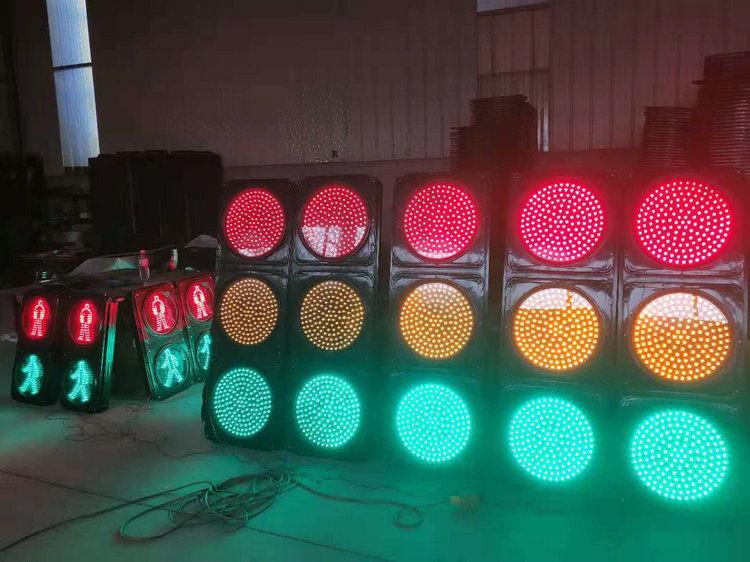
Under adverse weather conditions, LED traffic signals maintain excellent visibility and performance standards, such as continuous lighting, rain, and dust. LEDs emit light, thus eliminating the need for red, yellow, and green signals. LED lights have a certain directional and divergence angle. They can be used to replace the aspheric reflectors typically used in traditional traffic signals. This LED solves the issues of false displays and color degradation in traditional traffic signals, enhancing light efficiency.
2. Energy-saving:
LED sources offer a significant advantage in energy-saving, with one of their notable features being low energy consumption, which is of great importance for the application of lighting fixtures. Virtually all LED lights are visible, while only 80% of incandescent bulbs and just 20% of the light they produce is visible.
3. Low-calorie:
LED is directly replaced by electricity, producing very low heat, almost none. The cooling surface of LED traffic lights prevents maintenance personnel from getting burned, and has a longer lifespan.

4. Longevity:
Luminaires operate in relatively harsh conditions—cold, hot, exposed to sunlight and rain—therefore, they are highly reliable. Incandescent bulbs have an average lifespan of 1000 hours, while low-pressure halogen bulbs last an average of 2000 hours, with high maintenance costs. LED traffic signal lamps have no damage to the filament vibration and no issues with the glass housing.
5. Signal color stable
The LED traffic signal light source emits the monochromatic light required for signaling, so no color lens is needed, thereby avoiding defects caused by lens color fading.
Avoid false display
Traditional light sources (such as incandescent and halogen lamps) require a reflector cup for better beam distribution. In contrast, LED traffic signals use direct light, eliminating the need for a reflector cup, thus significantly improving brightness and range.