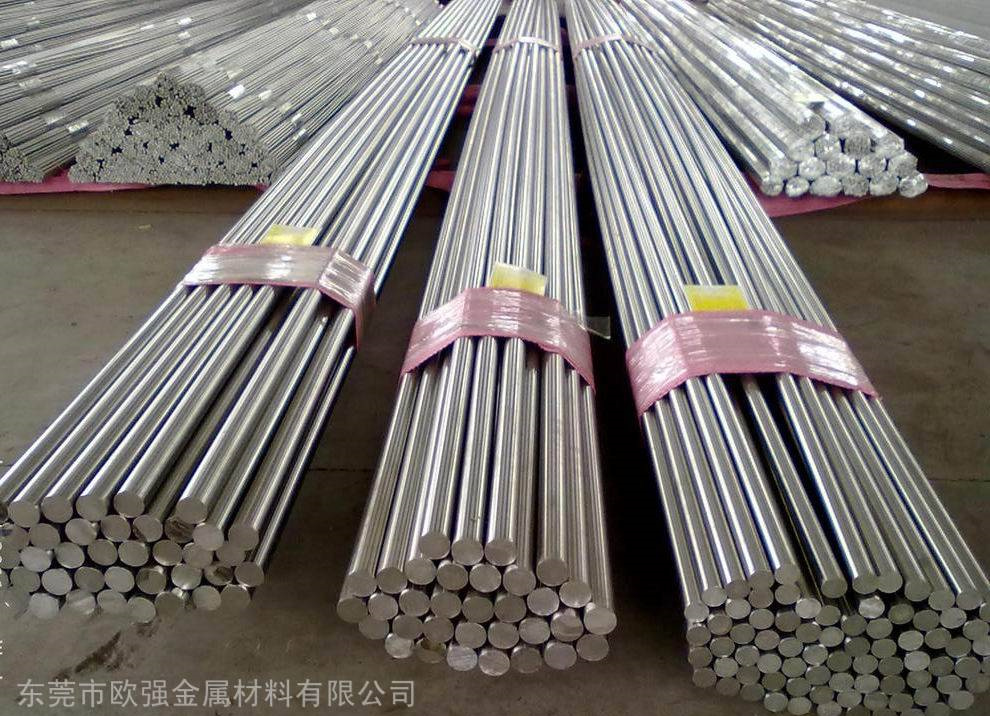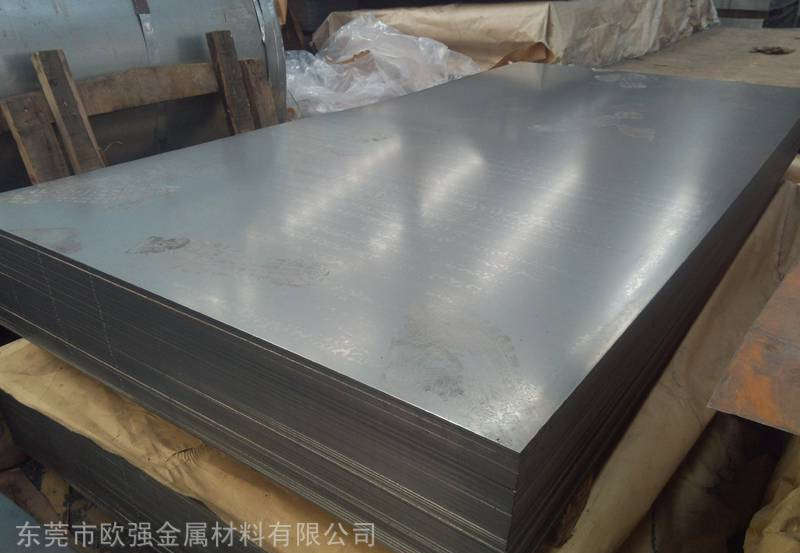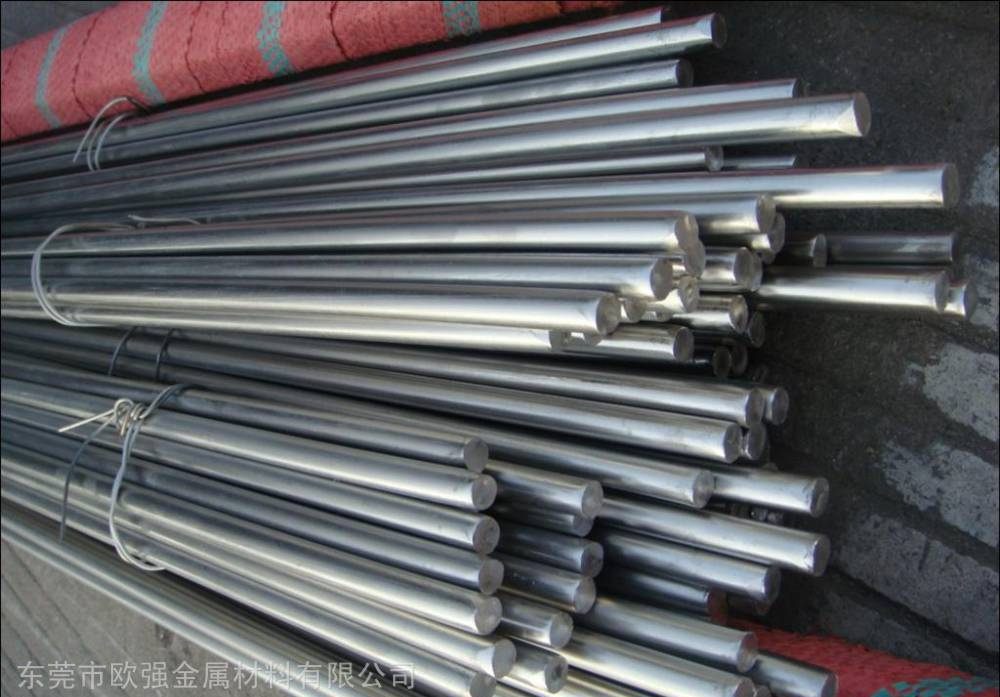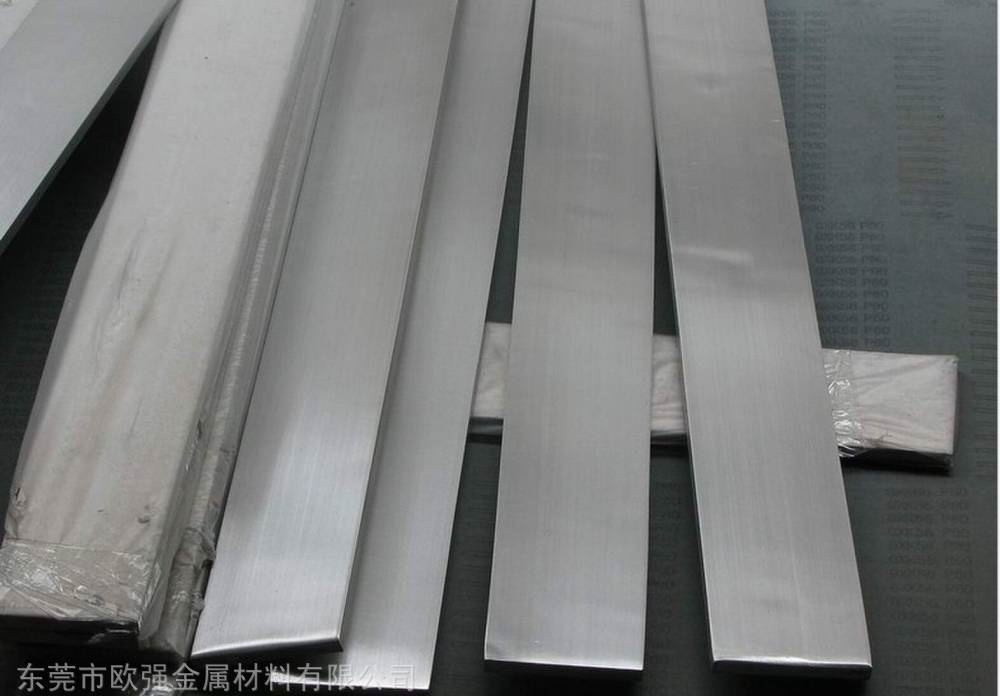

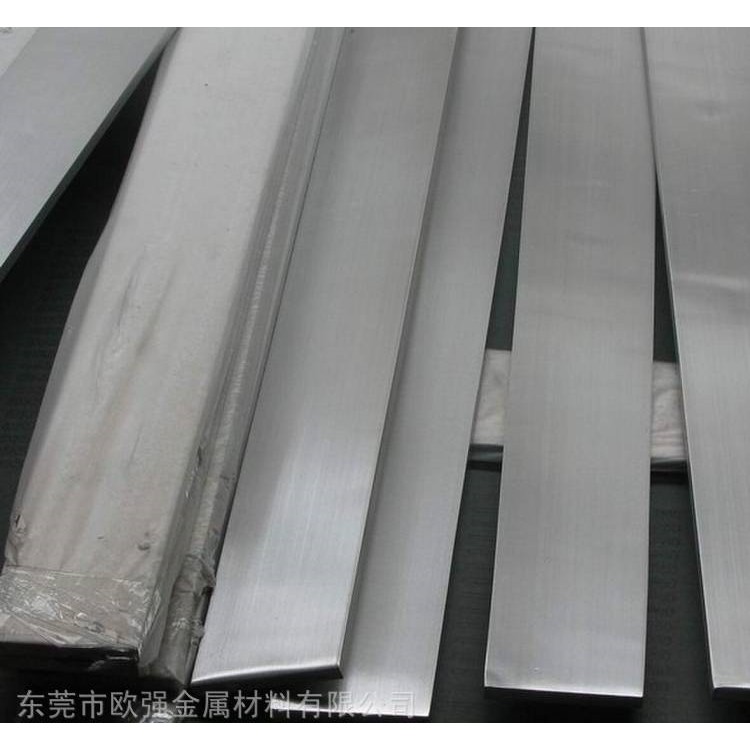
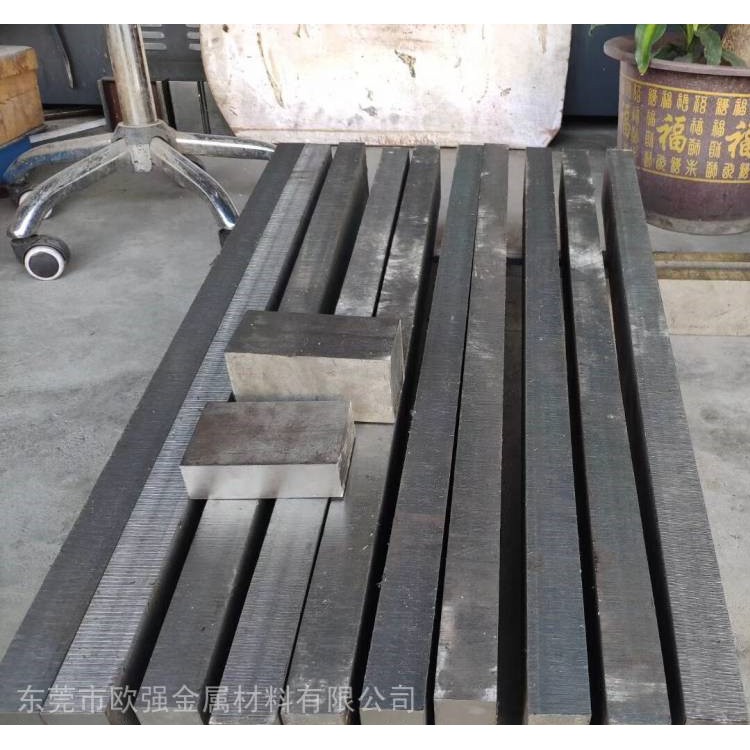











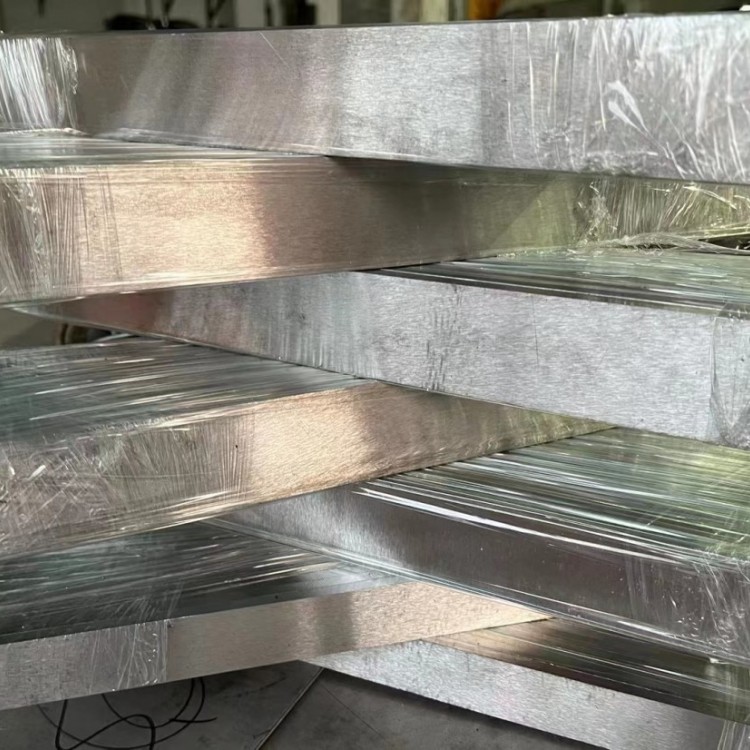
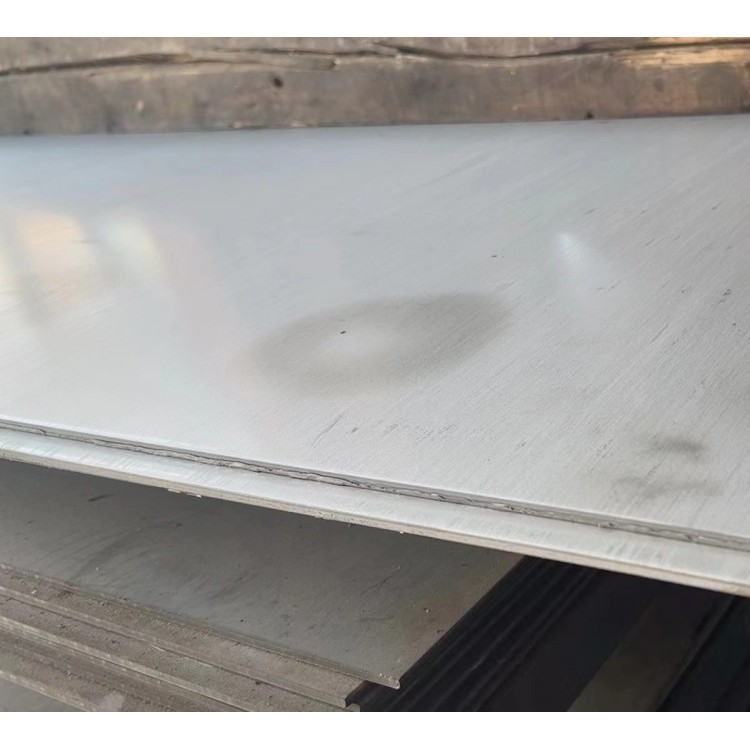
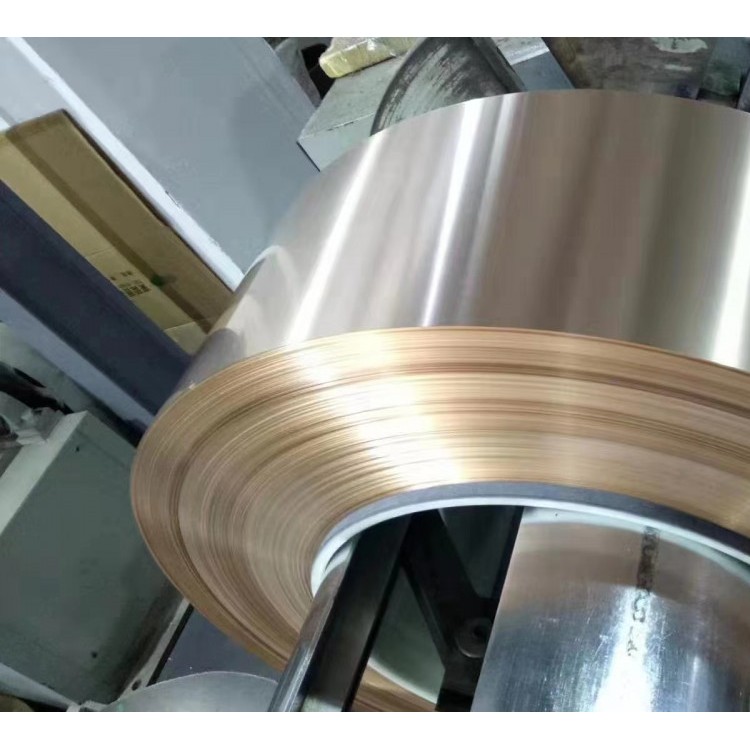
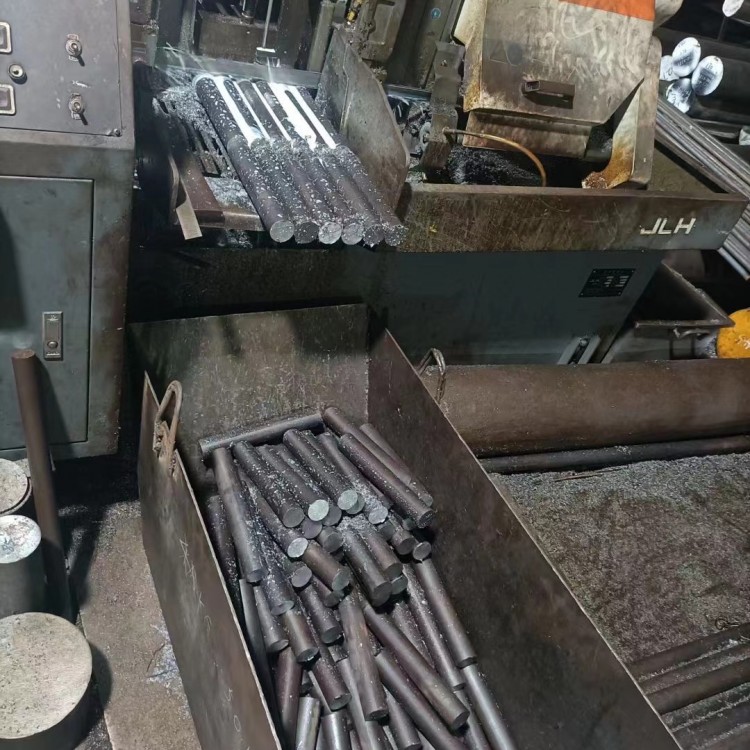
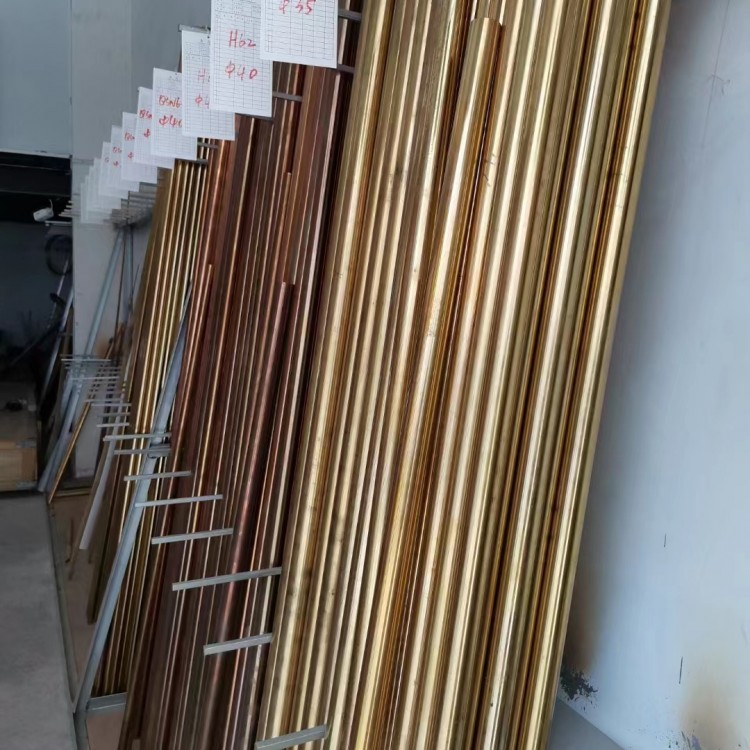

Stainless Steel: SUS316
Corresponding GB Grade: 0Cr17Ni12Mo2
The meaning of SUS316SUS is the symbol for stainless steel in the Japanese JIS standard. SUS is a Japanese material standard, and 316 stainless steel is a grade of stainless steel produced according to the American ASTM standard. 316 is equivalent to China's 0Cr17Ni12Mo2 stainless steel, and Japan also adopts the American name, referring to it as: SUS316.
SUS316 boasts excellent plasticity, toughness, cold workability, and welding properties. It has good high-temperature strength, while 316L has slightly lower high-temperature performance but superior corrosion resistance to 316. Due to its low carbon content and 2%-3% molybdenum, it enhances resistance to reducing salts and various inorganic and organic acids, bases, and salts, along with its high-temperature strength.
Basic Features:
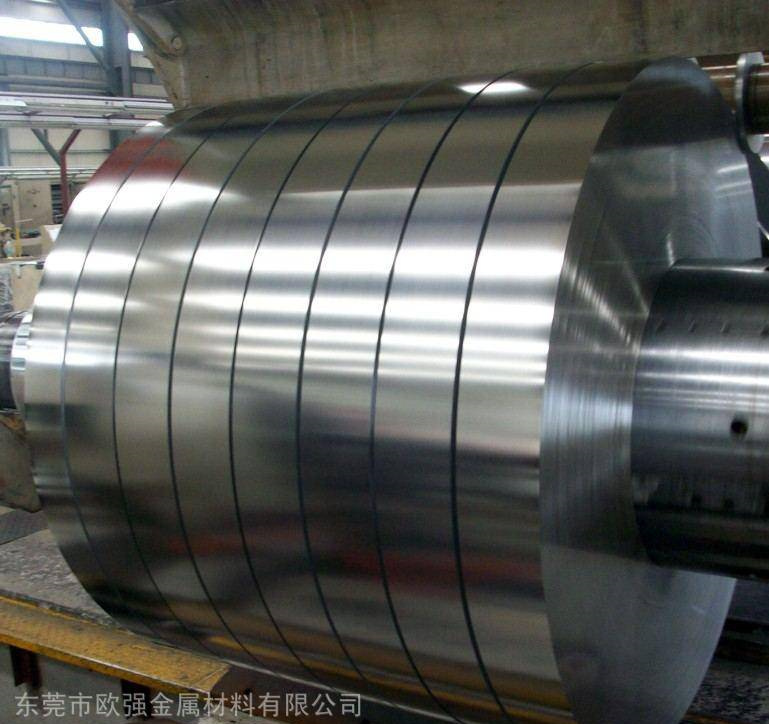
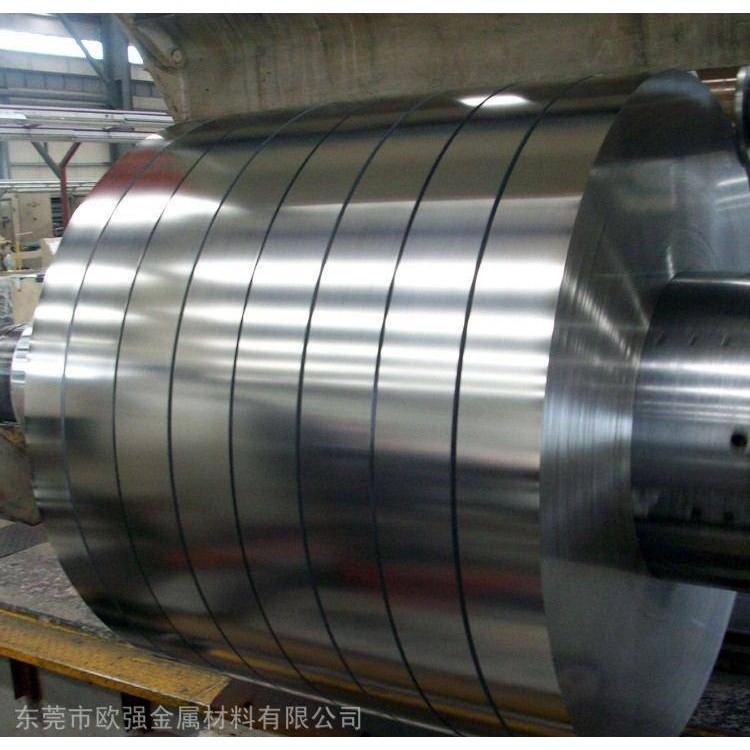
Cold rolled products have a good surface luster.
Due to the addition of Mo (2~3%), corrosion resistance, especially resistance to pitting corrosion.
High-Temperature Strength
Processed hardening (after processing, weak magnetic)
Solid solution state, non-magnetic
Excellent welding properties. All standard welding methods can be used. Depending on the application, welding can be performed with 316Cb, 316L, or 309Cb stainless steel filler rods or electrodes. To achieve corrosion resistance, the weld section of 316 stainless steel requires post-weld annealing. No post-weld annealing is necessary if 316L stainless steel is used.
Chemical Composition
C≤0.08,Mn≤2.00,
Si≤1.00,P≤0.045,
S≤0.030,Cr 16.00-18.00
Ni 10.00-14.00,
Mo 2.00-3.00
Melting Point: 1375~1450°C
Solution Heat Treatment: 1010~1150°C
Metallographic Structure: Characterized by Austenitic grain structure
Physical Properties:
Distinguish between SUS316 and SUS316L
Resistance Ratio (μΩ.cm): 73.00, 76.98
Specific Heat (J/g·K) 0.45 0.42
SUS316 stainless steel is suitable for equipment used in seawater, as well as in industries such as chemicals, dyes, and papermaking.